

travel guide
Machu Pichu tour from Cusco: Reconstructing the Route to an Inca Sanctuary

The journey from Cusco to Machu Picchu is one of the most studied and traversed routes in South America. Yet despite its familiarity, each machu pichu tour from cusco reveals a different interpretation of the Andes—shaped by altitude, access, and the manner in which the journey is structured. What distinguishes this route is not simply the destination, but the sequence of transitions: from highland city to agricultural valley, from valley to cloud forest, and finally to a site that exists between natural formation and human construction.
QUICK SUMARY

The Historical Framework of the Journey
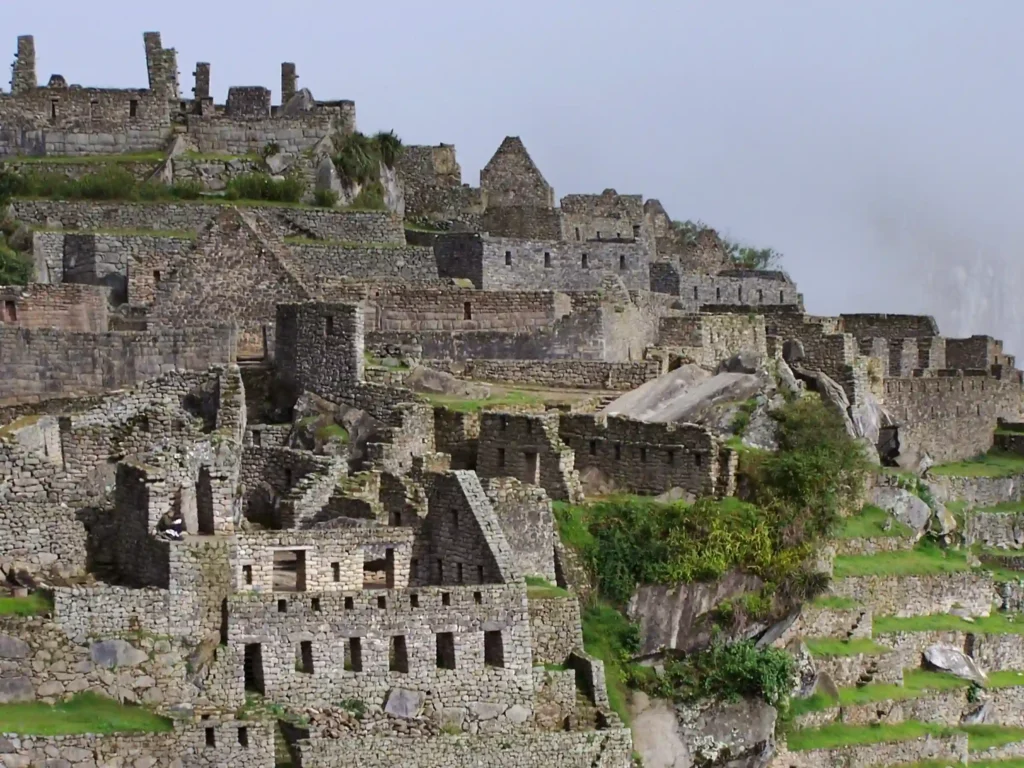
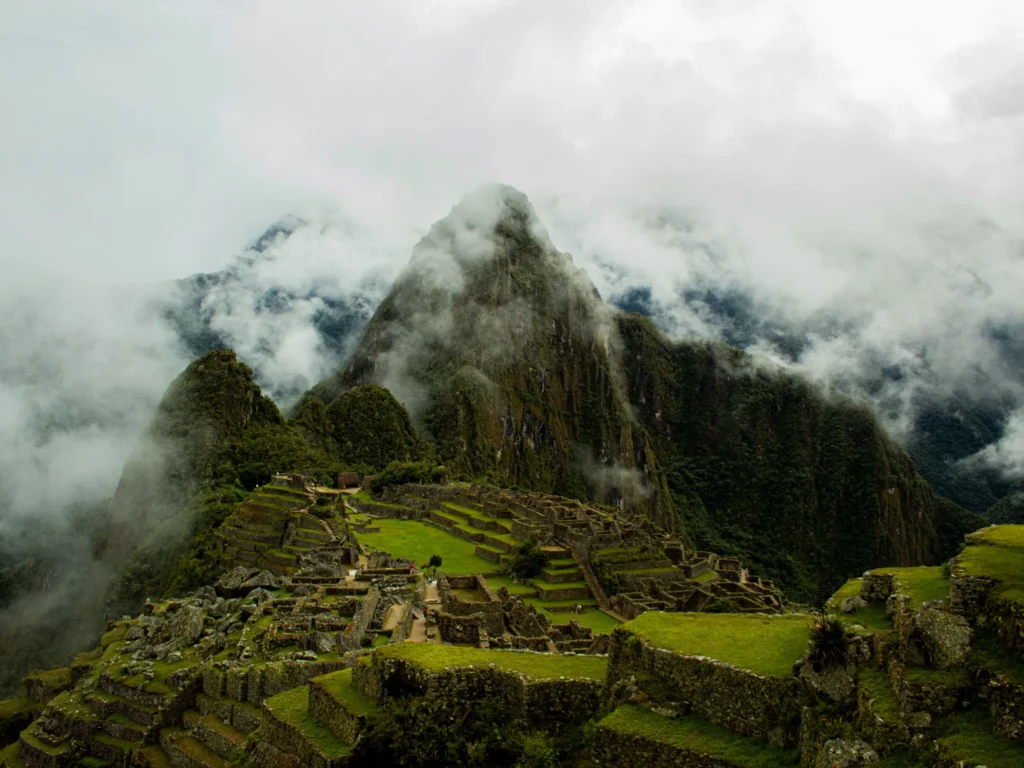
Machu Picchu was constructed during the reign of the Inca ruler Pachacuti in the 15th century, at a time when the empire was expanding both territorially and administratively. Its location—remote, elevated, and difficult to access—suggests a function beyond simple habitation. Rather than a conventional city, Machu Picchu is often interpreted as a royal estate or ceremonial centre. Its architecture reflects advanced knowledge of stonework, hydrology, and astronomy. Terraces stabilise the slopes, while water channels distribute spring water throughout the site. The route from Cusco to Machu Picchu would have formed part of the wider Qhapaq Ñan network, linking it to other administrative and religious centres.
Defining a Machu Pichu tour from Cusco
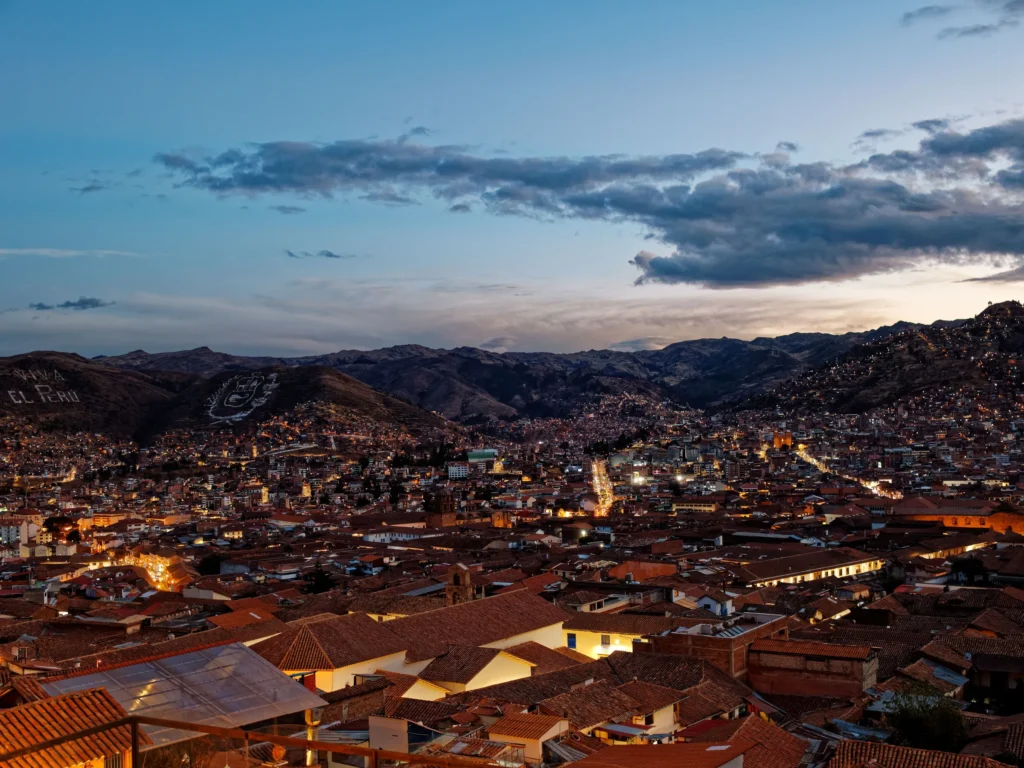
Most itineraries begin in Cusco, situated at approximately 3,400 metres above sea level. The city itself requires time to absorb—both physically, due to altitude, and intellectually, given its layered history of Inca and colonial influence. Private tours often incorporate guided exploration of Cusco before departure, providing context for the journey ahead.
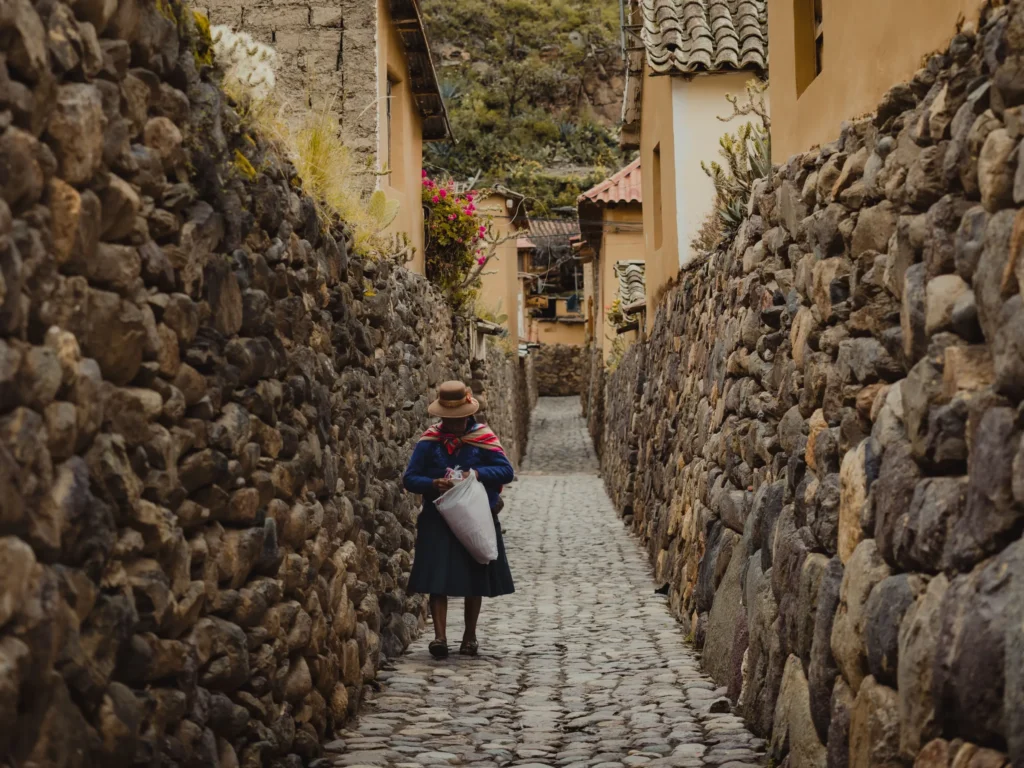
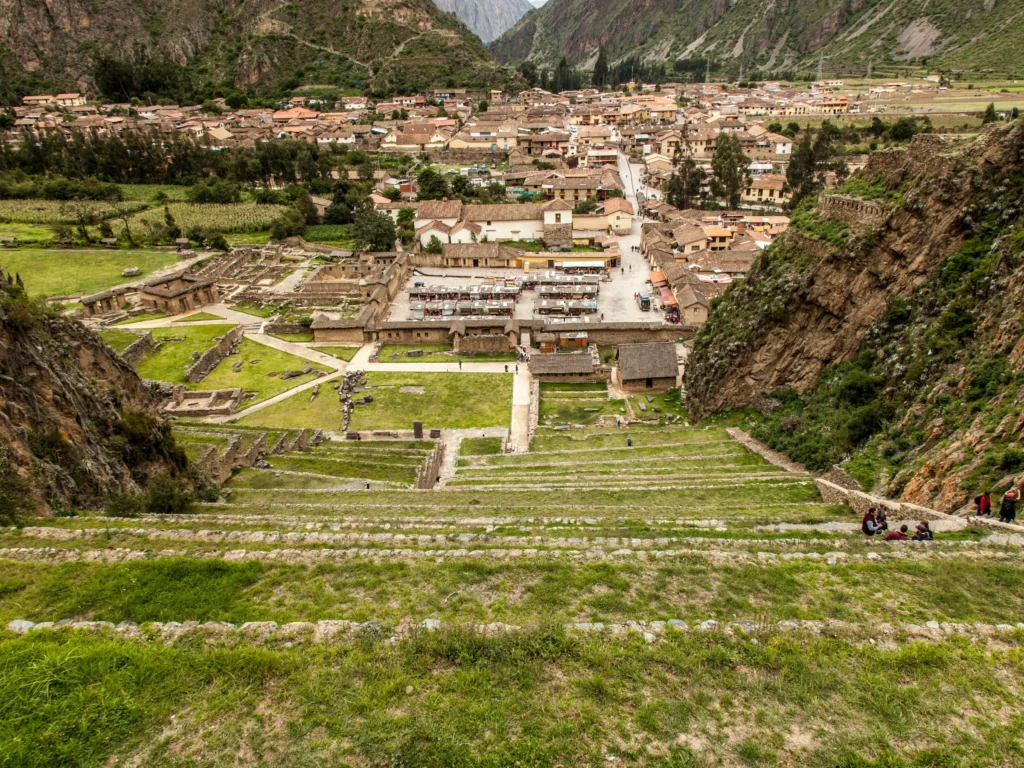
Leaving Cusco, the route descends into the Sacred Valley, following the course of the Urubamba River. This region served as an agricultural centre for the Incas, with fertile land supported by sophisticated irrigation systems. Key sites along the way include: Pisac, known for its terraces and strategic positioning, and Ollantaytambo, a functioning town built upon Inca foundations. In a well-designed machu pichu tour from cusco, the Sacred Valley is not treated as a stopover, but as an integral part of the narrative.
Rail Access to Machu Picchu
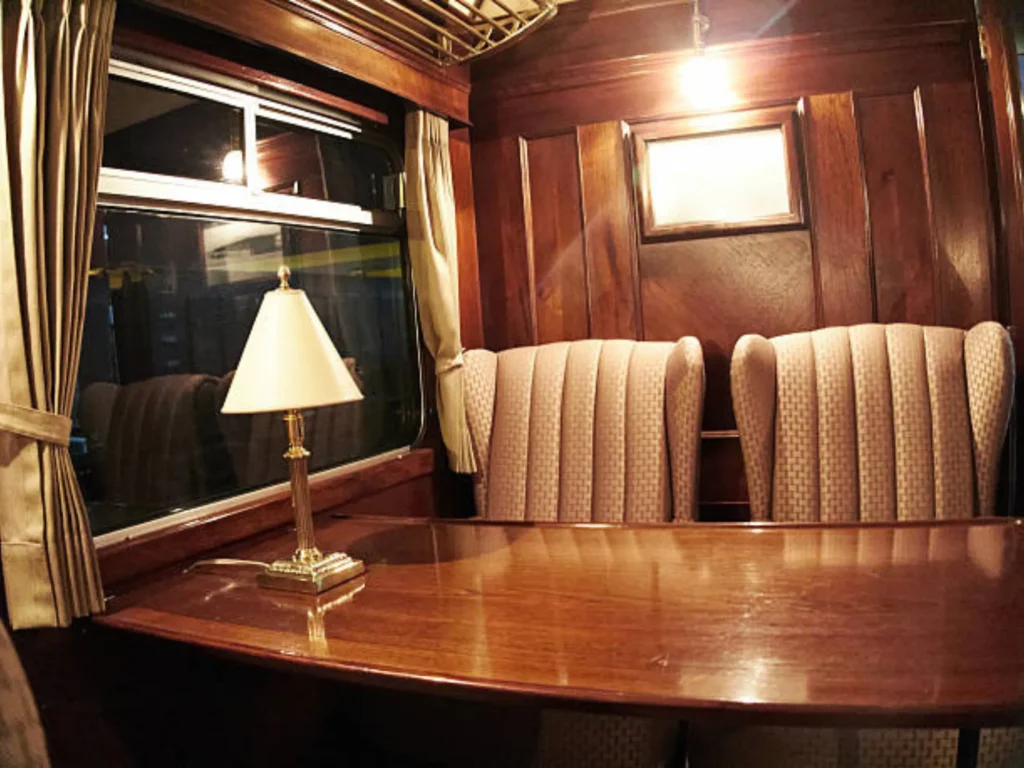
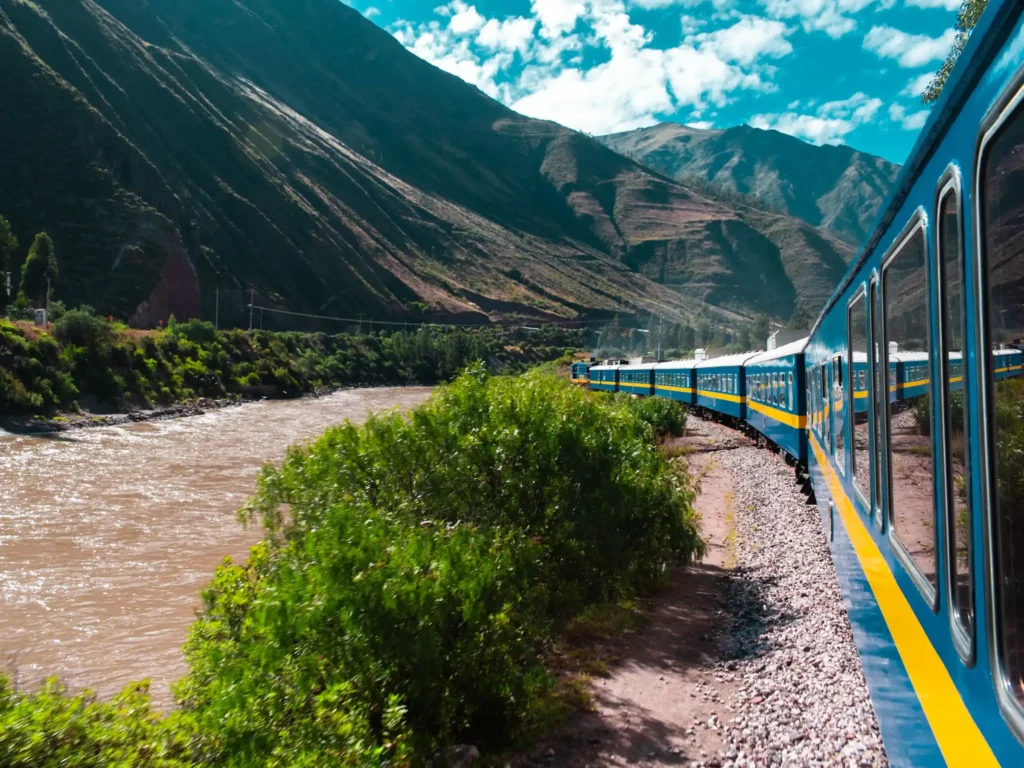
From Ollantaytambo, most travellers continue by train toward Aguas Calientes. The railway follows a narrow valley, with the landscape gradually shifting from high-altitude plains to subtropical vegetation. This section of the journey is defined by proximity to the river and the enclosing mountains. The sense of isolation increases as infrastructure becomes less visible. Luxury train services provide a controlled environment from which to observe these changes, combining comfort with continuity.
Upon arrival in Aguas Calientes, a series of switchback roads leads upward to Machu Picchu. The ascent is relatively short but steep, marking the final transition from valley floor to mountaintop. Entry to the site is regulated by timed tickets, requiring precise coordination. Private tours ensure that access aligns with optimal visiting periods.
Experiencing Machu Picchu
Once inside Machu Picchu, the arrangement of structures reveals a deliberate spatial organisation: agricultural terraces on the lower slopes, residential and ceremonial zones above, and astronomical features aligned with solstices and celestial events. A knowledgeable guide is essential for interpreting these elements, as much of the site’s significance is not immediately visible.
The terrain within Machu Picchu is uneven, with stone steps and narrow pathways connecting different sectors. Movement is directional, following designated circuits designed to preserve the site. Private tours allow for a measured pace, enabling pauses for observation without the pressure of group timing.
Luxury Considerations
One of the defining aspects of a Machu Picchu tour from Cusco in a private format is control over timing. Early morning visits provide reduced visitor density and softer light conditions. Afternoon entries, by contrast, offer warmer tones and a gradual quieting of the site. In some itineraries, overnight stays near Machu Picchu allow for multiple entries, each revealing different atmospheric conditions.
Accommodation is typically divided across three locations: Cusco for acclimatisation and historical context, Sacred Valley for reduced altitude and landscape immersion, and Aguas Calientes or near Machu Picchu for proximity to the site. Properties such as Belmond Sanctuary Lodge provide immediate access, while others in the valley offer a quieter setting.
Private guides bring depth to the experience, addressing: Inca construction techniques, agricultural systems and terrace engineering, and religious and cosmological interpretations. This transforms the visit from observation into analysis.
Environmental Practical Considerations
The shift from Cusco to Machu Picchu involves a decrease in altitude, which often results in improved physical comfort. However, initial acclimatisation in Cusco remains necessary.
Conditions vary throughout the year: dry season with clearer skies and cooler temperatures, and wet season with increased vegetation and variable visibility. Weather can change rapidly, particularly in the cloud forest surrounding Machu Picchu.
Visitor numbers are controlled through a ticketing system that assigns entry times and routes. Advance planning is required, particularly during peak travel periods.
Cultural and Local Context
The rediscovery of Machu Picchu by Hiram Bingham in 1911 introduced the site to an international audience. However, local communities had long been aware of its existence. Today, these communities remain part of the region’s social fabric. Agriculture, language, and traditional practices continue alongside tourism, creating a layered cultural environment.
A Structured Encounter with the Andes
To undertake this journey is to engage with a landscape shaped by both natural forces and human intervention. Machu Picchu represents a convergence of these elements, but it is not isolated from them. machu pichu tour from cusco, when approached with structure and intention, offers more than access to a single site. It provides a framework for understanding how geography, culture, and history intersect within one of the most complex regions of South America. The experience is defined not by spectacle, but by coherence—an alignment between route, context, and interpretation that allows the Andes to be understood as a living system rather than a static backdrop.
Frequently Asked Questions
Related Guides
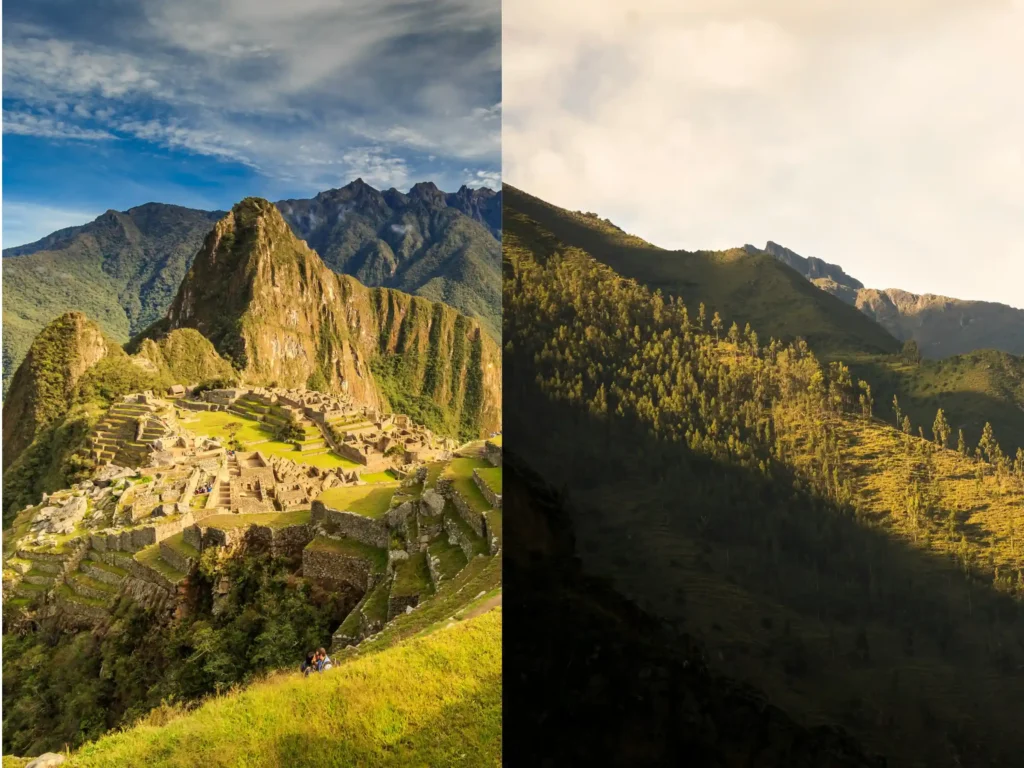
Sacred Valley and Machu Picchu 2 Day Tour from Cusco
Chinchero | Moray | Maras Salt Mines | Sacred Valley Picnic Lunch | Ollantaytambo |…
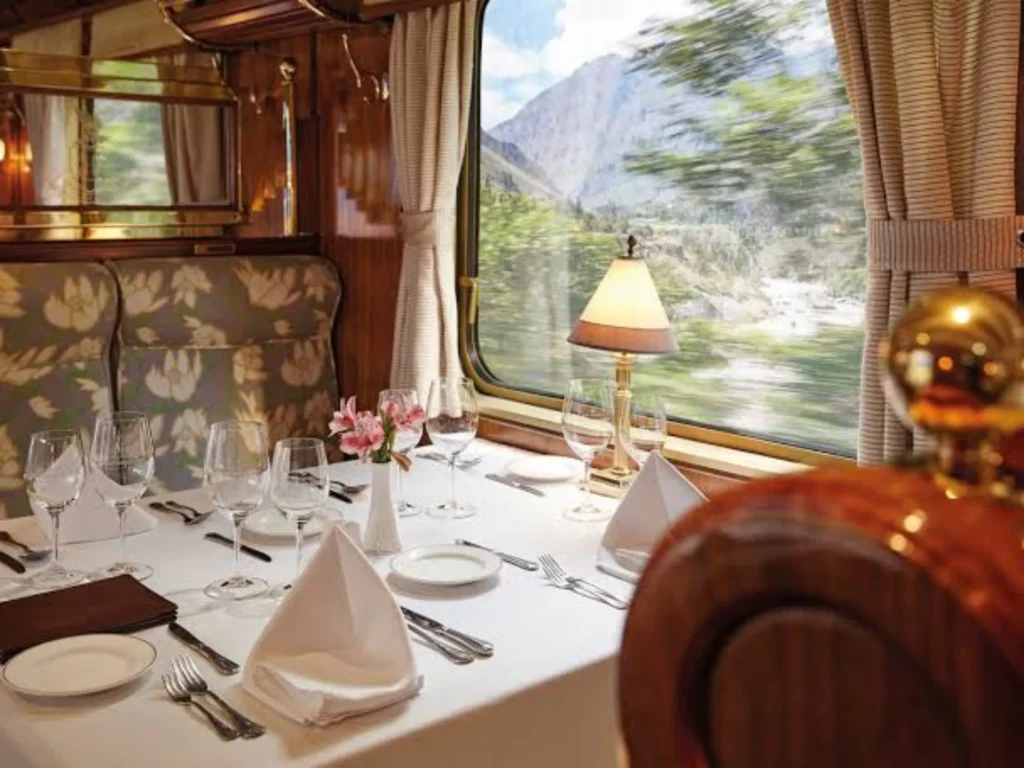
Luxury Machu Picchu Tour by Hiram Bingham Train
Experience Machu Picchu in one of the most elegant ways possible: aboard the Hiram Bingham…
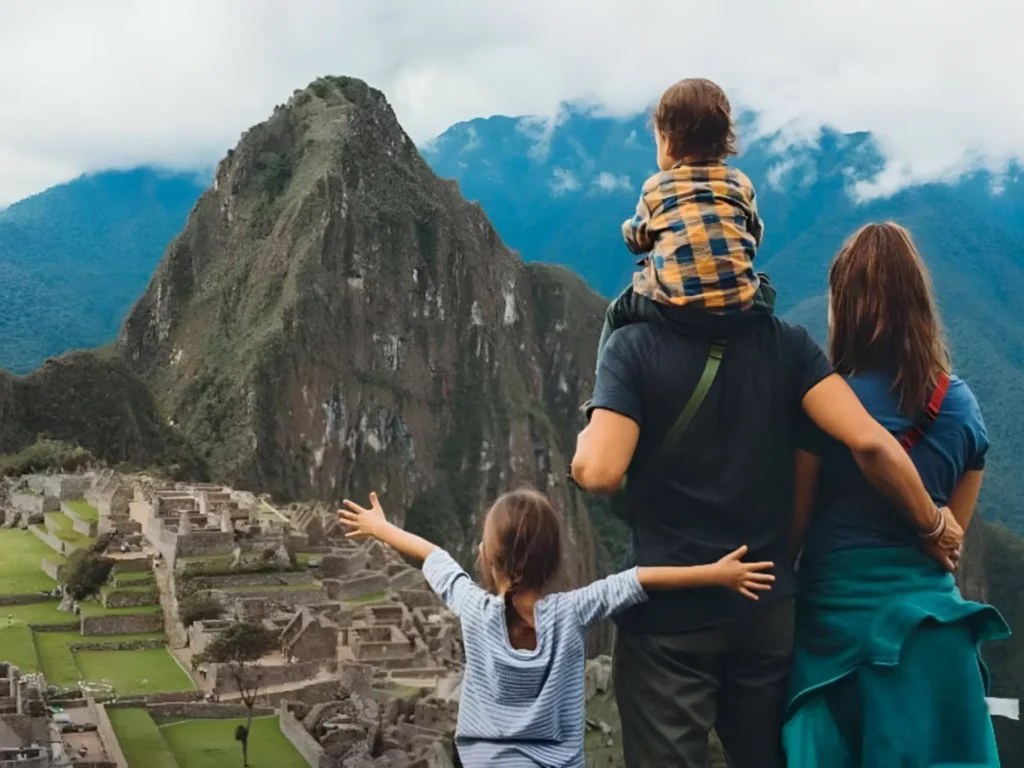
Family-Friendly Machu Picchu Tour from Cusco
08:30 AM Departure Private service all tour Kid-Friendly Pace Calmer Afternoon Visit This Family-Friendly Machu…
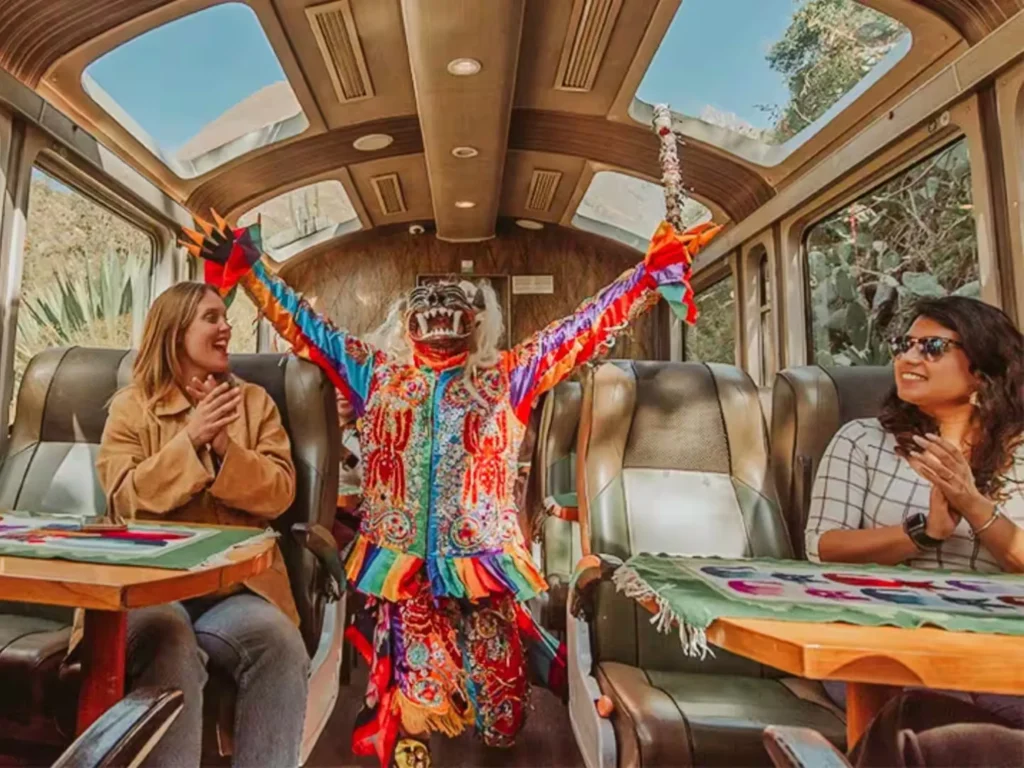
Full Day Machu Picchu Tour by Train
A seamless private day trip to Machu Picchu, designed for travelers who want the essential…
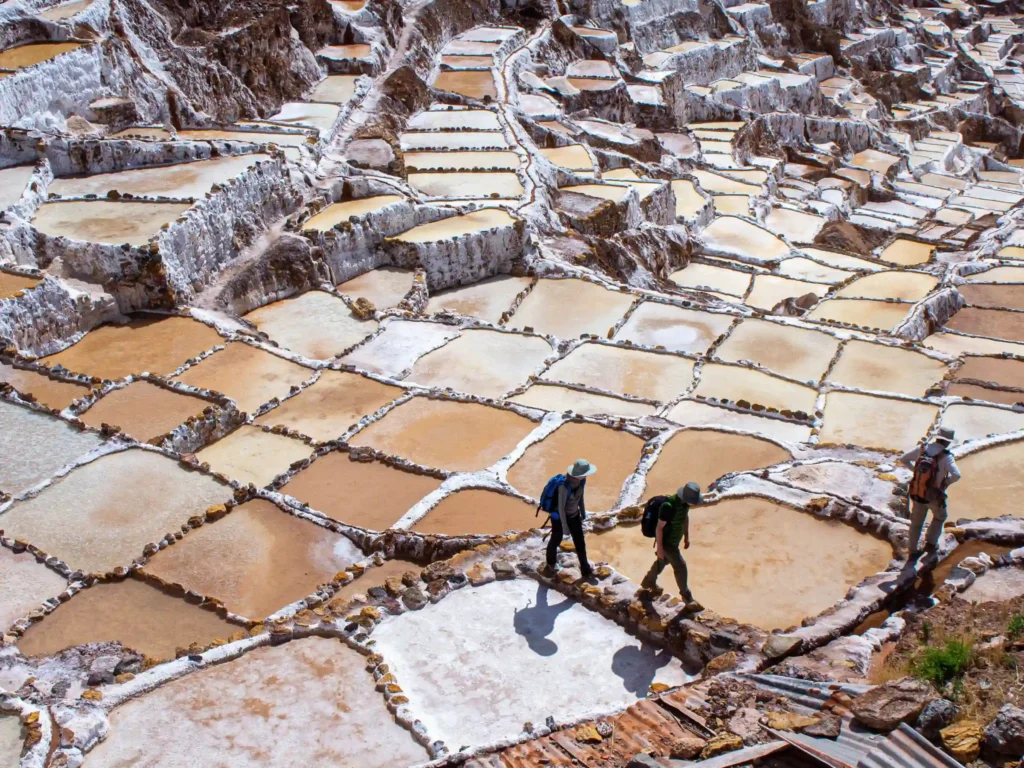
Salt Mines and Machu Picchu Tour from Cusco
CUSCO TO MACHU PICCHU Make the most of your time in Peru by combining two…
Recent guides
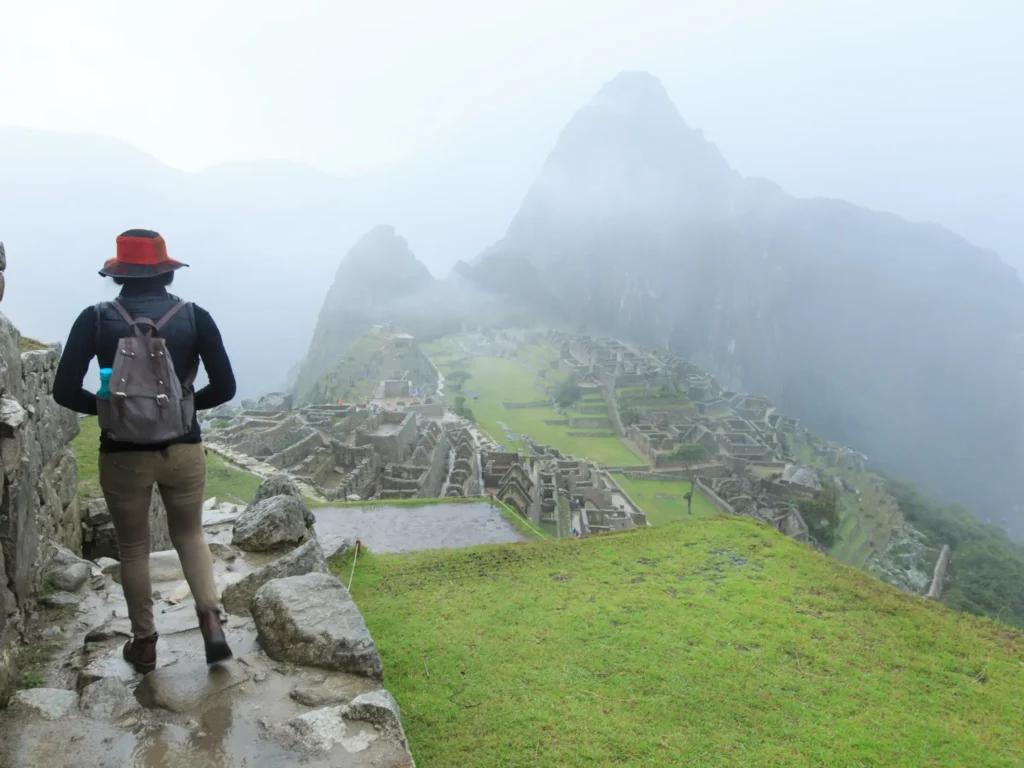
Machu Picchu Circuits Explained
travel guide Which Route Should You Choose? MACHU PICCHU CIRCUITS GUIDE Choosing the right Machu…
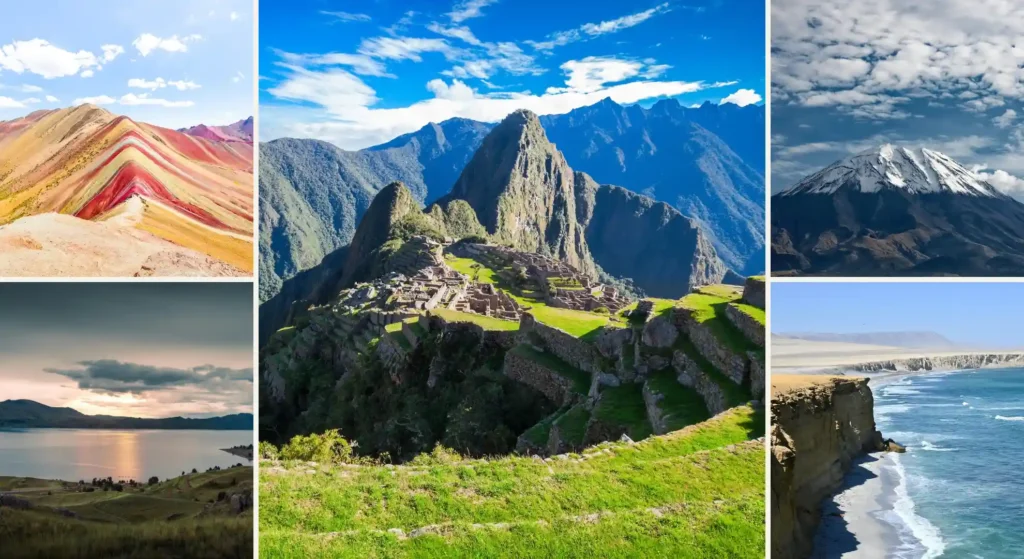
Private Peru Tours
travel guide How to Design a Tailor-Made Journey Through Peru Luxury Machu Picchu tours A…
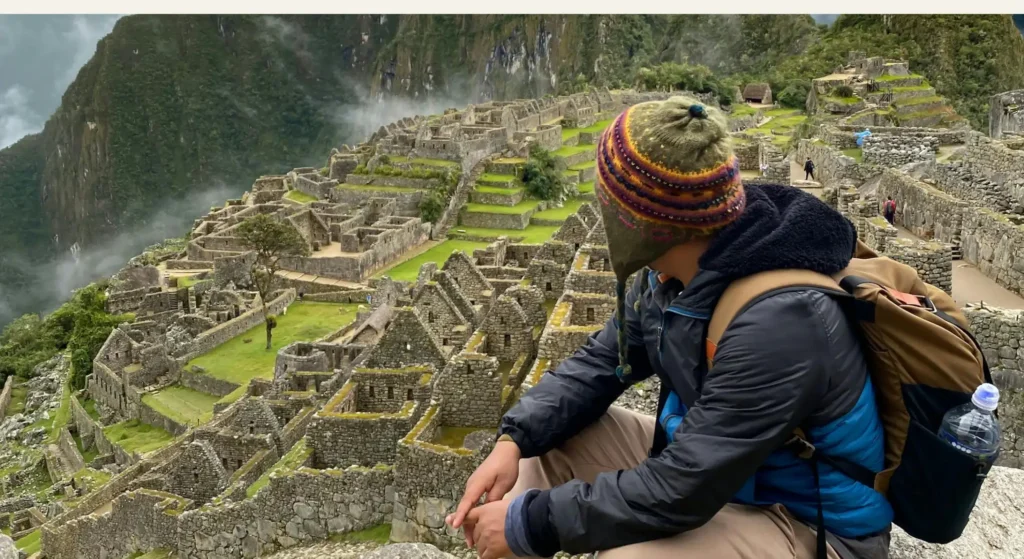
Luxury Machu Picchu Tours
travel guide How to Plan a Private, Seamless & High-End Experience Luxury Machu Picchu tours…
Best Time to Visit Machu Picchu: The Definitive Local Guide to Weather, Crowds, Tickets & Travel Planning
Table of Contents Use this guide to choose the best travel dates for your Machu…
Private tours Cusco: a structured way to explore the historic capital of the Incas
cusco guides To approach Cusco through private tours cusco is to move beyond the visible…
Cusco private tour: A City Built in Layers
travel guide Few cities in South America present such a visible overlap of civilisations as…
Luxury options
Top Luxury Train Options to Machu Picchu
travel guide Discover the finest rail experiences to Machu Picchu, from the legendary Belmond Hiram…
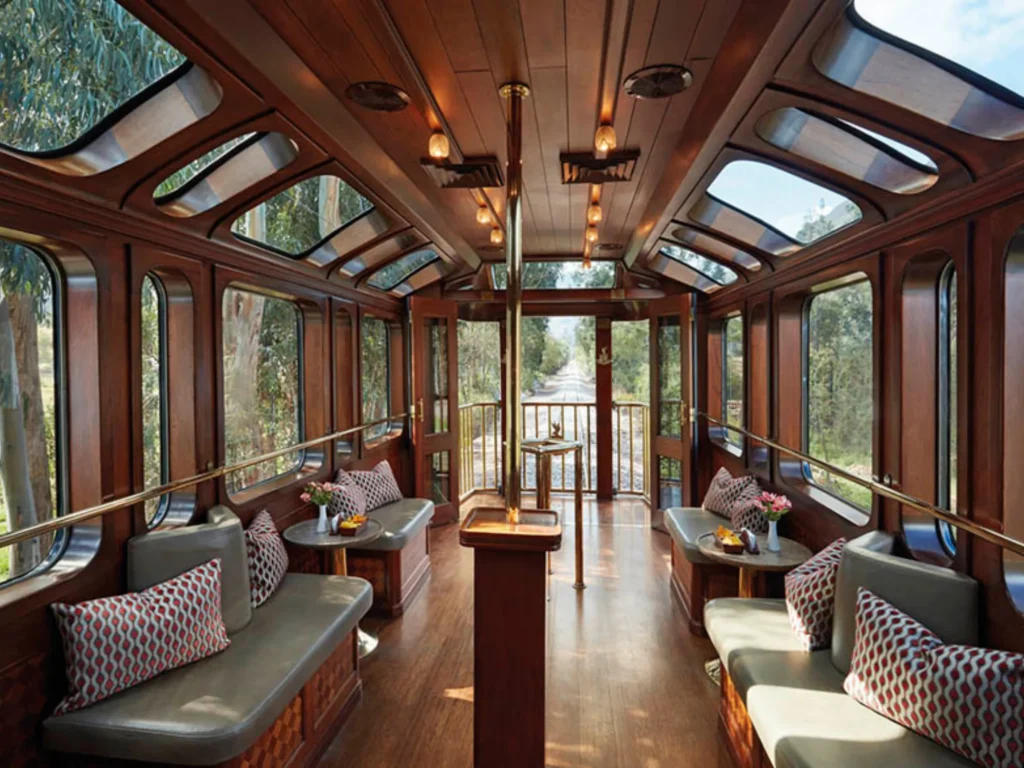
The Railway Through the Andes: Machu Picchu train tour
travel guide The railway that connects the Sacred Valley to Machu Picchu is one of…
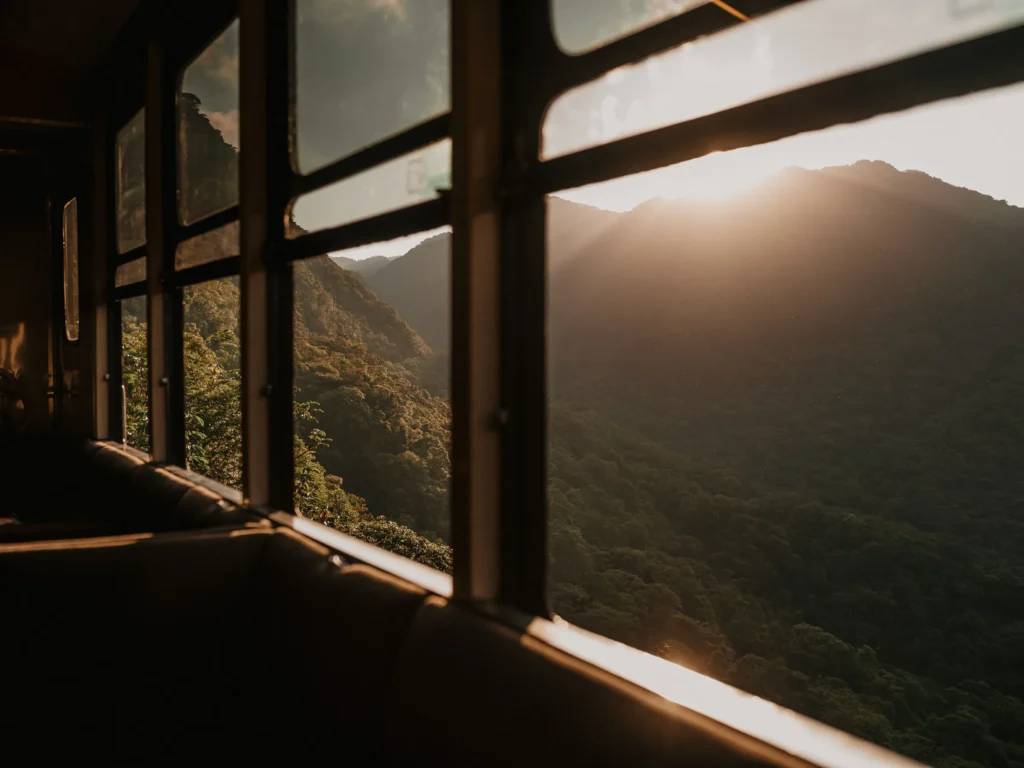
The Elegance of the Rails: Experience the Ultimate Machu Picchu Train Tour
travel guide The journey to the heart of the Incan Empire is as much about…
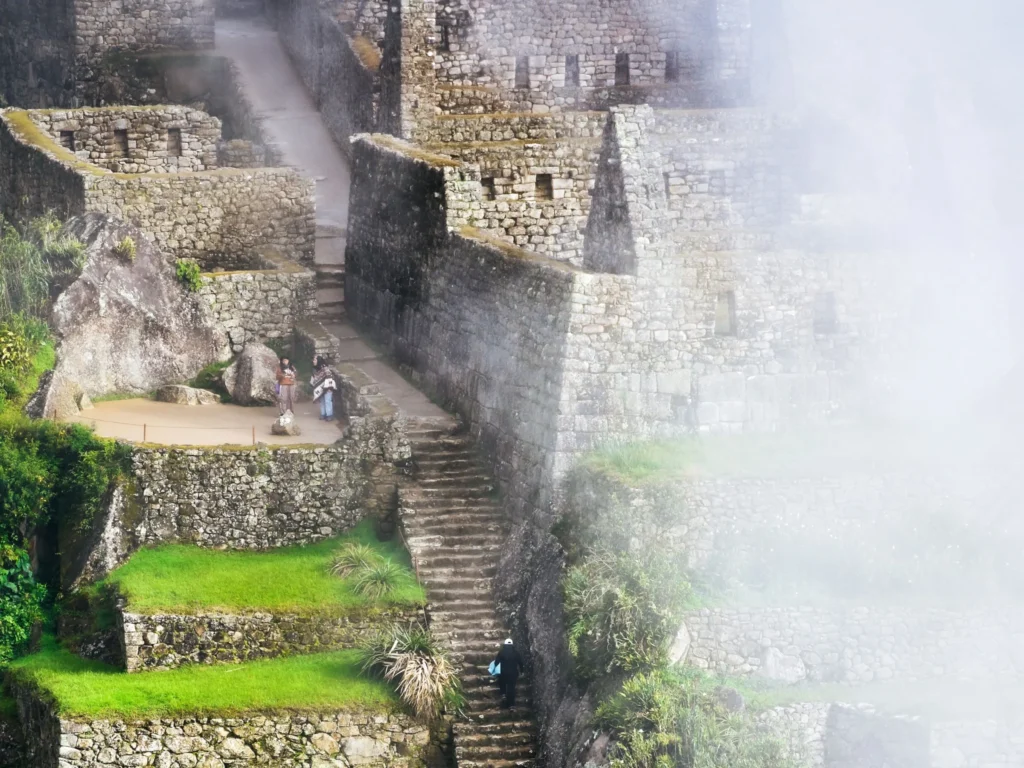
The Definitive Guide to Luxury Exploration: Navigating Machu Picchu Tours from Cusco
travel guide The mist clings to the jagged peaks of the Andes like a silent…
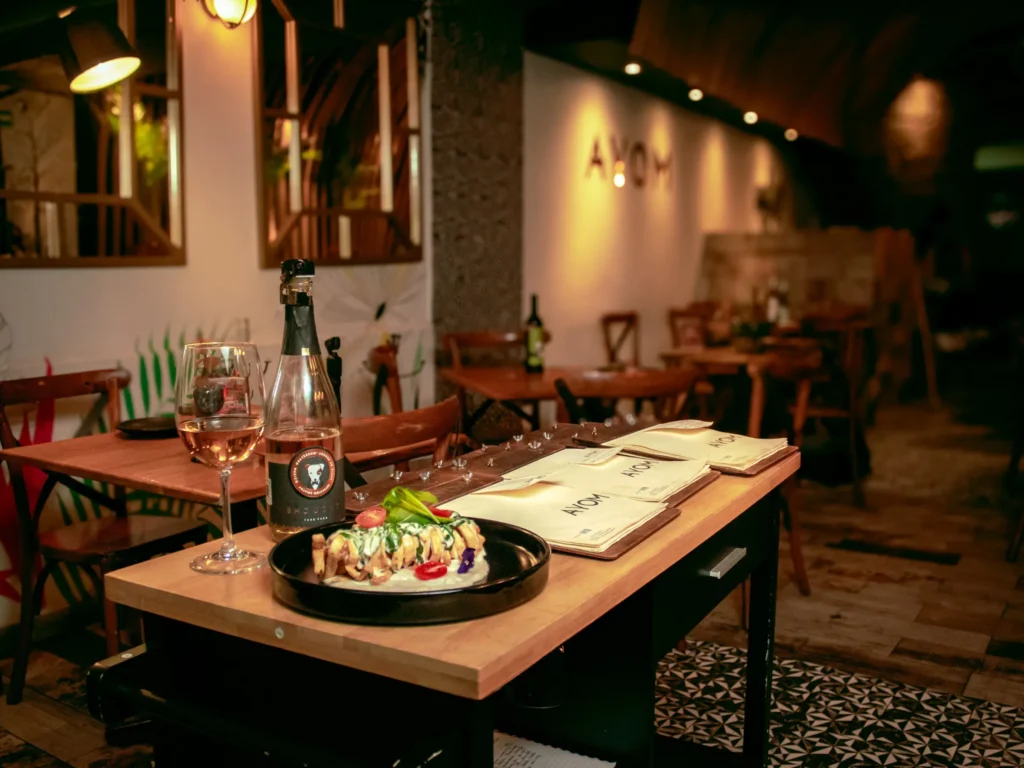
The Art of the Journey: Why Peru Private Tours Define Modern Luxury
travel guide In an era of mass-produced experiences and digital saturation, the true definition of…
Machu Picchu luxury travel
travel guide Luxury trains to Machu Picchu often sell out quickly. Reservations are recommended 3–6…
More Information
Why Rainbow Mountain is Different in Each Season
travel guide Rainbow Mountain is not a static postcard—it’s a dynamic landscape. Its colors, visibility,…
Top Luxury Train Options to Machu Picchu
travel guide Discover the finest rail experiences to Machu Picchu, from the legendary Belmond Hiram…
The Spirit of the Andes: Crafting the Perfect Machu Pichu Tour from Cusco
travel guide There is a specific kind of magic that occurs when the first light…
The Soft Gold of the Andes: An Immersion into Alpaca Tours in Peru
travel guide In the high-altitude heart of the Andes, there is a creature that has…
The Railway Through the Andes: Machu Picchu train tour
travel guide The railway that connects the Sacred Valley to Machu Picchu is one of…
The Enduring Journey: Machu Picchu tours from Cusco
travel guide There are few journeys in South America that carry the same historical weight…
Travel Guide Cusco
Why Rainbow Mountain is Different in Each Season
travel guide Rainbow Mountain is not a static postcard—it’s a dynamic landscape. Its colors, visibility,…
Private tours Cusco: a structured way to explore the historic capital of the Incas
cusco guides To approach Cusco through private tours cusco is to move beyond the visible…
Make the Most of a Short Stay in Cusco
travel guide Make the most of your short stay in Cusco with this expert city…
Humantay lake tour from cusco, a High-Altitude Landscape Beneath Salkantay
travel guide The journey to Humantay Lake unfolds within one of the most visually dramatic…
Cusco private tour: A City Built in Layers
travel guide Few cities in South America present such a visible overlap of civilisations as…
Christmas with children’s of Inca Cancha
travel guide First, Inca Cancha is a small community located in the district of Challabamba,…