

travel guide
The Enduring Journey: Machu Picchu tours from Cusco

There are few journeys in South America that carry the same historical weight and layered geography as those connecting Cusco to Machu Picchu. Once the capital of the Inca Empire, Cusco still serves as the natural departure point for travellers seeking access to Machu Picchu—a sanctuary of stone suspended between cloud forest and Andean peaks. To understand Machu Picchu tours from cusco is to recognise that this is not a single route, but a network of carefully curated experiences shaped by terrain, time, and personal preference. Whether by rail, road, or foot, each approach reveals a different dimension of the Sacred Valley and the Inca worldview that once governed it.
QUICK SUMARY
- The Historical Context of the Route
- Routes for Machu Picchu tours from cusco
- Alternative Treks: Salkantay and Beyond
- Luxury Considerations Along the Route
- Timing and Access Strategy
- Practical Insights for Travellers
- Local Perspectives and Lesser-Known Details
- The Meaning of the Journey
- Final Thoughts
- Frequently Asked Questions
- Related Guides
- The Historical Context of the Route
- Routes for Machu Picchu tours from cusco
- Alternative Treks: Salkantay and Beyond
- Luxury Considerations Along the Route
- Timing and Access Strategy
- Practical Insights for Travellers
- Local Perspectives and Lesser-Known Details
- The Meaning of the Journey
- Final Thoughts
- Frequently Asked Questions
- Related Guides

The Historical Context of the Route
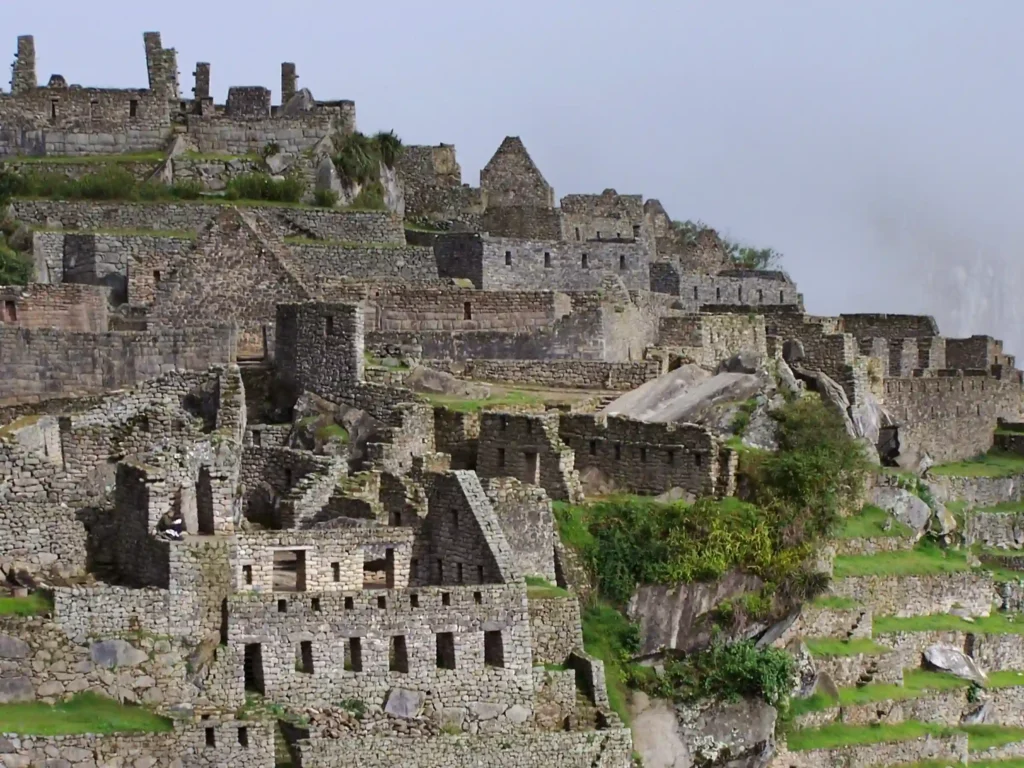
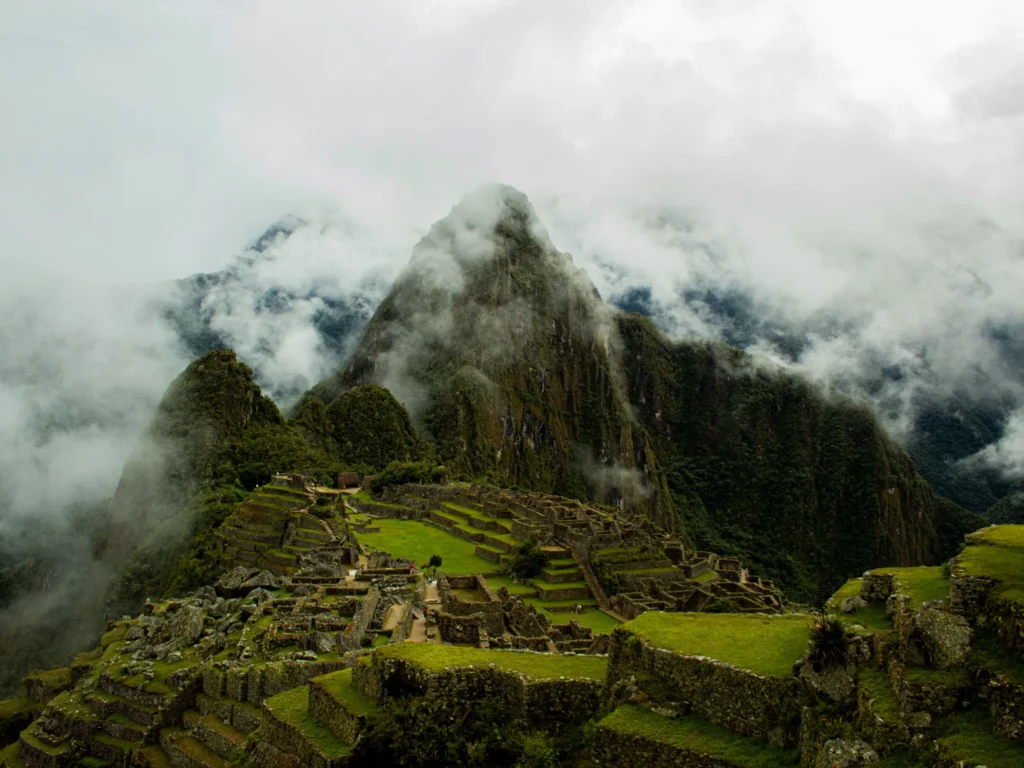
Long before modern tourism infrastructure, the Incas engineered an extensive system of roads known as the Qhapaq Ñan. These routes connected administrative, agricultural, and ceremonial centres across vast distances. The pathway toward Machu Picchu—whether one follows the classical Inca Trail or travels by train through the Urubamba Valley—echoes this legacy. Machu Picchu itself is believed to have been constructed in the 15th century under the reign of Pachacuti. Its precise purpose remains debated among historians: a royal estate, a ceremonial retreat, or a site of astronomical significance. What is certain is that its location was deliberately chosen—hidden yet connected, remote yet integrated within a broader network of sacred geography.
Routes for Machu Picchu tours from cusco
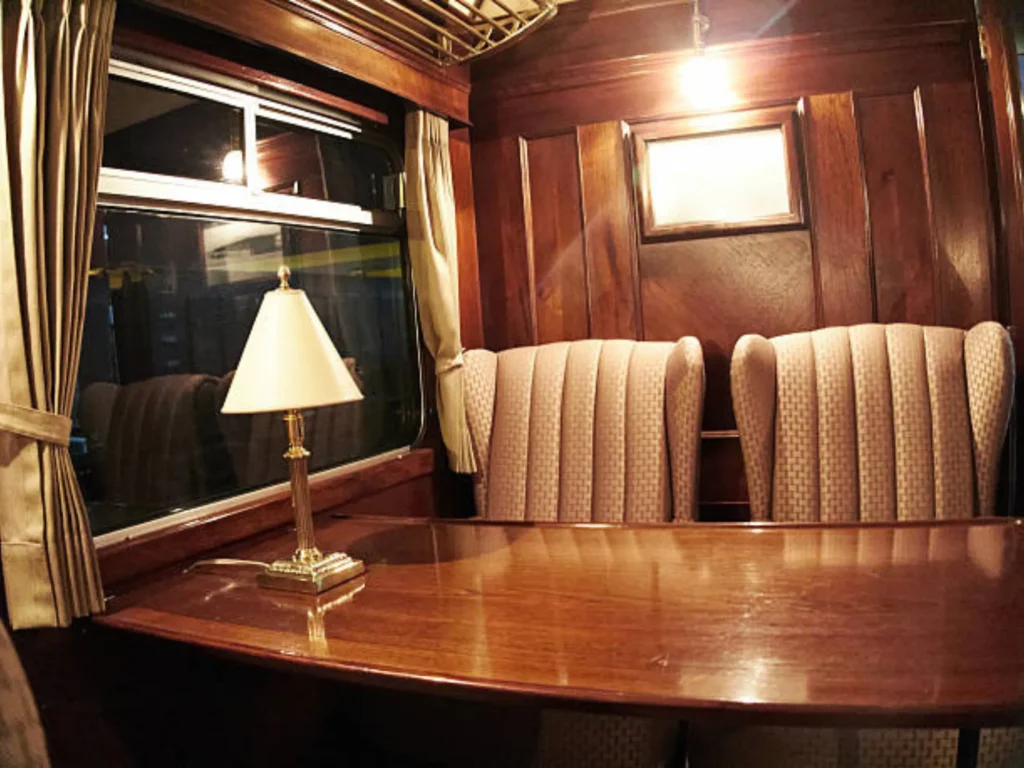
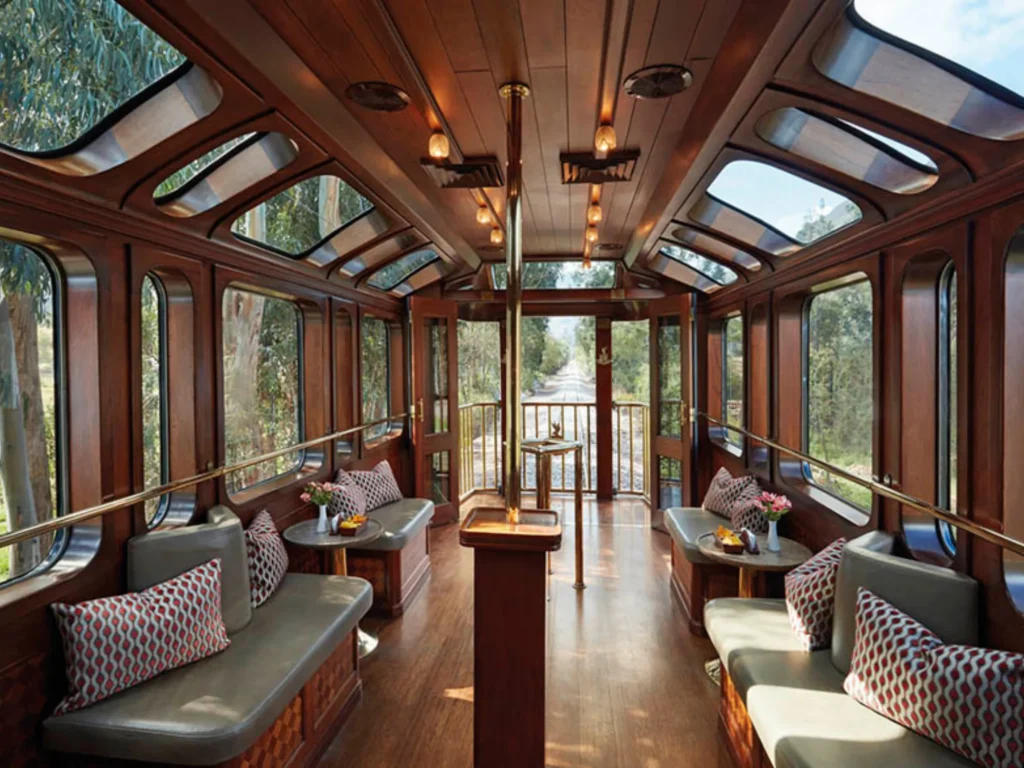
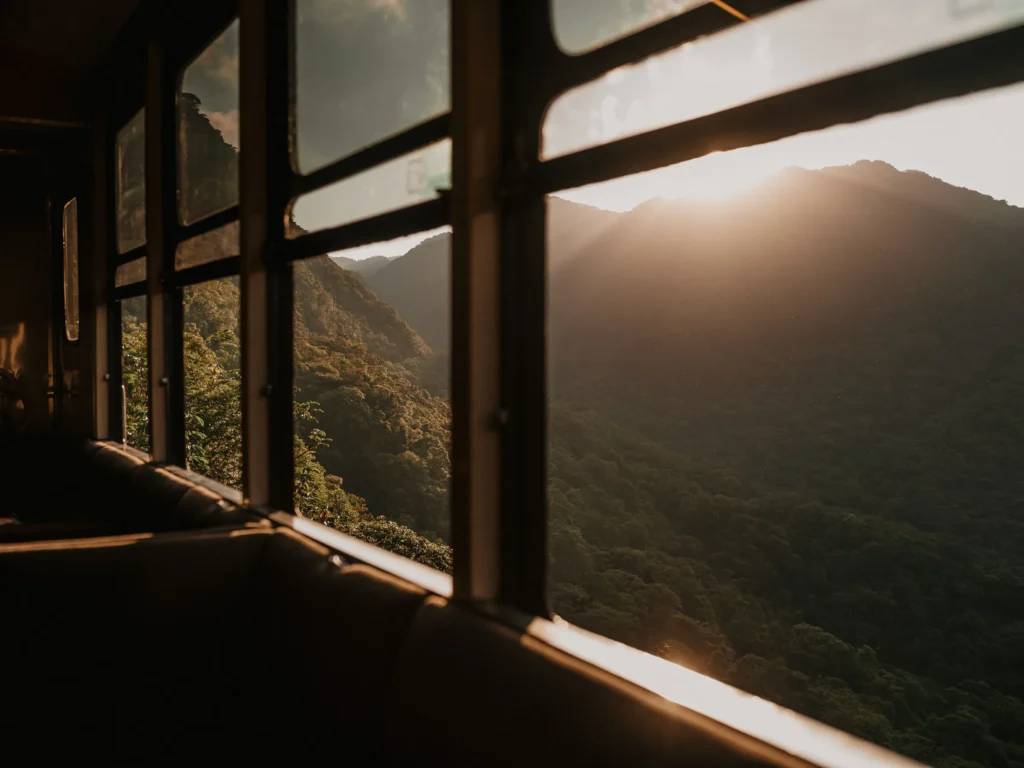
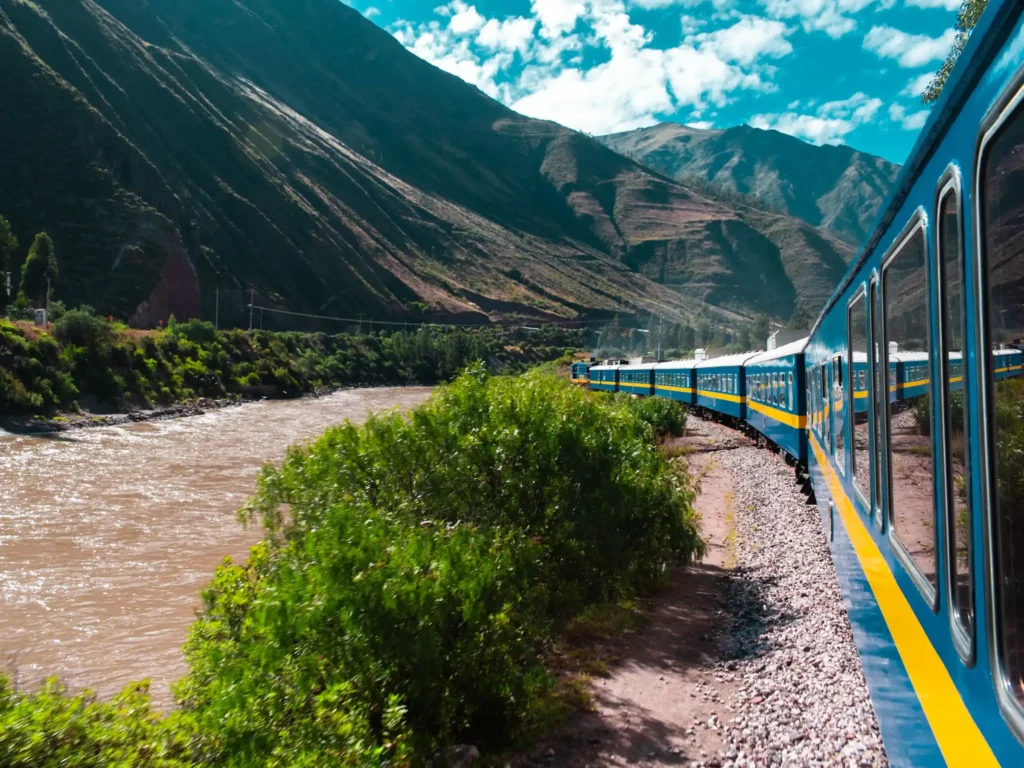
The most refined and time-efficient way to reach Machu Picchu is by train. Departures typically originate from Poroy (near Cusco) or Ollantaytambo in the Sacred Valley. The journey traces the course of the Urubamba River, gradually descending from high-altitude plains into subtropical cloud forest. Luxury travellers often favour the Belmond Hiram Bingham service, where polished wood interiors, curated dining, and live music evoke the golden age of rail travel. Large panoramic windows frame the shifting landscapes—terraced hillsides, narrow gorges, and villages that appear briefly before disappearing into the mountains. This option suits those who prioritise comfort and wish to arrive at Machu Picchu with minimal physical exertion, yet without sacrificing the narrative of the journey.
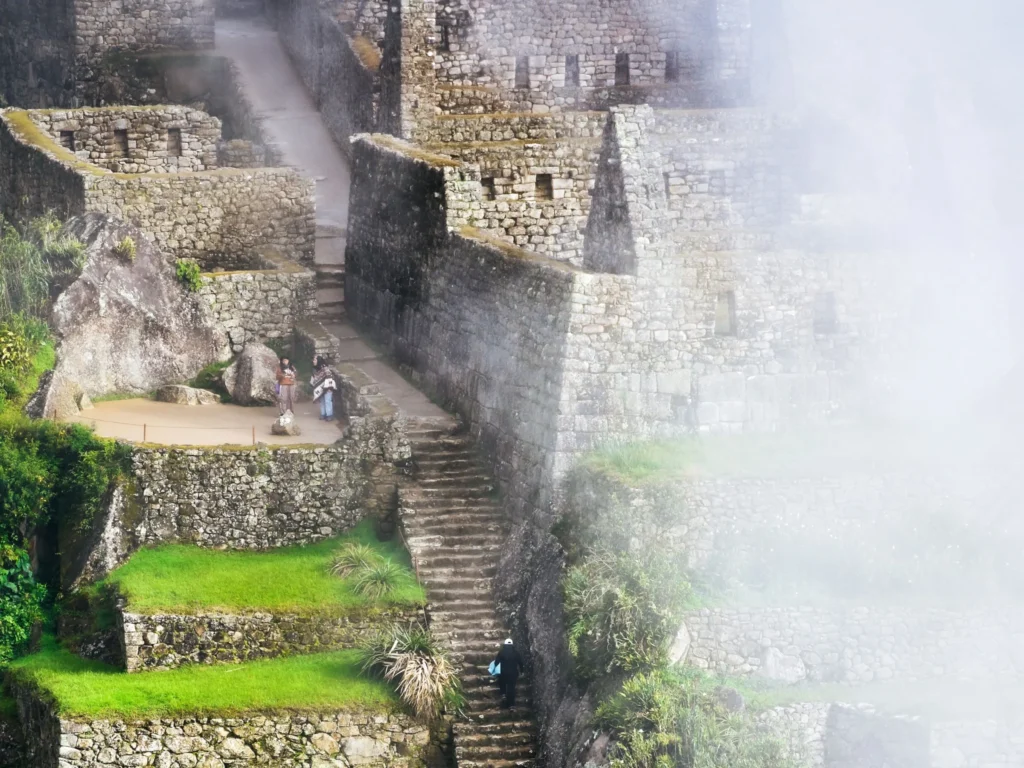
For those seeking a more immersive understanding of Andean geography, the Inca Trail remains one of the most historically resonant approaches. Typically undertaken over four days, the trail follows original stone pathways, passing archaeological sites such as Wiñay Wayna before culminating at the Sun Gate (Inti Punku). Permits are limited and regulated, preserving both the integrity of the trail and the experience itself. While physically demanding, this route offers a gradual acclimatisation to altitude and a layered encounter with Inca engineering, agriculture, and cosmology.
Alternative Treks: Salkantay and Beyond
Less regulated but equally compelling, routes such as the Salkantay Trek provide a contrasting perspective. Rather than following a single historical path, these journeys traverse diverse ecological zones—from snow-capped peaks to humid forest valleys. Travellers encounter fewer crowds and a broader sense of the Andean environment. The presence of Mount Salkantay, one of the region’s most revered apus (mountain spirits), adds a spiritual dimension often cited in local traditions.
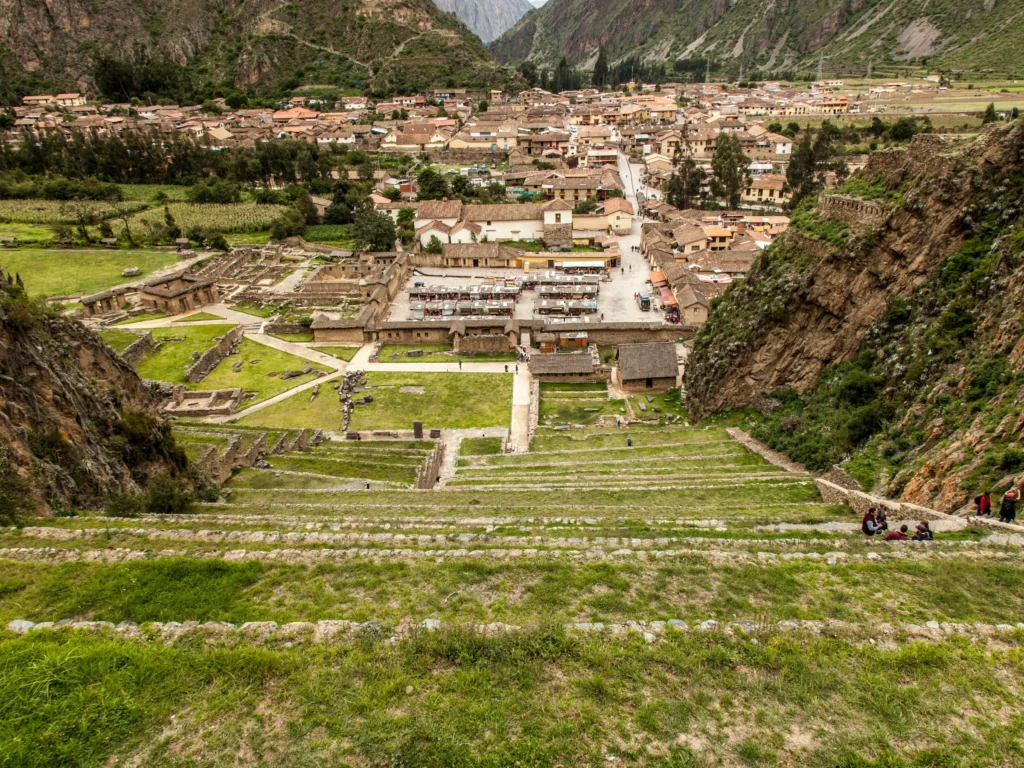
A growing preference among discerning travellers is the hybrid itinerary: private transport from Cusco through the Sacred Valley, combined with a train journey from Ollantaytambo. This allows for curated stops along the way—artisan markets, archaeological sites such as Pisac, and agricultural terraces in Moray. Such itineraries transform transit into exploration, offering context before arrival at Machu Picchu.
Luxury Considerations Along the Route
For travellers undertaking Machu Picchu tours from cusco with a focus on comfort, accommodation is not merely logistical—it shapes the rhythm of the experience. In Cusco: Restored colonial mansions offer altitude acclimatisation in refined settings. In the Sacred Valley: Lower elevations provide physiological ease, with expansive landscapes and quieter surroundings. Near Machu Picchu: Properties such as Belmond Sanctuary Lodge allow immediate access to the citadel, while Inkaterra Machu Picchu Pueblo Hotel integrates accommodation within a lush ecological reserve. Choosing where to stay determines whether Machu Picchu is approached as a day excursion or a multi-day immersion
Timing and Access Strategy
Machu Picchu operates under timed entry regulations, with visitor flows carefully managed. Early morning entry—often before sunrise—offers softer light and fewer visitors, allowing for a more contemplative experience. Afternoon visits, by contrast, provide a different atmosphere: warmer tones, shifting shadows, and the gradual quieting of the site as day visitors depart. Private guides enhance this experience by contextualising architectural features, astronomical alignments, and lesser-discussed areas beyond the main viewpoints.
Practical Insights for Travellers
Cusco sits at approximately 3,400 metres above sea level. It is advisable to spend at least one or two nights acclimatising before undertaking any strenuous activity. The Sacred Valley, at a lower elevation, often serves as an effective transitional base.
Dry season (May to September): Clear skies, cooler temperatures, and optimal trekking conditions. Wet season (November to March): Lush landscapes and fewer visitors, though with increased rainfall and potential travel disruptions. Each season alters not only logistics but also the visual character of the journey.
Interactions with local communities—particularly in rural areas—should be approached with respect for customs and traditions. Photography, for instance, is often welcomed but should be preceded by permission.
Local Perspectives and Lesser-Known Details
The narrative of Machu Picchu is often framed through its rediscovery by Hiram Bingham in 1911. However, local communities were always aware of its existence. The site’s “discovery” reflects a Western academic perspective rather than an absence of local knowledge. Similarly, many of the agricultural terraces seen along the route are still functional, demonstrating advanced irrigation and soil management techniques that predate modern engineering.
The Meaning of the Journey
To undertake Machu Picchu tours from cusco is to move through layers of time and geography. The journey is not defined solely by arrival at Machu Picchu, but by the transitions along the way—altitude shifts, ecological changes, and historical continuity. From the stone foundations of Cusco to the cloud-wrapped terraces of Machu Picchu, the route reflects a civilisation deeply attuned to its environment. Modern travellers, whether arriving by train or on foot, retrace these connections—engaging, in varying degrees, with the same landscapes that shaped the Inca world.
Final Thoughts
The experience is less about spectacle and more about perspective: an understanding of how place, culture, and history converge in one of the most complex regions of the Andes. There are few journeys in South America that carry the same historical weight and layered geography as those connecting Cusco to Machu Picchu. Once the capital of the Inca Empire, Cusco still serves as the natural departure point for travellers seeking access to Machu Picchu—a sanctuary of stone suspended between cloud forest and Andean peaks. To understand Machu Picchu tours from cusco is to recognise that this is not a single route, but a network of carefully curated experiences shaped by terrain, time, and personal preference.
Frequently Asked Questions
Related Guides
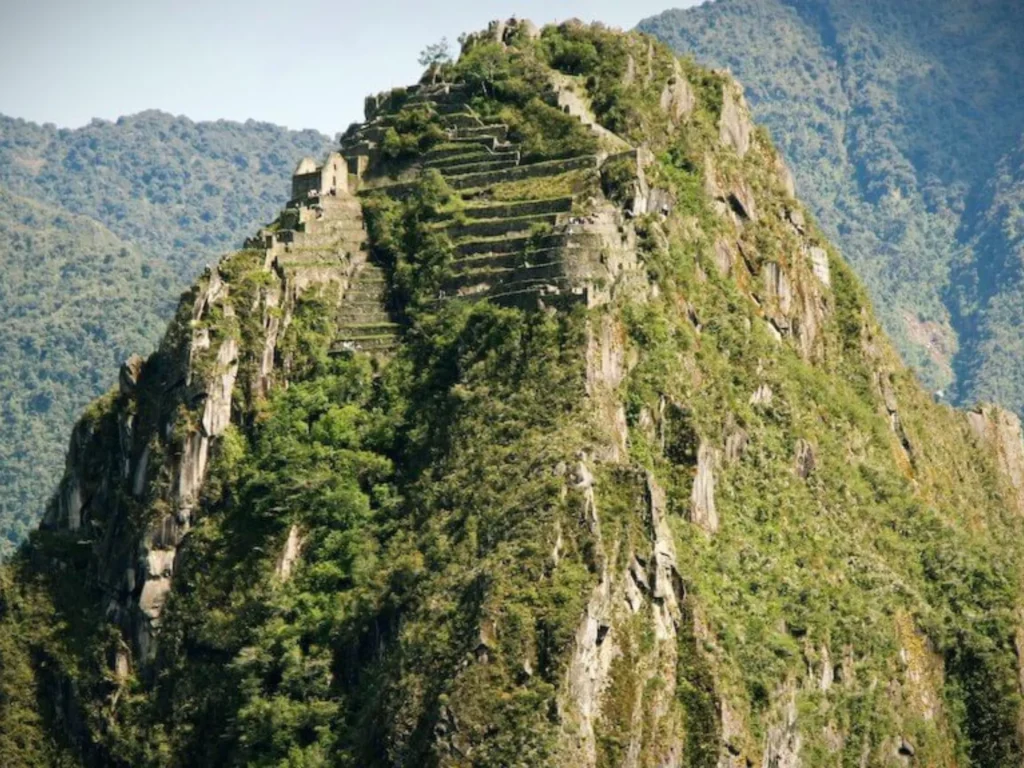
Private Salkantay Trek: A Route Defined by Altitude and Isolation
travel guide Among the various approaches to Machu Picchu, the Salkantay route stands apart for…
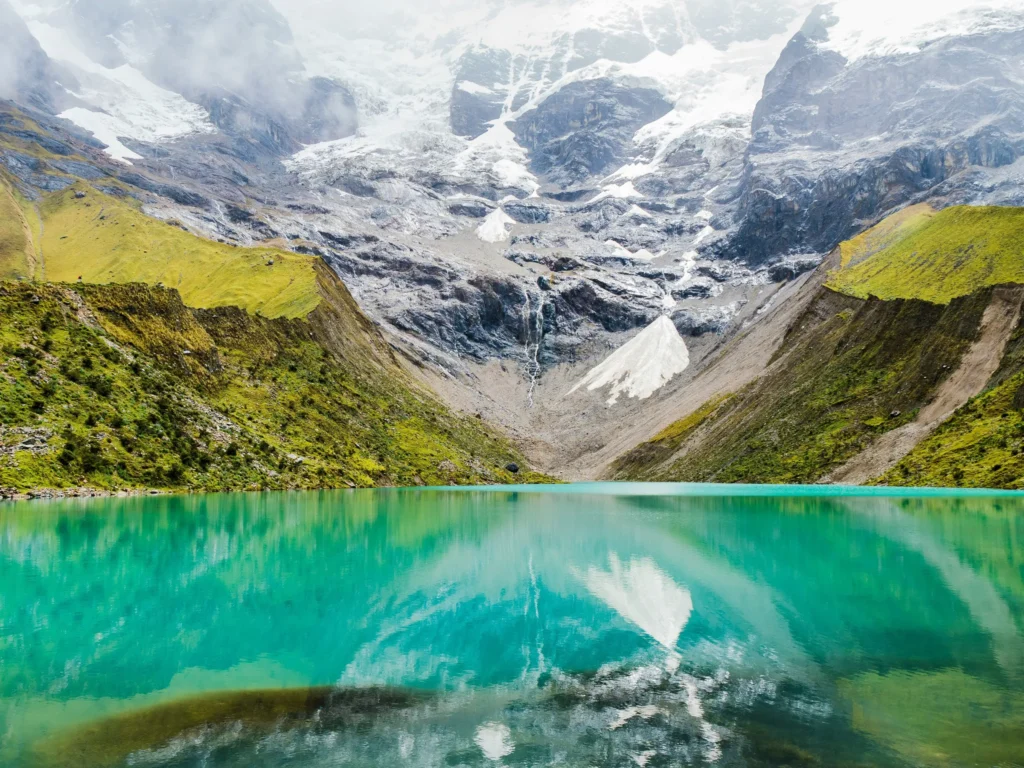
Humantay lake tour from cusco, a High-Altitude Landscape Beneath Salkantay
travel guide The journey to Humantay Lake unfolds within one of the most visually dramatic…
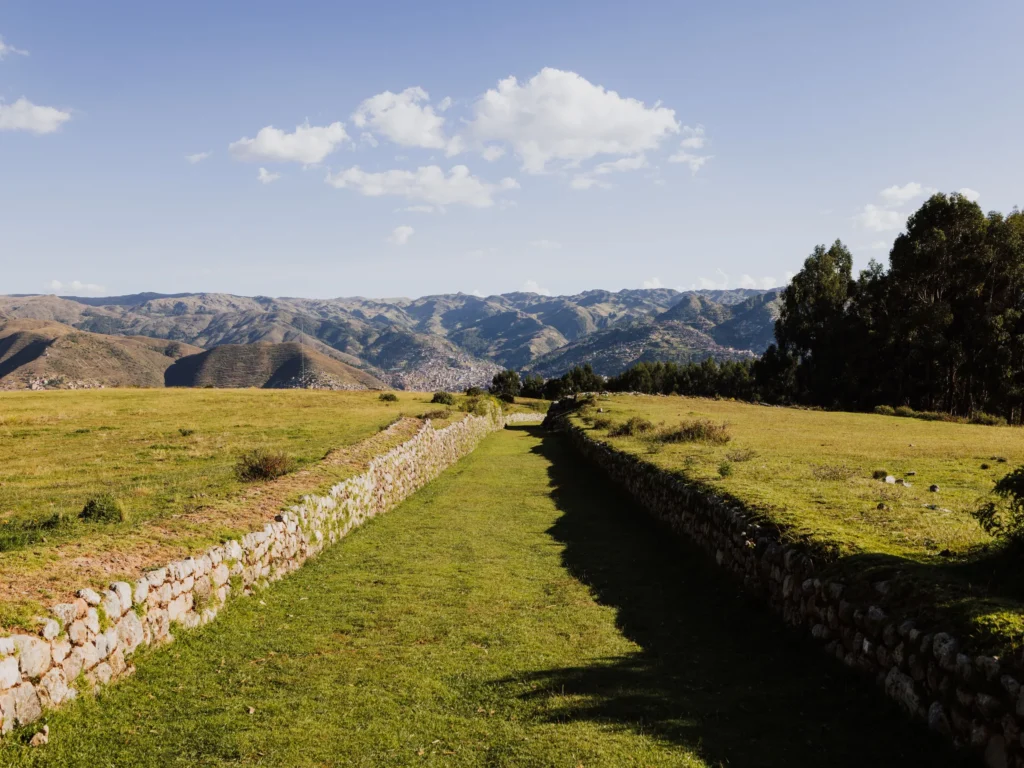
Huchuy Qosqo Trek Cleaning Campaign
Giving Back to the Trails At 6:00 a.m., we left Cusco heading toward Tambomachay (the…
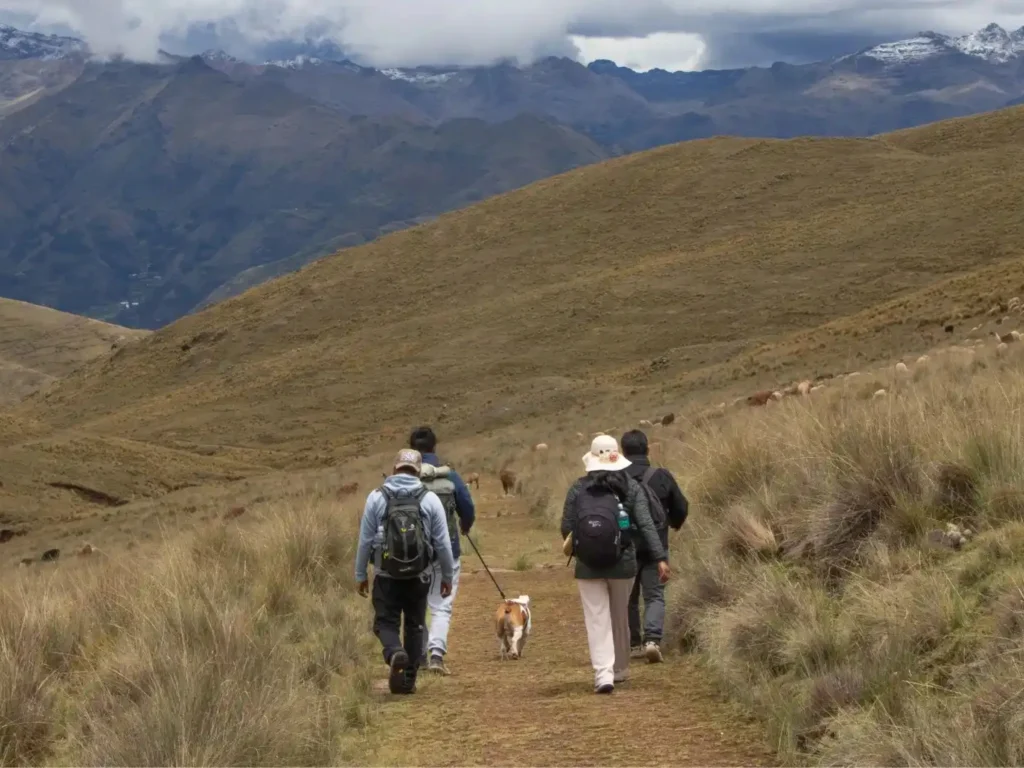
7 Unmissable Day Trips You Should Take When Visiting Cusco
travel guide Cusco is far more than a gateway to Machu Picchu—it’s the cultural and…
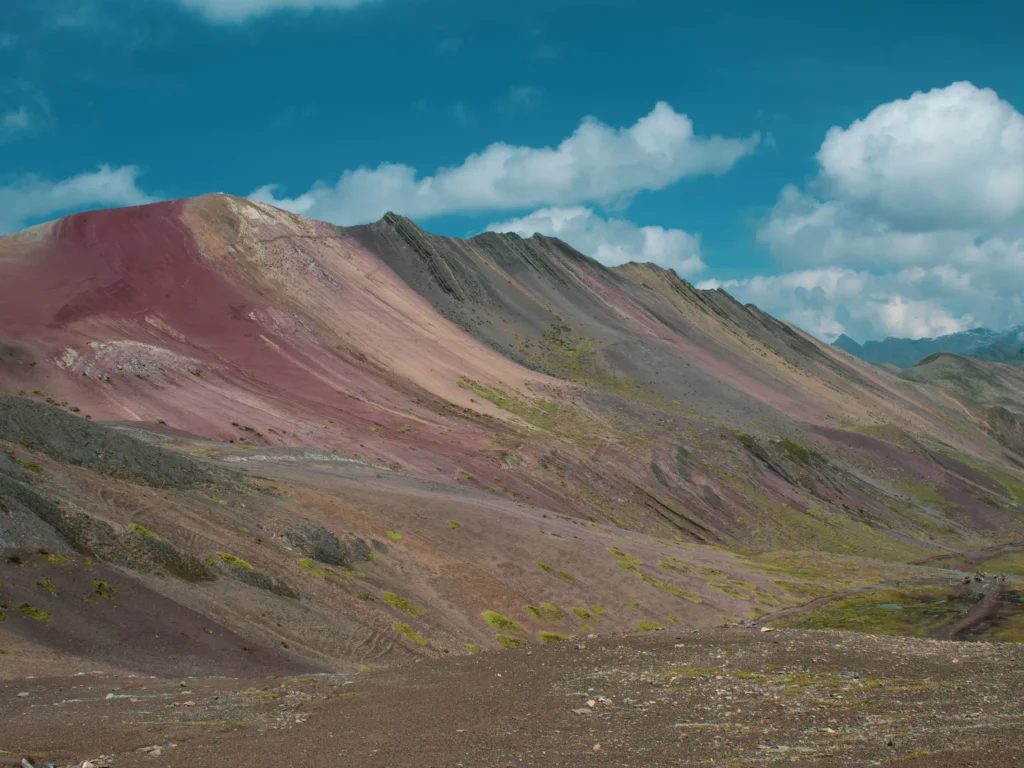
Why Rainbow Mountain is Different in Each Season
travel guide Rainbow Mountain is not a static postcard—it’s a dynamic landscape. Its colors, visibility,…
Recent guides
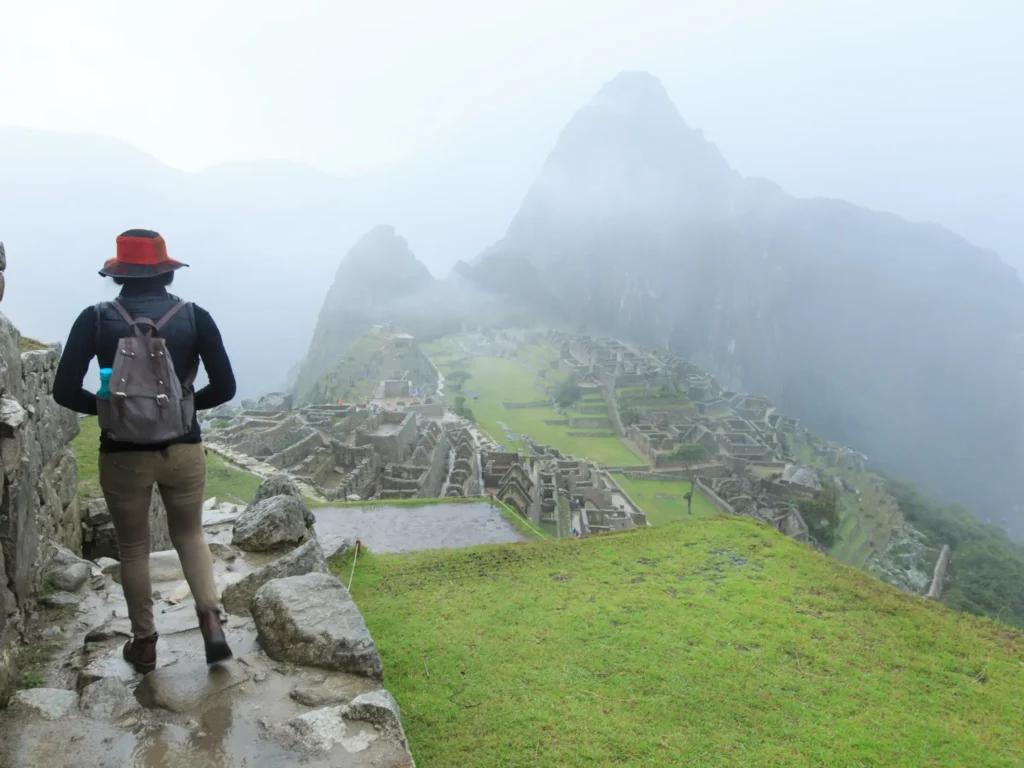
Machu Picchu Circuits Explained
travel guide Which Route Should You Choose? MACHU PICCHU CIRCUITS GUIDE Choosing the right Machu…
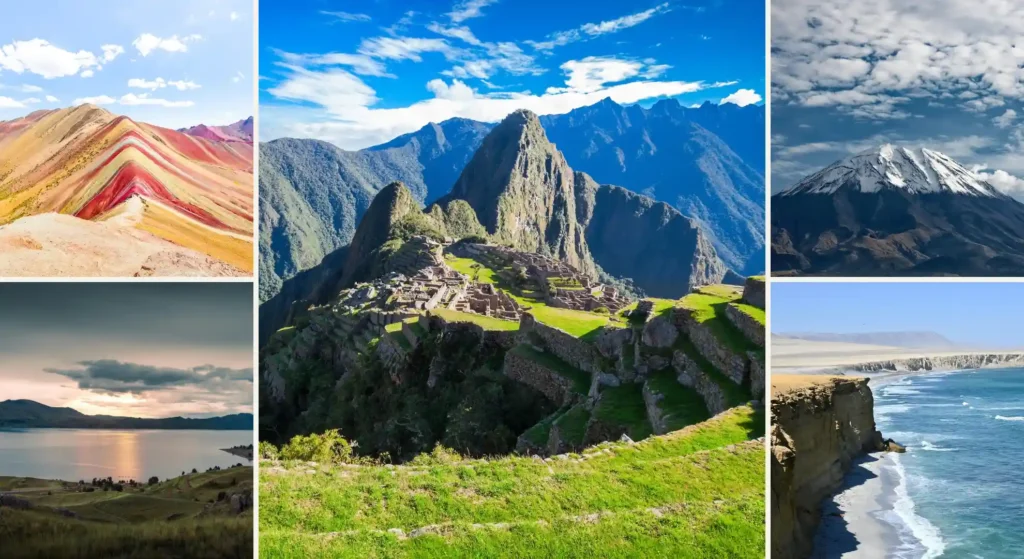
Private Peru Tours
travel guide How to Design a Tailor-Made Journey Through Peru Luxury Machu Picchu tours A…
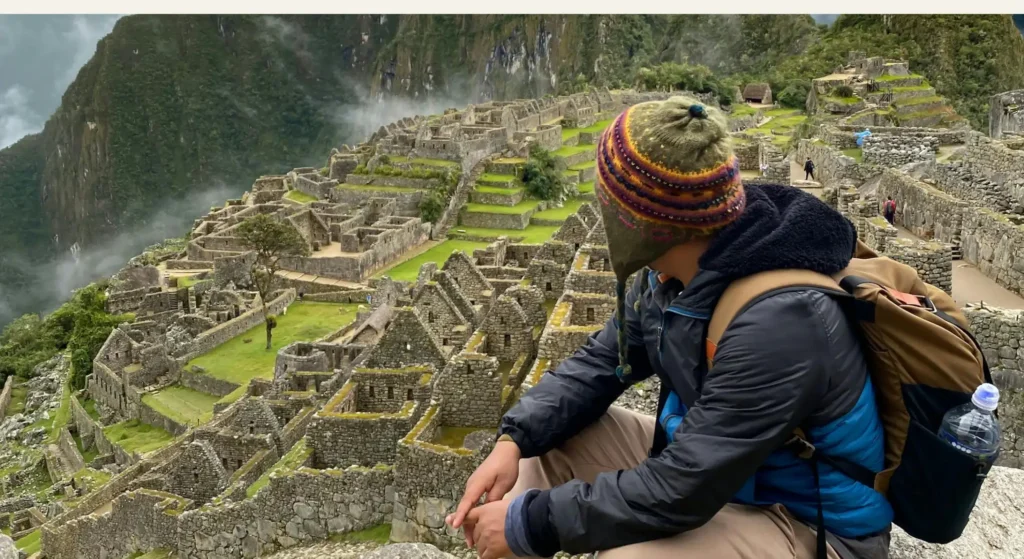
Luxury Machu Picchu Tours
travel guide How to Plan a Private, Seamless & High-End Experience Luxury Machu Picchu tours…
Best Time to Visit Machu Picchu: The Definitive Local Guide to Weather, Crowds, Tickets & Travel Planning
Table of Contents Use this guide to choose the best travel dates for your Machu…
Private tours Cusco: a structured way to explore the historic capital of the Incas
cusco guides To approach Cusco through private tours cusco is to move beyond the visible…
Cusco private tour: A City Built in Layers
travel guide Few cities in South America present such a visible overlap of civilisations as…
Luxury options
Top Luxury Train Options to Machu Picchu
travel guide Discover the finest rail experiences to Machu Picchu, from the legendary Belmond Hiram…
The Railway Through the Andes: Machu Picchu train tour
travel guide The railway that connects the Sacred Valley to Machu Picchu is one of…
The Elegance of the Rails: Experience the Ultimate Machu Picchu Train Tour
travel guide The journey to the heart of the Incan Empire is as much about…
The Definitive Guide to Luxury Exploration: Navigating Machu Picchu Tours from Cusco
travel guide The mist clings to the jagged peaks of the Andes like a silent…
The Art of the Journey: Why Peru Private Tours Define Modern Luxury
travel guide In an era of mass-produced experiences and digital saturation, the true definition of…
Machu Picchu luxury travel
travel guide Luxury trains to Machu Picchu often sell out quickly. Reservations are recommended 3–6…
More Information
Why Rainbow Mountain is Different in Each Season
travel guide Rainbow Mountain is not a static postcard—it’s a dynamic landscape. Its colors, visibility,…
Top Luxury Train Options to Machu Picchu
travel guide Discover the finest rail experiences to Machu Picchu, from the legendary Belmond Hiram…
The Spirit of the Andes: Crafting the Perfect Machu Pichu Tour from Cusco
travel guide There is a specific kind of magic that occurs when the first light…
The Soft Gold of the Andes: An Immersion into Alpaca Tours in Peru
travel guide In the high-altitude heart of the Andes, there is a creature that has…
The Railway Through the Andes: Machu Picchu train tour
travel guide The railway that connects the Sacred Valley to Machu Picchu is one of…
The Enduring Journey: Machu Picchu tours from Cusco
travel guide There are few journeys in South America that carry the same historical weight…
Travel Guide Cusco
Why Rainbow Mountain is Different in Each Season
travel guide Rainbow Mountain is not a static postcard—it’s a dynamic landscape. Its colors, visibility,…
Private tours Cusco: a structured way to explore the historic capital of the Incas
cusco guides To approach Cusco through private tours cusco is to move beyond the visible…
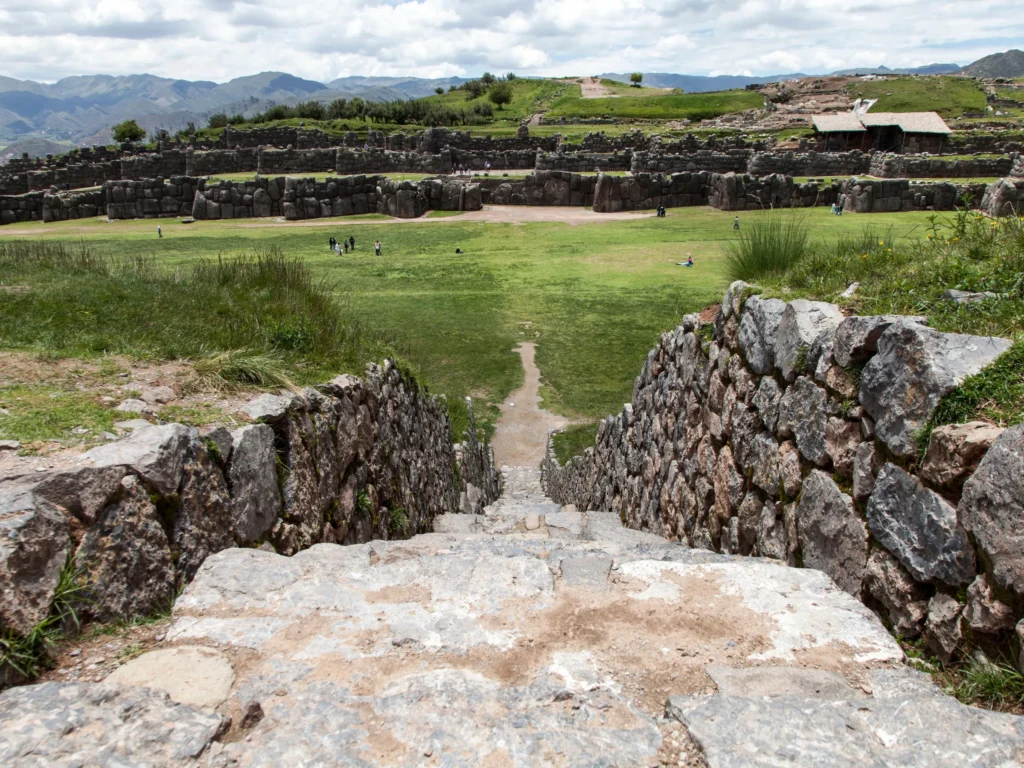
Make the Most of a Short Stay in Cusco
travel guide Make the most of your short stay in Cusco with this expert city…
Humantay lake tour from cusco, a High-Altitude Landscape Beneath Salkantay
travel guide The journey to Humantay Lake unfolds within one of the most visually dramatic…
Cusco private tour: A City Built in Layers
travel guide Few cities in South America present such a visible overlap of civilisations as…
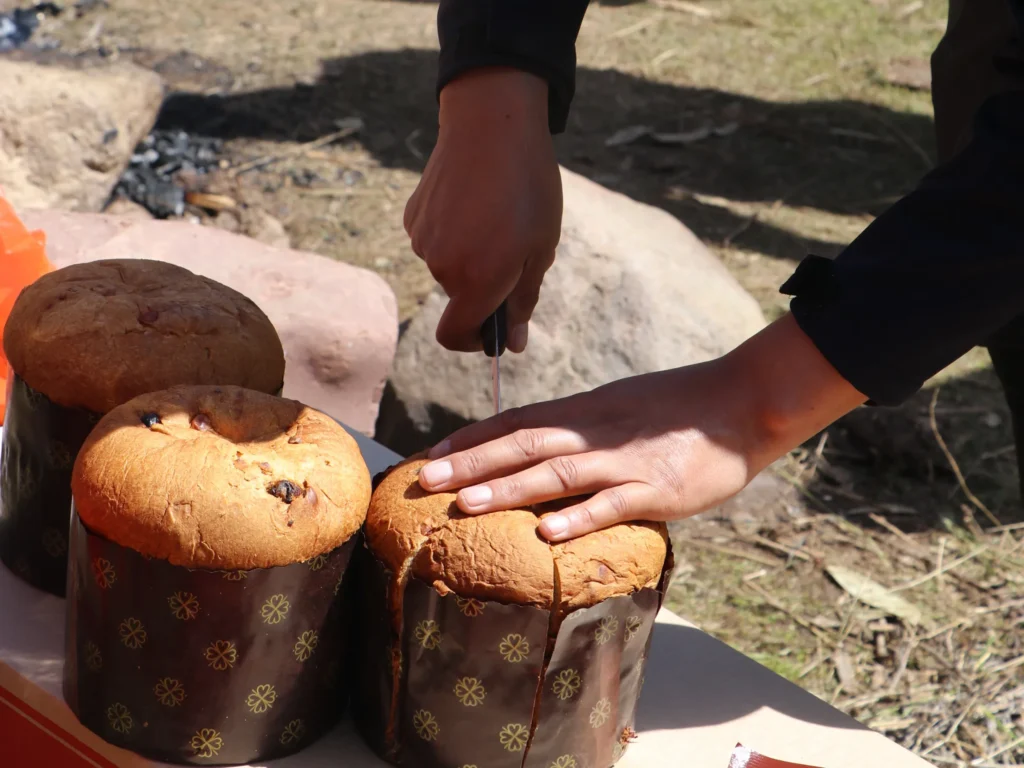
Christmas with children’s of Inca Cancha
travel guide First, Inca Cancha is a small community located in the district of Challabamba,…