

travel guide
Why Rainbow Mountain is Different in Each Season

Rainbow Mountain is not a static postcard—it’s a dynamic landscape. Its colors, visibility, trail conditions, and visitor experience change dramatically across seasons. Below is what travelers see and should expect through the year and how to time a trip for your desired outcome. Cusco has two main seasons, along with a few transitional months throughout the year, which can affect certain aspects of the Rainbow Mountain experience. Dry Season (April / May – September): Clear skies, minimal rain, stable trails, striking visibility. Wet Season (October – March): Frequent rain, cloud cover, mist, muddy paths, potential snow at high altitude. Transitional months (April / October / November) can mix conditions—some good days, some rain.
QUICK SUMMARY

Main Seasons in Cusco and Rainbow Mountain
Cusco has two main seasons, along with a few transitional months throughout the year, which can affect certain aspects of the Rainbow Mountain experience. Dry Season (April / May – September): Clear skies, minimal rain, stable trails, striking visibility. Wet Season (October – March): Frequent rain, cloud cover, mist, muddy paths, potential snow at high altitude. Transitional months (April / October / November) can mix conditions—some good days, some rain.
Color Intensity and Clarity
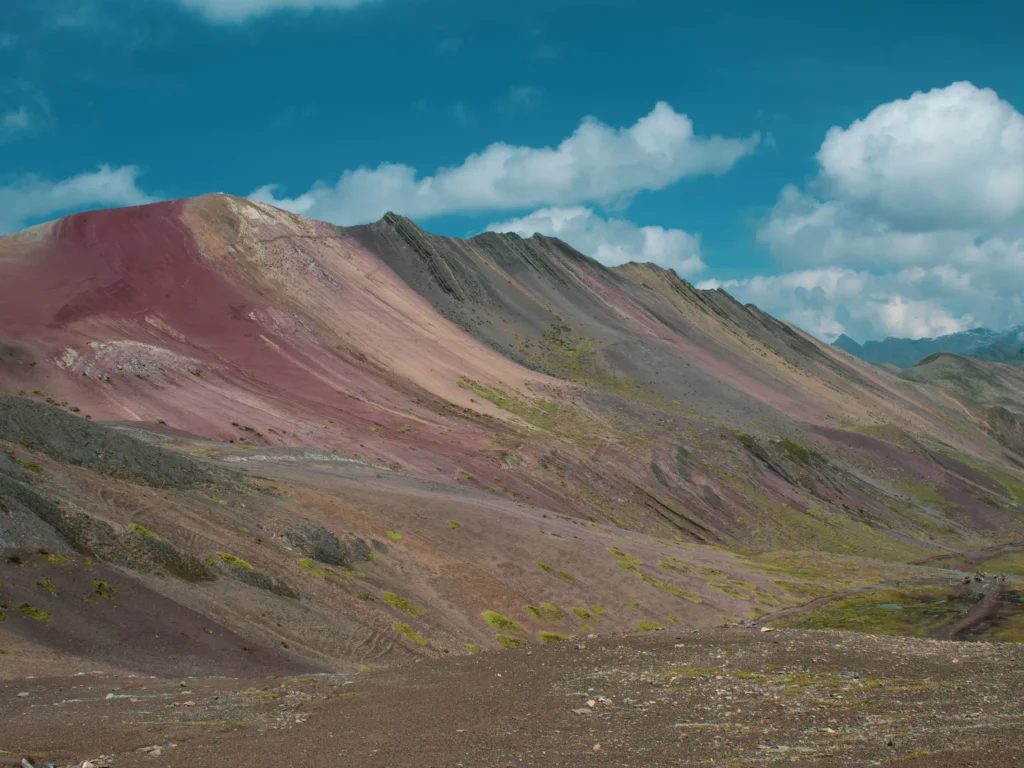
Dry Season (April – September): With more sunlight, less atmospheric moisture, and clearer skies, the mineral bands stand out sharply. Reds, greens, yellows, and other hues are more saturated and visible against a contrasting blue sky. Leading Peru Travel notes that lack of rain and humidity “maximizes saturation of colors.”
Wet Season (October – March): Clouds, mist, or light rain can veil the mountain’s stripes. Minerals may appear muted or washed out. Salkantay Trekking writes that frequent rainfall and cloudiness “can decrease the visibility of the colors. In some cases, snow or ice may partially cover the slopes, hiding the colors temporarily.” Thus, even the same geological formation can look dramatically different when wet versus dry.
Trail Conditions and Accessibility
Dry Season: Trails are firmer, less slippery, and safer to hike. Less risk of landslides or washouts. March to September are described as “optimal conditions” for exploration.
Wet Season: Rainfall softens trails, causes mud, makes higher altitude passes slippery, and occasionally forces route adjustments or delays. Some tour companies even caution visitors about poor visibility or difficulties. In short: wet season means more challenge and risk, while dry season gives more predictable access.
Temperature, Wind and Weather Variability
Because Rainbow Mountain sits over 5,000 meters (≈5,200 m / ~17,060 ft in many accounts), temperatures remain cold year-round, especially early morning or late evening. During dry season, daytime temps may reach ~10–15 °C, but mornings and nights can drop well below freezing (−5 °C or colder). In wet season, humidity increases, storms cause sudden temperature drops, wind may be stronger, and snow or hail is possible at the summit. Because of altitude, you might feel all four seasons in one day—sun, wind, cold, rain.
Crowds and Visitor Experience
Dry Season, Peak Tourist Months: More visitors, more tours, earlier bookings required. The clear views draw crowds. Wet Season, Fewer Tourists: Many avoid going because of risk and obscured views. But for adventurers who don’t mind the weather, there can be more solitude and a more “wild” experience. In transitional months, you may catch fewer crowds and still acceptable views—especially in April or October.
Unique Seasonal Occurrences
Snow Cover and Temporary White-Out: During heavy rain / snowfall (wet months), parts of Rainbow Mountain may be snowed over, hiding stripes. As the sun hits, the snow may melt to reveal the colors beneath. Salkantay Trekking mentions this “half-snow, half-color” phenomenon in some seasons.
Color Reveal After Snow Melt: In periods where the snow recedes, previously hidden bands may appear (in spring/early dry season) as more layers emerge. This makes early dry season (April–May) interesting.
Flora and Fauna Variations: After rains, pasture grasses, flowers, and wetlands may be more vibrant in surrounding landscapes, contrasting with the mountain’s stripes. This can amplify the visual setting.
Understanding the Dynamic Landscape
Rainbow Mountain is not a static postcard—it’s a dynamic landscape. Its colors, visibility, trail conditions, and visitor experience change dramatically across seasons. Below is what travelers see and should expect through the year and how to time a trip for your desired outcome.
Final Thoughts
Rainbow Mountain is not a static postcard—it’s a dynamic landscape. Its colors, visibility, trail conditions, and visitor experience change dramatically across seasons. Understanding these seasonal variations is essential for timing your visit to match your desired outcome. Whether you seek the striking visibility of the dry season, the solitude of the wet season, or the unique phenomena of transitional months, each season offers a distinct interpretation of this remarkable Andean formation.
Frequently Asked Questions
Related Guides
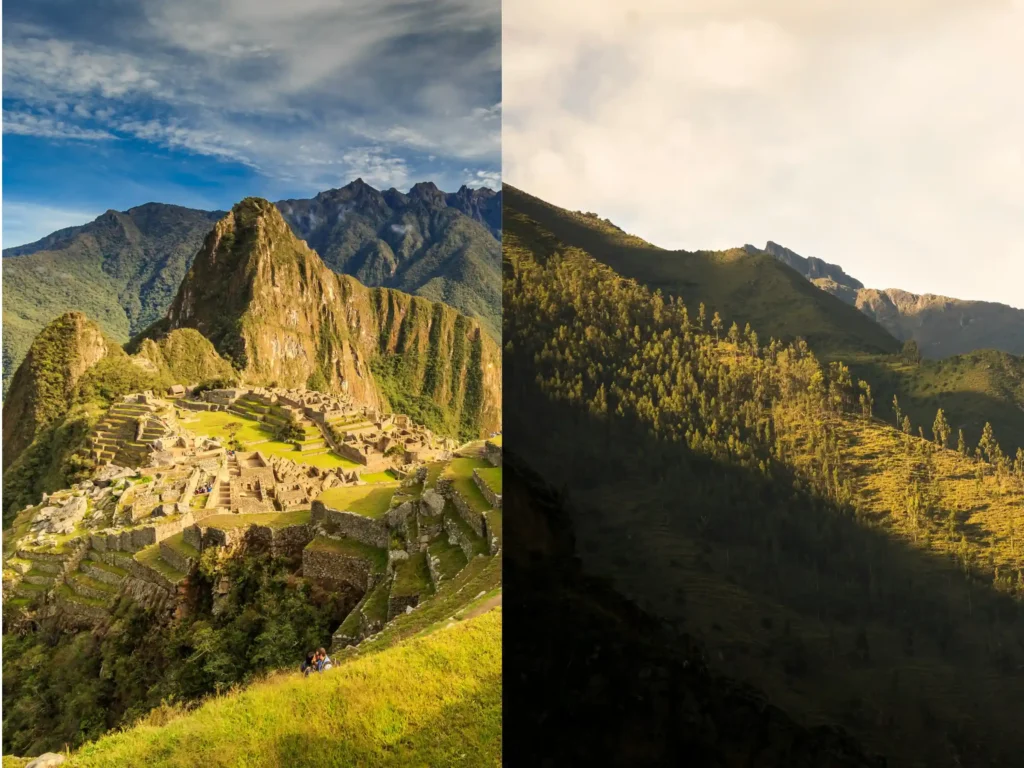
Sacred Valley and Machu Picchu 2 Day Tour from Cusco
Chinchero | Moray | Maras Salt Mines | Sacred Valley Picnic Lunch | Ollantaytambo |…
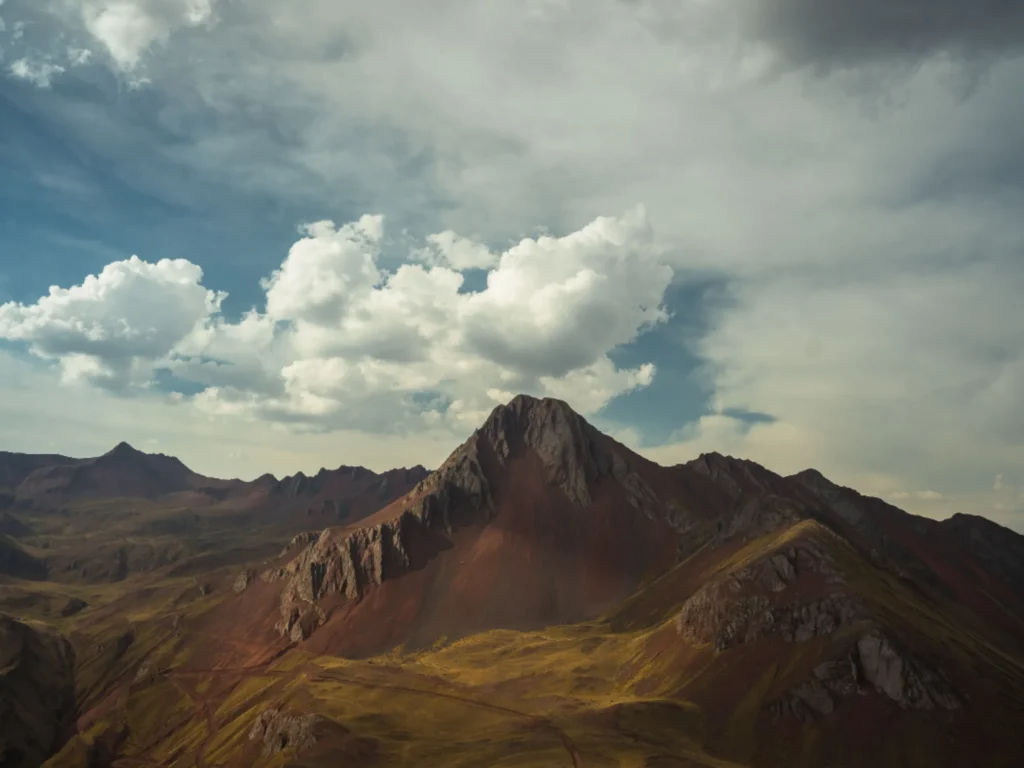
Palcoyo Mountain Tour from Cusco
ALTERNATIVE RAINBOW MOUNTAIN Palcoyo offers fewer crowds, a more gradual path and equally impressive scenery…
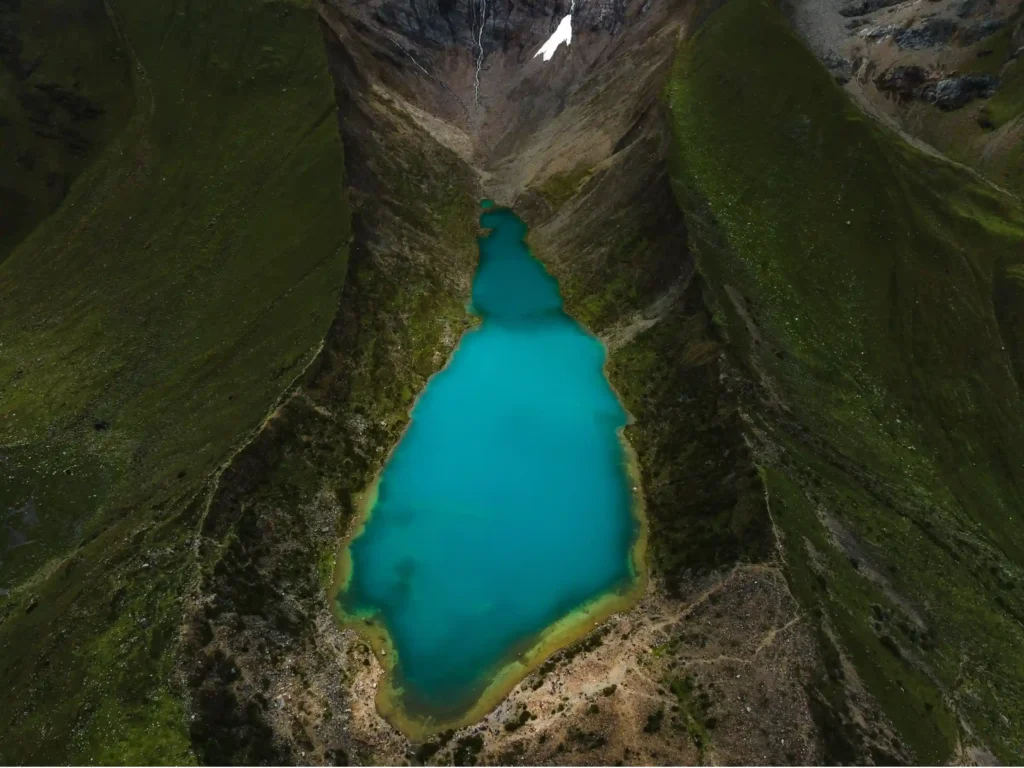
Humantay Lake Tour from Cusco
TURQUOISE LAKE IN THE ANDES This full-day Humantay Lake day trip from Cusco combines mountain…
Recent guides
Machu Picchu Circuits Explained
travel guide Which Route Should You Choose? MACHU PICCHU CIRCUITS GUIDE Choosing the right Machu…
Private Peru Tours
travel guide How to Design a Tailor-Made Journey Through Peru Luxury Machu Picchu tours A…
Luxury Machu Picchu Tours
travel guide How to Plan a Private, Seamless & High-End Experience Luxury Machu Picchu tours…
Best Time to Visit Machu Picchu: The Definitive Local Guide to Weather, Crowds, Tickets & Travel Planning
Table of Contents Use this guide to choose the best travel dates for your Machu…
Private tours Cusco: a structured way to explore the historic capital of the Incas
cusco guides To approach Cusco through private tours cusco is to move beyond the visible…
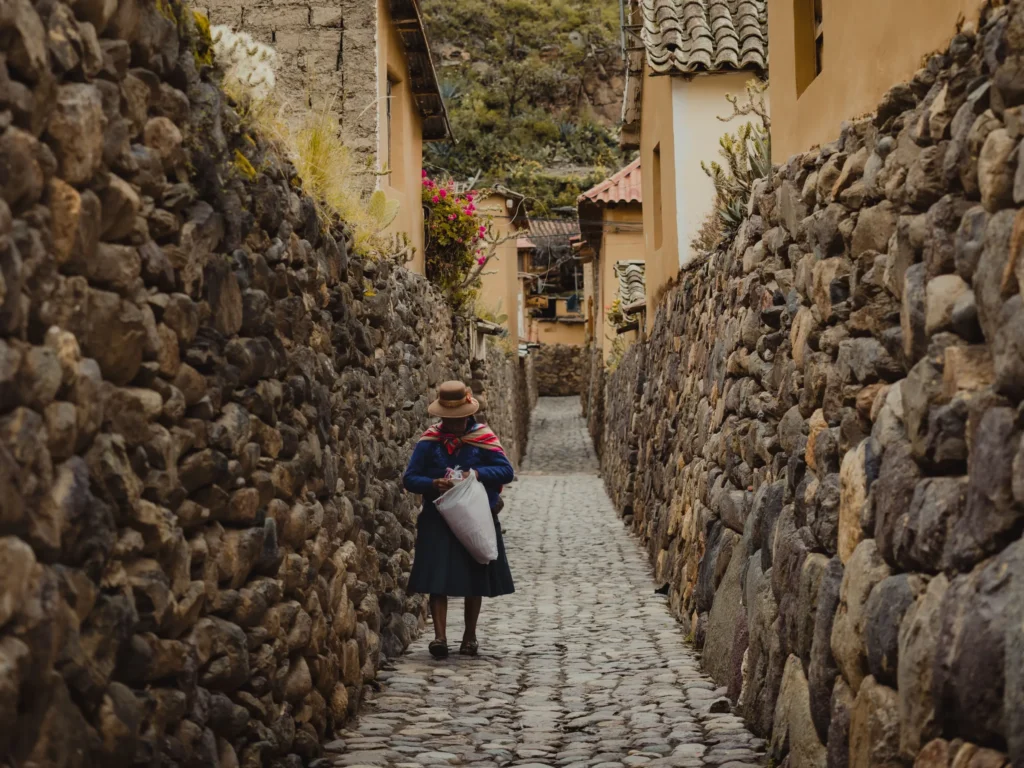
Cusco private tour: A City Built in Layers
travel guide Few cities in South America present such a visible overlap of civilisations as…
Luxury options

Top Luxury Train Options to Machu Picchu
travel guide Discover the finest rail experiences to Machu Picchu, from the legendary Belmond Hiram…
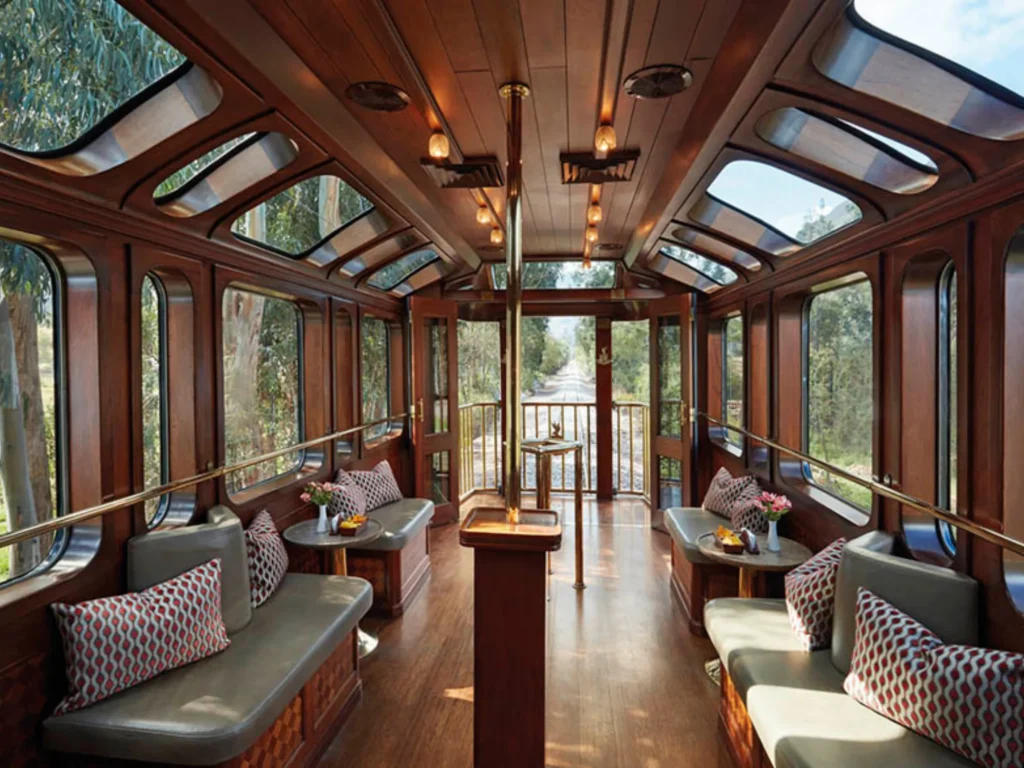
The Railway Through the Andes: Machu Picchu train tour
travel guide The railway that connects the Sacred Valley to Machu Picchu is one of…
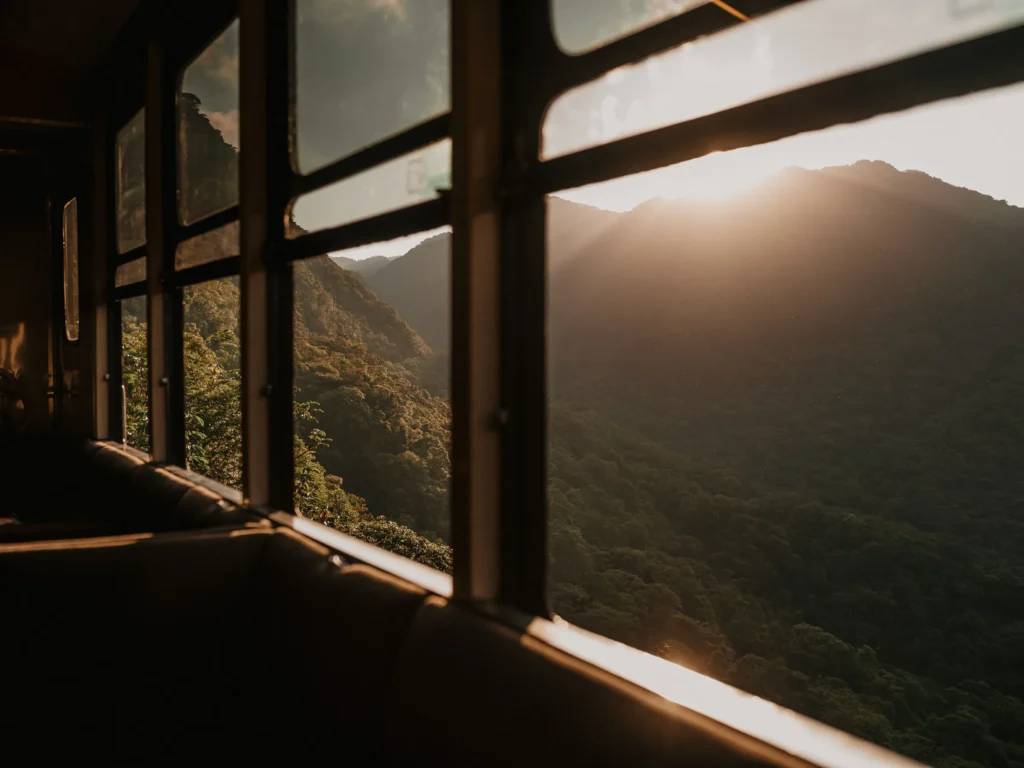
The Elegance of the Rails: Experience the Ultimate Machu Picchu Train Tour
travel guide The journey to the heart of the Incan Empire is as much about…
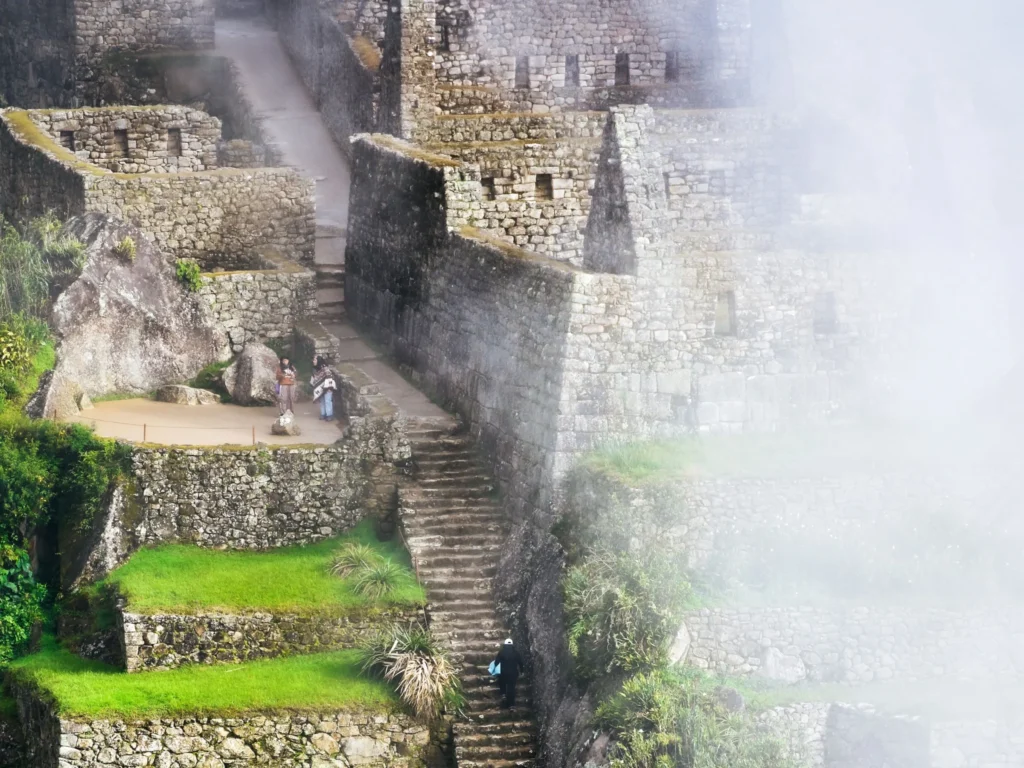
The Definitive Guide to Luxury Exploration: Navigating Machu Picchu Tours from Cusco
travel guide The mist clings to the jagged peaks of the Andes like a silent…
The Art of the Journey: Why Peru Private Tours Define Modern Luxury
travel guide In an era of mass-produced experiences and digital saturation, the true definition of…
Machu Picchu luxury travel
travel guide Luxury trains to Machu Picchu often sell out quickly. Reservations are recommended 3–6…
More Information
Why Rainbow Mountain is Different in Each Season
travel guide Rainbow Mountain is not a static postcard—it’s a dynamic landscape. Its colors, visibility,…
Top Luxury Train Options to Machu Picchu
travel guide Discover the finest rail experiences to Machu Picchu, from the legendary Belmond Hiram…
The Spirit of the Andes: Crafting the Perfect Machu Pichu Tour from Cusco
travel guide There is a specific kind of magic that occurs when the first light…
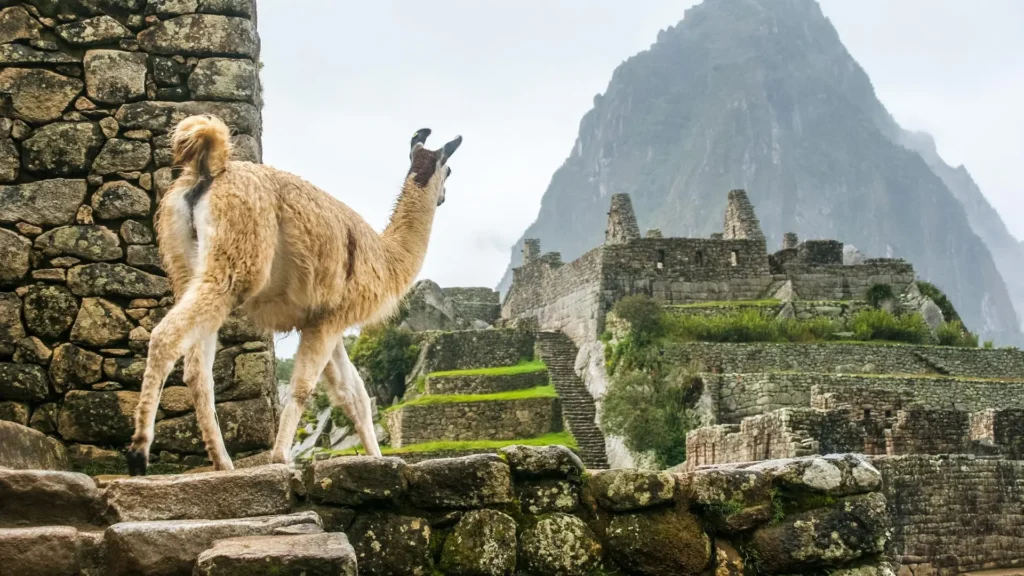
The Soft Gold of the Andes: An Immersion into Alpaca Tours in Peru
travel guide In the high-altitude heart of the Andes, there is a creature that has…
The Railway Through the Andes: Machu Picchu train tour
travel guide The railway that connects the Sacred Valley to Machu Picchu is one of…
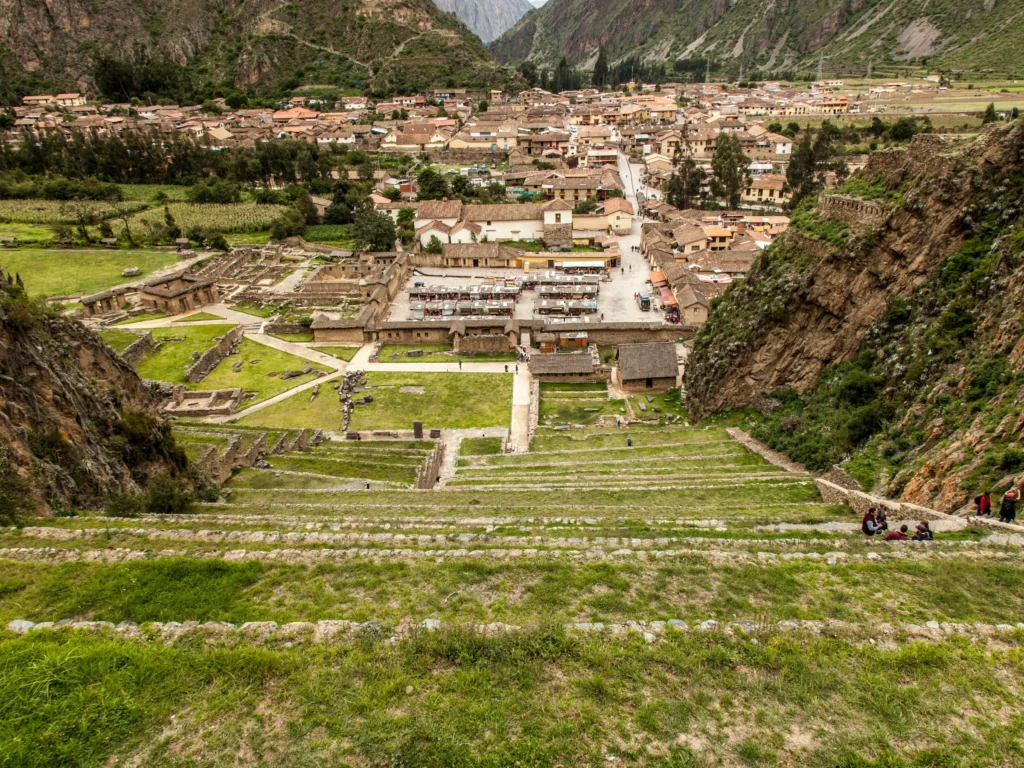
The Enduring Journey: Machu Picchu tours from Cusco
travel guide There are few journeys in South America that carry the same historical weight…
Travel Guide Cusco
Why Rainbow Mountain is Different in Each Season
travel guide Rainbow Mountain is not a static postcard—it’s a dynamic landscape. Its colors, visibility,…
Private tours Cusco: a structured way to explore the historic capital of the Incas
cusco guides To approach Cusco through private tours cusco is to move beyond the visible…
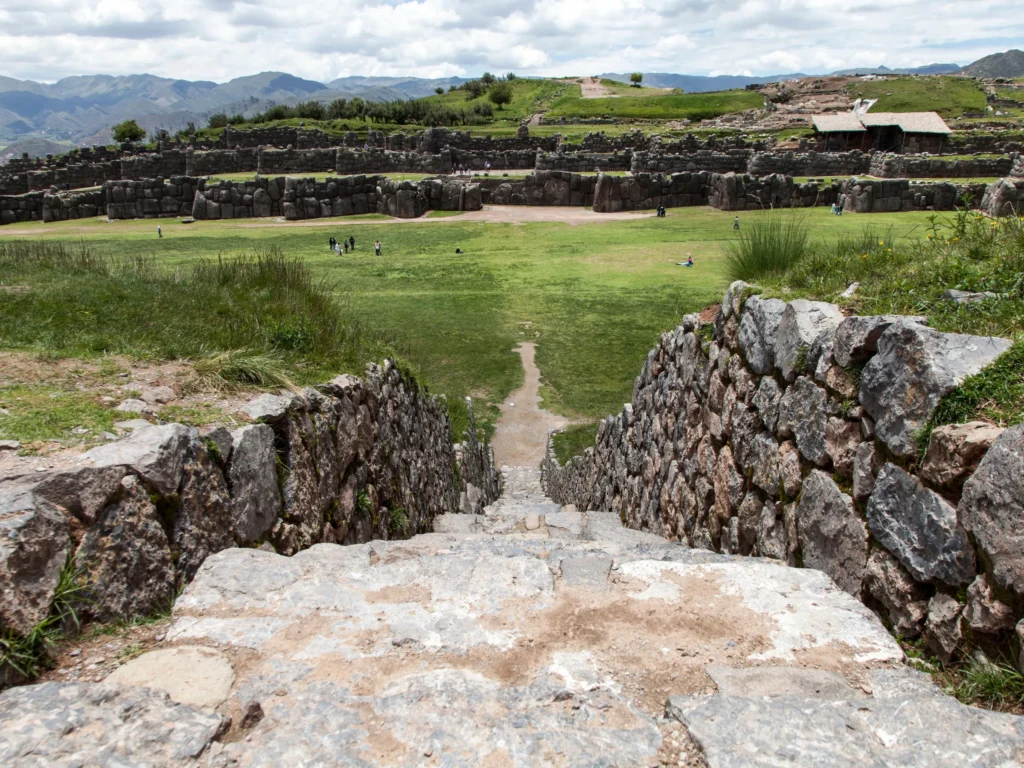
Make the Most of a Short Stay in Cusco
travel guide Make the most of your short stay in Cusco with this expert city…
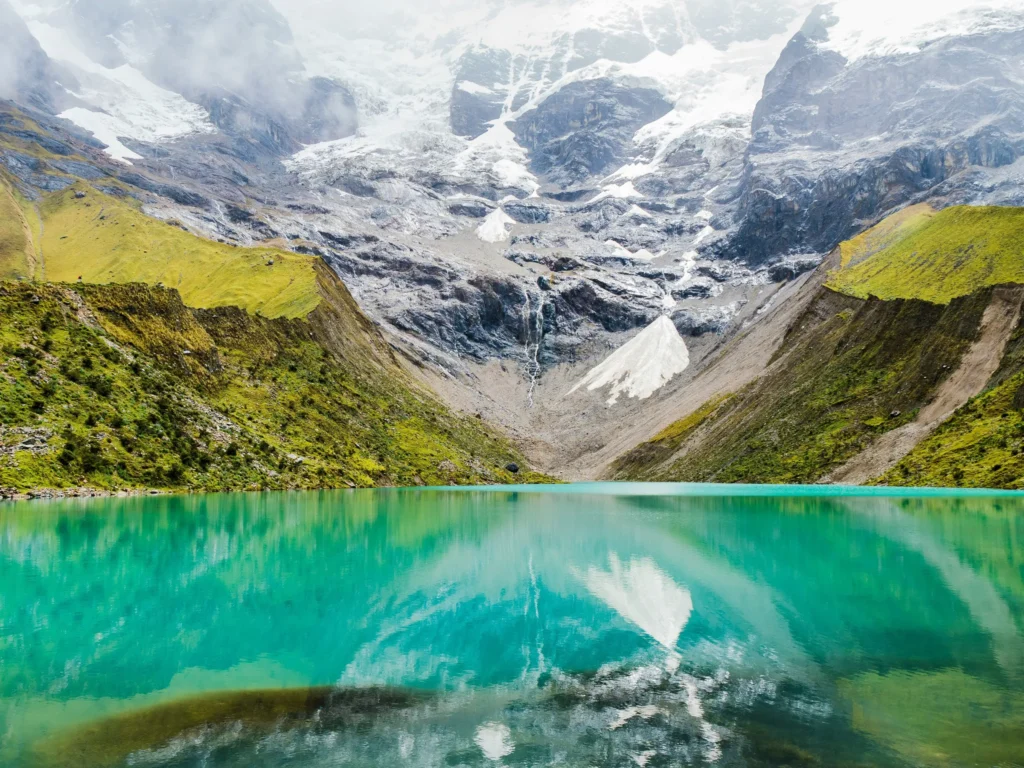
Humantay lake tour from cusco, a High-Altitude Landscape Beneath Salkantay
travel guide The journey to Humantay Lake unfolds within one of the most visually dramatic…
Cusco private tour: A City Built in Layers
travel guide Few cities in South America present such a visible overlap of civilisations as…
Christmas with children’s of Inca Cancha
travel guide First, Inca Cancha is a small community located in the district of Challabamba,…