

travel guide
The Soft Gold of the Andes: An Immersion into Alpaca Tours in Peru

In the high-altitude heart of the Andes, there is a creature that has been central to human survival and spirituality for over five thousand years. The alpaca is more than just an animal; it is a symbol of the mountains, a source of incredible warmth, and a vital part of the cultural fabric of Peru. For the sophisticated traveler, exploring this connection through dedicated alpaca tours in peru offers a unique window into the soul of the country. This is not merely a wildlife viewing experience; it is an exploration of ancient traditions, sustainable luxury, and the delicate balance between man and nature in one of the world’s most challenging environments.
QUICK SUMARY
- The Story of the Alpaca
- The Farm-to-Fashion Journey of High-End Alpaca Tours in Peru
- The Benefits of Adding Alpaca Tours to Your Cusco and Arequipa Journey
- Safety, Authenticity, and Cultural Connection
- Understanding Resilience Through the Story of the Alpaca
- The Essence of Experiential Tourism
- Final Thoughts
- Frequently Asked Questions
- Related Guides
- The Story of the Alpaca
- The Farm-to-Fashion Journey of High-End Alpaca Tours in Peru
- The Benefits of Adding Alpaca Tours to Your Cusco and Arequipa Journey
- Safety, Authenticity, and Cultural Connection
- Understanding Resilience Through the Story of the Alpaca
- The Essence of Experiential Tourism
- Final Thoughts
- Frequently Asked Questions
- Related Guides

The Story of the Alpaca
The story of the alpaca begins in the pre-Incan era, where they were domesticated from the wild vicuña. Incan royalty prized the wool—often called the “Fiber of the Gods”—for its incredible softness, lightness, and thermal properties. Today, when you embark on alpaca tours in peru, you are tracing this lineage. A private journey takes you into the high “puna” grasslands, where the air is thin and the landscape is a tapestry of ochre and gold. Here, you see the herds grazing as they have for millennia, tended by shepherds whose way of life has remained remarkably unchanged. This is experiential travel at its most authentic: witnessing the source of a luxury product in its natural, rugged habitat.
The Farm-to-Fashion Journey of High-End Alpaca Tours in Peru
A high-end approach to alpaca tours in peru focuses on the “farm-to-fashion” narrative. This often begins with a visit to a specialized breeding center or a private ranch (hacienda) that focuses on the conservation of genetic diversity. Unlike mass-tourism stops, these private visits allow for a deep dive into the science of the wool. You learn the difference between “Huacaya” alpacas, with their dense, crimpy fleece, and the rarer “Suri” alpacas, whose wool hangs in long, silky locks. Your private guide, an expert in both history and biology, explains how the animal’s physiology is perfectly adapted to the extreme temperature swings of the Andes.
The cultural immersion deepens when you visit the weaving communities that transform this “soft gold” into art. On bespoke alpaca tours in peru, you are invited into the homes or cooperatives of master weavers in villages like Awanakancha or Chinchero. Here, the process is revealed in its slow, meditative beauty. You see the natural dyes being created from local minerals, plants, and insects—like the bright crimson from the cochineal beetle. You watch the backstrap looms being set up, a technology that predates the Spanish conquest. This is a visceral connection to the past. When you hold a finished textile, you understand the hundreds of hours of labor and the generations of knowledge woven into every thread.
The Benefits of Adding Alpaca Tours to Your Cusco and Arequipa Journey
Logistically, alpaca tours in peru can be integrated into a broader exploration of the Cusco or Arequipa regions. Arequipa, in particular, is the global hub of the alpaca industry, where the finest processing mills are located. A private tour can include a visit to these facilities, where traditional knowledge meets modern quality control. You might even visit a high-end boutique where the wool is fashioned into contemporary garments that wouldn’t look out of place on the runways of Milan or London. This full-circle perspective—from the high-altitude herd to the finished luxury garment—is what makes these tours so compelling.
The emotional value of these encounters is profound. There is a gentleness to the alpaca that is reflected in the people who care for them. On alpaca tours in peru, you often have the chance to interact directly with the animals, feeling the incredible softness of their wool and witnessing their curious, peaceful nature. For families traveling with children, this is a highlight of the trip, providing a tangible and joyful connection to the Andean landscape. For the solo traveler or couple, it is a moment of quiet reflection on the enduring power of tradition.
Safety, Authenticity, and Cultural Connection
Safety and comfort are, as always, prioritized in a private setting. High-altitude excursions to see the herds are conducted in luxury vehicles with professional drivers. Guides ensure that the pace is appropriate for the altitude, and they provide the cultural context that makes every interaction meaningful. They act as translators, allowing for genuine conversations with the shepherds and weavers. Without this bridge, the experience would remain on the surface; with it, it becomes a genuine human connection.
Comparing specialized alpaca tours in peru to a quick stop at a roadside market is like comparing a tailored suit to something off the rack. The roadside stops often sell “alpaca” that is actually a blend of acrylic and wool. A private tour ensures authenticity. You are buying directly from the source or from reputable cooperatives that ensure a fair wage for the artisans. This transparency is a key component of the luxury experience; it provides the peace of mind that your visit is contributing positively to the local economy and the preservation of Incan heritage
Understanding Resilience Through the Story of the Alpaca
The narrative of the alpaca is also a narrative of resilience. During the Spanish conquest, the alpaca population was nearly decimated as the invaders prioritized European sheep and cattle. The animals survived because they were taken higher into the mountains, to the “puna” where the Spanish wouldn’t go. Today, the alpaca is a symbol of Andean pride and a key driver of the rural economy. When you engage in alpaca tours in peru, you are supporting this resilience. You are participating in a story of survival and rebirth.
The Essence of Experiential Tourism
As you sit in a luxury lodge in the Sacred Valley, wrapped in a fine alpaca throw as the sun sets over the peaks, the connection becomes complete. You have seen the herds in the high mountains, you have watched the master weavers at their looms, and you now feel the warmth of the finished product. This is the essence of experiential tourism—a journey that engages the mind, the heart, and the senses. alpaca tours in peru offer a unique, sophisticated way to experience the Andes, leaving you with a deep appreciation for the “Fiber of the Gods” and the people who have guarded it for millennia.
Final Thoughts
The alpaca is more than just an animal; it is a symbol of the mountains, a source of incredible warmth, and a vital part of the cultural fabric of Peru. For the sophisticated traveler, exploring this connection through dedicated alpaca tours in peru offers a unique window into the soul of the country. This is an exploration of ancient traditions, sustainable luxury, and the delicate balance between man and nature in one of the world’s most challenging environments. The story of the alpaca is a story of survival and rebirth, and by engaging with it, you become part of a narrative that spans millennia.
Frequently Asked Questions
Related Guides
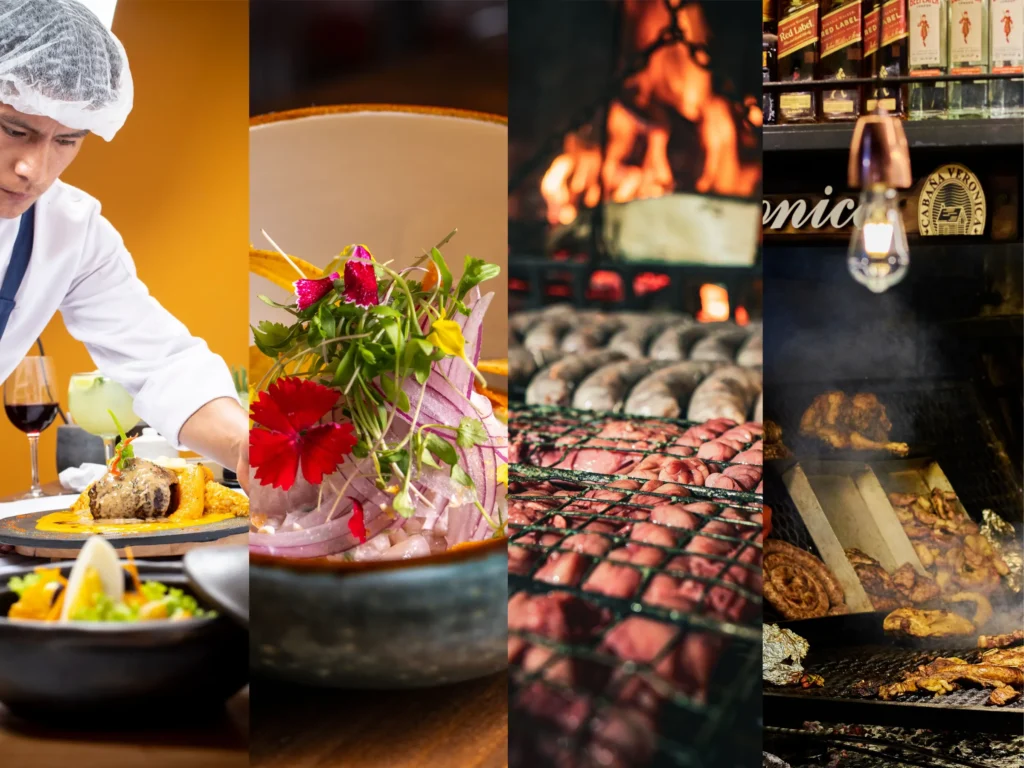
Protected: Lima Cooking Class & Market Visit
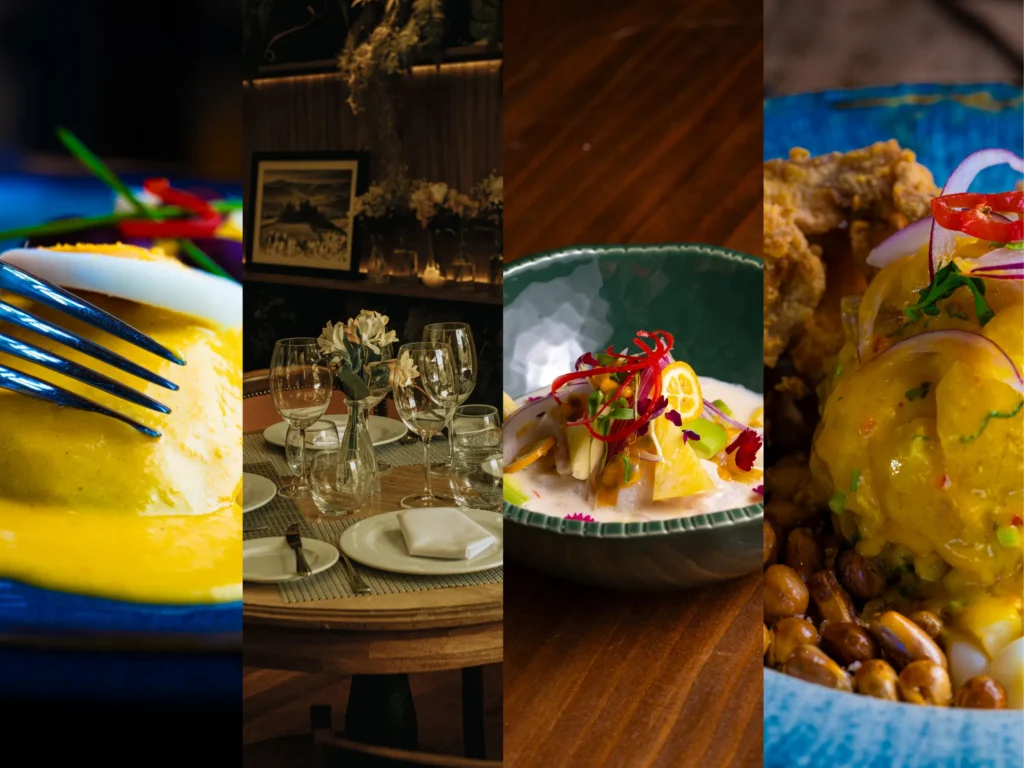
Protected: Central Restaurant Lima Culinary Experience
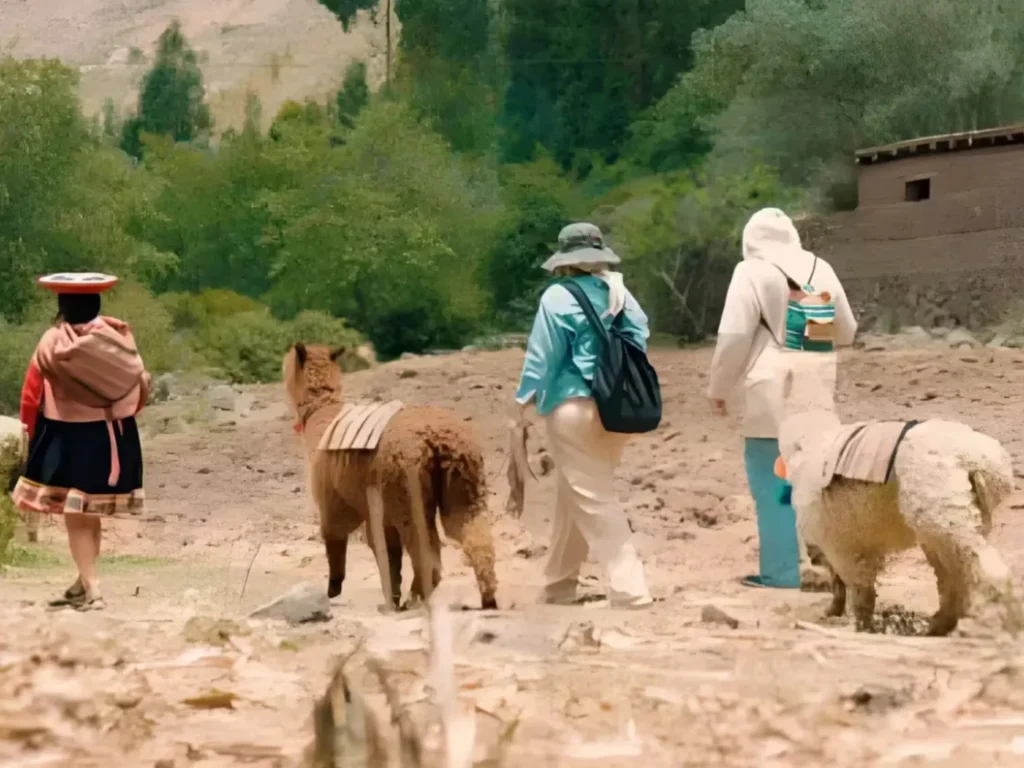
Alpaca Walking Tour in the Sacred Valley
NATURAL DYE EXPERIENCE Walk through the Sacred Valley of the Incas with your own alpaca…
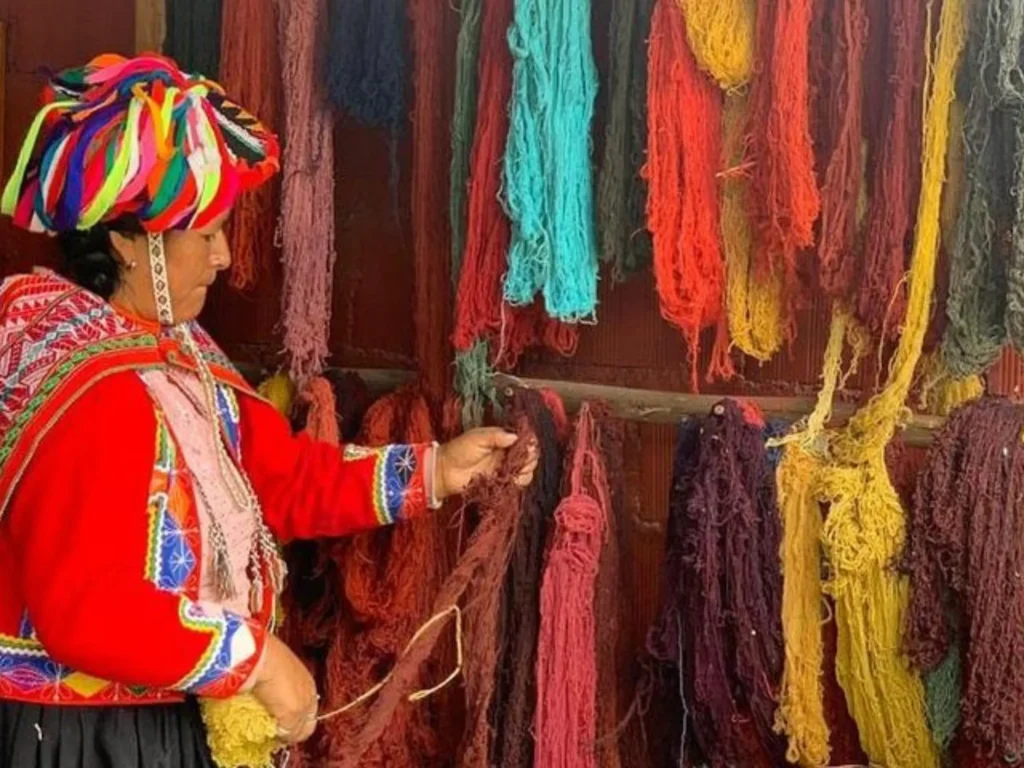
Sacred Valley Textile Workshop
Sacred Valley Textile Workshop with a UNESCO Master Weaver Deep in the Sacred Valley of…
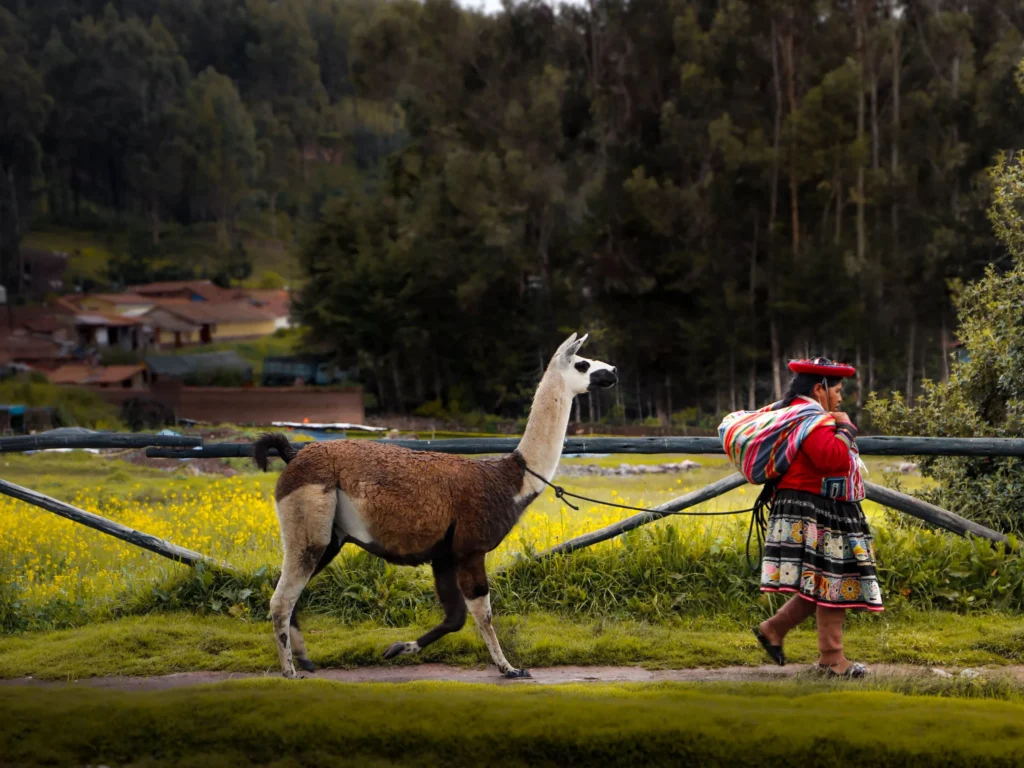
Alpaca Half Day Tour in the Sacred Valley
Alpaca Half Day Tour Join our gentle 3-hour alpaca walking tour in the Sacred Valley…
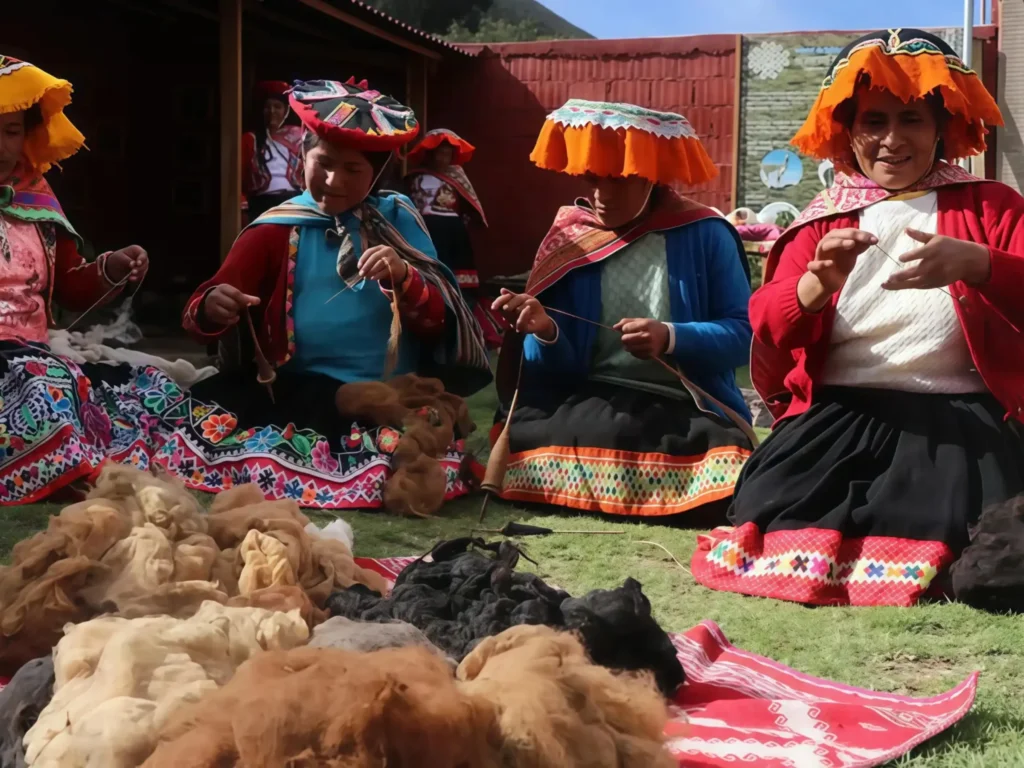
Sacred Valley Natural Dyeing Workshop
Half-Day Experience Explore the Sacred Valley of the Incas and discover how Andean families still…
Recent guides
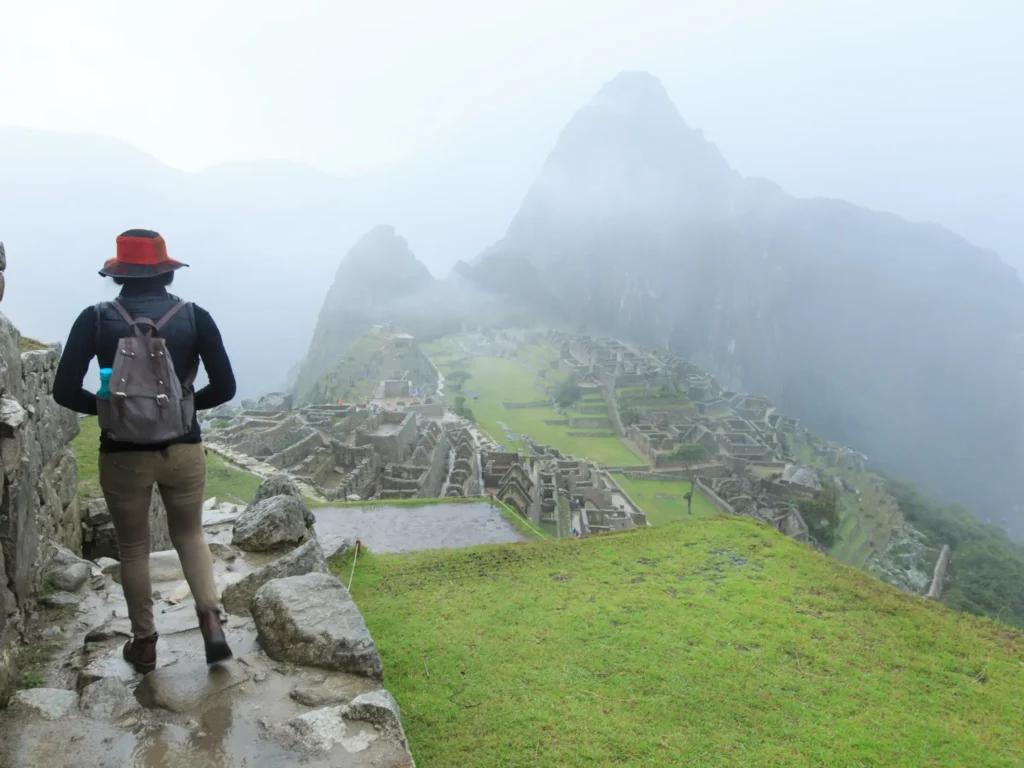
Machu Picchu Circuits Explained
travel guide Which Route Should You Choose? MACHU PICCHU CIRCUITS GUIDE Choosing the right Machu…
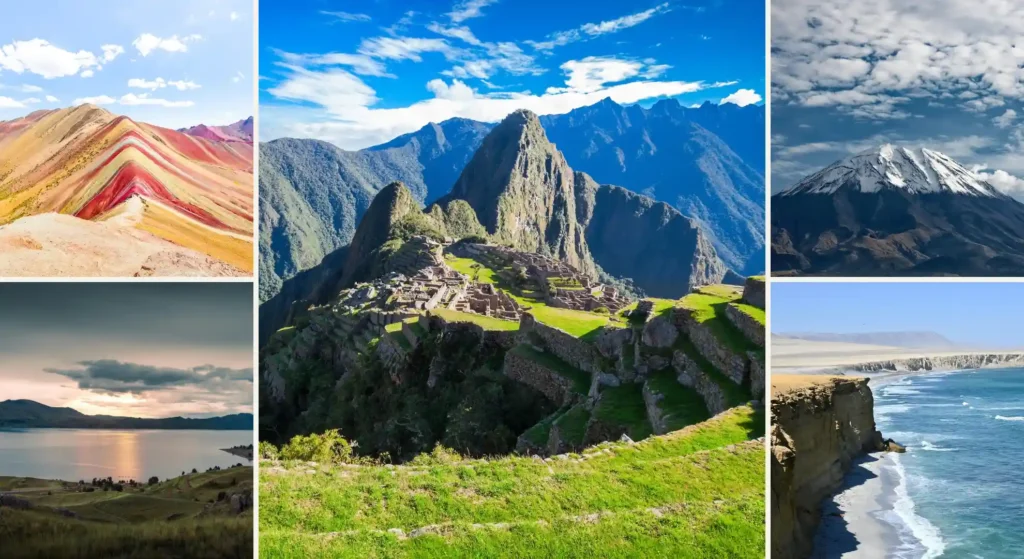
Private Peru Tours
travel guide How to Design a Tailor-Made Journey Through Peru Luxury Machu Picchu tours A…
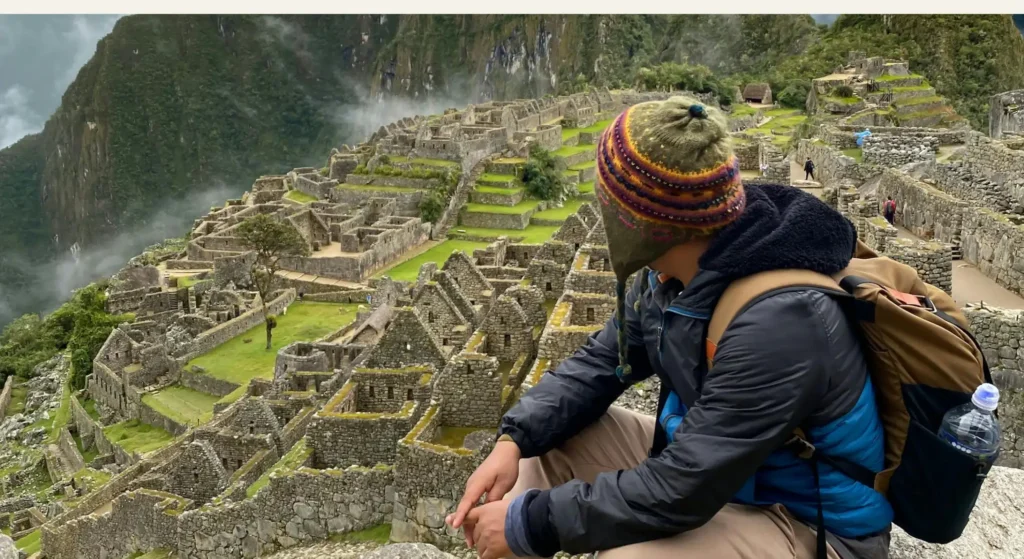
Luxury Machu Picchu Tours
travel guide How to Plan a Private, Seamless & High-End Experience Luxury Machu Picchu tours…
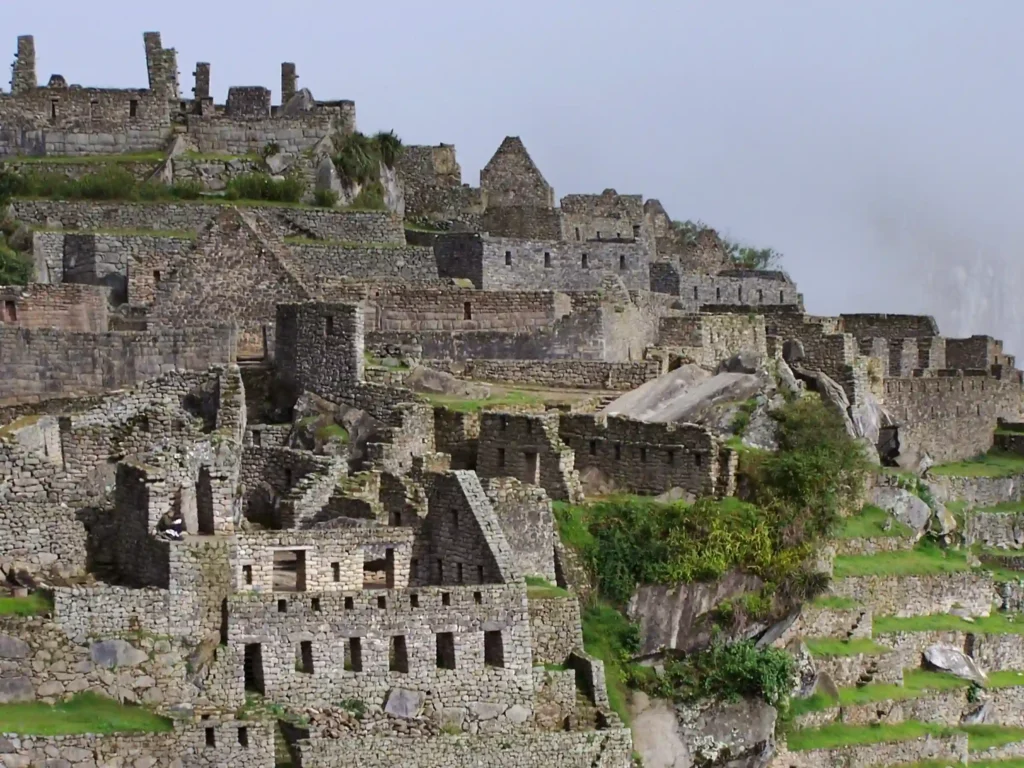
Best Time to Visit Machu Picchu: The Definitive Local Guide to Weather, Crowds, Tickets & Travel Planning
Table of Contents Use this guide to choose the best travel dates for your Machu…
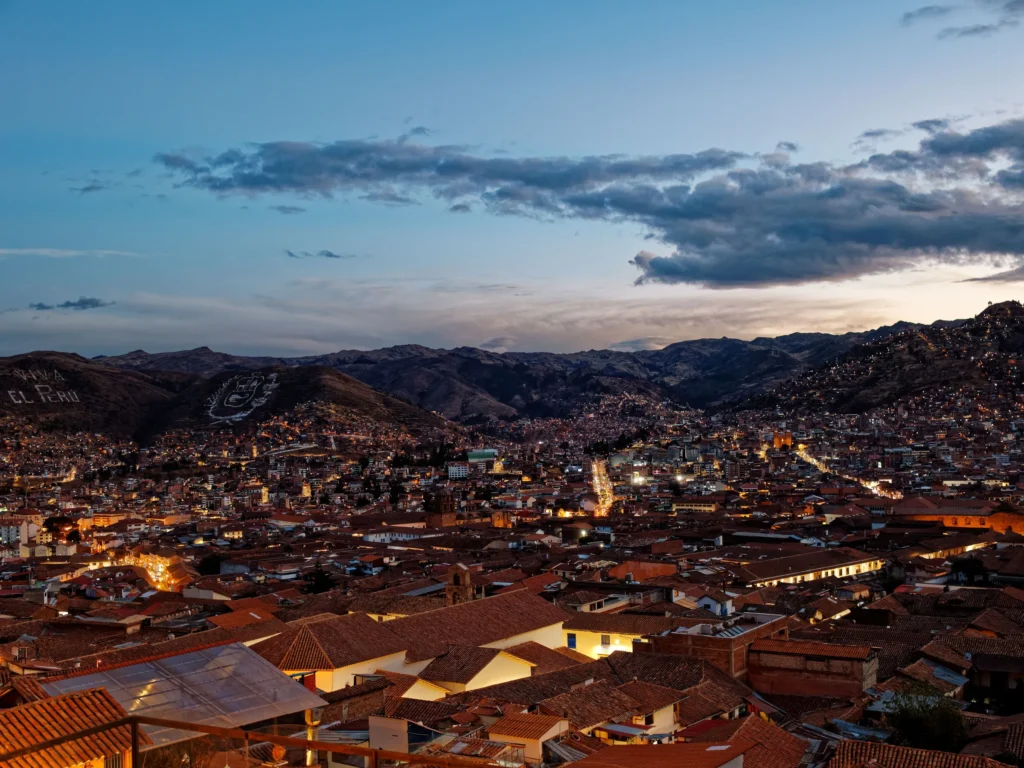
Private tours Cusco: a structured way to explore the historic capital of the Incas
cusco guides To approach Cusco through private tours cusco is to move beyond the visible…
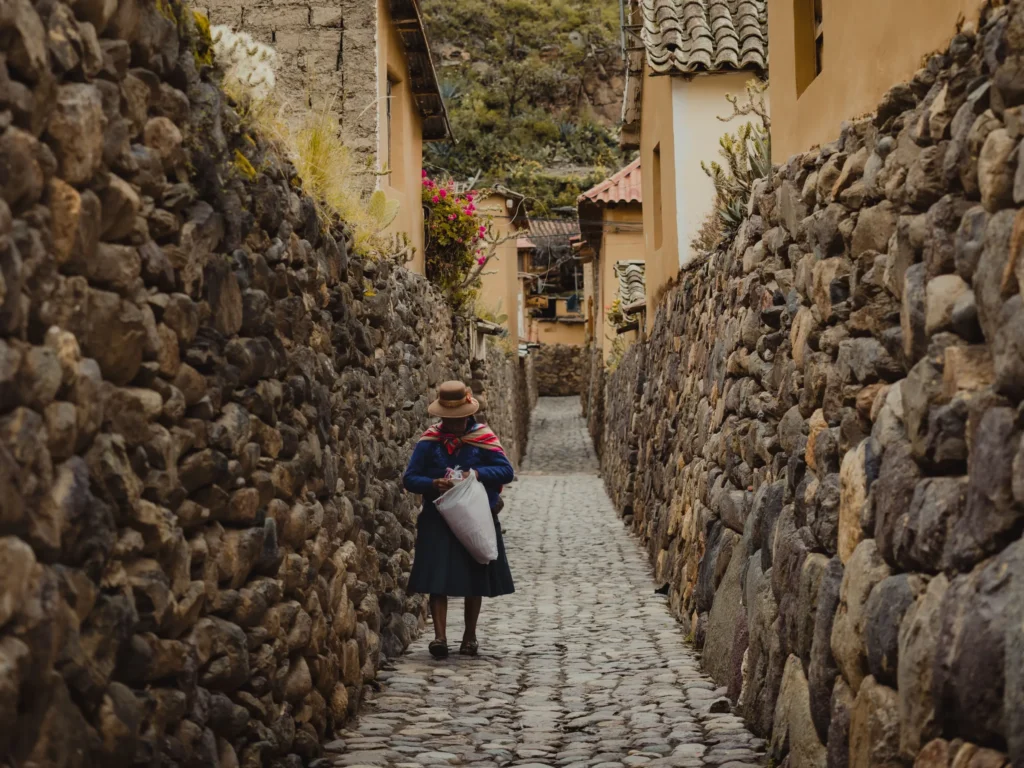
Cusco private tour: A City Built in Layers
travel guide Few cities in South America present such a visible overlap of civilisations as…
Luxury options
Top Luxury Train Options to Machu Picchu
travel guide Discover the finest rail experiences to Machu Picchu, from the legendary Belmond Hiram…
The Railway Through the Andes: Machu Picchu train tour
travel guide The railway that connects the Sacred Valley to Machu Picchu is one of…
The Elegance of the Rails: Experience the Ultimate Machu Picchu Train Tour
travel guide The journey to the heart of the Incan Empire is as much about…
The Definitive Guide to Luxury Exploration: Navigating Machu Picchu Tours from Cusco
travel guide The mist clings to the jagged peaks of the Andes like a silent…
The Art of the Journey: Why Peru Private Tours Define Modern Luxury
travel guide In an era of mass-produced experiences and digital saturation, the true definition of…
Machu Picchu luxury travel
travel guide Luxury trains to Machu Picchu often sell out quickly. Reservations are recommended 3–6…
More Information
Why Rainbow Mountain is Different in Each Season
travel guide Rainbow Mountain is not a static postcard—it’s a dynamic landscape. Its colors, visibility,…
Top Luxury Train Options to Machu Picchu
travel guide Discover the finest rail experiences to Machu Picchu, from the legendary Belmond Hiram…
The Spirit of the Andes: Crafting the Perfect Machu Pichu Tour from Cusco
travel guide There is a specific kind of magic that occurs when the first light…
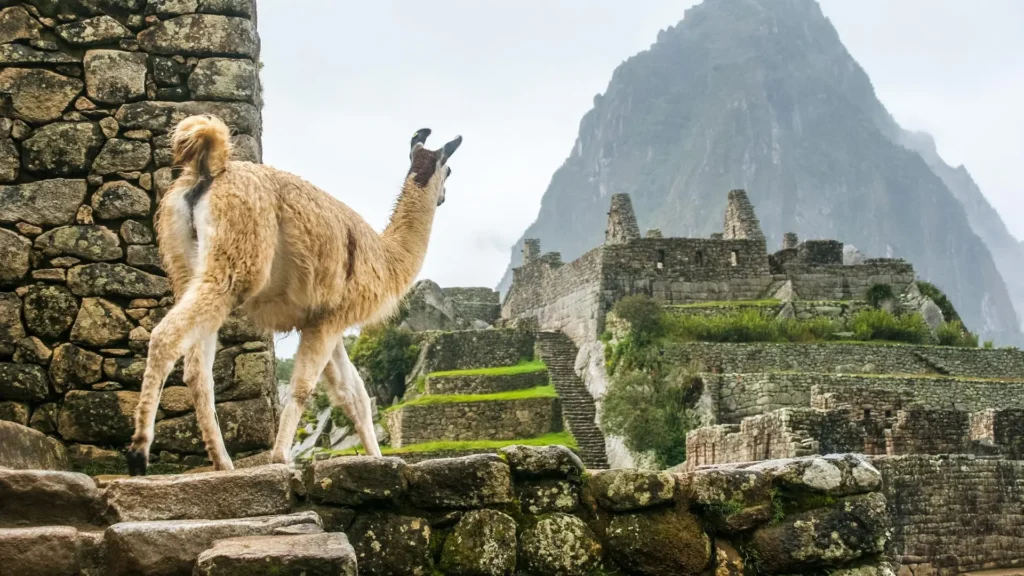
The Soft Gold of the Andes: An Immersion into Alpaca Tours in Peru
travel guide In the high-altitude heart of the Andes, there is a creature that has…
The Railway Through the Andes: Machu Picchu train tour
travel guide The railway that connects the Sacred Valley to Machu Picchu is one of…
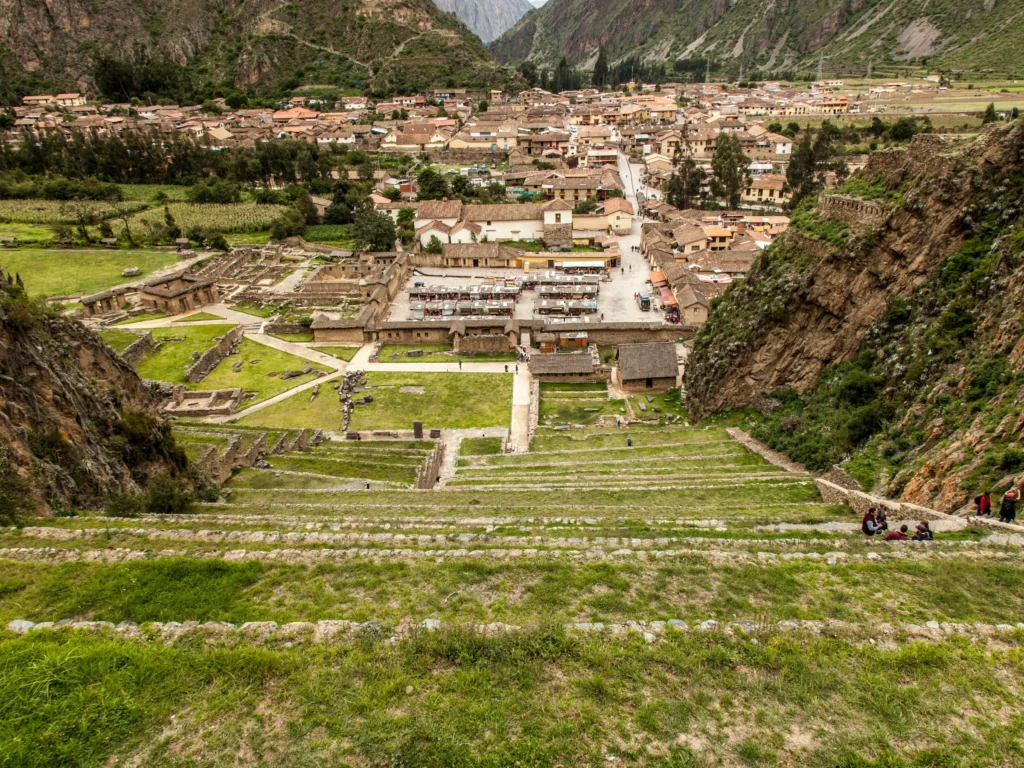
The Enduring Journey: Machu Picchu tours from Cusco
travel guide There are few journeys in South America that carry the same historical weight…
Travel Guide Cusco
Why Rainbow Mountain is Different in Each Season
travel guide Rainbow Mountain is not a static postcard—it’s a dynamic landscape. Its colors, visibility,…
Private tours Cusco: a structured way to explore the historic capital of the Incas
cusco guides To approach Cusco through private tours cusco is to move beyond the visible…
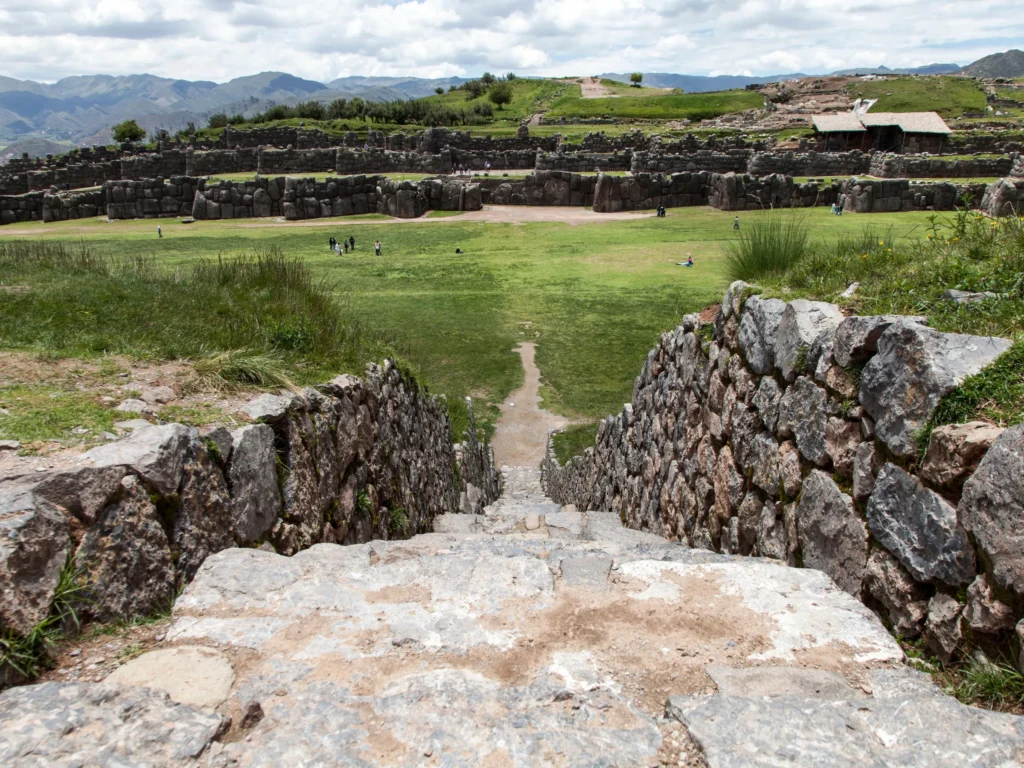
Make the Most of a Short Stay in Cusco
travel guide Make the most of your short stay in Cusco with this expert city…
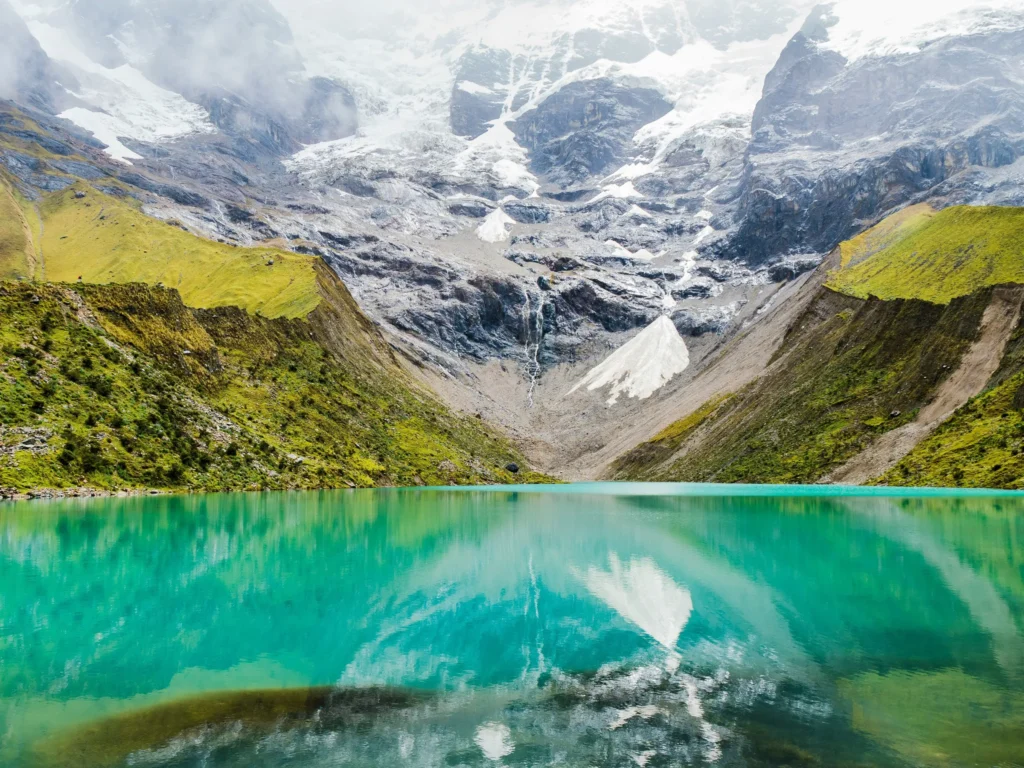
Humantay lake tour from cusco, a High-Altitude Landscape Beneath Salkantay
travel guide The journey to Humantay Lake unfolds within one of the most visually dramatic…
Cusco private tour: A City Built in Layers
travel guide Few cities in South America present such a visible overlap of civilisations as…
Christmas with children’s of Inca Cancha
travel guide First, Inca Cancha is a small community located in the district of Challabamba,…