

Private tours Cusco: a structured way to explore the historic capital of the Incas
cusco guides
To approach Cusco through private tours cusco is to move beyond the visible surface of a historic city and into its structural logic. Cusco is not defined solely by monuments or plazas, but by continuity—layers of civilisation that remain physically and culturally present. Founded as the capital of the Inca Empire and later transformed under Spanish colonial rule, Cusco operates as a living archive. Its streets follow pre-Columbian alignments, its walls retain original stonework, and its daily life reflects traditions that have not been displaced, only adapted. A private approach allows this complexity to be interpreted with precision, rather than observed in fragments.
Private tours Cusco: a structured way to explore the historic capital of the Incas
cusco guidesTo approach Cusco through private tours cusco is to move beyond the visible surface of a historic city and into its structural logic. Cusco is not defined solely by monuments or plazas, but by continuity—layers of civilisation that remain physically and culturally present. Founded as the capital of the Inca Empire and later transformed under Spanish colonial rule, Cusco operates as a living archive. Its streets follow pre-Columbian alignments, its walls retain original stonework, and its daily life reflects traditions that have not been displaced, only adapted. A private approach allows this complexity to be interpreted with precision, rather than observed in fragments.
- The Historical Framework of Cusco
- Core sites within Private tours Cusco
- Extending experience beyond th city
- The Value of a Private Approach
- Cultural Continuity and Gastronomy in Cusco
- Practical Considerations
- Cusco as the Foundation of Andean Travel
- A Structured Approach to Understanding Cusco
- Frequent Questions
- Related Experiences
- Related Guides
- The Historical Framework of Cusco
- Core sites within Private tours Cusco
- Extending experience beyond th city
- The Value of a Private Approach
- Cultural Continuity and Gastronomy in Cusco
- Practical Considerations
- Cusco as the Foundation of Andean Travel
- A Structured Approach to Understanding Cusco
- Frequent Questions
- Related Experiences
- Related Guides

The Historical Framework of Cusco
Cusco’s significance lies in its original role as the administrative and spiritual centre of the Inca Empire. The city was designed according to symbolic and functional principles, with roads radiating outward to connect distant territories.
Following the Spanish conquest in the 16th century, much of the Inca urban structure was repurposed. Colonial buildings were constructed atop existing foundations, resulting in a hybrid architecture where both systems remain visible.
This duality is central to understanding Cusco. A private tours cusco itinerary provides the time and context necessary to interpret how these layers coexist.
Core sites within Private tours Cusco
At the centre of Cusco lies Plaza de Armas, historically a ceremonial space during the Inca period and later transformed into the colonial administrative core. Surrounded by arcades and churches, it reflects the transition from indigenous governance to Spanish authority. The square is bordered by key structures such as Cusco Cathedral and Church of the Society of Jesus, each representing a different stage of colonial consolidation. A private guide provides context beyond architecture, explaining the political and cultural shifts embedded within these buildings.
Qorikancha was once the most sacred temple of the Inca Empire, dedicated to Inti, the sun god. Its walls, originally covered in gold, symbolised both divine power and imperial wealth. After the conquest, the Spanish constructed the Convent of Santo Domingo directly over the temple. The juxtaposition between Inca stonework and colonial masonry illustrates two distinct engineering philosophies. A private tours cusco experience allows for detailed interpretation of this contrast, revealing how both structures have endured over time.
Overlooking Cusco, Sacsayhuamán is defined by massive stone walls assembled without mortar. Some individual stones exceed 100 tonnes, yet are fitted with precision that has withstood centuries of seismic activity. The site likely served both ceremonial and defensive functions. Its elevated position offers a comprehensive view of the city, reinforcing its strategic importance. Private access enables a slower exploration of the site, focusing on construction techniques and spatial organisation.
Extending experience beyond th city
A private tours cusco itinerary often includes nearby archaeological sites that provide additional context. Tambomachay, Puka Pukara, and Qenqo illustrate different aspects of Inca infrastructure. Tambomachay is associated with water management and ritual use. Puka Pukara was possibly a military checkpoint or administrative centre. Qenqo is a ceremonial site with carved rock formations used for ritual purposes. Together, they expand understanding beyond the urban centre.
The Value of a Private Approach
Cusco’s complexity requires explanation. A private tours cusco format allows guides to address Inca construction methods, colonial adaptation of urban space, and cultural continuity within modern Cusco. This depth is difficult to achieve in group settings.
At an altitude of over 3,400 metres, Cusco demands a measured pace. Private tours allow for adjusted timing based on physical condition, rest periods between sites, and extended exploration where needed. This ensures both comfort and comprehension.
Beyond major landmarks, Cusco includes neighbourhoods that retain traditional character. Areas such as San Blas offer insight into artisan practices, while local markets reveal daily economic activity. A private tours cusco experience can incorporate these elements without disrupting their natural flow.
Cultural Continuity and Gastronomy in Cusco
Cusco is not a static historical site. It remains an active city where Quechua language, traditional clothing, and agricultural practices continue to shape daily life. Festivals such as Inti Raymi reflect the persistence of pre-colonial traditions within a modern framework. Private tours can be structured to align with these events, offering additional cultural context.
Cuisine in Cusco reflects its geography. Ingredients such as maize, potatoes, and Andean grains form the basis of traditional dishes, while contemporary restaurants reinterpret these elements. Private tours may include market visits to understand ingredient sourcing, dining in restored colonial buildings, and tastings of regional beverages such as chicha. These experiences connect food to environment and history.
The benefit of a private itinerary is that these regions can be connected intelligently. Rather than adding destinations simply because they are famous, the journey is designed around flow, comfort, season, and your personal travel style.
Practical Considerations
Acclimatisation is essential when arriving in Cusco. Travellers should rest during the first day, maintain hydration, and avoid immediate physical exertion. Private itineraries allow for gradual adjustment.
Cusco experiences two primary seasons: the dry season with clear skies and cooler nights, and the wet season with increased rainfall, particularly in the afternoon. Temperature variation between day and night requires appropriate clothing.
Cusco’s layout includes narrow streets and uneven surfaces, particularly in historic districts. Walking is the primary mode of exploration, though private vehicles can be arranged for longer distances.
One of Cusco’s defining features is the precision of Inca stonework. Walls constructed without mortar have demonstrated remarkable resilience, particularly during earthquakes. Colonial structures, by contrast, reflect different engineering approaches, often less resistant to seismic activity. This contrast provides insight into how each civilisation responded to environmental conditions.
Cusco as the Foundation of Andean Travel
A private tours cusco experience is not isolated—it forms the basis for understanding the wider region. Journeys to the Sacred Valley and Machu Picchu begin here, both geographically and historically. Without this context, subsequent destinations risk being reduced to isolated points rather than components of a larger system.
A Structured Approach to Understanding Cusco
To explore Cusco privately is to engage with a city that operates on multiple levels simultaneously. It is a place where past and present are not separated, but integrated into a continuous narrative. private tours cusco provide the framework necessary to interpret this complexity. Through controlled pacing, informed guidance, and selective access, the city becomes more than a destination—it becomes a reference point for understanding the Andes as a whole.
This is especially important in Peru because the country rewards careful planning. A journey can be extraordinary, but the quality depends heavily on coordination.
When done well, private travel turns complexity into calm.
Frequent Questions
Related Experiences
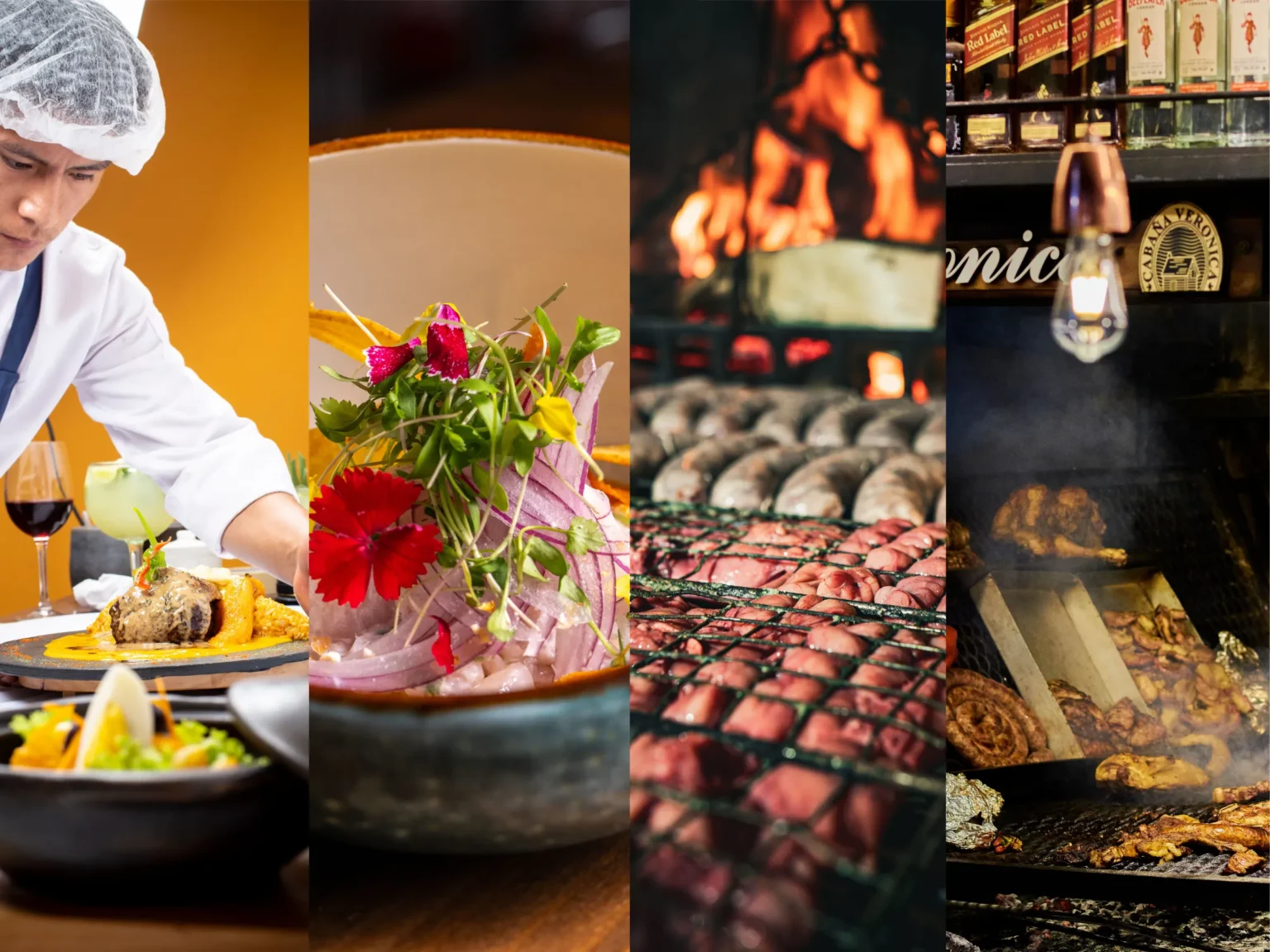
Protected: Lima Cooking Class & Market Visit
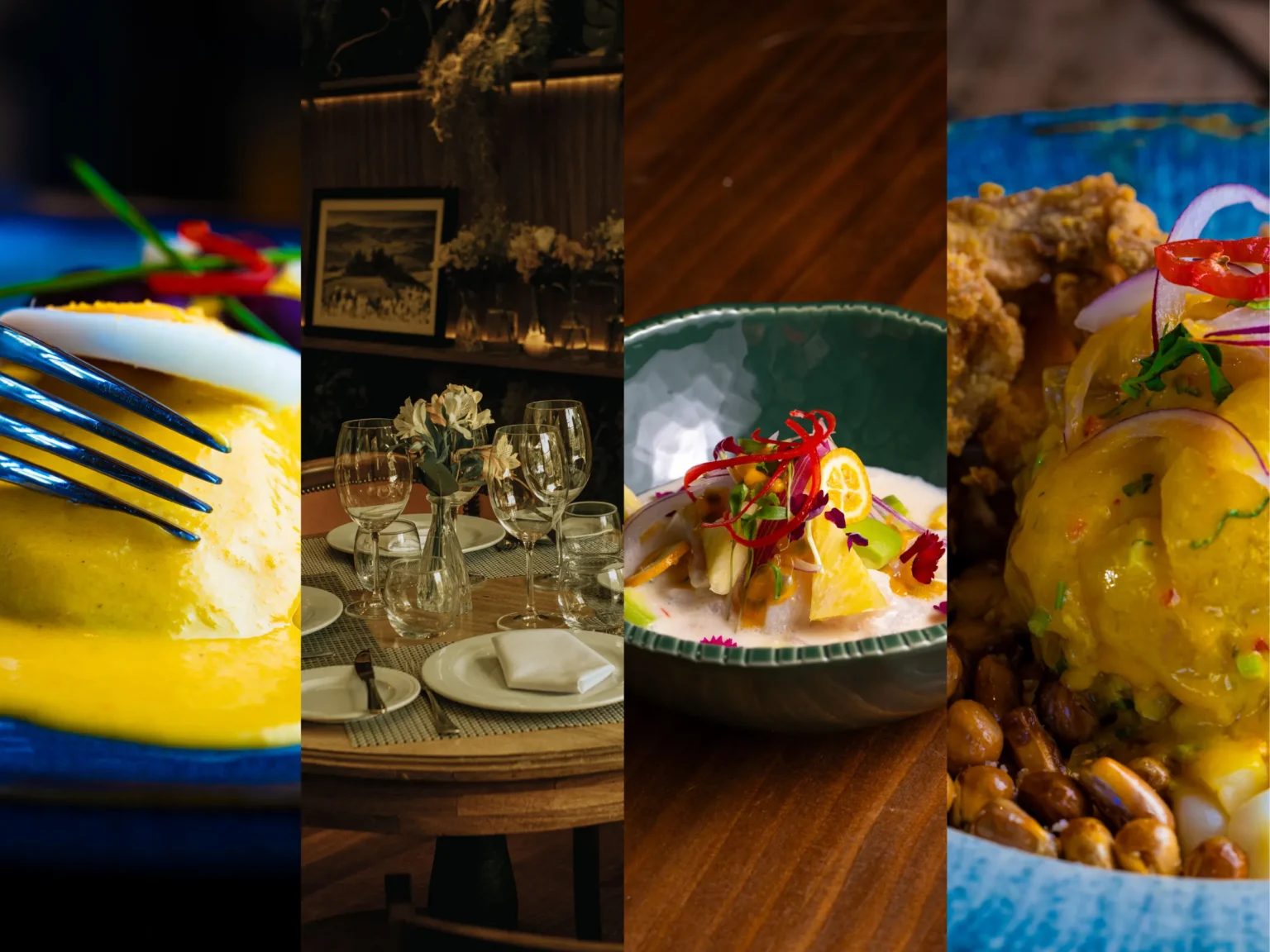
Protected: Central Restaurant Lima Culinary Experience
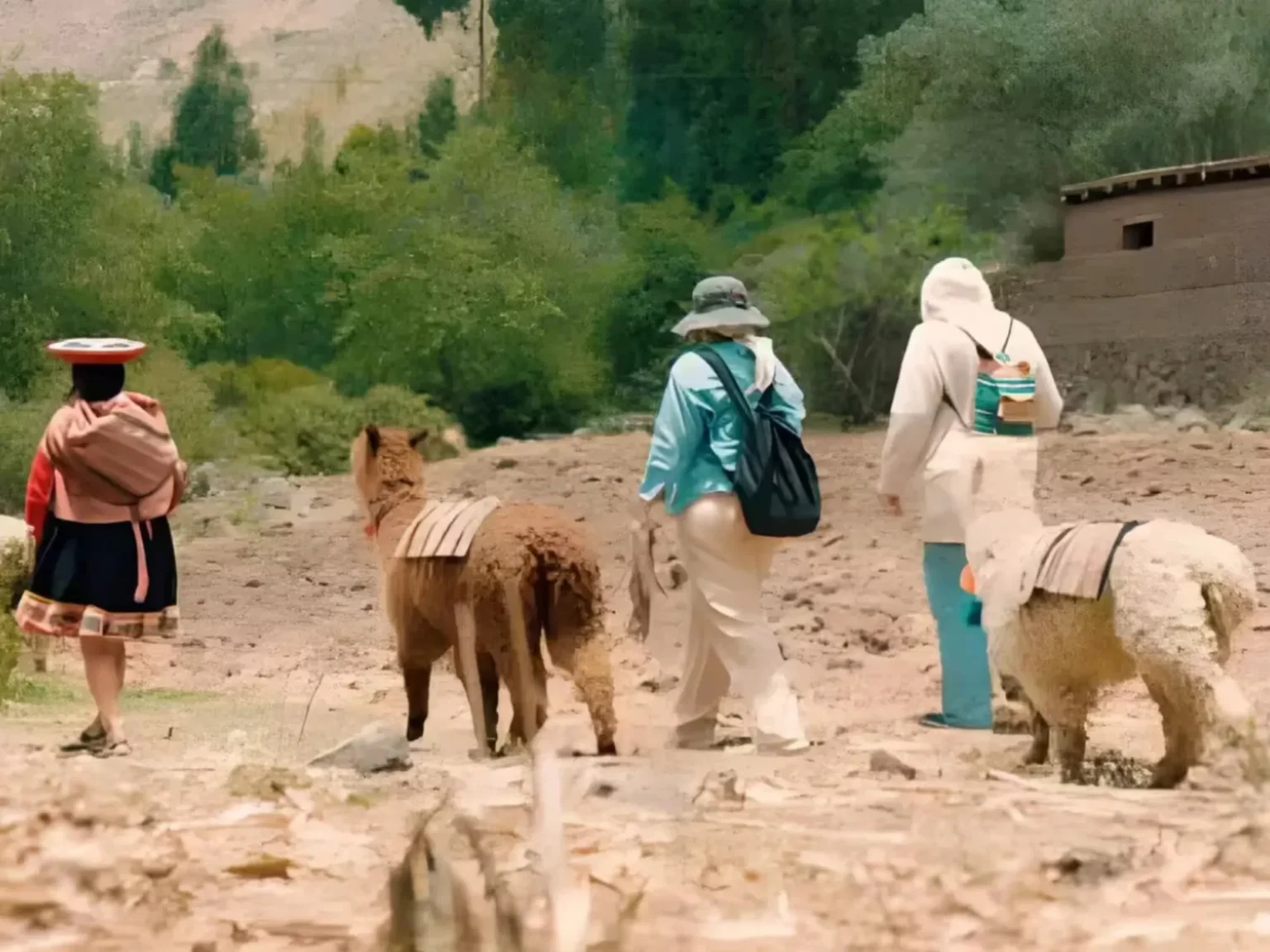
Alpaca Walking Tour in the Sacred Valley
NATURAL DYE EXPERIENCE Walk through the Sacred Valley of the Incas with your own alpaca…
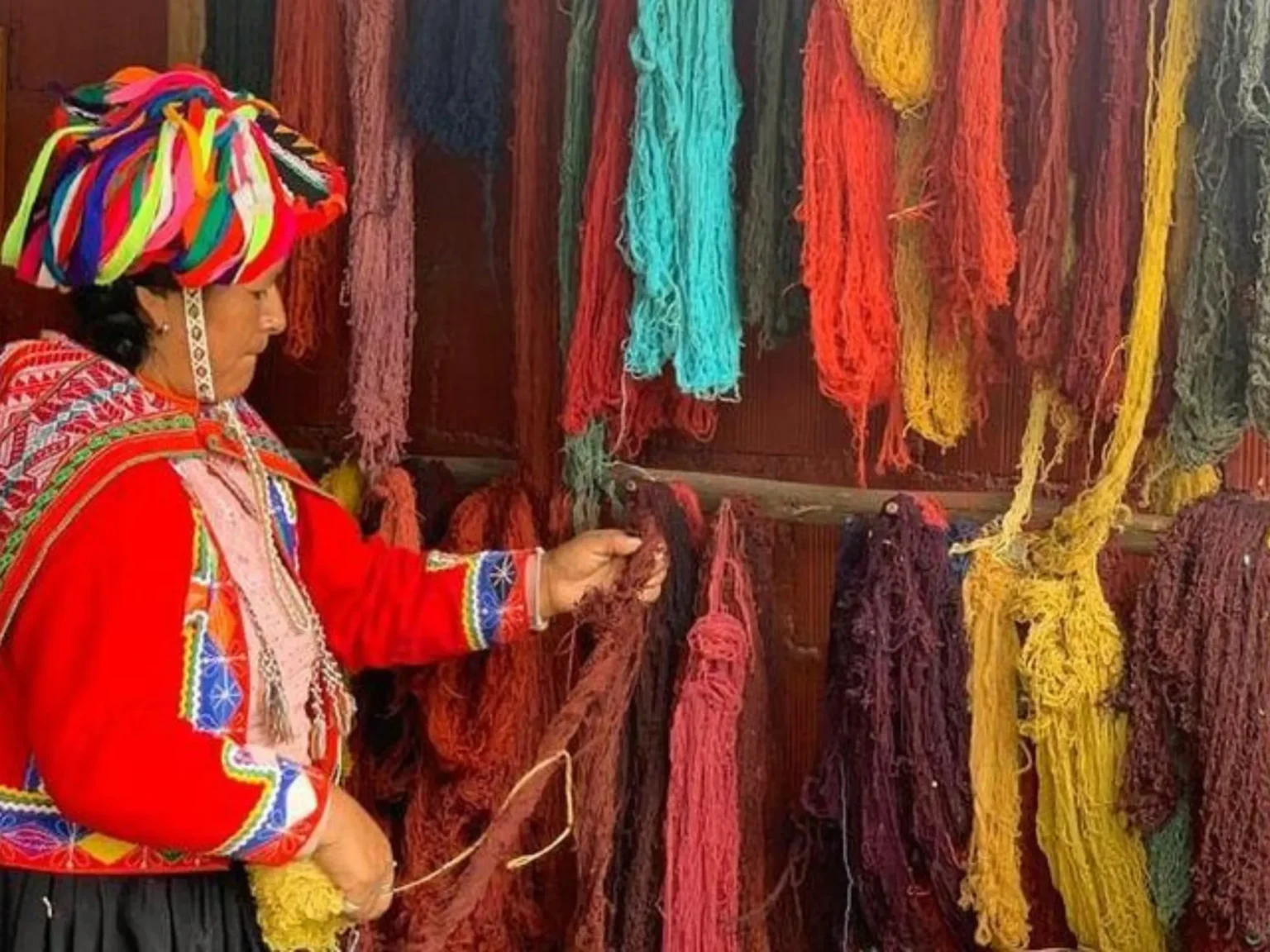
Sacred Valley Textile Workshop
Sacred Valley Textile Workshop with a UNESCO Master Weaver Deep in the Sacred Valley of…
Related Guides
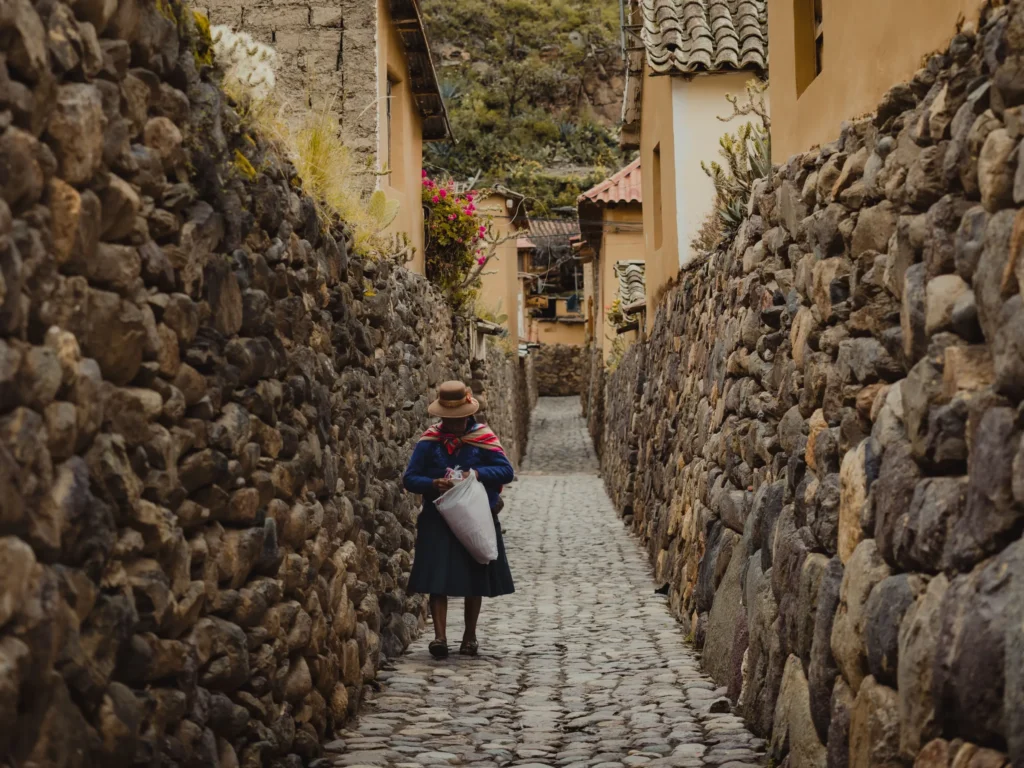
Cusco private tour: A City Built in Layers
travel guide Few cities in South America present such a visible overlap of civilisations as…
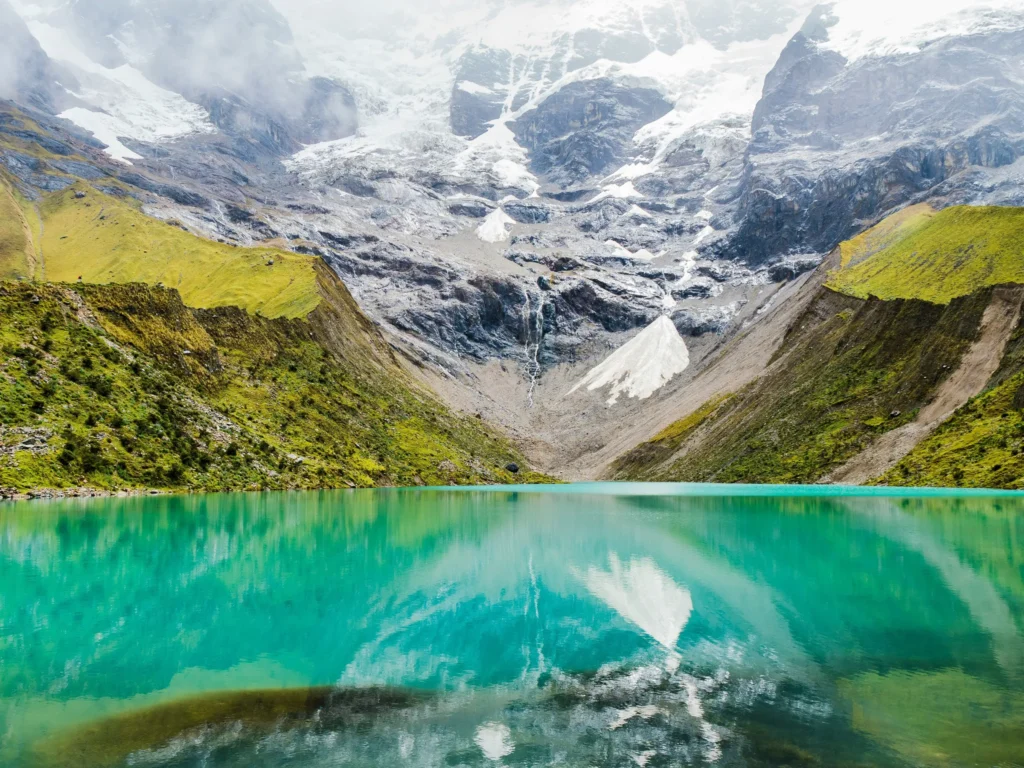
Humantay lake tour from cusco, a High-Altitude Landscape Beneath Salkantay
travel guide The journey to Humantay Lake unfolds within one of the most visually dramatic…
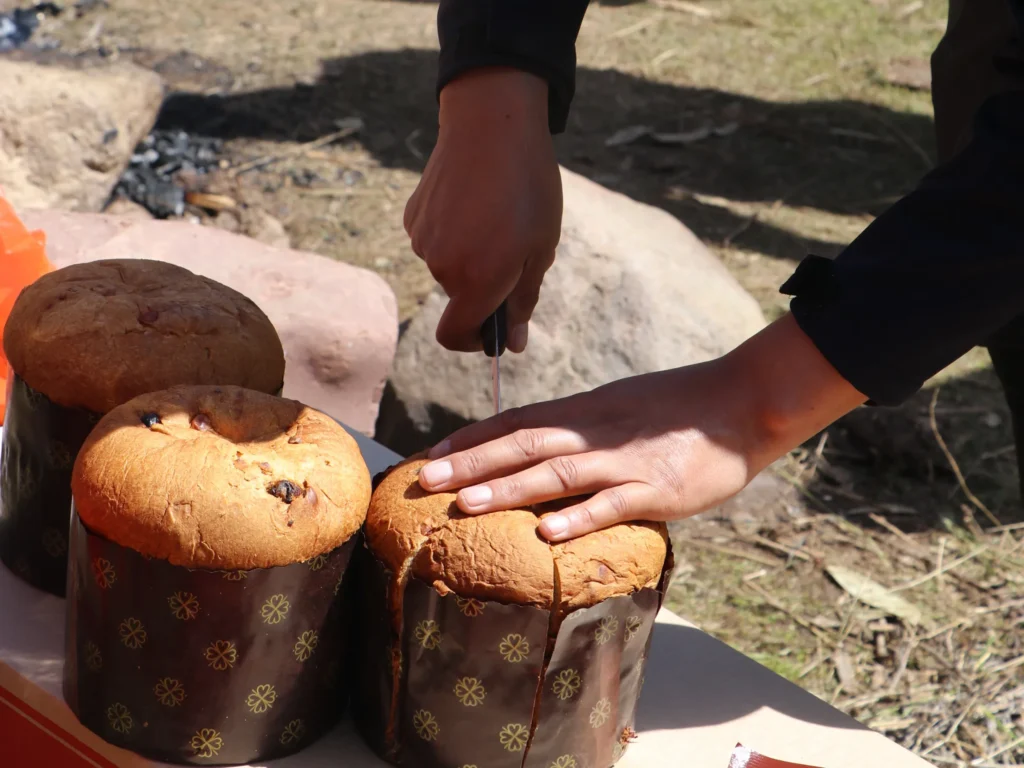
Christmas with children’s of Inca Cancha
travel guide First, Inca Cancha is a small community located in the district of Challabamba,…
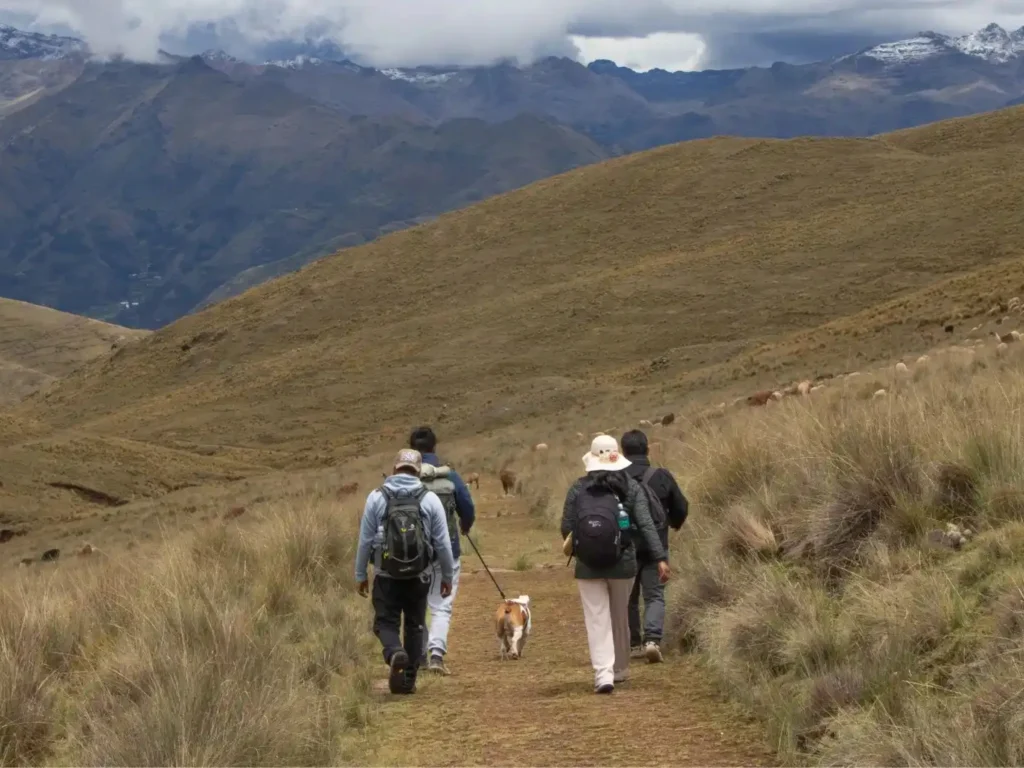
7 Unmissable Day Trips You Should Take When Visiting Cusco
travel guide Cusco is far more than a gateway to Machu Picchu—it’s the cultural and…
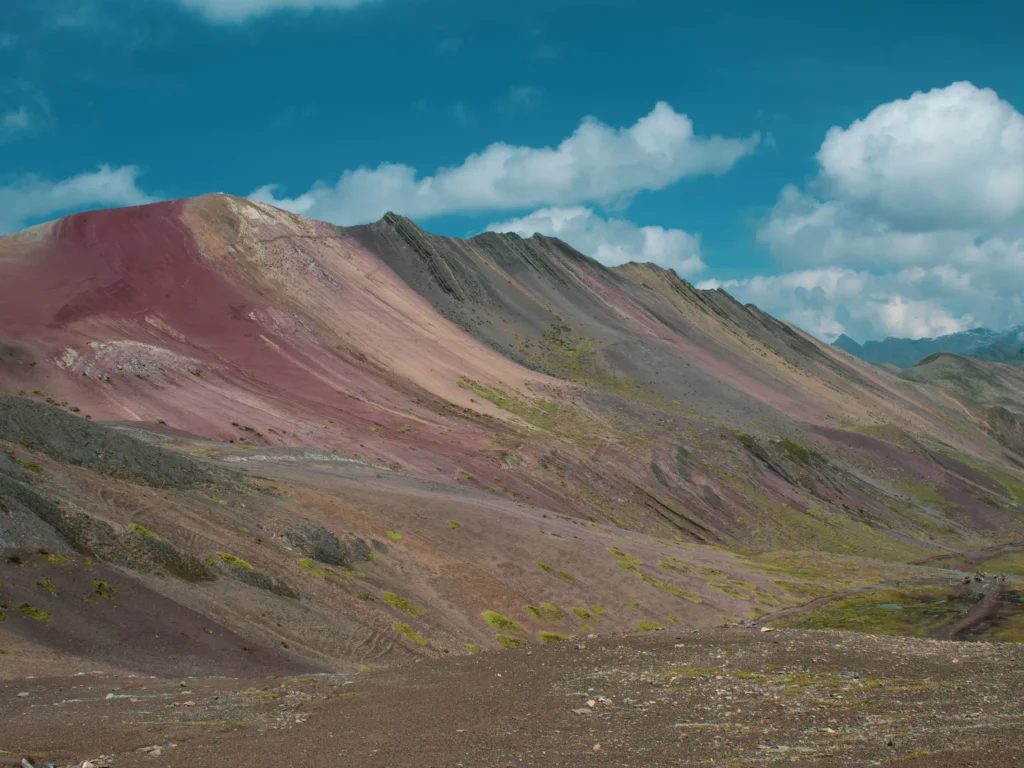
Why Rainbow Mountain is Different in Each Season
travel guide Rainbow Mountain is not a static postcard—it’s a dynamic landscape. Its colors, visibility,…
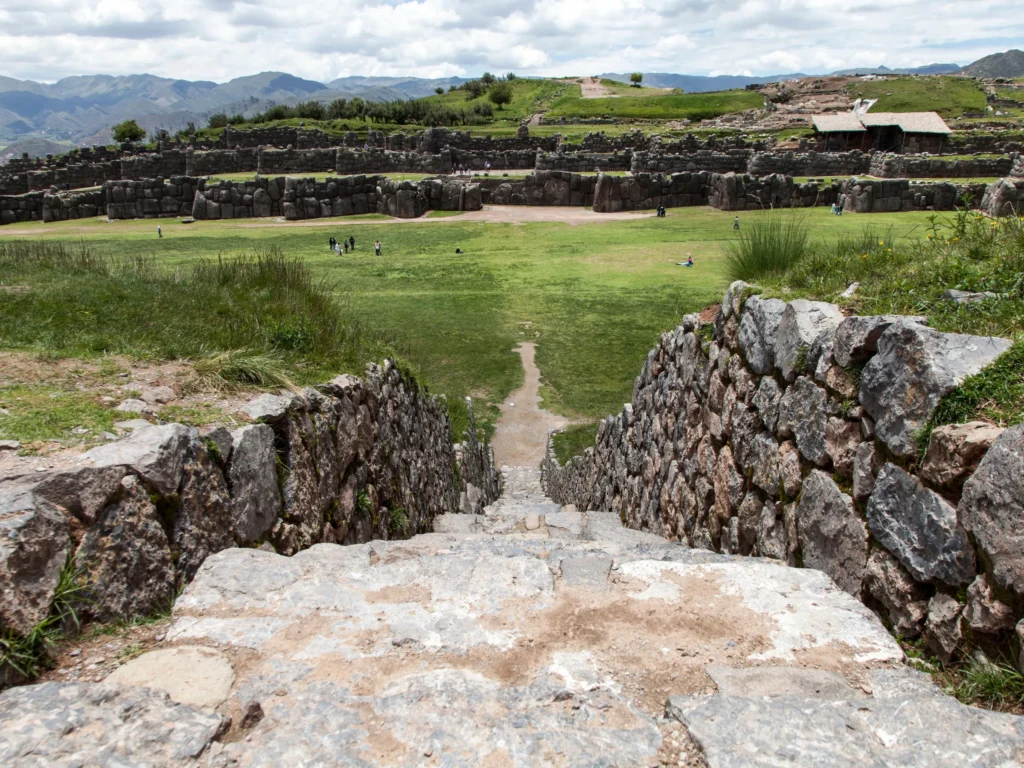
Make the Most of a Short Stay in Cusco
travel guide Make the most of your short stay in Cusco with this expert city…
Recent guides
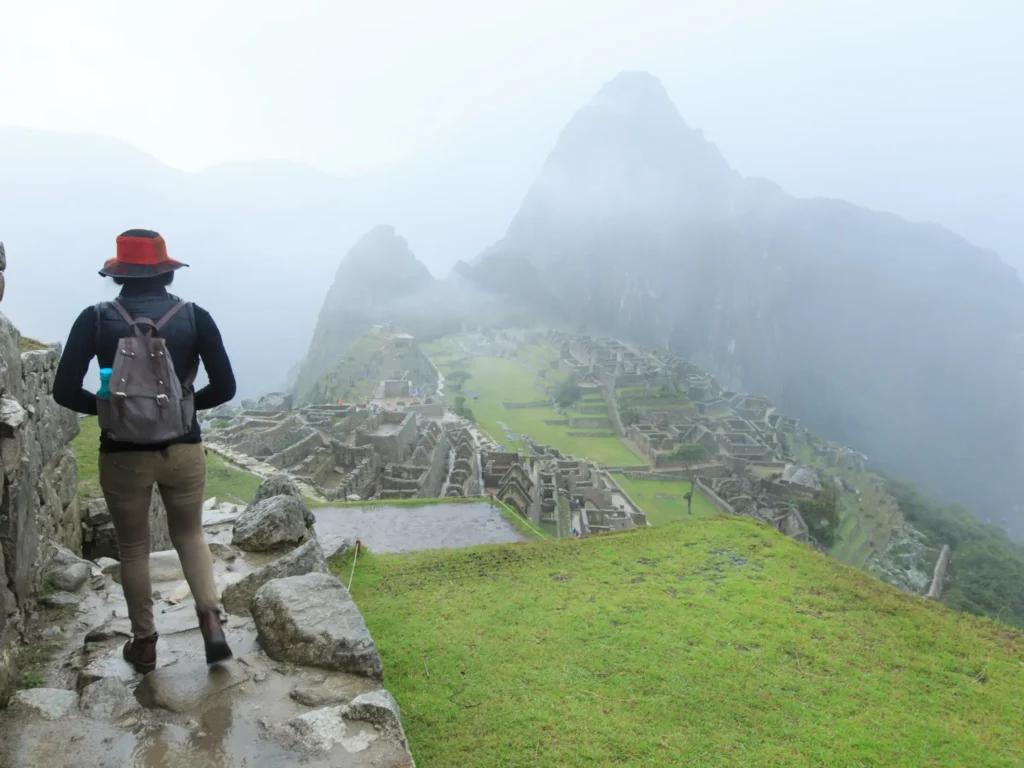
Machu Picchu Circuits Explained
travel guide Which Route Should You Choose? MACHU PICCHU CIRCUITS GUIDE Choosing the right Machu…
Private Peru Tours
travel guide How to Design a Tailor-Made Journey Through Peru Luxury Machu Picchu tours A…
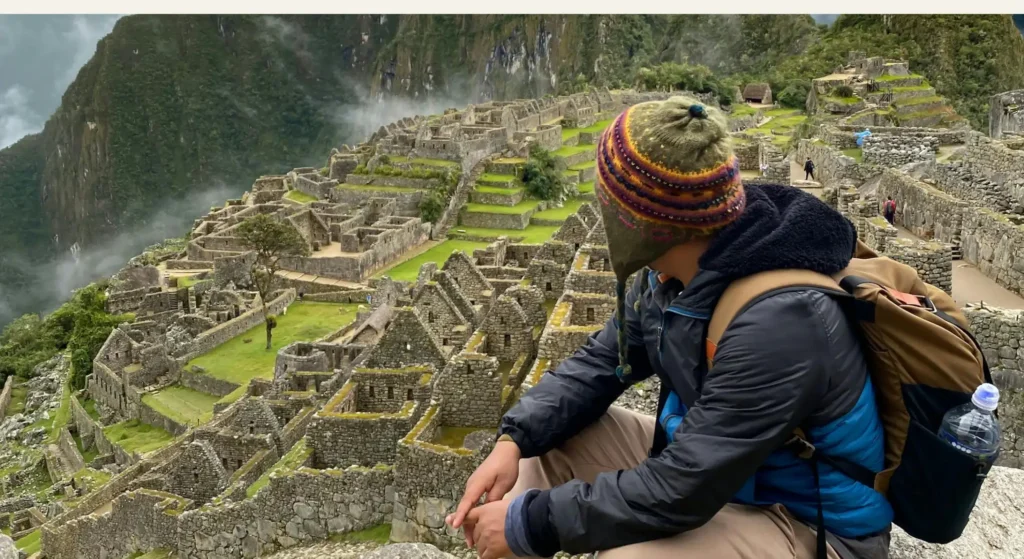
Luxury Machu Picchu Tours
travel guide How to Plan a Private, Seamless & High-End Experience Luxury Machu Picchu tours…
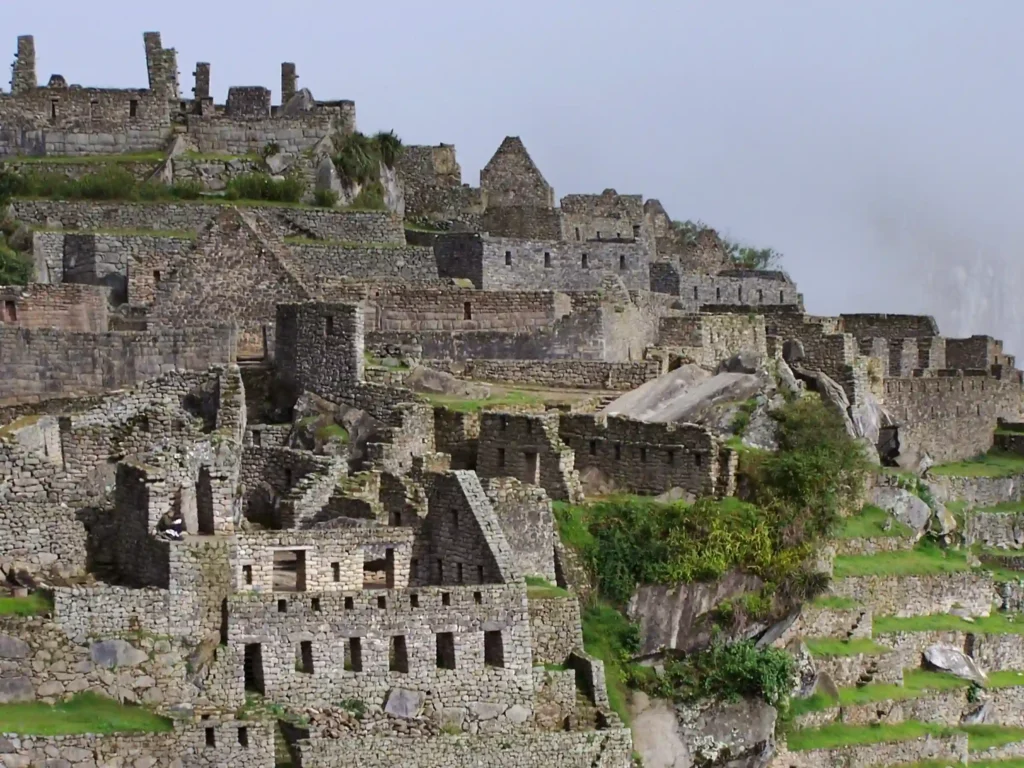
Best Time to Visit Machu Picchu: The Definitive Local Guide to Weather, Crowds, Tickets & Travel Planning
Table of Contents Use this guide to choose the best travel dates for your Machu…
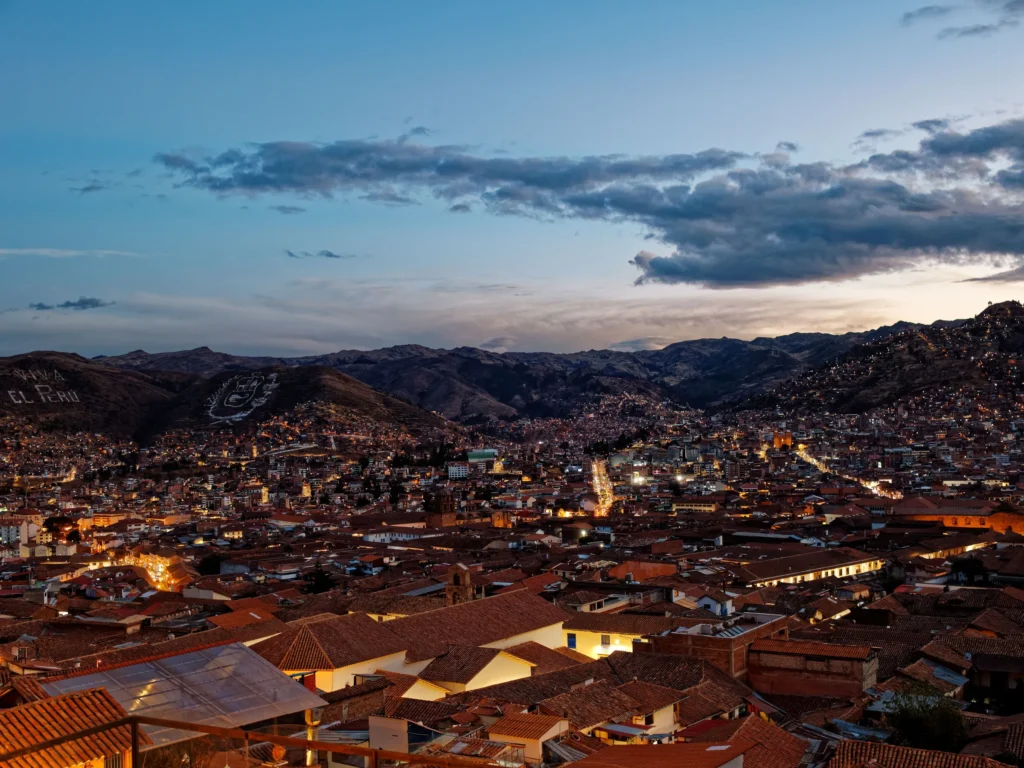
Private tours Cusco: a structured way to explore the historic capital of the Incas
cusco guides To approach Cusco through private tours cusco is to move beyond the visible…
Cusco private tour: A City Built in Layers
travel guide Few cities in South America present such a visible overlap of civilisations as…
Should you know?
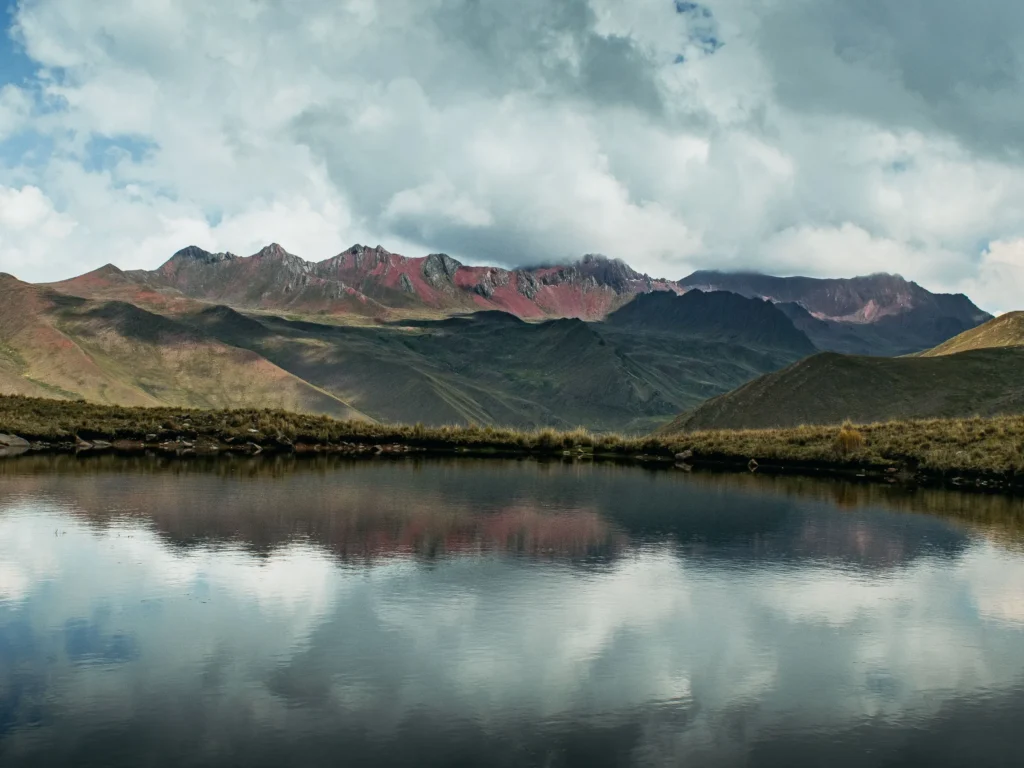
Hidden Gems of the Sacred Valley You Can’t Miss
travel guide Most travelers focus on the classic Sacred Valley highlights such as Pisac, Ollantaytambo,…
Travel Guide Machu Picchu
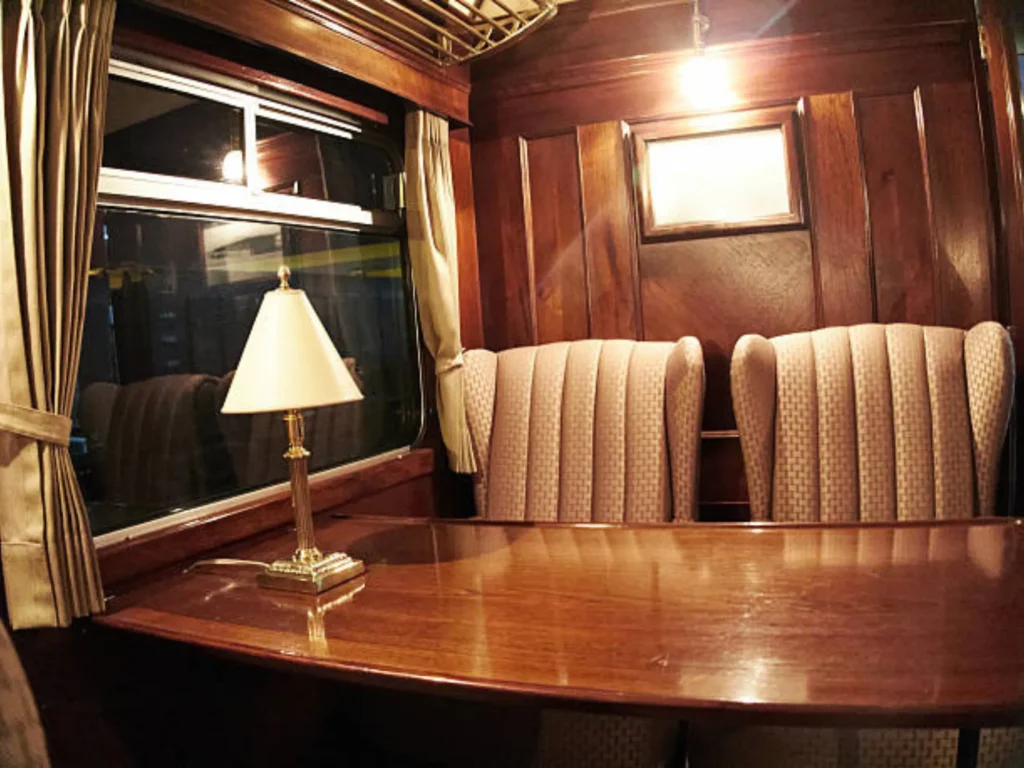
Top Luxury Train Options to Machu Picchu
travel guide Discover the finest rail experiences to Machu Picchu, from the legendary Belmond Hiram…
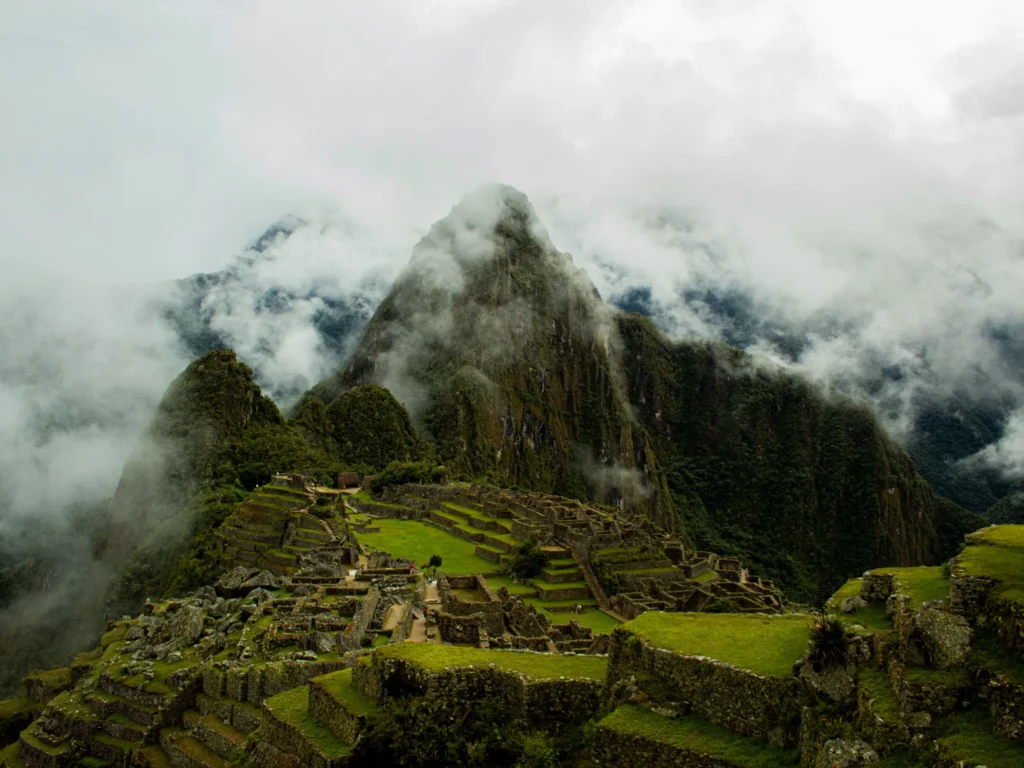
The Spirit of the Andes: Crafting the Perfect Machu Pichu Tour from Cusco
travel guide There is a specific kind of magic that occurs when the first light…
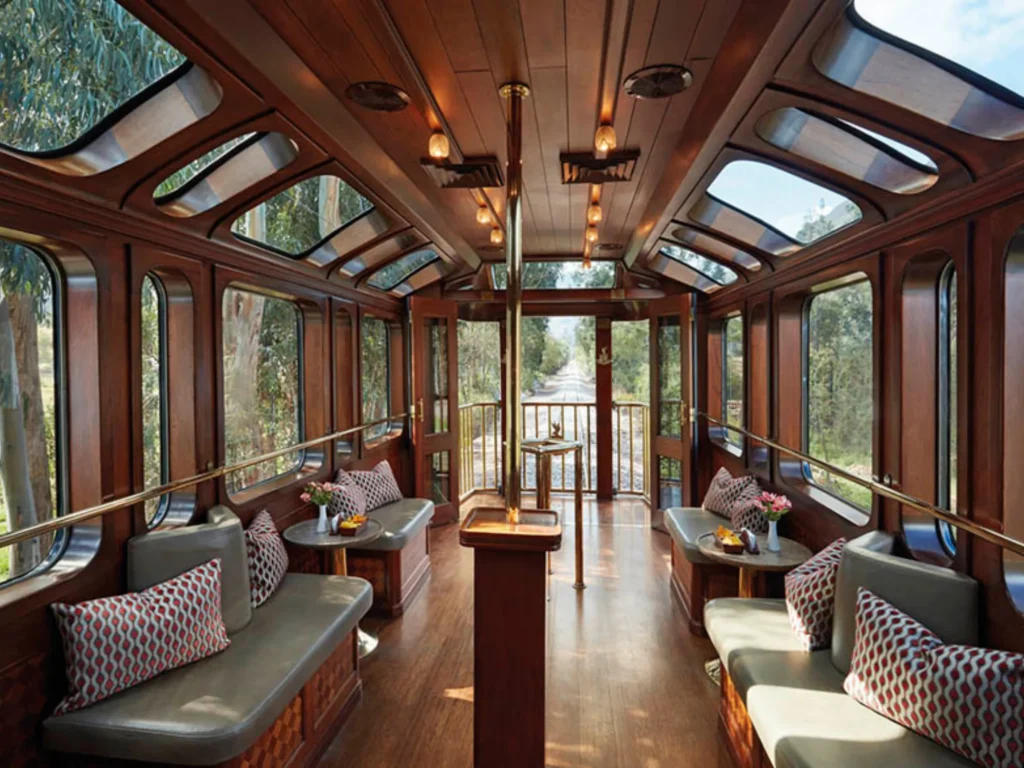
The Railway Through the Andes: Machu Picchu train tour
travel guide The railway that connects the Sacred Valley to Machu Picchu is one of…
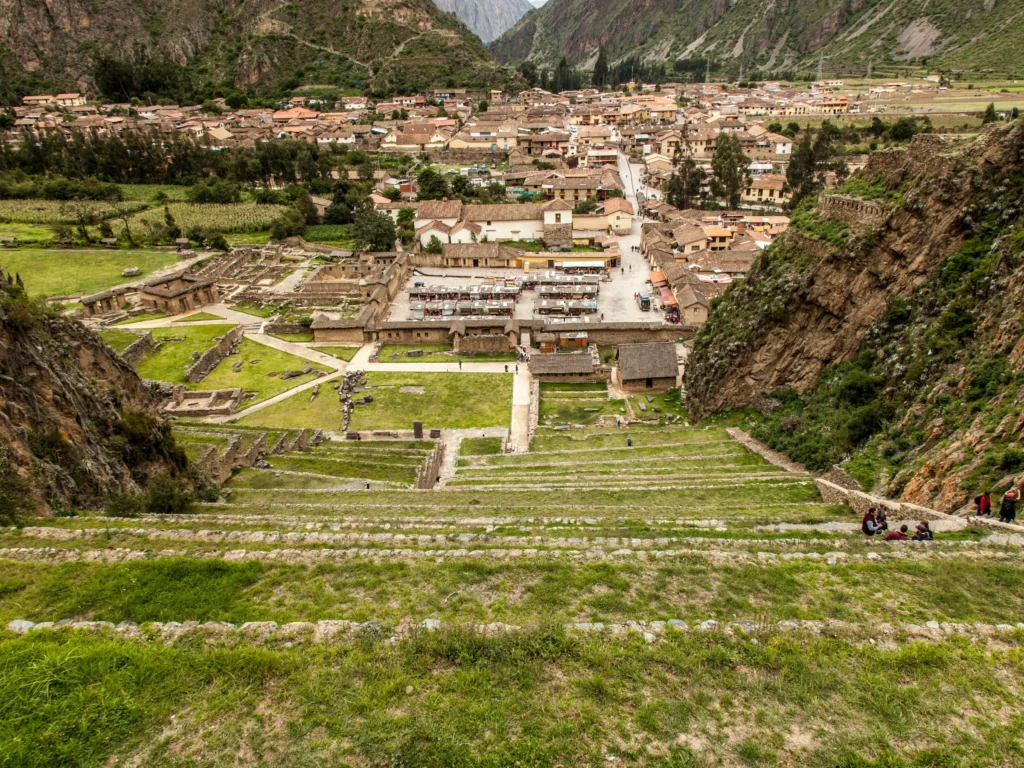
The Enduring Journey: Machu Picchu tours from Cusco
travel guide There are few journeys in South America that carry the same historical weight…
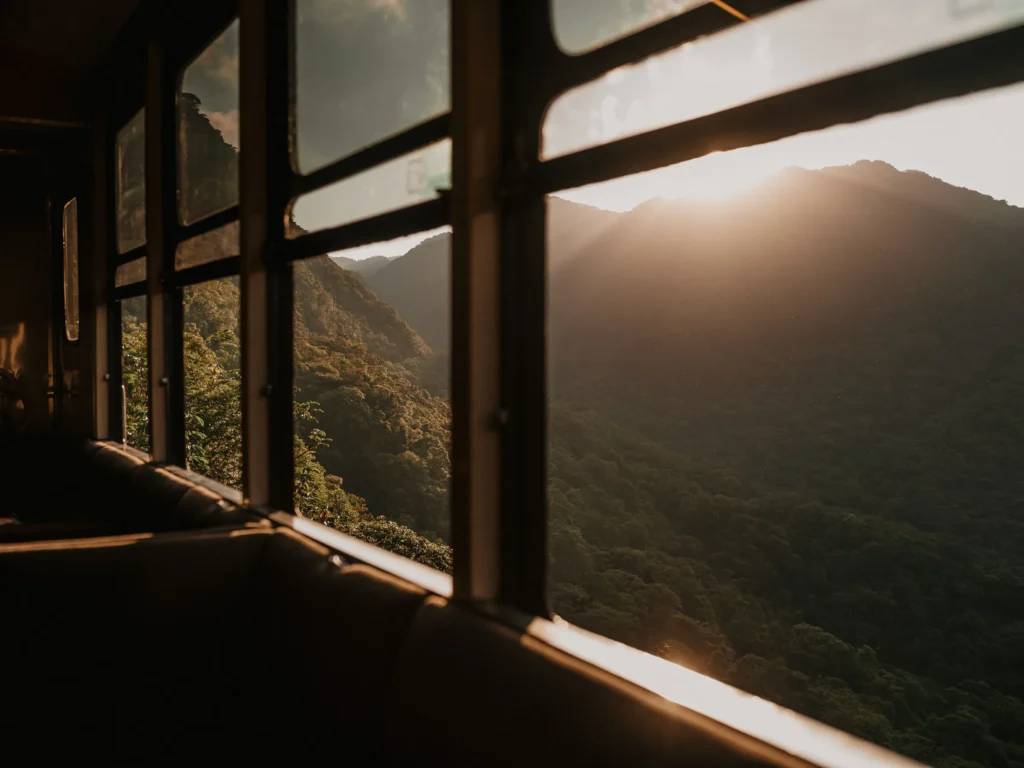
The Elegance of the Rails: Experience the Ultimate Machu Picchu Train Tour
travel guide The journey to the heart of the Incan Empire is as much about…
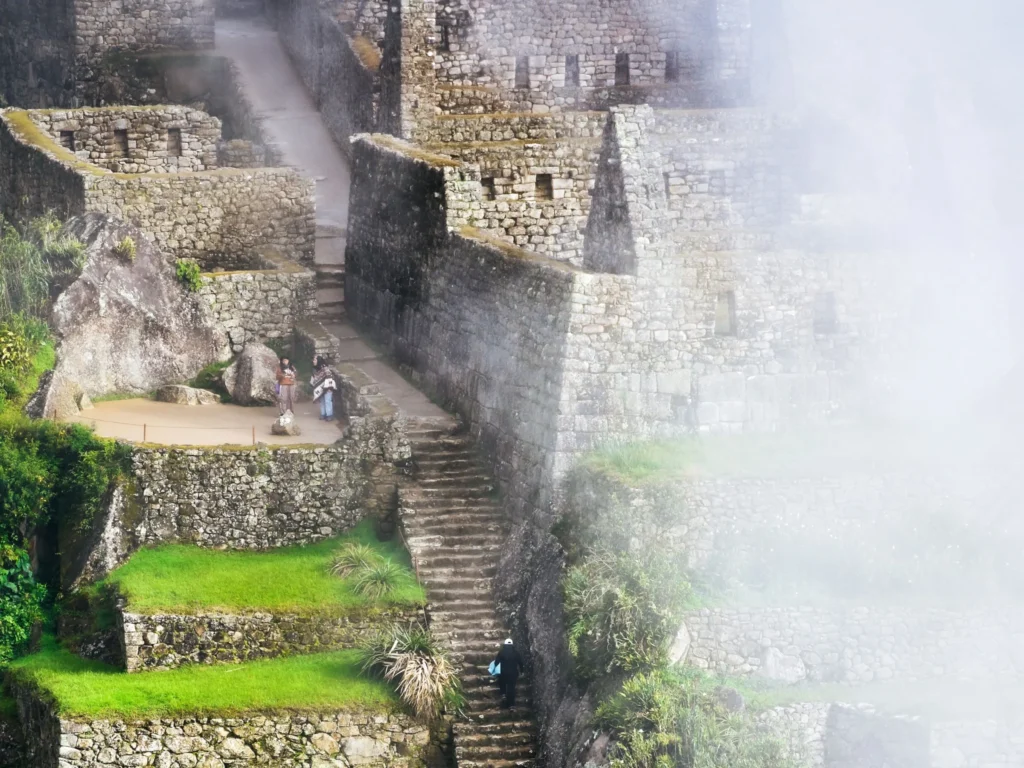
The Definitive Guide to Luxury Exploration: Navigating Machu Picchu Tours from Cusco
travel guide The mist clings to the jagged peaks of the Andes like a silent…
Other Guides
Why Rainbow Mountain is Different in Each Season
travel guide Rainbow Mountain is not a static postcard—it’s a dynamic landscape. Its colors, visibility,…
Top Luxury Train Options to Machu Picchu
travel guide Discover the finest rail experiences to Machu Picchu, from the legendary Belmond Hiram…
The Spirit of the Andes: Crafting the Perfect Machu Pichu Tour from Cusco
travel guide There is a specific kind of magic that occurs when the first light…
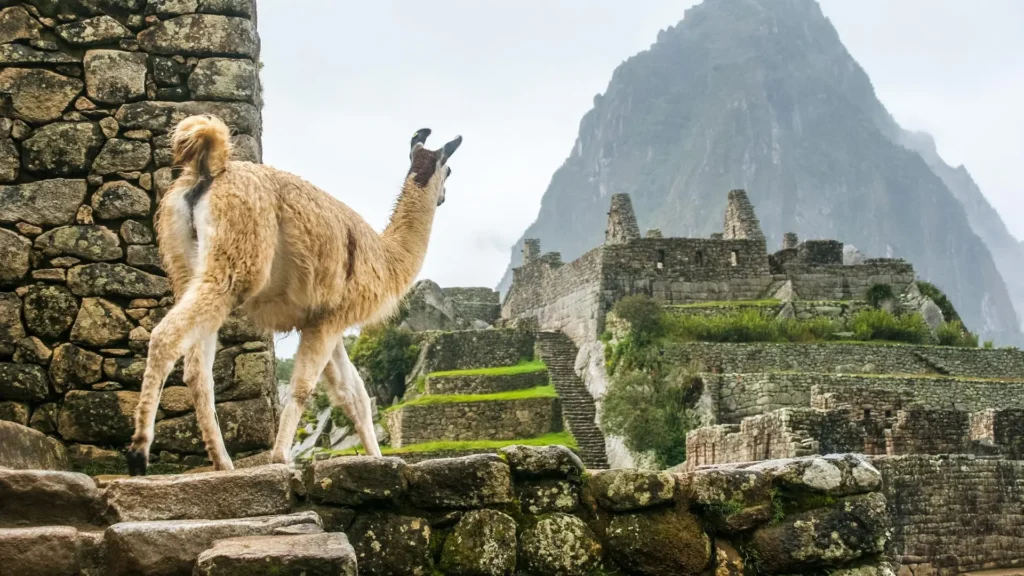
The Soft Gold of the Andes: An Immersion into Alpaca Tours in Peru
travel guide In the high-altitude heart of the Andes, there is a creature that has…
The Railway Through the Andes: Machu Picchu train tour
travel guide The railway that connects the Sacred Valley to Machu Picchu is one of…
The Enduring Journey: Machu Picchu tours from Cusco
travel guide There are few journeys in South America that carry the same historical weight…