
Table of Contents
Use this guide to choose the best travel dates for your Machu Picchu experience based on your style, schedule, and priorities.
Best Time to Visit Machu Picchu: The Definitive Local Guide to Weather, Crowds, Tickets & Travel Planning
A complete month-by-month guide to choosing the right season, avoiding crowds, securing the best tickets, and planning a smoother Machu Picchu experience.

Quick Answer
For most travelers, the best time to visit Machu Picchu is between April and October, when rainfall is generally lower, visibility is often better, and hiking conditions are more reliable. For the best balance of weather, scenery, crowds, and overall travel experience, we especially recommend April, May, September, and October. These months usually offer clearer views than the rainy season, softer crowds than the peak months, and better flexibility for private travel planning.
Best Time to Visit Machu Picchu: The Definitive Local Guide to Weather, Crowds, Tickets & Travel Planning
A complete month-by-month guide to choosing the right season, avoiding crowds, securing the best tickets, and planning a smoother Machu Picchu experience.Quick Answer
For most travelers, the best time to visit Machu Picchu is between April and October, when rainfall is generally lower, visibility is often better, and hiking conditions are more reliable. For the best balance of weather, scenery, crowds, and overall travel experience, we especially recommend April, May, September, and October. These months usually offer clearer views than the rainy season, softer crowds than the peak months, and better flexibility for private travel planning.

Author Note
Written by Peru Private Tours
A 100% locally owned travel company based in Cusco, specializing in private Machu Picchu tours, luxury Peru itineraries, tailor-made travel, and culturally immersive experiences.
At a Glance
If your main priority is the clearest weather, the dry season months from May to August are usually the most reliable. If your priority is fewer crowds and lush scenery, the months around March, April, October, and November can be more rewarding. If you want hiking add-ons such as Huayna Picchu or Machu Picchu Mountain, the drier months are generally better, though availability must be secured well in advance.
| Traveler Priority | Best Time to Visit Machu Picchu |
|---|---|
| Best overall balance | April, May, September, October |
| Clearest weather | May to August |
| Fewer crowds | March, April, October, November |
| Greenest landscapes | January to April |
| Best photography | April, May, September, October |
| Best hiking conditions | May to September |
| Best luxury experience | April, May, September, October |
| Best for families | April, May, September, October |
| Best for seniors | April, May, September, October |
| Highest crowd pressure | June, July, August, late December |
| Book earliest for | Huayna Picchu, Circuit 2, premium trains |
How to Use This Guide
This guide is designed for travelers who want more than a generic answer.
You may already know that Machu Picchu can be visited year-round. The real question is: which time of year will give you the experience you actually want?
Some travelers want blue skies and postcard-style views. Others prefer fewer visitors, greener mountains, or a more peaceful atmosphere. Hikers need to consider trail conditions. Families may prioritize comfort and lower stress. Luxury travelers often care about train schedules, hotel availability, crowd flow, and a smoother rhythm.
That is why this guide looks at the best time to visit Machu Picchu from several angles:
If you only want the shortest answer, choose April, May, September, or October.
If you want the best possible Machu Picchu experience, read the full guide before choosing your dates.

The key is to choose the season that matches your expectations.

If you want the most reliable weather, choose the dry season.

If you want the best balance, choose shoulder season.

If you want Huayna Picchu, Machu Picchu Mountain, or a specific classic circuit, book early regardless of the month.
So, When Is the Best Time to Visit Machu Picchu?
The best time to visit Machu Picchu is generally from April to October, with April, May, September, and October offering the strongest balance of weather, visibility, scenery, and crowd levels. These months sit either just before or just after the busiest dry-season period, which makes them especially attractive for private travelers, families, couples, and luxury guests who want a smoother experience.
The dry season, especially June, July, and August, usually offers some of the clearest skies and most reliable weather. These are excellent months for views and hiking, but they are also among the busiest months of the year. Travelers visiting during this period should book Machu Picchu tickets, trains, hotels, and guides well in advance.
The rainy season, especially from January to March, brings more cloud cover, mist, and rainfall, but it also creates the lush green landscapes that many travelers love. For photographers and flexible travelers, this season can be surprisingly beautiful. Machu Picchu is located in a humid mountain environment where rain and sunshine can alternate quickly, especially during the wetter months.
Understanding Peru’s Travel Seasons Before You Choose Your Dates
One of the most common mistakes travelers make is thinking that Peru has one simple climate.
It does not.
Peru has several dramatically different travel zones: the Pacific coast, the Andes, the high-altitude valleys, the cloud forest, and the Amazon. A traveler may experience grey skies in Lima, bright sun in the Sacred Valley, cool evenings in Cusco, and misty humidity at Machu Picchu—all within the same itinerary.
This matters because the best time to visit Machu Picchu is not always the same as the best time to visit Lima, the Amazon, Lake Titicaca, or the Peruvian coast.
The Coast, Andes, and Amazon Have Different Climates
Peru’s coast, including Lima, is influenced by the Pacific Ocean and the Humboldt Current. Lima can be dry and grey for much of the year, especially during the Southern Hemisphere winter, even when the Andes are enjoying clear skies.
The Andes, including Cusco, the Sacred Valley, and Machu Picchu, follow a more defined seasonal rhythm. The dry season usually brings clearer skies and lower rainfall, while the rainy season brings greener scenery and more atmospheric conditions. The broader Andean pattern is commonly described as a drier winter season from around May to September and a rainier summer season from around October to April.
The Amazon behaves differently again. It is warmer, more humid, and more tropical, with rainfall possible throughout the year.
This is why a well-designed Peru itinerary should not be planned around Machu Picchu alone. Your travel dates should also consider where else you are going: Lima, Cusco, Sacred Valley, Rainbow Mountain, the Amazon, Lake Titicaca, Arequipa, or the coast.
Why Cusco Weather Is Not the Same as Machu Picchu Weather
Cusco and Machu Picchu are often spoken about together, but they do not have the same climate.
Cusco sits at around 3,400 meters / 11,155 feet above sea level. Machu Picchu sits much lower, at around 2,430 meters / 7,972 feet. Because Machu Picchu is over 1,000 meters lower than Cusco, it usually feels milder and more humid.
Cusco is colder at night and drier during the dry season. Machu Picchu, by contrast, is located in a transition zone between the Andes and the Amazon basin. That creates a greener, warmer, more humid environment, with mist, clouds, and fast-changing weather.
This is also why you may leave Cusco under blue skies and arrive at Machu Picchu to find clouds wrapping around the mountains—or the opposite.
For travelers, the lesson is simple:
Do not judge your Machu Picchu day only by the weather forecast in Cusco.
Machu Picchu has its own microclimate.
Understanding Machu Picchu’s Microclimate
Machu Picchu is not just an archaeological site. It is part of a complex mountain sanctuary where altitude, rainforest influence, steep slopes, river valleys, cloud movement, and vegetation all interact.
This explains why the weather can change quickly.
In the morning, mist may rise from the Urubamba River. By midday, the clouds may open to reveal clear mountain views. In the rainy season, showers can pass through and then disappear. In the dry season, bright sun can make the stone paths feel warm during the day, while evenings in Aguas Calientes remain cooler.
Machu Picchu’s environment is often described as humid and cloud-forest-like, with significant rainfall, dense vegetation, and frequent cloud cover.
This microclimate creates part of the magic.
The same conditions that can make the weather unpredictable are also what make Machu Picchu so visually powerful: dramatic clouds, green peaks, orchids, forested slopes, and shifting light over the ruins.
This microclimate creates part of the magic.
The same conditions that can make the weather unpredictable are also what make Machu Picchu so visually powerful: dramatic clouds, green peaks, orchids, forested slopes, and shifting light over the ruins.
For travelers, this means two things:
First, no month can guarantee perfect weather.
Machu Picchu’s conditions change quickly, even within the same day
Second, “perfect weather” is not always the most memorable experience.
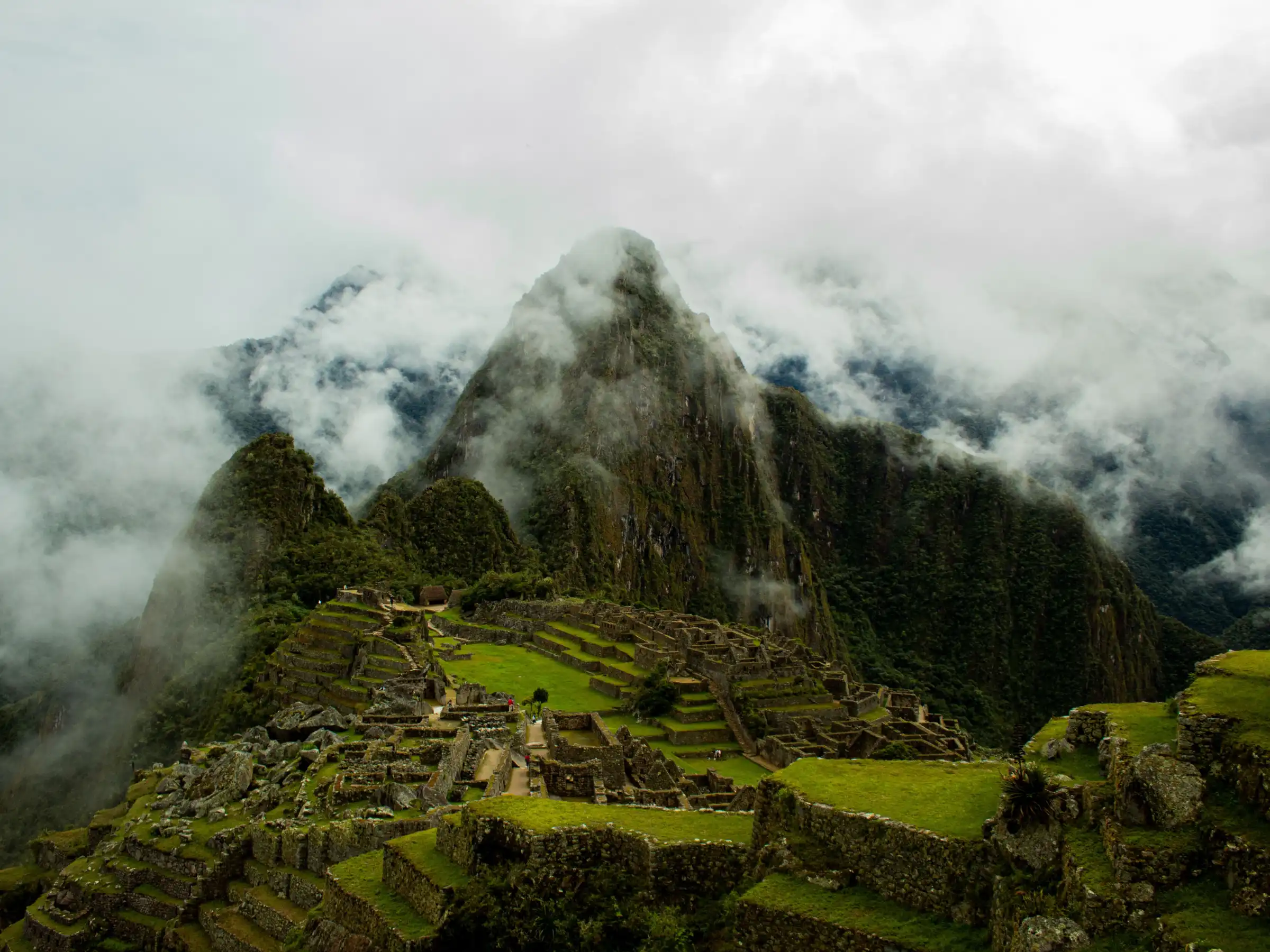
Some of the most beautiful Machu Picchu moments happen when clouds move across the mountains, sunlight breaks through mist, or the stone terraces appear slowly from fog.
That is why the best time to visit Machu Picchu should be chosen based on your travel style—not only a weather chart.

Best month to visit Machu Picchu
Machu Picchu can be visited year-round, but the experience changes significantly from month to month. Weather, cloud cover, visibility, trail conditions, crowd levels, and ticket availability all shift throughout the year.
Because Machu Picchu sits in a humid mountain environment between the Andes and the Amazon basin, weather can change quickly. A clear morning can become cloudy by midday, and mist can move across the ruins even during the dry season. This is part of what makes the site so atmospheric—but it also means travelers should choose their dates carefully.
Below is a month-by-month guide to help you decide the best time to visit Machu Picchu based on weather, crowds, photography, hiking conditions, and overall travel experience.
Machu Picchu in January
January is part of the rainy season in Machu Picchu. The landscape is intensely green, the surrounding mountains look lush, and the cloud forest feels alive. This is one of the best months for travelers who want dramatic scenery, misty views, and fewer visitors than the peak dry-season months.
Rain is common, especially in the afternoon, although it does not usually rain all day. Mornings can still offer beautiful windows of visibility, particularly if your entry time is well planned. Clouds often move through the citadel, creating a mysterious and cinematic atmosphere.
Crowds are generally lower than in June, July, and August, but early January can still be busy due to New Year travel. After the holiday period, visitor pressure usually decreases.
January is not the best month for travelers who want guaranteed blue skies. However, it can be a rewarding time for flexible travelers, photographers who enjoy mood and atmosphere, and visitors who prefer a quieter experience.
Machu Picchu in February
February is usually one of the wettest months in the Machu Picchu region. The mountains are at their greenest, waterfalls are more active, and the cloud forest surrounding the citadel feels especially lush.
This is also one of the quietest months for tourism. Travelers who visit in February often find fewer people at viewpoints, in Aguas Calientes, and along the train route. For those who dislike crowds and are comfortable with rain, February can offer a more intimate experience.
However, February is not ideal for everyone. Trails can be slippery, visibility may be limited by clouds or mist, and travel plans require more flexibility. The Classic Inca Trail is usually closed in February for maintenance, although Machu Picchu itself normally remains open.
Photography in February can be beautiful, but unpredictable. Some days bring heavy cloud cover, while others offer brief, powerful moments when the mountains open dramatically after rain.
Machu Picchu in March
March marks the transition between the rainy season and the drier months ahead. Rain is still possible, but conditions usually begin to improve as the month progresses. The mountains remain beautifully green, and the heavier rains of January and February often begin to ease.
For many travelers, March offers good value. Crowds are still moderate, the scenery is fresh and vibrant, and ticket demand is not as intense as in peak season. This can make March a practical option for visitors who want a balance between scenery and availability.
Visibility can vary. Some mornings are misty, while others are surprisingly clear. Because the landscape is still green, March can be excellent for photography, especially for travelers who enjoy cloud movement and softer light rather than only bright blue skies.
Hiking conditions are better than in February but can still be wet. Travelers considering Huayna Picchu, Machu Picchu Mountain, or other add-on hikes should be prepared for potentially slippery steps and changing weather.
Machu Picchu in April
April is one of the best months to visit Machu Picchu.
The rainy season is ending, but the mountains are still green and full of life. Visibility improves, crowds are usually more manageable than in the peak dry season, and the overall atmosphere feels fresh, balanced, and photogenic.
For many travelers, April offers the best of both worlds: greener landscapes than the middle of the dry season, but better weather than the rainy months. This makes it especially attractive for private travelers, families, couples, and photographers.
April is also a very good month for the Short Inca Trail, Sacred Valley combinations, and 2-day Machu Picchu itineraries. The weather is generally more comfortable, and trails begin to dry out while still retaining the lush scenery from the rainy season.
Crowds begin to increase compared with February and March, but they are still usually lighter than June, July, and August. Ticket availability is better than peak season, but early booking is still recommended, especially if you want a preferred circuit or premium train.
Machu Picchu in May
May is one of the strongest months for weather at Machu Picchu. Rainfall is generally lower, visibility is often excellent, and the surrounding mountains remain greener than later in the dry season.
This is a favorite month for first-time visitors because it offers a strong chance of clear views while avoiding some of the extreme crowd pressure of July and August. The conditions are also excellent for photography, guided tours, and hiking add-ons.
May is a particularly good month for travelers who want to combine Machu Picchu with the Sacred Valley, Cusco, the Short Inca Trail, or the Classic Inca Trail. The trails are usually in better condition than during the rainy season, but the landscapes still look rich and colorful.
Crowds increase in May, especially toward the second half of the month. Ticket and train demand also become stronger. Travelers who want Circuit 2-style classic views, Huayna Picchu, Machu Picchu Mountain, or premium trains should book in advance.
Machu Picchu in June
June is part of the dry season and usually offers some of the clearest weather of the year. Blue skies are more common, rainfall is lower, and hiking conditions are generally strong.
For travelers who want classic postcard-style views of Machu Picchu, June is an excellent month. It is also a strong period for Huayna Picchu, Machu Picchu Mountain, the Classic Inca Trail, and the Short Inca Trail.
However, June is also the beginning of very high demand. Cusco becomes busier due to travel season and important cultural celebrations, and Machu Picchu tickets, trains, and hotels can sell out earlier. Visitor flow inside the citadel is more intense, especially around popular routes and photo points.
June is a good month for travelers who prioritize weather and are willing to plan early. It is less ideal for those who dislike crowds or prefer a more relaxed atmosphere.
Machu Picchu in July
July is one of the busiest months of the year at Machu Picchu.
Weather is usually excellent, with dry conditions, strong visibility, and very good hiking opportunities. For many travelers, this is exactly what they imagine when planning a visit: blue skies, dramatic mountain views, and dry trails.
The trade-off is crowd pressure.
July is peak travel season for international visitors, school holidays in many countries, and a very popular time for Peru itineraries. Trains, hotels, entry tickets, and premium services often require advance planning.
Inside Machu Picchu, the experience depends heavily on your entry time and circuit. The most popular routes and viewpoints may feel busy, especially during the main visitor windows.
A private guide and well-coordinated logistics become especially valuable during this month.
July is excellent for weather, but not necessarily the calmest experience.
Machu Picchu in August
August continues the dry-season pattern, with generally clear skies, low rainfall, and good visibility. It is one of the best months for hiking conditions and panoramic views.
Like July, August is also very busy. Demand remains high for Machu Picchu tickets, train services, hotels in Aguas Calientes, and private guides. Popular circuits and mountain hikes can sell out early.
The landscape in August is usually drier than in April or May. The views can be spectacular, but the mountains may not look as green as they do after the rainy season. For some travelers, this is a worthwhile trade-off because the weather is more predictable.
August is a strong choice for travelers who prioritize dry conditions and hiking. It is less ideal for travelers who want a quieter, more exclusive atmosphere unless the itinerary is carefully designed around less congested entry times and train schedules.
Machu Picchu in September
September is one of the best months to visit Machu Picchu.
The dry season conditions often continue, but crowd levels usually begin to ease compared with July and August. This creates a strong balance between reliable weather and a smoother visitor experience.
For private travelers, couples, families, and luxury guests, September can be especially attractive. The weather is still favorable, visibility is usually good, and the atmosphere is often less intense than the peak months.
September is also excellent for hiking. Huayna Picchu, Machu Picchu Mountain, the Short Inca Trail, and the Classic Inca Trail all benefit from generally drier conditions. Photography can be excellent, especially with clearer skies and softer crowd flow.
Although September is less crowded than July and August, it is still a popular month. Tickets and trains should still be booked ahead of time.
Machu Picchu in October
October is another excellent shoulder-season month and one of the best choices for travelers who want a premium experience.
The weather is generally still pleasant, especially in the first half of the month, although rainfall may begin to increase as the rainy season approaches. Crowds are usually lower than in the peak dry-season months, creating a more relaxed atmosphere.
October is particularly good for private travelers who value comfort, timing, and a less crowded experience. It is also a strong month for photography because the light can be softer, the mountains begin to regain some greenery, and the visitor flow is more manageable.
Hiking conditions are usually still good, though travelers should be prepared for occasional rain. Tickets are more available than in July and August, but preferred circuits and mountain hikes should still be booked in advance.
Machu Picchu in November
November marks the beginning of the rainy season, although conditions are often still very manageable. The landscapes become greener, crowds decrease, and the atmosphere begins to feel softer and more peaceful.
Rain becomes more frequent, but November can still offer excellent travel days, particularly in the morning. For travelers who are flexible and want fewer people, November can be a smart choice.
This is a good month for visitors who prefer a quieter experience and are comfortable with some weather variability. It can also be good for photography, especially when clouds and sunlight create dramatic contrast over the ruins.
Hiking is still possible, though trail conditions may become wetter as the month progresses. Travelers planning Huayna Picchu or Machu Picchu Mountain should bring good footwear and be prepared for changing conditions.
Machu Picchu in December
December is a mixed month at Machu Picchu.
The rainy season is underway, so showers are more likely, and the mountains become increasingly green. Early December can be a good time to visit because crowds are often more moderate than during the holiday period.
Late December, however, becomes much busier due to Christmas and New Year travel. Hotels, trains, and Machu Picchu tickets can be under strong demand, especially for travelers planning family trips or broader Peru itineraries.
Weather can vary.
Some days are cloudy and wet, while others offer beautiful openings of light and clear views. For photographers, December can be atmospheric and lush, but it requires patience and flexibility.
December is a good month for travelers who want a festive Peru trip, but it should be planned early—especially if visiting during the holiday season.

Machu Picchu weather Comparison Table
Use this table as a quick planning reference. The best month depends on whether you care most about weather, crowds, photography, hiking, or ticket availability.
| Month | Weather | Crowds | Photography | Hiking |
| January | Rainy, lush | Low to moderate | Dramatic, misty | Moderate |
| February | Wettest month | Low | Very green, cloudy | Limited |
| March | Improving | Moderate | Green and atmospheric | Moderate |
| April | Excellent balance | Moderate | Excellent | Good |
| May | Dry and clear | High | Excellent | Excellent |
| June | Very dry | Very high | Excellent | Excellent |
| July | Very dry | Very high | Excellent | Excellent |
| August | Dry | Very high | Excellent | Excellent |
| September | Dry, pleasant | Moderate | Excellent | Excellent |
| October | Pleasant, mixed later | Moderate | Excellent | Good |
| November | Mixed, greener | Lower | Atmospheric | Moderate |
| December | Mixed, rainy season | High late month | Green and dramatic | Moderate |
Dry Season vs Rainy Season vs Shoulder Season: Which Is Best for Machu Picchu?
Choosing the best time to visit Machu Picchu becomes much easier once you understand Peru’s three main travel periods: the dry season, the rainy season, and the shoulder season.Each season offers a very different experience.
The dry season brings the clearest skies and the most reliable hiking conditions, but also the largest crowds and highest demand for tickets, trains, and hotels. The rainy season brings greener landscapes, misty mountain views, and fewer visitors, but also more unpredictable weather. The shoulder season sits between the two, often offering the best balance for travelers who want good weather without the full intensity of peak tourism.
There is no single “perfect” season for everyone. The right choice depends on what you value most: weather, photography, hiking, lower crowds, smoother logistics, or a more exclusive private travel experience.
|
Season |
Months |
Weather |
Crowds |
Best For |
Main Trade-Off |
|---|---|---|---|---|---|
Dry Season |
May to September |
Clearer skies, less rain |
High to very high |
First-time visitors, hikers, classic views |
More crowds and higher demand |
Rainy Season |
November to March |
Greener, wetter, mistier |
Lower outside holidays |
Flexible travelers, photographers, low-crowd visitors |
Less predictable weather |
Shoulder Season |
April, May, September, October |
Balanced conditions |
Moderate |
Luxury travelers, families, couples, photographers |
Some dates still require early booking |
Machu Picchu in the Dry Season: May to September
The dry season in Machu Picchu runs roughly from May to September and is the most popular time of year to visit. This period usually brings lower rainfall, clearer skies, and better visibility across the surrounding mountains.
For many first-time visitors, this is the season that most closely matches the classic image of Machu Picchu: blue skies, crisp mountain views, and dry stone paths. It is also the best season for travelers planning hiking add-ons such as Huayna Picchu, Machu Picchu Mountain, the Short Inca Trail, or the Classic Inca Trail.
However, the dry season is not automatically the best season for every traveler. It is also the busiest period of the year, especially in June, July, and August. During these months, Machu Picchu tickets, preferred circuits, train seats, hotels in Aguas Calientes, and premium services can sell out far in advance.
For travelers who value clear weather above everything else, the dry season is excellent. For travelers who want a quieter or more relaxed experience, the busiest dry-season months may feel intense unless the visit is carefully planned.
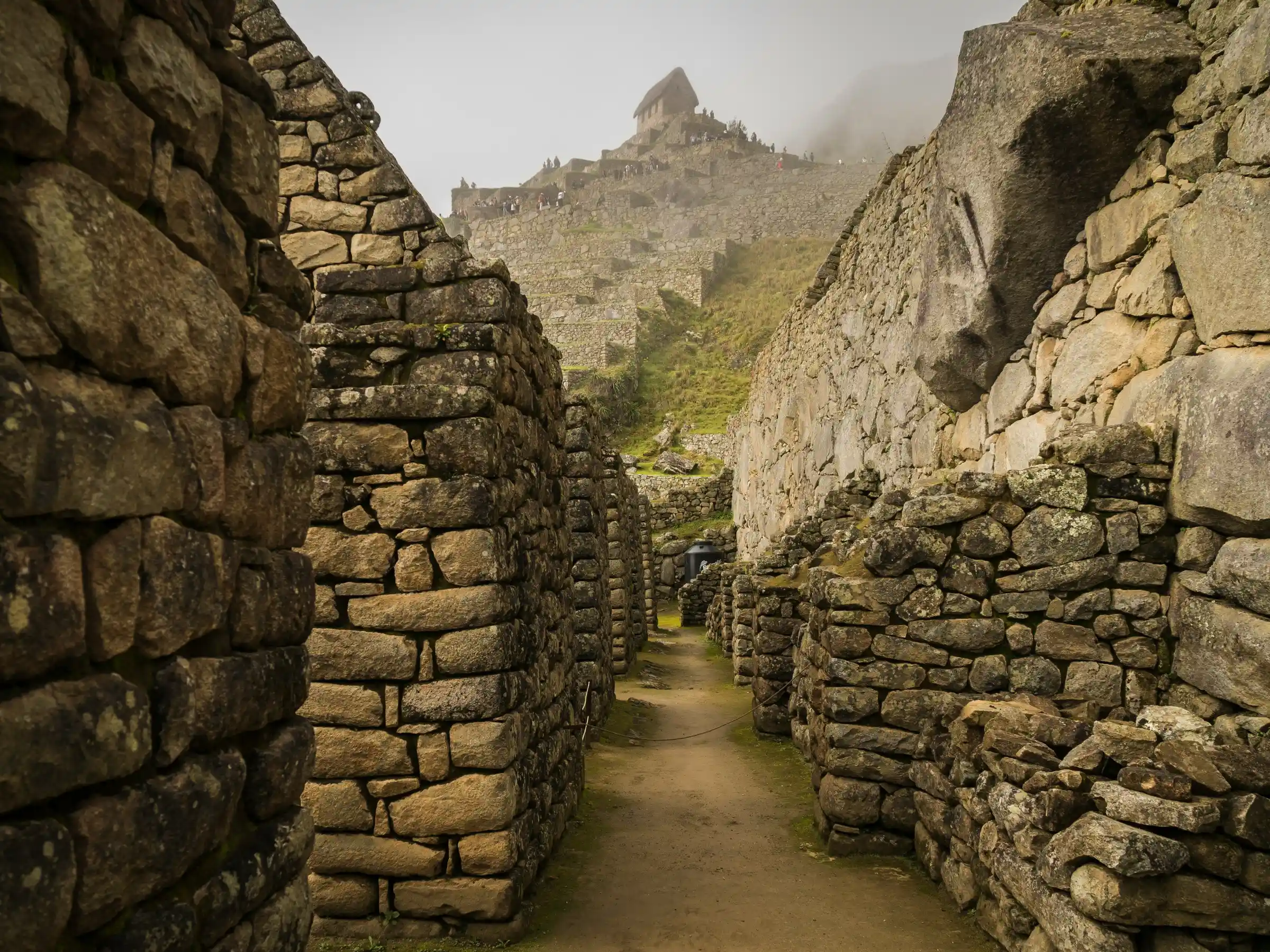
Why Travelers Love the Dry Season
Machu Picchu weatherThe main advantage of the dry season is reliability.
While no month can guarantee perfect weather at Machu Picchu, the dry season generally offers the best chance of:
This is why the dry season is especially attractive for travelers who are visiting Machu Picchu only once and want the highest chance of seeing the famous panoramic views.
It is also the preferred season for many hikers. Stone steps and mountain trails tend to be drier, which can make routes such as Huayna Picchu and Machu Picchu Mountain feel more manageable.
The Main Disadvantage in the Dry Season: Crowds and Availability
The dry season’s biggest disadvantage is demand.
Because the weather is more reliable, more travelers choose to visit during this period. That means:
This does not mean you should avoid the dry season. It simply means you should plan earlier and more strategically.
A private Machu Picchu tour during dry season should not be built randomly. The best experience comes from coordinating your entry time, train schedule, guide, hotel, and circuit around the flow of visitors.
Best Dry-Season Months
If you want dry-season conditions but slightly better balance, May and September are usually stronger choices than July or August.
Who Should Visit Machu Picchu in the Dry Season?
The dry season is best for:
The dry season may not be ideal for:
Machu Picchu in the Rainy Season: November to March
The rainy season in Machu Picchu usually runs from November to March, with the wettest conditions often occurring between January and February.
Many travelers immediately assume the rainy season is a bad time to visit Machu Picchu.
That is not always true.
The rainy season offers a different kind of beauty. The mountains become intensely green, clouds move dramatically through the valley, waterfalls are more visible, and the surrounding cloud forest feels alive. For photographers, nature lovers, and travelers who prefer fewer crowds, the rainy season can be surprisingly rewarding.
The key is flexibility.
Rain is more likely, but it does not necessarily rain all day. Some mornings can be clear, followed by afternoon showers. Other days may be misty, cloudy, or wet. This unpredictability is part of the experience.
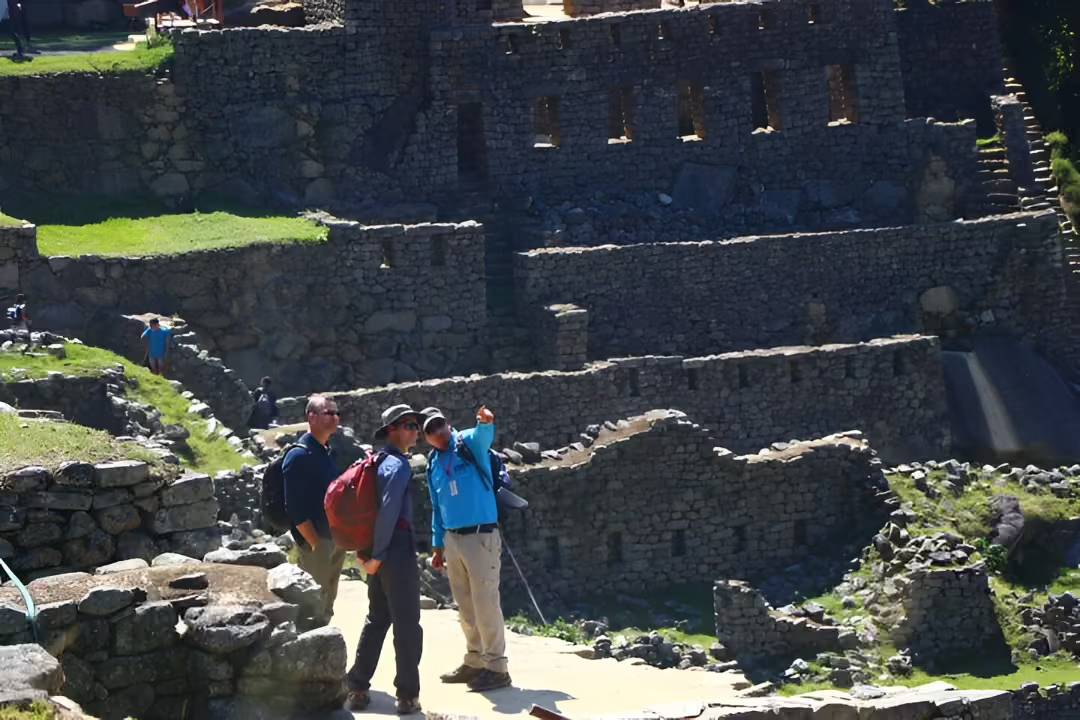
Why Travelers Choose the Rainy Season
Machu Picchu weather
The rainy season is best known for its lush landscapes and lower crowd levels.
Travelers who visit during this period may enjoy:
This season can be especially rewarding for travelers who have already seen many classic destinations and want something more atmospheric and less predictable.
It can also work well for travelers who are flexible with their schedule and understand that not every view will be perfectly clear.
The Main Disadvantage: Weather Variability
The rainy season requires realistic expectations.
Possible challenges include:
This does not mean your visit will be ruined. Many travelers have extraordinary Machu Picchu experiences during the rainy season.
But it does mean you should pack properly, choose your footwear carefully, and avoid building an itinerary that depends on perfect weather.
For hiking add-ons, the rainy season can be more challenging. Routes such as Huayna Picchu and Machu Picchu Mountain involve stone steps and steep sections, which may feel more difficult when wet.
Best Rainy-Season Months
Not all rainy-season months are equal.
For many travelers, March and November are the most practical rainy-season months.
Who Should Visit Machu Picchu in the Rainy Season?
The rainy season is best for:
The rainy season may not be ideal for:
Shoulder Season: The Smartest Time for Many Travelers
The shoulder season is the transition period between the rainy season and the dry season.
For Machu Picchu, the strongest shoulder-season months are generally:
April, May, September, and October.
These months often provide the best overall experience because they combine many of the advantages of both seasons:
For many travelers, shoulder season is the smartest time to visit Machu Picchu.
It is especially attractive for people who want a premium experience—not necessarily the cheapest trip or the driest possible month, but the best overall balance.
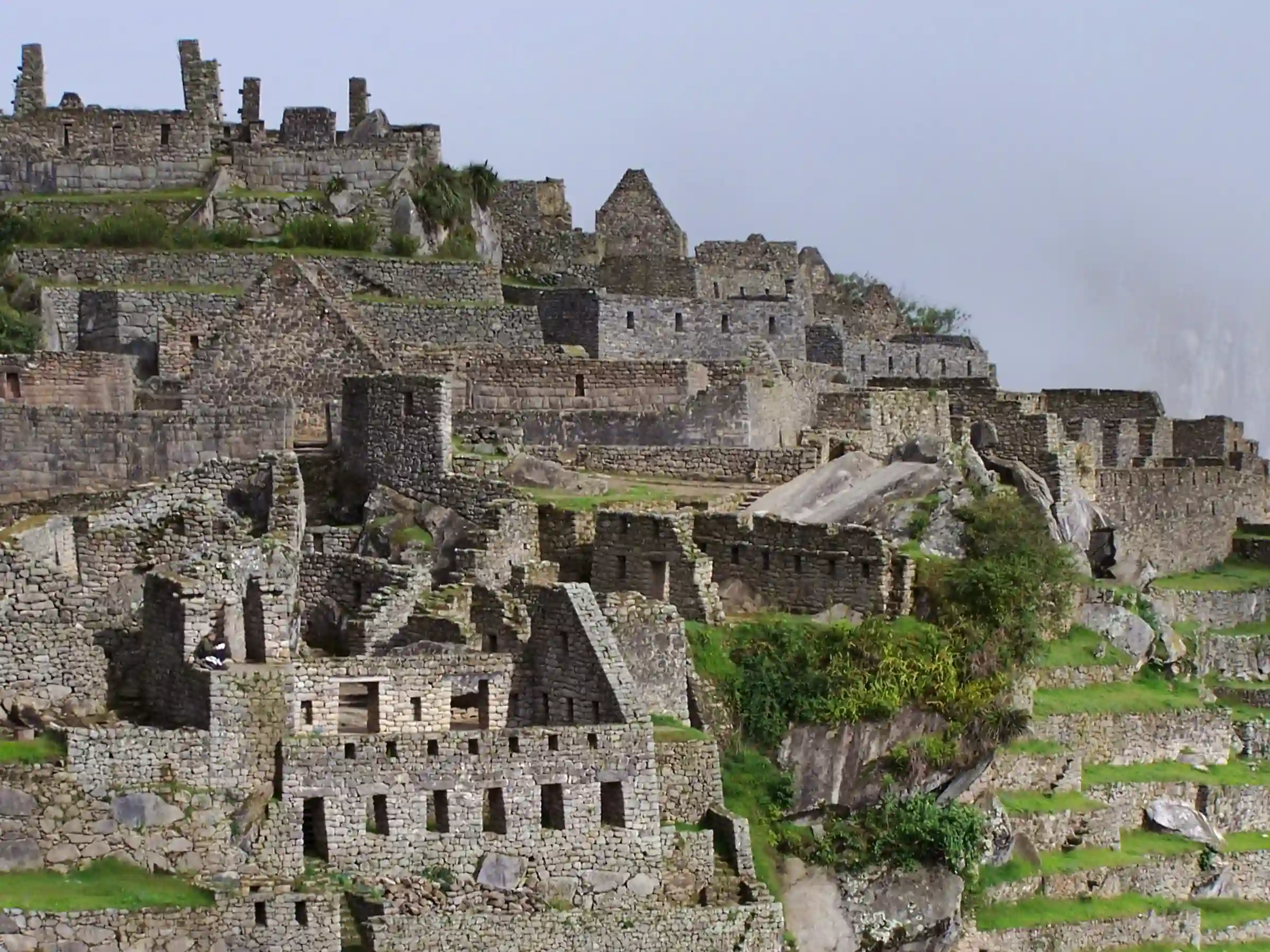
Why Shoulder Season Works So Well
The shoulder season is powerful because it reduces compromise.
In April and May, the rainy season has recently ended or is ending. The landscapes are still green, but the weather begins to stabilize. This creates excellent conditions for photography and private travel.
In September and October, the busiest dry-season months have passed. Weather is still generally favorable, but crowd pressure begins to ease. This creates a smoother atmosphere for travelers who value comfort and pacing.
This is why shoulder season often works so well for:
It provides a refined travel experience without the full pressure of peak season.
April: The Green Shoulder Month
April is one of the most beautiful months to visit Machu Picchu.
The mountains are still green from the rainy season, but rainfall usually begins to decrease. The result is a rare combination of freshness, color, and improving visibility.
April is excellent for:
It is one of our top recommended months for travelers who want Machu Picchu to feel alive and atmospheric without the heaviest rainy-season conditions.
May: The Bridge into Dry Season
May is one of the best months for Machu Picchu weather.
The dry season is beginning, skies are often clearer, and the mountains are still greener than they will be later in the year. For many first-time visitors, May offers one of the strongest combinations of visibility and beauty.
May is excellent for:
Crowds begin to increase in May, so advance planning is still important. But compared with July and August, May often feels more balanced.
September & October: The Softer End of Dry Season
September and October are the best months for travelers who want dry-season conditions with less intensity than peak season.
The weather is often still favorable, hiking conditions remain strong, and visitor flow begins to soften after the busiest months.
September is excellent for:
For many travelers, September is one of the most comfortable and rewarding months to visit Machu Picchu.
Expert Planning Tip: The Best Season Also Depends on Your Itinerary
Machu Picchu ticket tipsMany travelers choose their Machu Picchu dates in isolation.
That is a mistake.
Your best travel season also depends on the rest of your Peru itinerary.
For example:
If you are visiting Lima and Machu Picchu, May to October usually works very well for the Andes, while Lima may be grey during some of those months.
If you are combining Machu Picchu with the Amazon, you should consider both mountain weather and rainforest conditions.
If you are planning the Inca Trail, dry-season and shoulder-season dates are usually more comfortable.
If you are planning a luxury Peru itinerary, April, May, September, and October often provide better balance for hotels, trains, guides, and crowd management.
If you are traveling with children or seniors, avoiding the busiest and most rushed periods can be more important than choosing the driest month.
A strong itinerary looks at the full journey—not just one day at Machu Picchu.
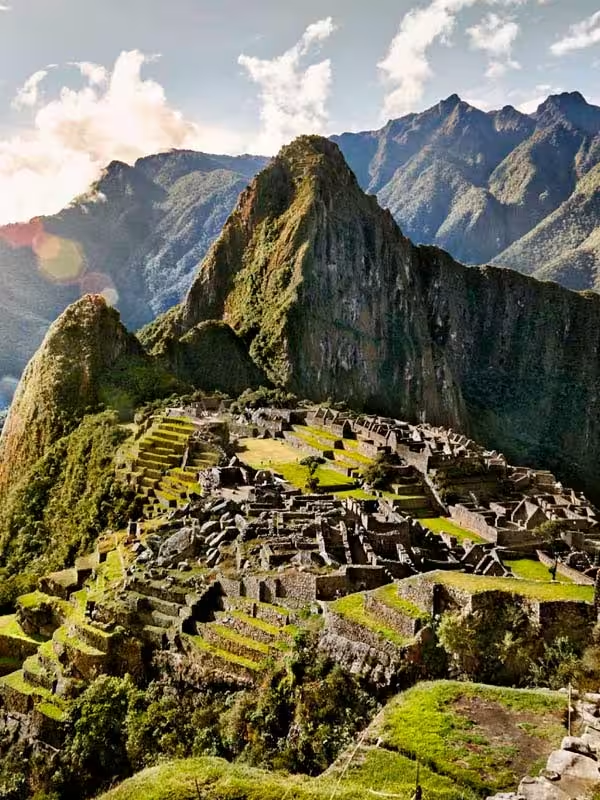
Crowds, Peak Hours & How to Avoid the Busiest Times at Machu Picchu
Crowds are one of the most important factors when choosing the best time to visit Machu Picchu.
Many travelers focus only on weather. But in reality, your experience can change dramatically depending on the month, entry time, train schedule, assigned circuit, and how well your visit is coordinated.
A beautiful clear day can feel stressful if you arrive during the busiest visitor window. A cloudy afternoon can feel magical if the citadel is quieter, the light is softer, and your guide has time to help you understand the site without rushing.
To plan Machu Picchu properly, you need to understand not only when people travel, but also how people arrive.
When Is Machu Picchu Most Crowded?
Machu Picchu is usually busiest during the dry-season months of June, July, and August, when international travel demand is high and weather conditions are more reliable. Visitor numbers also increase during major holiday periods, especially around Christmas, New Year, Easter week, and long holiday weekends in Peru.
The busiest periods are generally:
These dates do not mean you should avoid Machu Picchu completely. They simply require better planning.
During high-demand months, the most popular entry times, preferred circuits, train schedules, and hotel options in Aguas Calientes may sell out earlier. If you want a smoother experience, you should secure your tickets and logistics as early as possible.
The Least Crowded Months at Machu Picchu
The lowest crowd levels are usually found during the rainy-season and shoulder-season months, especially outside holiday dates.
The quieter months are often:
April and October can also feel more balanced because they often combine manageable crowd levels with better weather than the main rainy-season months.
For travelers who prefer a more peaceful experience, March, April, October, and November are often strong choices. These months may not always offer the absolute clearest weather, but they often provide a more comfortable visitor flow.
Why Morning Is Not Always the Quietest Time
Many travelers assume that the earliest entry is always the best.
That is not always true.
Early morning is popular because travelers hope to see sunrise or enter before the main crowds. However, many group tours, Inca trail hikers, and overnight visitors also target the morning. This can make certain morning entry windows busier than expected.
Morning visits can be excellent, especially when the weather is clear. But they are not automatically more peaceful.
The busiest feeling inside Machu Picchu often happens when several visitor flows overlap:
This is why crowd management is not just about choosing “early” or “late.”
It is about choosing the right combination of ticket, circuit, train, bus, guide, and timing.
Why Afternoon Visits Can Sometimes Feel Better
Afternoon visits are often underestimated.
For some travelers, especially those who want a calmer experience, an afternoon entry can be a smart choice. By this time, many early visitors have already completed their tour, returned to Aguas Calientes for lunch, or moved toward the train station.
Afternoon visits can offer:
This is especially valuable for families, couples, seniors, and travelers who do not want to begin the day at 3:00 or 4:00 a.m.
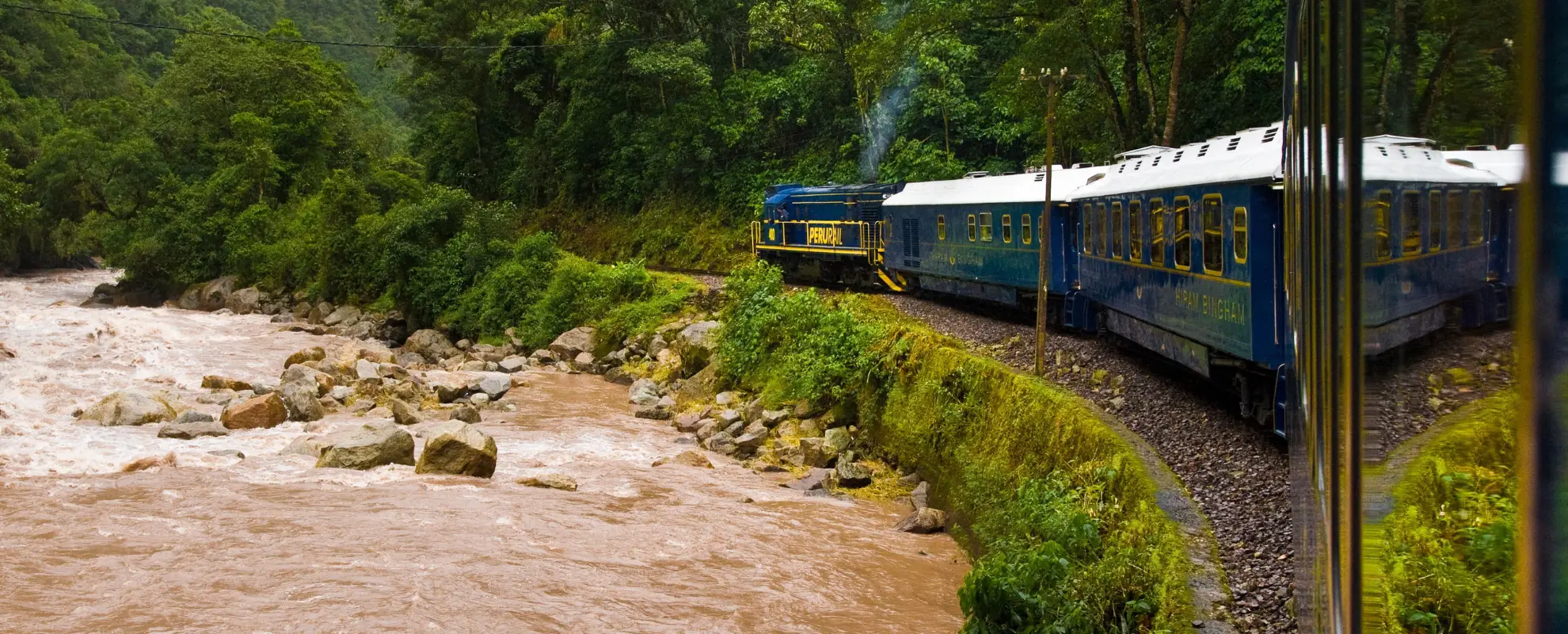
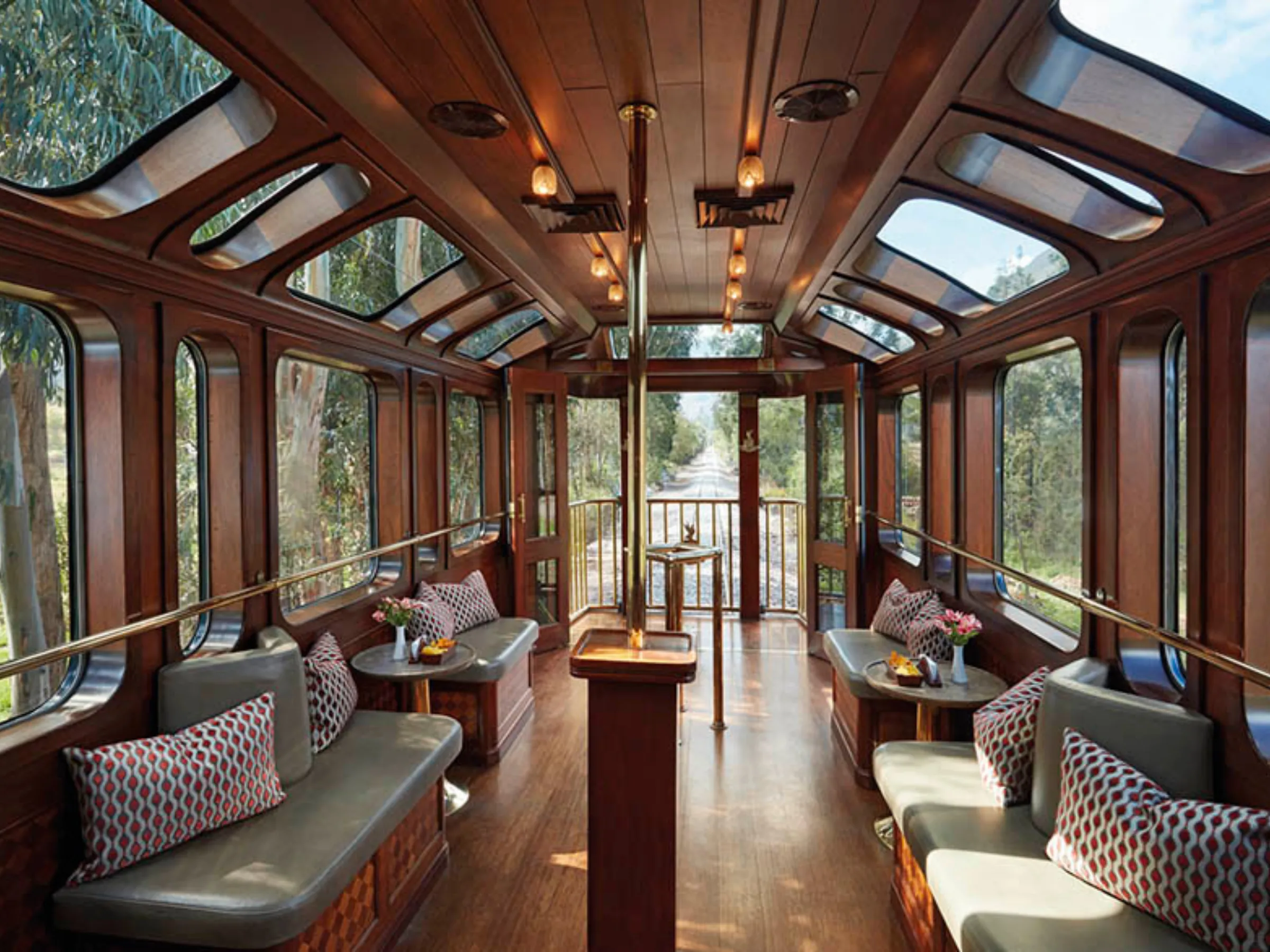
This is one of the reasons why luxury travellers to Machu Picchu by Hiramg Bingham Train also visit machu picchu after 1 pm.
However, afternoon visits are not perfect for everyone. Weather can sometimes become cloudier later in the day, especially during the rainy season. Also, your experience depends heavily on your assigned circuit and return train schedule.
For the right traveler, though, an afternoon Machu Picchu visit can feel more refined and relaxed than the busiest morning windows.
How Train Schedules Affect Crowds
Machu Picchu does not become crowded randomly.
Crowds are strongly influenced by train arrivals.
Most travelers arrive in Aguas Calientes by train, then take the shuttle bus up to the Machu Picchu entrance. When several trains arrive within a short period, bus lines and entry points can become busier.
This is one of the reasons independent travelers sometimes feel rushed. They may choose a train because it seems convenient, without realizing how it connects to their entry time, bus timing, lunch plans, or return train.
A good Machu Picchu itinerary should coordinate:
When these pieces are not aligned, even a beautiful Machu Picchu day can feel stressful.
When they are aligned properly, the visit feels effortless.
How the Bus Line Affects Your Experience
From Aguas Calientes, you should take the shuttle bus to Machu Picchu. The ride takes around 25 minutes along a winding mountain road.
During busy periods, the bus line can become one of the most important parts of the day. If you underestimate the line, you may feel rushed before even entering the site.
This matters because Machu Picchu tickets are timed. You cannot simply arrive whenever you want. You need to be at the entrance with enough time to pass controls, use the restroom if needed, and prepare for your assigned route.
For a smoother experience, we recommend building a buffer into your schedule.
Do not plan your bus ride too close to your entry time.
How Circuits Influence Crowds
Not all parts of Machu Picchu feel equally crowded.
The official circuit or route on your ticket affects what you see, how long you spend inside, where you take photos, and how many other visitors are moving through the same areas.
Some routes are more popular because they include the most classic viewpoints. These routes tend to sell out earlier and feel busier during peak periods.
Other routes may feel calmer but may not include the same iconic photo angles that many first-time visitors expect.
This is why choosing the correct Machu Picchu ticket is essential.
A traveler who only thinks about the month may still be disappointed if the assigned circuit does not match their expectations. A traveler who books the right circuit but chooses a poor train schedule may still feel rushed.
The best experience happens when the circuit, entry time, guide, and transportation plan all work together.
Best Times of Day to Visit Machu Picchu
There is no single best hour for everyone, but each part of the day offers a different experience.
|
Time of Day |
Experience |
Best For |
|---|---|---|
|
Early morning |
Atmospheric, possible mist, popular entry window |
Sunrise seekers, overnight guests, hikers |
|
Mid-morning |
Brighter light, stronger visibility |
First-time visitors, classic photography |
|
Midday |
Stronger sun, clearer views on dry days |
Travelers with later trains or flexible timing |
|
Afternoon |
Softer crowds, calmer rhythm, warmer light |
Families, couples, seniors, private tours |
For many travelers, the “best” time is not simply the earliest time.
It is the time that matches your travel style and creates the least stressful day.
Best Time to Visit Machu Picchu to Avoid Crowds
If your main goal is to avoid the busiest times at Machu Picchu, consider traveling during the shoulder season or quieter rainy-season months.
The best months to avoid crowds are generally:
For the best balance of lower crowds and better weather, choose April or October.
For the quietest atmosphere, choose February, March, or November, understanding that weather may be less predictable.
If you must travel during June, July, or August, book early and work with a guide or local operator who can help coordinate timing around the busiest visitor flows.
How to Avoid the Longest Lines
You cannot avoid every crowd at Machu Picchu, but you can reduce stress with better planning.
Here are the most important strategies:
The Best Low-Crowd Strategy for Private Travelers
For private travelers, the goal is not necessarily to find an empty Machu Picchu.
That is unrealistic.
The goal is to design a visit that feels smooth, calm, and well-paced despite the number of other visitors.
The best low-crowd strategy usually combines:
For many premium travelers, the best experience is not the earliest possible visit. It is the best-coordinated visit.
A well-designed private Machu Picchu tour allows you to avoid unnecessary waiting, reduce stress, and focus on the meaning of the site rather than the logistics around it.
Should You Visit Machu Picchu in the Morning or Afternoon?
This is one of the most common questions travelers ask.
The answer depends on your priorities.
Morning Visit: Best for Classic Expectations
A morning visit is ideal if you want the traditional Machu Picchu experience, especially if you are staying overnight in Aguas Calientes and want to start early.
Morning visits can be excellent for:
The disadvantage is that morning entries can be popular. You may share the experience with many other travelers who have the same idea.
Afternoon Visit: Best for a Calmer Experience
An afternoon visit can be ideal for travelers who value comfort, fewer large groups, and a more relaxed rhythm.
Afternoon visits can be excellent for:
The disadvantage is that weather can be less predictable later in the day, especially in rainy season. Return train timing must also be planned carefully.
Our Local Recommendation
If you are traveling in peak season and want a classic circuit or mountain hike, a morning visit may be the best option.
If you are traveling as a family, couple, or private group and want a calmer experience, an afternoon visit can be excellent—especially when the ticket, train, guide, and return logistics are properly coordinated.
The best choice is not universal.
The best choice is the one that fits your itinerary.
How Private Guiding Helps During Busy Times
A private guide cannot change the official route on your ticket.
But a skilled private guide can greatly improve how the experience feels.
A private guide helps by:
In a large group, you move at the group’s pace.
In a private tour, the rhythm is yours.
This is especially important when Machu Picchu is busy. The site may have many visitors, but your experience can still feel personal, meaningful, and well organized.
Local Expert Summary: How to Avoid the Worst Crowds at Machu Picchu
If you want to avoid the busiest Machu Picchu experience, focus on three things:
season, timing, and logistics.
The best months for lower crowds are usually March, April, October, November, and early December.
The busiest months are usually June, July, August, and late December.
Morning is not always quieter. Afternoon entries can sometimes feel calmer, especially for private travelers, families, and couples.
The most important point is this:
Machu Picchu crowd levels are not only about the number of visitors.
They are about how your visit is designed.
A well-planned private itinerary can make Machu Picchu feel smoother even during busy months. A poorly planned itinerary can feel rushed even during a quieter season.
To avoid unnecessary stress, choose your month carefully, secure the right ticket early, match your train and bus timing properly, and work with a guide who understands how the site flows throughout the day.
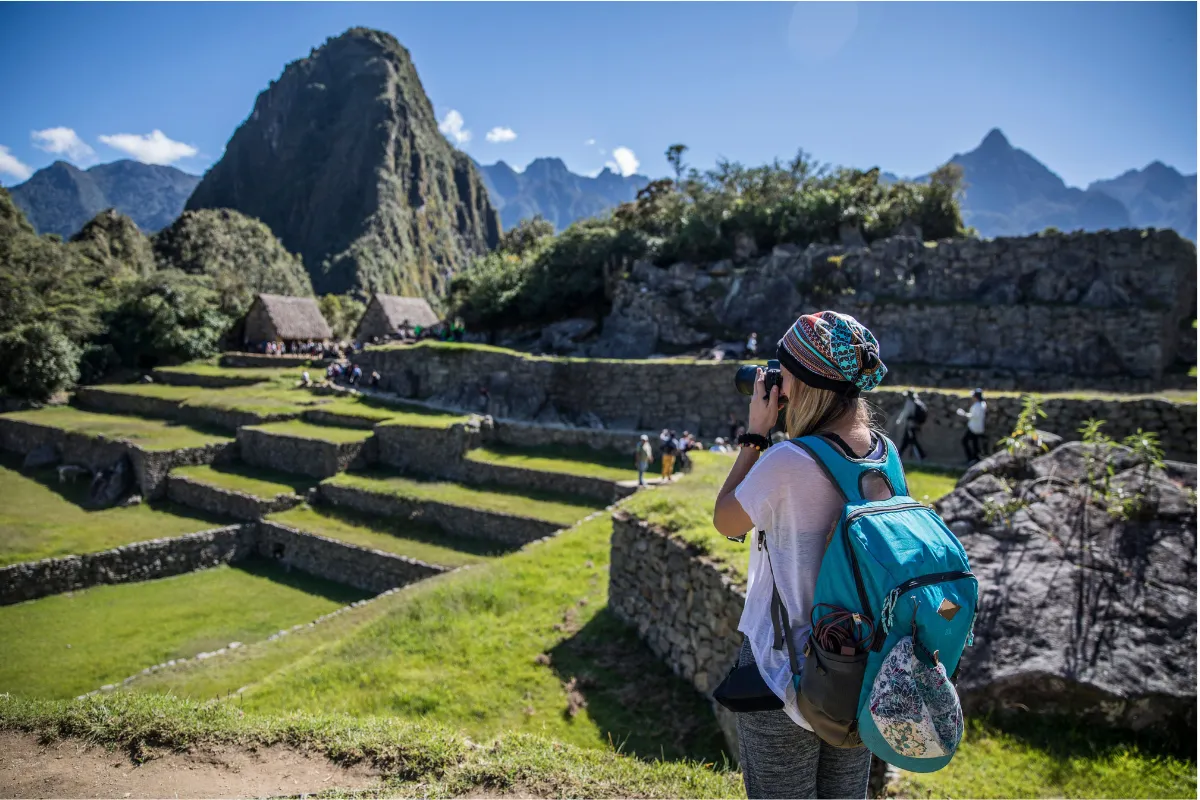
Machu Picchu Tickets, Circuits & Timed Entry — Why Planning Ahead Matters
Choosing the best time to visit Machu Picchu is not only about weather and crowds. Today, one of the most important parts of planning is understanding how Machu Picchu tickets, circuits, timed entry, and official routes work.
In the past, many travelers imagined that visiting Machu Picchu meant simply buying an entrance ticket and walking through the archaeological site at their own pace. That is no longer how the visit works.
Machu Picchu now operates with a more controlled access system designed to manage visitor flow, protect the archaeological site, and reduce congestion. Instead of one general entrance ticket, travelers must choose a ticket connected to a specific route, entry time, and section of the sanctuary.
Nowadays, you must choose from 10 different tickets/routes, organized under broader circuit concepts such as panoramic, classic, and royalty/royal routes.
This means your ticket determines much more than your entrance time.
It affects:
For this reason, planning ahead is essential. The “best” month to visit Machu Picchu can still lead to a disappointing experience if you secure the wrong circuit, book too late, or choose a train schedule that does not match your entry time.
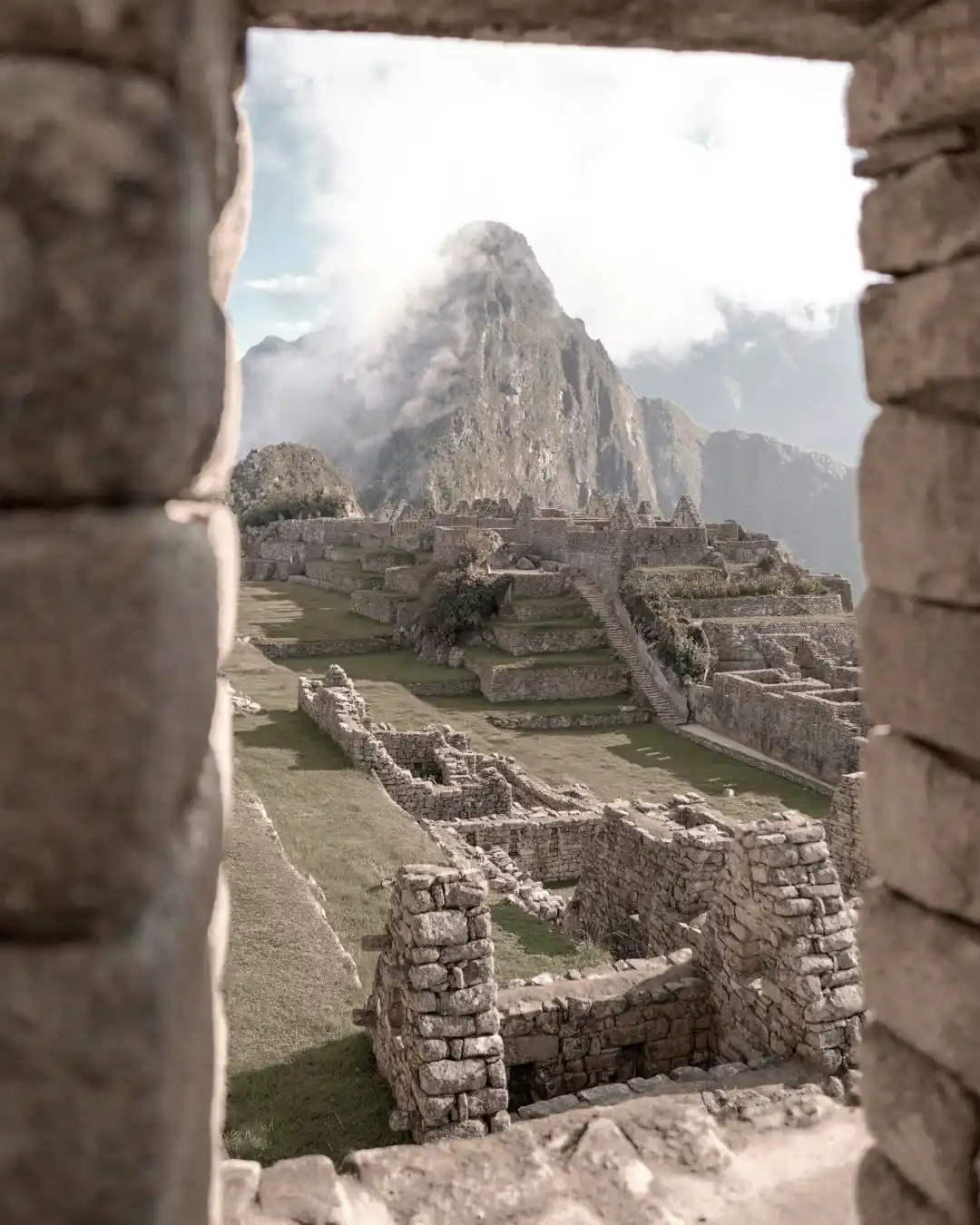
Why Machu Picchu Tickets Are No Longer One-Size-Fits-All
A Machu Picchu ticket is no longer simply a pass to enter the site and explore freely.
Each ticket is connected to a defined visitor experience. Some routes focus on panoramic views. Others include more archaeological depth. Some routes include mountain hikes, while others are better suited for travelers who prefer less walking.
This matters because different travelers expect different things from Machu Picchu.
A first-time visitor may want the famous postcard view and a more complete introduction to the citadel. A photographer may prioritize upper terraces and wide views. A hiker may want Huayna Picchu or Machu Picchu Mountain. A senior traveler may prefer a gentler route. A family may want a circuit that avoids unnecessary exhaustion.
The correct ticket should match the traveler.
Not every ticket offers the same experience.
That is why ticket selection is now one of the most important parts of Machu Picchu planning.
The Three Main Machu Picchu Circuit Concepts
Although ticket names and route details may change over time, Machu Picchu’s current visitor system is commonly explained through three broad circuit concepts: panoramic, classic, and royalty/royal-style routes. These categories help travelers understand the type of experience each ticket provides.
Machu Picchu Circuits & Routes Comparison Table
Machu Picchu tickets are organized by official circuits and routes. Each route offers a different experience, so choosing the right one is essential. Some routes focus on panoramic viewpoints, others include the classic archaeological visit, and others explore lower ceremonial sectors or mountain hikes.
|
Circuit / Route |
Main Experience |
Extra Hike Included? |
Best For |
Approx. Duration |
Important Notes |
|---|---|---|---|---|---|
|
Circuit 1 – Route A: Panoramic + Machu Picchu Mountain |
Upper panoramic views of Machu Picchu plus access to Machu Picchu Mountain |
Yes — Machu Picchu Mountain |
Photographers, hikers, travelers wanting wide mountain views |
3–4 hours if hiking |
The mountain hike is optional. Even without hiking, travelers can still follow the assigned panoramic route. |
|
Circuit 1 – Route B: Superior Terrace |
Classic panoramic views from the upper terraces |
No |
Travelers who want the classic Machu Picchu photo without an extra hike |
Around 1.5–2 hours |
Great for photography, but it does not include the lower urban sectors, temples, plazas, or main archaeological areas. |
|
Circuit 1 – Route C: Inti Punku / Sun Gate |
Upper panoramic route plus hike to the Sun Gate |
Yes — Sun Gate hike |
Travelers who want to experience the final stretch of the Inca Trail |
Around 2–2.5 hours total |
Available only from June to October. Allow enough time if returning by train the same day. |
|
Circuit 1 – Route D: Inca Bridge |
Upper panoramic route plus short hike to the Inca Bridge viewpoint |
Yes — Inca Bridge hike |
Travelers wanting a shorter scenic hike |
Around 1 hour round trip for the hike |
Available only from June to October. Not recommended for travelers afraid of heights. |
|
Circuit 2 – Route A: Classic Designed Route |
The most complete classic Machu Picchu experience, combining panoramic views and main archaeological sectors |
No |
First-time visitors, private guided tours, travelers wanting the most complete route |
Around 3–3.5 hours |
Usually the most requested route. Ideal for the classic view plus temples, plazas, and deeper site interpretation. |
|
Circuit 2 – Route B: Classic Lower Terrace |
Classic Machu Picchu views plus selected archaeological areas |
No |
First-time visitors who want the classic photo and a strong general visit |
Around 3 hours |
Often the second most demanded route. Excellent option if Route A is not available. |
|
Circuit 3 – Route A: Royalty + Huayna Picchu |
Lower ceremonial sectors plus Huayna Picchu hike |
Yes — Huayna Picchu |
Adventure hikers, active travelers, travelers in good physical condition |
Around 4 hours total |
Limited access. Best for travelers comfortable with steep paths and heights. Includes lower-sector sites such as Temple of the Sun, King’s House, and Temple of the Condor area. |
|
Circuit 3 – Route B: Royalty Designed Route |
Lower archaeological and ceremonial sectors |
No |
Seniors, travelers wanting less climbing, repeat visitors who already have panoramic photos |
Around 2 hours |
One of the shortest and gentlest routes. Good for archaeology-focused visitors, but it does not provide the classic panoramic viewpoint. |
|
Circuit 3 – Route C: Royalty + Great Cavern |
Lower ceremonial route plus hike to the Great Cavern |
Yes — Great Cavern hike |
Adventurous travelers, repeat visitors, those seeking a less-visited area |
Around 4 hours total |
Available only from June to October. Access usually requires early time slots. The hike is optional; travelers can still visit the included lower route. |
|
Circuit 3 – Route D: Royalty + Huchuy Picchu |
Lower ceremonial route plus Huchuy Picchu hike |
Yes — Huchuy Picchu |
Travelers wanting a shorter mountain add-on |
Around 3 hours total |
Available only from June to October. A lighter hiking option than Huayna Picchu or Machu Picchu Mountain. |
Machu Picchu Circuits & Routes Comparison Table
Machu Picchu tickets are organized by official circuits and routes. Each route offers a different experience, so choosing the right one is essential. Some routes focus on panoramic viewpoints, others include the classic archaeological visit, and others explore lower ceremonial sectors or mountain hikes.
Which Machu Picchu Circuit Should You Choose?
|
Traveler Type |
Recommended Circuit / Route |
Why |
|---|---|---|
|
First-time visitors |
Circuit 2 – Route A or B |
Best balance of classic views and archaeological exploration. |
|
Photographers |
Circuit 1 – Route A or B |
Best for elevated panoramic viewpoints and wide landscape photography. |
|
Travelers wanting the classic Machu Picchu photo |
Circuit 2 – Route A/B or Circuit 1 – Route B |
These routes are most aligned with the iconic postcard-style views. |
|
Adventure hikers |
Circuit 3 – Route A or Circuit 1 – Route A |
Best for Huayna Picchu or Machu Picchu Mountain hikes. |
|
Seniors or travelers wanting less climbing |
Circuit 3 – Route B |
Shorter, gentler route through important lower archaeological sectors. |
|
Repeat visitors |
Circuit 1 routes or Circuit 3 routes |
Good for seeing a different side of Machu Picchu beyond the standard classic route. |
|
Travelers afraid of heights |
Avoid Route 1-D and Huayna Picchu |
Inca Bridge and Huayna Picchu include sections that may feel exposed. |
|
Travelers with limited time |
Circuit 2 – Route B or Circuit 3 – Route B |
More manageable timing than long hiking routes |
|
Luxury travelers |
Circuit 2 – Route A or B |
Best for a complete, meaningful, and well-paced first visit. |
|
Families |
Circuit 2 – Route B or Circuit 3 – Route B |
Good balance of experience and manageable pacing depending on children’s age and energy. |
Local Insight: The Best Circuit for First-Time Visitors
For most first-time visitors, we strongly recommend Circuit 2, especially Route A or Route B when available.
These routes provide the best balance between the famous panoramic view of Machu Picchu and access to the main archaeological areas inside the citadel, including temples, plazas, terraces, and important ceremonial spaces.
Circuit 1 is excellent for panoramic photography, but some routes do not include the lower urban sectors of Machu Picchu. Circuit 3 can be excellent for archaeology, seniors, or add-on hikes, but it may not include the classic elevated viewpoint many travelers expect.
For that reason, travelers visiting Machu Picchu for the first time should not choose a ticket only based on availability. The circuit should match the experience they imagine.
If this is your first time visiting Machu Picchu, Circuit 2 is usually the best choice.
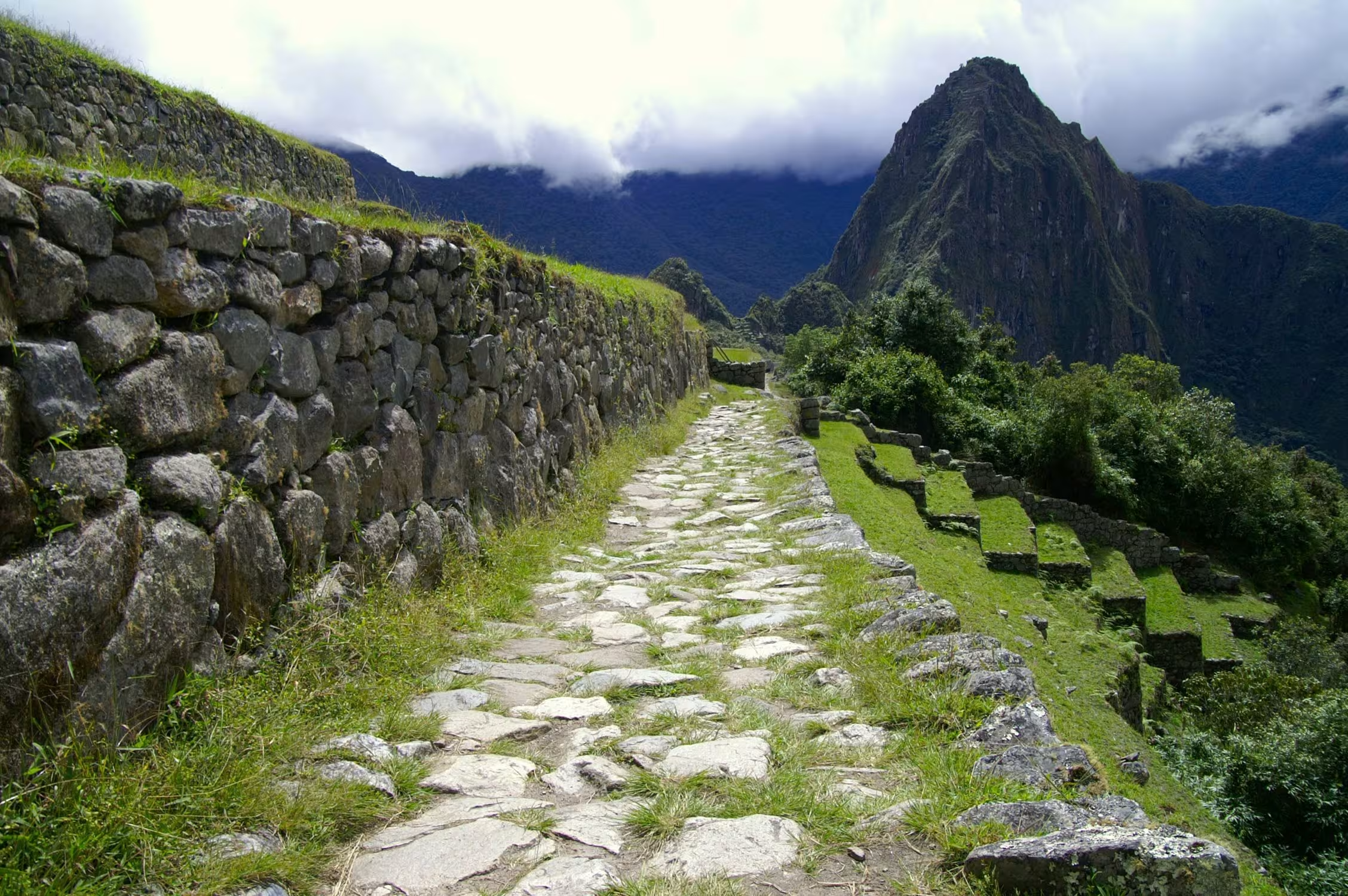
Why Circuit Choice Matters More Than Most Travelers Realize
Your circuit is not a small detail.
It shapes your entire visit.
A traveler who books the wrong ticket may arrive expecting one experience and receive another. For example, a ticket focused on panoramic viewpoints may not allow the same access into the urban archaeological sector. A ticket that includes lower archaeological areas may not include the most iconic upper photo angle. A mountain-hike ticket may require more physical effort and a different schedule.
That is why we do not recommend choosing a ticket only based on availability or price.
The ticket should be chosen based on:
A well-selected ticket can make the experience feel smooth and complete.
A poorly selected ticket can create disappointment, even if the weather is perfect.
Which Machu Picchu Tickets Sell Out First?
The highest-demand tickets are usually those that include the most requested viewpoints, classic-style routes, or mountain hikes.
In practical terms, the tickets that tend to sell out earlier include:
High demand is especially strong during the dry season and around major holiday periods. Dayli visitor quotas are controlled, with strict limits intended to protect the site and manage visitor flow. There are 4,500 entries in low season and 5,600 in high season.
The main lesson is simple:
If you care about a specific route, viewpoint, entry time, or mountain hike, do not wait until the last minute.
What Timed Entry Means
Machu Picchu tickets are connected to specific entry times.
This means you cannot simply arrive whenever you want and enter freely. Your transportation, bus ride, guide timing, and train schedule must be organized around your official entry window.
Timed entry affects the entire day.
For example, if your train arrives late in Aguas Calientes and your Machu Picchu entrance is too early, the day becomes stressful, couse you wont be able to get in.
If your return train leaves too soon after your tour, you may not have enough time for lunch or a calm descent.
If you do not plan properly when to take the bus from Machu Picchu, you may be rushing before even entering the site.
A smooth Machu Picchu visit requires aligning:
This is why ticket timing should never be planned separately from the rest of the journey.
Why Train Times Must Match Your Entry Ticket
One of the biggest mistakes travelers make is booking trains and tickets separately without checking how they connect or even with out checking availabilities.
A Machu Picchu ticket gives you access at a specific time. A train ticket gets you to Aguas Calientes at a specific time. The shuttle bus takes around 25 minutes from town to the entrance. You also need time to qeue for bus and the timing depends on the season. You will need time to pass through controls, use the restroom if needed, and prepare for your route.
If the train arrives too close to the entry time, you risk feeling rushed.
If the return train leaves too early, you may have to shorten your visit to machu picchu.
If the train schedule and circuit do not match, the entire day may feel poorly designed.
This is one reason why many travelers prefer a private Machu Picchu tour. A local operator can coordinate the entry ticket, train schedule, bus timing, and guide service as one complete experience rather than separate pieces.
Why Huayna Picchu Requires Extra Planning
Huayna Picchu is one of the most requested add-on hikes at Machu Picchu. Only 07 & 10 am entrance times allowed.
It is the steep mountain seen behind the citadel in many classic photos. The hike offers dramatic views but requires strong footing, comfort with steep stone steps, and a good level of fitness. Condé Nast Traveler describes Huayna Picchu as a high-effort route with steep stairs and a bird’s-eye view back over the site and from our years of experience it is absolutely true.
Huayna Picchu is not something to decide at the entrance. It was until 2010, not animore.
It requires a specific ticket and must be reserved in advance. Availability is limited, and during high-demand months, tickets can sell out quickly.
Huayna Picchu is best for:
It is not ideal for:
If Huayna Picchu is important to you, your entire itinerary should be planned around that ticket
Why Machu Picchu Mountain Also Needs Advance Booking
Machu Picchu Mountain is another popular add-on hike, offering broad panoramic views over the sanctuary and surrounding peaks. Only 7 & 9 am entrance times allowed.
This hike is longer than the standard citadel visit and requires more time and energy. It is usually better suited for travelers who want a physical challenge and panoramic scenery rather than a short, easy walk.
Like Huayna Picchu, Machu Picchu Mountain requires a specific ticket. It should be booked early, especially during the dry season.
Machu Picchu Mountain is best for:
It is not ideal for travelers who want a quick, relaxed visit or have a tight train schedule.
Should You Book Machu Picchu Before Your Flights?
If Machu Picchu is the central reason for your Peru trip, you should check ticket availability before locking every detail of your itinerary.
This is especially important if you are traveling during:
In some cases, it may be better to adjust your itinerary by one or two days to secure a better Machu Picchu experience.
Flights, hotels, trains, and guides should work around your preferred Machu Picchu ticket—not the other way around.
Recommended Booking Windows for Machu Picchu
The right booking window depends on your travel season and how specific your preferences are.
|
Travel Period |
Recommended Booking Window |
Why |
|---|---|---|
|
June to August |
4–6 months ahead |
Peak weather season, high global demand |
|
April, May, September, October |
2–4 months ahead |
Best balance months, strong demand |
|
November to March |
1–3 months ahead |
More availability, except holidays |
|
Christmas / New Year |
4–6 months ahead |
Holiday travel pressure |
|
Easter week |
4–6 months ahead |
High regional and international demand |
|
Huayna Picchu |
As early as possible |
Limited permits and high demand |
|
Machu Picchu Mountain |
As early as possible |
Limited route availability |
|
Premium trains |
As early as possible |
Best schedules and categories sell first |
These windows are practical planning guidelines, not guarantees. Availability can change quickly.
Can You Buy Machu Picchu Tickets Last Minute?
Sometimes, yes.
But it is risky.
Ministry of Culture launched a new ticketing platform for timed-entry tickets, and that only a limited number of next-day tickets are sold in person in Aguas Calientes, with no guarantee of entry.
For travelers investing in an international trip to Peru, relying on last-minute ticket availability is not a strategy we recommend.
It may work for flexible backpackers with extra days.
It is not appropriate for:
If Machu Picchu matters to your trip, secure your entrance before everything else becomes fixed.
What Happens If Your Preferred Circuit Is Sold Out?
If your preferred circuit is sold out, you may still be able to visit Machu Picchu—but your experience may be different from what you expected.
Possible alternatives include:
This is where expert planning becomes very valuable.
A good travel designer can explain what each available ticket actually includes and whether it matches your expectations.
The goal is not just to “get a ticket.”
The goal is to get the right ticket for the experience you want.
Why a 2-Day Machu Picchu Tour Often Solves Ticket and Timing Problems
A 2-day Machu Picchu itinerary gives travelers more flexibility.
Instead of trying to travel from Cusco, ride the train, take the bus, enter the site, complete the guided tour, eat lunch, return by train, and drive back to Cusco all in one day, a 2-day itinerary allows the journey to breathe.
This format is especially helpful when:
Staying overnight in Aguas Calientes can make the Machu Picchu visit feel much smoother, especially when tickets and routes are limited.
How Tickets Affect the Best Time to Visit Machu Picchu
When travelers ask about the best time to visit Machu Picchu, they usually mean weather.
But ticket availability can be just as important.
For example:
May may offer excellent weather, but if you book late, the best circuits may already be gone.
July may offer clear skies, but peak demand can make trains, hotels, and tickets harder to secure.
October may have slightly more weather variability, but better crowd flow and availability can make the overall experience more enjoyable.
February may have rain, but also more flexibility and fewer visitors.
In other words, the best time is not only the month with the best weather.
It is the month when you can still secure the right combination of:
For many travelers, the best Machu Picchu experience is not found by choosing the driest month.
It is found by choosing the best-designed itinerary.
Our Summary: What You Need to Know Before Booking
Before choosing your Machu Picchu date, remember these key points:
If Machu Picchu is the highlight of your Peru trip, do not treat the ticket as a small detail.
It is the foundation of the entire experience.
Best Time for Photography, Sunrise, Clouds & Views at Machu Picchu
For many travelers, photography is one of the main reasons they care so much about choosing the best time to visit Machu Picchu.
They want the classic postcard view: the stone citadel, the terraces, Huayna Picchu rising behind it, and the green mountains folding into the distance. But the reality is more complex.
Machu Picchu is not a controlled photo studio. It is a living mountain environment shaped by humidity, cloud movement, rain, sun, wind, and seasonal changes. Some days bring perfect blue skies.
Other days bring mist rolling through the ruins. Sometimes the clouds hide the view for a few minutes and then suddenly open to reveal one of the most unforgettable scenes in the Andes.
The best time for photography at Machu Picchu depends on what kind of image you want:
There is no single “best” photography month for everyone. There is, however, a best season for each type of image.
Best Months for Clear Views and Blue Skies
If your dream is to photograph Machu Picchu under clear skies with sharp mountain views, the best months are generally during the dry season:
May, June, July, August, and September.
These months usually offer lower rainfall, stronger visibility, and better chances of open mountain views. They are especially good for first-time visitors who want the classic panoramic photo of Machu Picchu.
However, there is one trade-off: these months are also popular. June, July, and August can be very busy, which means you may have more people around the main viewpoints.
For the best combination of clear views and slightly better crowd flow, we usually prefer:
May and September.
These months often offer excellent visibility without the same intensity of peak July and August crowds.
Best for: classic photography, clear views, first-time visitors, blue skies.
Best months: May, June, July, August, September.
Our preferred months: May and September.
Best Months for Green Mountains
If you want lush, green mountain scenery, visit after or during the rainy season.
The best months for green landscapes are usually:
January, February, March, and April.
During this period, the mountains around Machu Picchu are full of life. The vegetation is richer, the slopes look more vivid, and the entire sanctuary feels more tropical and alive.
The trade-off is weather.
January and February can be rainy, cloudy, and unpredictable. March improves gradually, while April often gives one of the best combinations of green landscapes and improving weather.
For travelers who want both greenery and better visibility, April is one of the strongest months of the year.
Best for: lush scenery, green mountains, atmospheric photography, nature lovers.
Best months: January to April.
Our preferred month: April.
Best Months for Mist, Clouds and Atmospheric Photos
Some of the most beautiful Machu Picchu photographs are not taken under perfect blue skies.
They happen when mist rises from the Urubamba River, clouds move across the mountains, and the citadel appears slowly through the fog.
For atmospheric photography, the best months are often:
January, February, March, April, October, and November.
These months can create dramatic conditions: clouds wrapping around Huayna Picchu, soft light over the terraces, and shifting shadows across the ruins.
This kind of photography requires patience. You may not get the full view immediately. But when the clouds open, the result can be far more emotional than a flat, cloudless sky.
This is why photographers often see rainy and shoulder-season travel differently from casual visitors. What one traveler calls “bad weather,” a photographer may call perfect atmosphere.
Best for: mist, clouds, dramatic light, moody landscapes, fine-art photography.
Best months: March, April, October, November.
More dramatic months: January and February.
Is Sunrise at Machu Picchu Worth It?
Sunrise at Machu Picchu is one of the most romantic ideas in Peru travel.
But you should understand one important point:
Sunrise is not guaranteed.
Because Machu Picchu has a humid mountain microclimate, early mornings can be cloudy, misty, or foggy—especially during the rainy season. Some mornings open beautifully. Others remain covered for a while before the clouds begin to move.
That does not mean morning is a bad time to visit. Early light can be beautiful, and the atmosphere can feel powerful. But if your entire plan depends on seeing a clear sunrise, you may be disappointed.
A better way to think about it is this:
Morning gives you the possibility of sunrise atmosphere.
It does not guarantee a clear sunrise photo.
For many travelers, the most beautiful views happen later in the morning, once clouds begin to lift and the site becomes brighter.
Morning vs Afternoon Light at Machu Picchu
Both morning and afternoon can be excellent for photography, but they create different visual conditions.
|
Time of Day |
Photography Experience |
Best For |
Considerations |
|---|---|---|---|
|
Early morning |
Mist, soft atmosphere, possible sunrise glow |
Dramatic mood, sunrise seekers |
Clouds may block the view |
|
Mid-morning |
Brighter visibility, clearer classic views |
First-time visitors, classic shots |
Can be crowded |
|
Midday |
Stronger light and shadows |
Quick documentation, clear weather days |
Light may feel harsh |
|
Afternoon |
Softer visitor flow, warmer tones, calmer pace |
Couples, families, private tours |
Weather may change later in the day |
For classic photography, we would recommend morning or mid-morning.
For a calmer experience with fewer large groups, afternoon can be excellent, especially in shoulder season.
For dramatic atmospheric shots, early morning and rainy-season conditions can be beautiful, but unpredictable.
The Best Month for Machu Picchu Photography
If we had to choose the best overall months for photography, we would recommend:
April, May, September, and October.
These months offer the strongest balance of scenery, light, visibility, weather, and manageable crowd levels.
April is excellent because the mountains are still green after the rainy season, but visibility usually improves.
May is excellent because the dry season begins and the views are often clear.
September is excellent because the weather is still generally strong, but crowds begin to soften after peak season.
October is excellent because the atmosphere becomes gentler, the visitor flow is more manageable, and the mountains begin transitioning toward greener conditions.
Photography Calendar: Best Months by Visual Style
|
Photography Goal |
Photography Goal |
Why |
|---|---|---|
|
Classic postcard view |
May to September |
Clearer skies and stronger visibility |
|
Green mountains |
January to April |
Lush rainy-season vegetation |
|
Mist and clouds |
January to April, October, November |
More atmospheric conditions |
|
Fewer people in photos |
March, April, October, November |
Softer visitor flow |
|
Best balance |
April, May, September, October |
Good light, scenery, and manageable crowds |
|
Hiking viewpoints |
May to September |
Drier trails and better mountain conditions |
|
Luxury travel photography |
April, May, September, October |
Better pacing and smoother logistics |
|
Family photography |
April, May, September, October |
Comfortable weather and less pressure |
Why Your Machu Picchu Circuit Affects Your Photos
This is one of the most important photography details travelers often miss.
Your ticket circuit determines which viewpoints you can access.
That means your photo opportunities depend not only on the weather and time of day, but also on the route printed on your ticket.
Some routes include the famous elevated viewpoints where travelers take the classic Machu Picchu photo. Other routes focus more on the lower archaeological sectors and may not include the same panoramic angles.
This can be surprising for first-time visitors.
A traveler may choose the perfect month, arrive on a beautiful clear day, and still miss the photo they expected because the ticket route does not include that viewpoint.
For photography-focused travelers, ticket selection is essential.
Before booking, ask:
The best Machu Picchu photos come from aligning weather, timing, light, route, and pace.
Best Circuits for the Classic Machu Picchu Photo
For most first-time visitors, the classic Machu Picchu photo is a priority.
This usually means choosing a route that includes elevated viewpoints over the citadel.
These tickets are often among the most requested and can sell out earlier, especially in high season.
If the classic photo matters to you, do not leave ticket choice to chance.
When booking, make sure your travel planner or guide knows that the classic panoramic view is important. This helps ensure your ticket, entry time, and route match your expectations.
For luxury travelers, families, and once-in-a-lifetime visitors, this is especially important. The difference between the right route and the wrong route can completely change the emotional impact of the visit.
Best Time for Photos Without Crowds
If your goal is to take photos with fewer people in the frame, avoid only thinking about weather.
Crowd flow matters just as much.
The best months for lower-crowd photography are usually:
March, April, October, November, and early December.
These months can offer a better chance of quieter viewpoints, especially when combined with a well-chosen entry time and private guiding.
Afternoon entries can also be useful for photography because some early groups have already left. This can create more space at certain viewpoints and a calmer rhythm for families, couples, and private travelers.
However, afternoon weather can vary, especially during the rainy season. This is why shoulder season is often the strongest choice for balanced photography.
Photography Tips for Machu Picchu
Machu Picchu is visually powerful, but the site has rules, movement patterns, and terrain that affect photography.
To improve your experience:
Best Time for Couples, Honeymooners and Luxury Travel Photos
For couples, honeymooners, and luxury travelers, the best months for Machu Picchu photography are usually:
April, May, September, and October.
These months tend to offer better balance: good weather, softer crowds, more elegant pacing, and more comfortable logistics.
A romantic or luxury Machu Picchu experience is not only about the view. It is about the full rhythm of the journey: the train, the hotel, the timing, the guide, the space to pause, and the ability to enjoy the moment without feeling rushed.
For this type of traveler, shoulder season often creates the most refined photographic experience.
Best Time for Family Photos at Machu Picchu
Families usually benefit from comfortable weather, manageable crowds, and less stressful timing.
The best months for family photography are generally:
April, May, September, and October.
These months often provide better conditions for children and parents because the weather is more comfortable than the wettest months and the crowds are usually less intense than peak July and August.
For families, the best photo is not always the earliest photo.
It is the photo where everyone is rested, comfortable, and enjoying the experience.
A later, well-paced visit can sometimes produce better family memories than a very early, rushed schedule.
Our Expert Summary: Best Time for Views and Photos
If your priority is photography, the best time to visit Machu Picchu depends on the type of image you want.
For clear skies and classic views, choose May to September.
For green mountains, choose January to April.
For mist and atmosphere, choose March, April, October, or November.
For the best all-around photography experience, choose April, May, September, or October.
But remember: weather is only one part of the equation.
Your ticket circuit, entry time, train schedule, guide, and pace all affect your photos. A perfectly clear day with the wrong route can be disappointing. A cloudy day with the right route, good timing, and patient guiding can be unforgettable.
The best Machu Picchu photography happens when season, route, light, and logistics are planned together.
Best Time for Huayna Picchu, Machu Picchu Mountain, Huchuy Picchu & Inca Trail Hikes
For many travelers, visiting Machu Picchu is only part of the experience. The surrounding mountains and ancient trails offer some of the most memorable views in Peru—but they also require more planning.
If you want to hike Huayna Picchu, Machu Picchu Mountain, Huchuy Picchu, the Classic Inca Trail, or the Short Inca Trail, the best time to visit Machu Picchu becomes even more important.
Weather matters.
Trail conditions matter.
Ticket availability matters.
Physical ability matters.
And most importantly, your Machu Picchu ticket or trail permit must match the hike you want to do.
Some hikes are short and accessible for many travelers. Others are steep, exposed, physically demanding, or limited by strict permits. During the dry season, trails are generally safer and more comfortable. During the rainy season, stone steps and mountain paths can become slippery. During shoulder season, travelers often get the best balance of scenery, weather, and availability.
This section explains the best time for each Machu Picchu hike—and how to choose the right one for your travel style.
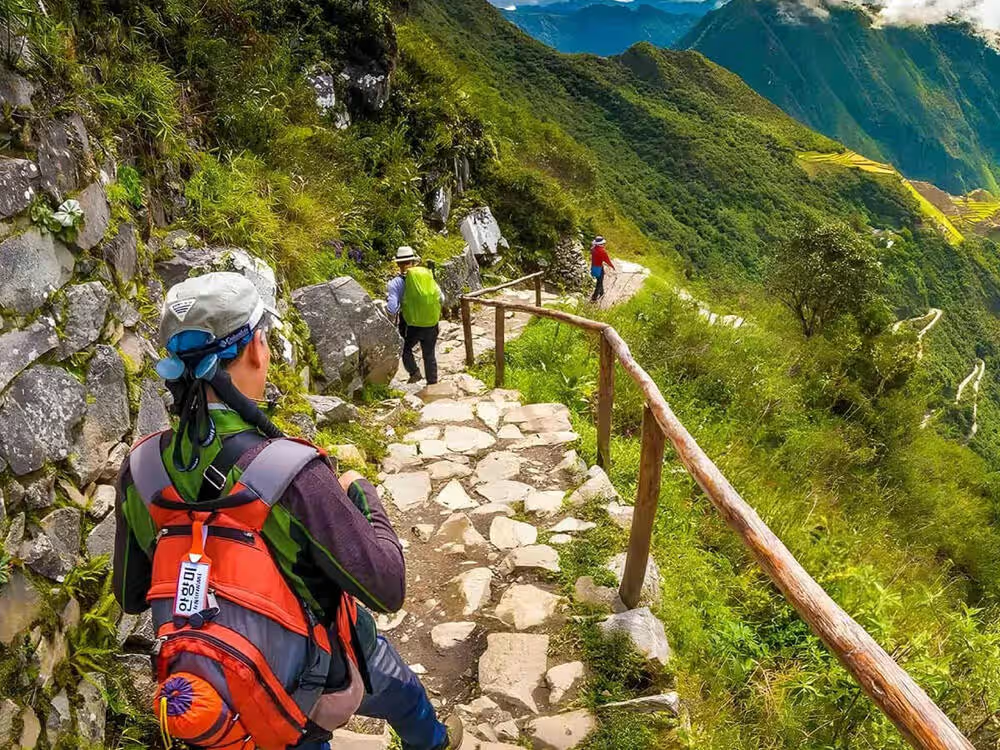
Quick Comparison: Best Time for Machu Picchu Hikes
|
Hike / Route |
Best Months |
Difficulty |
Best For |
Planning Priority |
|---|---|---|---|---|
|
Huayna Picchu |
May to September |
Challenging |
Adventurous hikers, iconic views |
Book very early |
|
Machu Picchu Mountain |
May to September |
Moderate–challenging |
Wide panoramic views, active travelers |
Book early |
|
Huchuy Picchu |
April to October |
Easy–moderate |
Short add-on hike, lighter activity |
Check route availability |
|
Classic Inca Trail |
May to September |
Moderate–challenging |
Multi-day hikers, historic route |
Book permits far ahead |
|
Short Inca Trail |
April, May, September, October |
Moderate |
Travelers wanting trail + comfort |
Book ahead |
|
Alternative Treks |
April to October |
Varies |
Salkantay, Lares, Huchuy Qosqo hikers |
Plan by route |
Best Time for Huayna Picchu
Best months: May to September
Best overall balance: May and September
Best for: adventurous travelers, iconic views, confident hikers
Avoid if: you dislike steep stairs, exposed paths, or tight mountain routes
Huayna Picchu is the steep mountain that appears behind Machu Picchu in many classic photographs. It is one of the most famous add-on hikes in Peru and one of the most requested tickets at Machu Picchu.
The best time to hike Huayna Picchu is during the dry season, especially from May to September, when the stone steps are usually drier and the chance of clearer views is higher. The route is steep, narrow in places, and physically demanding. Some sections include stone stairways and exposed areas, so dry conditions make the hike more comfortable for most travelers. Huayna Picchu is widely described as a steep, narrow route with carved stairs and cable-assisted sections, while Machu Picchu Mountain is higher and generally less exposed but longer.
Although weather is important, availability is often the bigger issue. Huayna Picchu requires a specific ticket, and spaces are limited. During high-demand months such as June, July, and August, tickets can sell out far in advance. The current Machu Picchu ticketing system requires travelers to choose specific timed-entry routes rather than freely entering any section of the site.
For many travelers, Huayna Picchu is best done as part of a 2-day Machu Picchu itinerary. Spending the night in Aguas Calientes gives you better access to the correct morning schedule and avoids the pressure of trying to combine a long transfer, train ride, bus ride, guided visit, and mountain hike all in one rushed day.
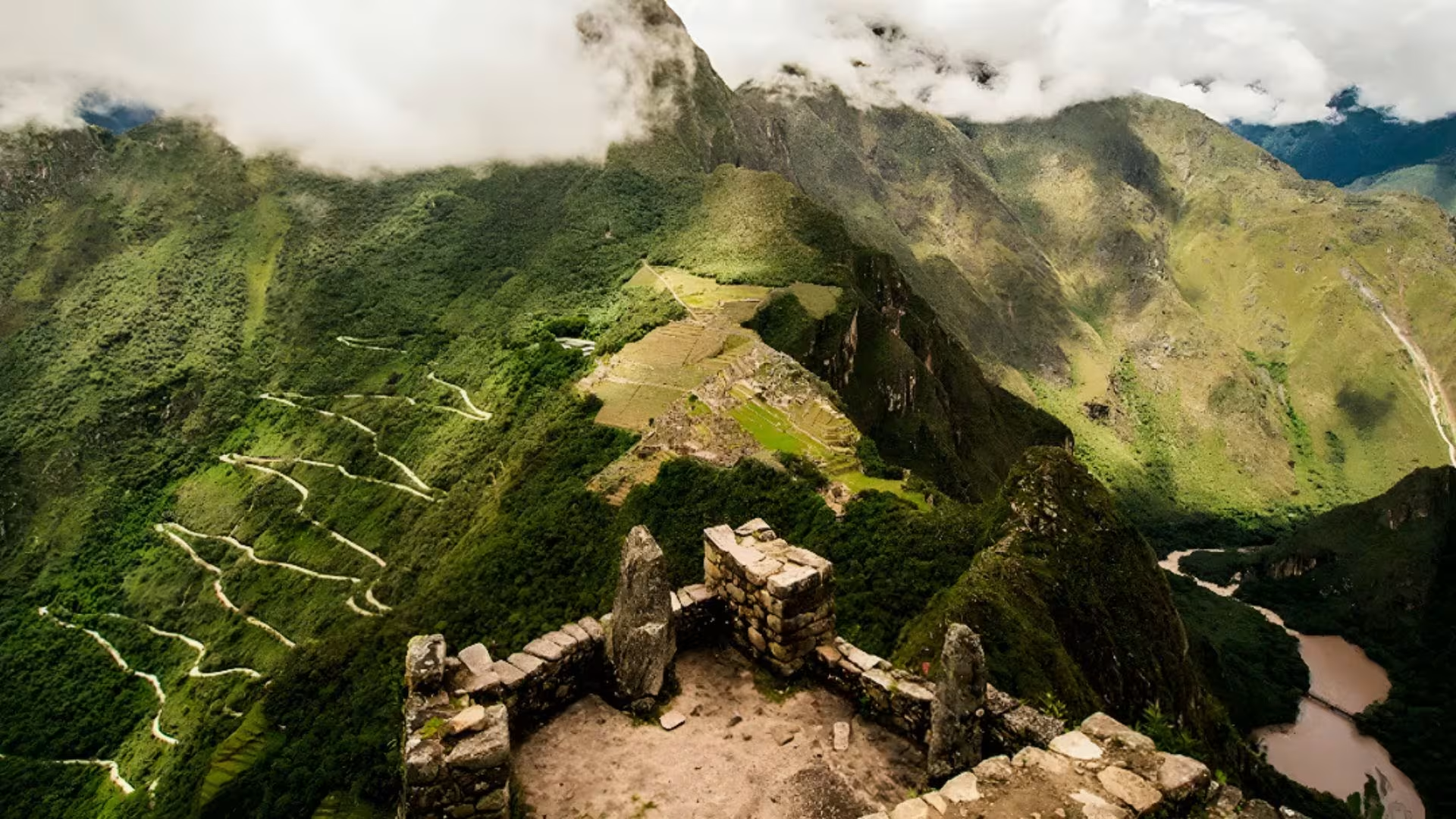
Who Should Hike Huayna Picchu?
Huayna Picchu is best for travelers who are:
It is not ideal for:
Huayna Picchu can be extraordinary—but only if it truly matches your ability and expectations.
Local Recommendation for Huayna Picchu
If Huayna Picchu is a priority, choose May, June, September, or early October if possible.
July and August can also offer excellent hiking weather, but they are busier and require earlier planning. January to March can be beautiful but more slippery and less predictable.
For premium travelers, we usually recommend combining Huayna Picchu with:
Do not treat Huayna Picchu as a small add-on.
It changes the entire rhythm of your Machu Picchu day.
Best Time for Machu Picchu Mountain
Best months: May to September
Best overall balance: May, June, September
Best for: panoramic views, active travelers, photographers
Avoid if: you want a short or easy visit
Machu Picchu Mountain is a longer and higher hike than Huayna Picchu. While Huayna Picchu is famous for its steep, dramatic route behind the citadel, Machu Picchu Mountain offers broader panoramic views over the sanctuary and surrounding Andean landscape.
The best time to hike Machu Picchu Mountain is during the dry season, especially from May to September, when trails are generally drier and visibility is stronger. The route is less narrow-feeling than Huayna Picchu in many sections, but it is longer and physically demanding.
This hike is a strong choice for travelers who want wide landscapes rather than the classic steep Huayna Picchu adventure. It can also appeal to photographers because the views are expansive and the perspective over Machu Picchu is very different.
However, Machu Picchu Mountain takes time. It should not be squeezed into a rushed itinerary.
If you choose this hike, your train schedule, entry time, guide coordination, lunch, and return transfer must all be planned carefully.
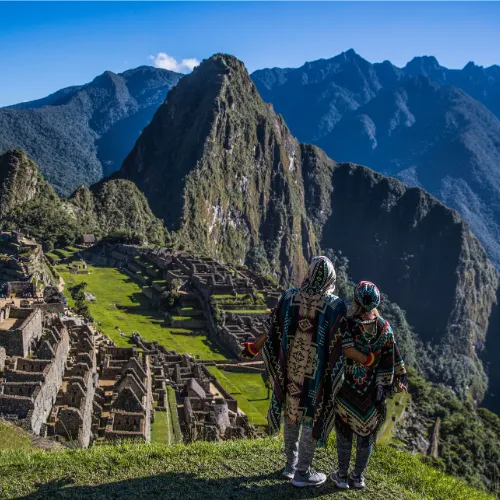
Who Should Hike Machu Picchu Mountain?
Machu Picchu Mountain is best for:
It is not ideal for:
This hike rewards patience and energy. It is best approached as a meaningful part of the day, not an extra activity added casually at the last minute.
Local Recommendation for Machu Picchu Mountain
For Machu Picchu Mountain, we recommend May, June, September, or early October.
These months usually provide better trail conditions and strong visibility without always carrying the maximum crowd pressure of July and August.
If you want a comfortable experience, stay overnight in Aguas Calientes and avoid a rushed return schedule. This gives you time to complete the hike, enjoy the guided visit, descend calmly, and return to Cusco or the Sacred Valley without stress.
Best Time for the Classic Inca Trail
Best months: May to September
Best overall balance: May and September
Best for: multi-day hikers, history lovers, iconic trail experience
Avoid if: you dislike camping, long hiking days, or permit pressure
The Classic Inca Trail to Machu Picchu is one of the most famous trekking routes in South America. It combines Andean landscapes, cloud forest, archaeological sites, and the emotional arrival toward Machu Picchu through Inti Punku, the Sun Gate.
The best time to hike the Classic Inca Trail is generally from May to September, when rainfall is lower and trail conditions are more reliable. The route crosses high mountain terrain and cloud forest, so drier months are usually more comfortable for camping, walking, and views.
The Inca Trail is not only weather-sensitive—it is permit-sensitive. Permits are limited, and travelers should book far in advance, especially for dry-season departures.
The trail is commonly described as passing through multiple Andean environments before reaching Machu Picchu, with longer routes climbing above 4,200 meters (dead Womans´s Pass), which makes acclimatization important.
The Classic Inca Trail closes in February for maintenance, even though Machu Picchu itself normally remains open.
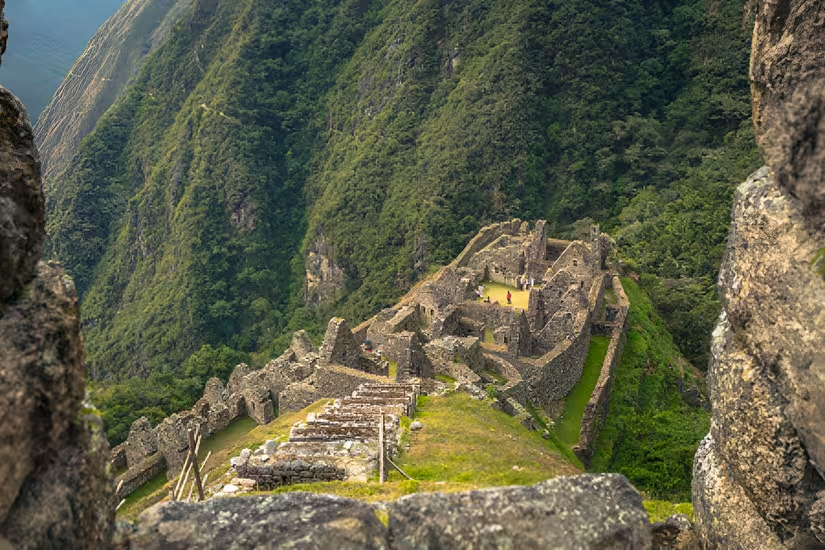
Who Should Hike the Classic Inca Trail?
The Classic Inca Trail is best for:
It is not ideal for:
The Classic Inca Trail is not just a way to reach Machu Picchu.
It is a journey in itself.
Local Recommendation for the Classic Inca Trail
If you want the Classic Inca Trail, start planning as early as possible.
For the best balance, we recommend May, June, or September. July and August can be excellent but are often busier and require earlier booking.
April and October can also be rewarding, especially for travelers who want fewer crowds and greener scenery, but weather may be more variable.
Avoid February because the trail is generally closed for maintenance.
Best Time for the Short Inca Trail
Best months: April, May, September, October
Best for: travelers who want the Inca Trail experience without camping
Difficulty: moderate
Ideal format: 2 days / 1 night with hotel in Aguas Calientes
The Short Inca Trail is one of the best options for travelers who want to experience part of the historic Inca route without committing to the full 4-day Classic Inca Trail.
This route begins at KM 104, visits important archaeological sites such as , Chacha Bamba, Wiñay Wayna, and continues toward Inti Punku, the Sun Gate, for a first view of Machu Picchu. Wiñay Wayna is located along the Inca Trail near Machu Picchu and is known for its terraces, stairways, and water features.
The best time for the Short Inca Trail is during the shoulder-season and dry-season months, especially April, May, September, and October.
These months offer an excellent balance: greener scenery than late dry season, better weather than the wettest months, and a more comfortable hiking experience.
For many private travelers, the Short Inca Trail is more practical than the Classic Inca Trail because it combines a meaningful hike with a hotel night in Aguas Calientes instead of camping. But if you want to do with camping, it is also doable. Ask to our team for that.
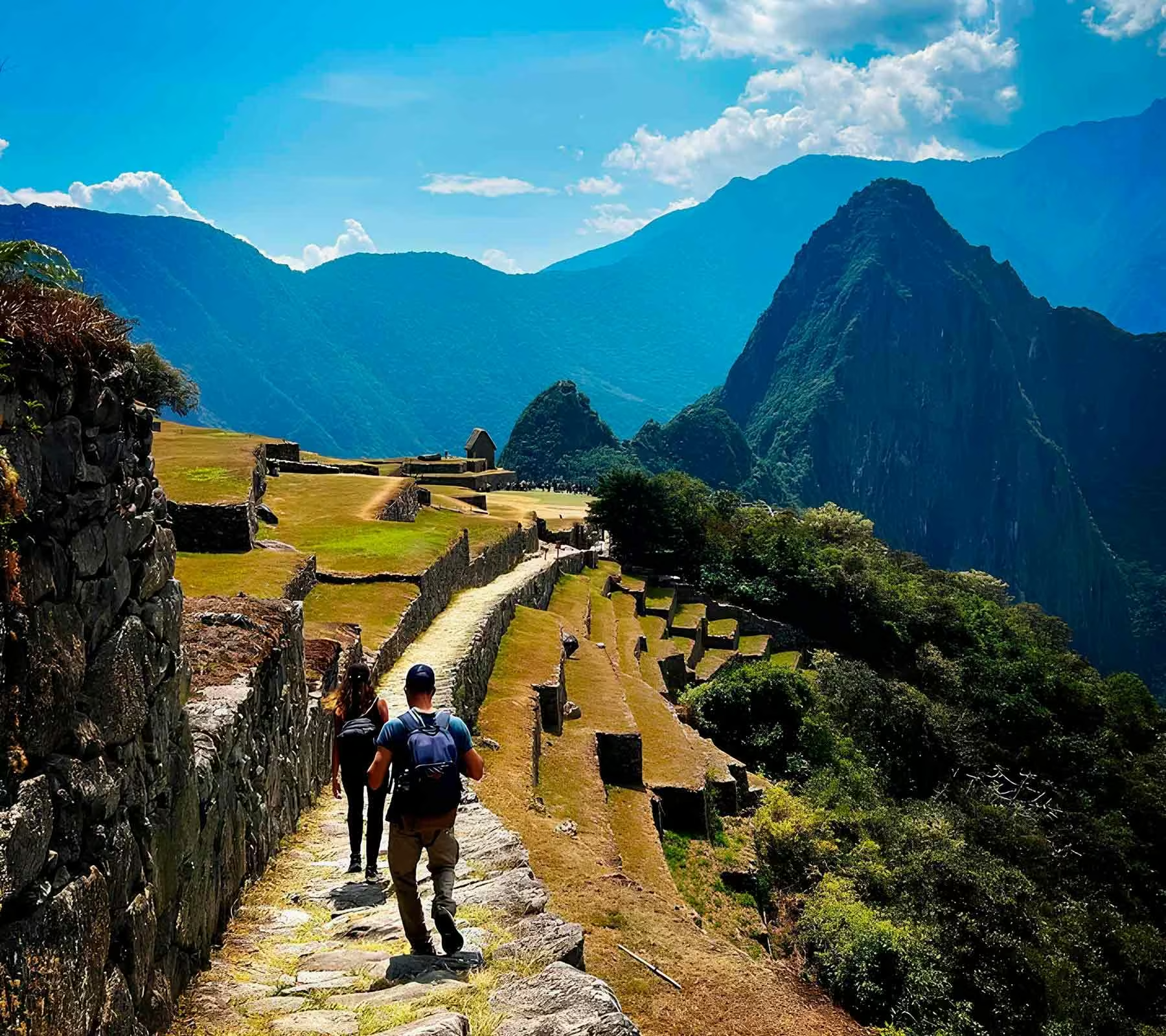
Who Should Choose the Short Inca Trail?
The Short Inca Trail is best for:
It is not ideal for:
Local Recommendation for the Short Inca Trail
For the Short Inca Trail, our favorite months are April, May, September, and October.
April is especially beautiful because the landscapes are still green after the rainy season.
May offers clearer weather and strong trail conditions.
September and October provide an excellent end-of-season balance, with good conditions and smoother visitor flow than the busiest months.
A 2-day Short Inca Trail itinerary is one of the best ways to combine adventure, comfort, and Machu Picchu without feeling rushed.
Best Time for Alternative Treks to Machu Picchu
Not every traveler wants the Classic Inca Trail.
Alternative treks such as Salkantay, Lares, and Huchuy Qosqo offer different ways to experience the Andes before visiting Machu Picchu.
The best time for most alternative treks is generally from April to October, with the dry-season months offering better trail conditions and the shoulder months offering greener landscapes and softer crowds.
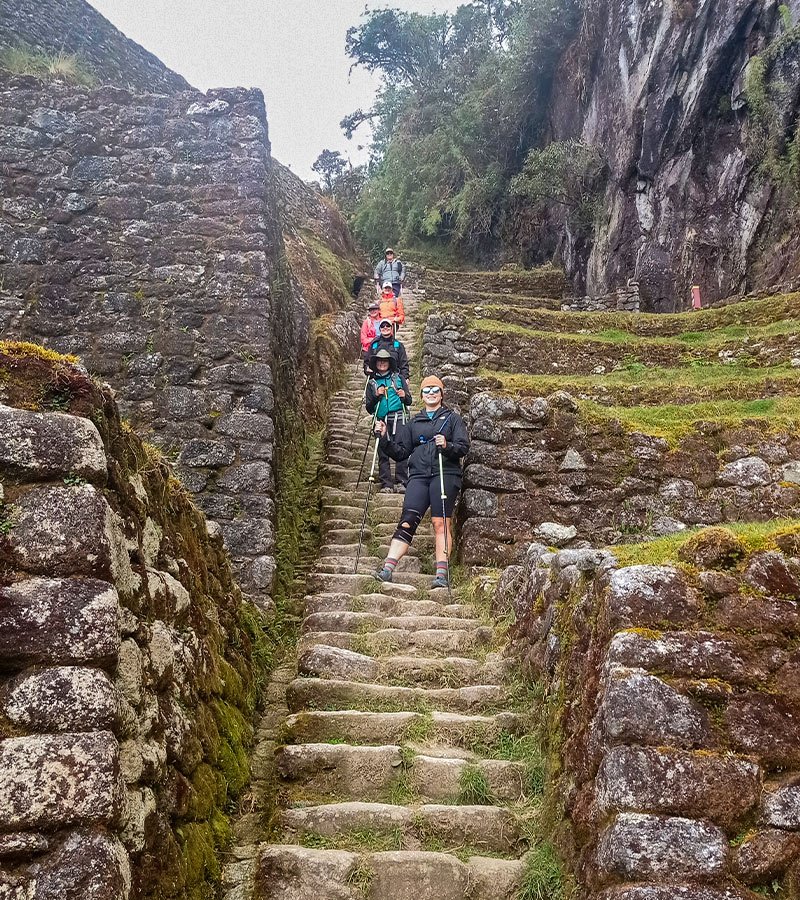
Salkantay Trek
The Salkantay Trek is best from May to September for clearer mountain views and drier trails. April and October can also be excellent, especially for travelers who want a more balanced experience.
Because the route reaches high elevations, weather can be colder and more unpredictable than at Machu Picchu itself. Proper acclimatization is essential.
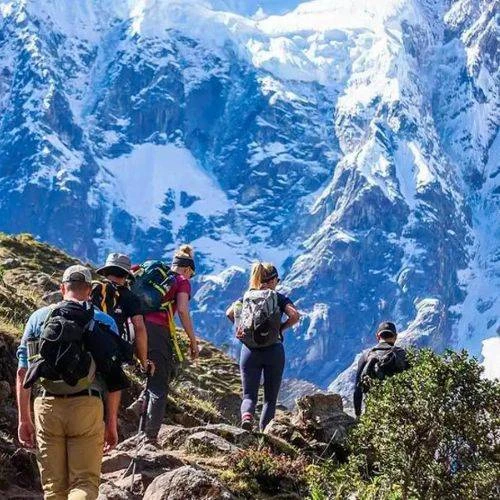
Lares Trek
The Lares Trek is best from April to October, especially for travelers who value culture, Andean villages, textiles, and mountain landscapes.
May to September offers drier conditions, while April and October often provide beautiful scenery with fewer travelers.
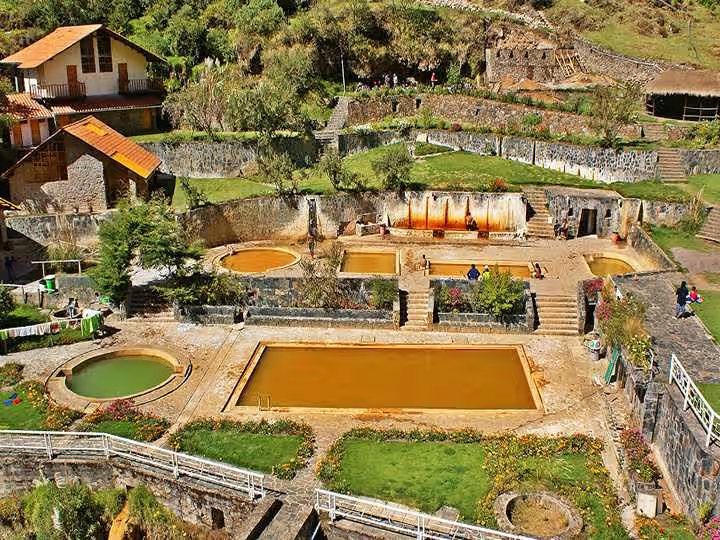
Huchuy Qosqo Trek
The Huchuy Qosqo Trek is best in April, May, September, and October for balanced conditions. This route can be an excellent shorter alternative for travelers who want hiking, cultural landscapes, and a Machu Picchu finish without committing to a long trek.
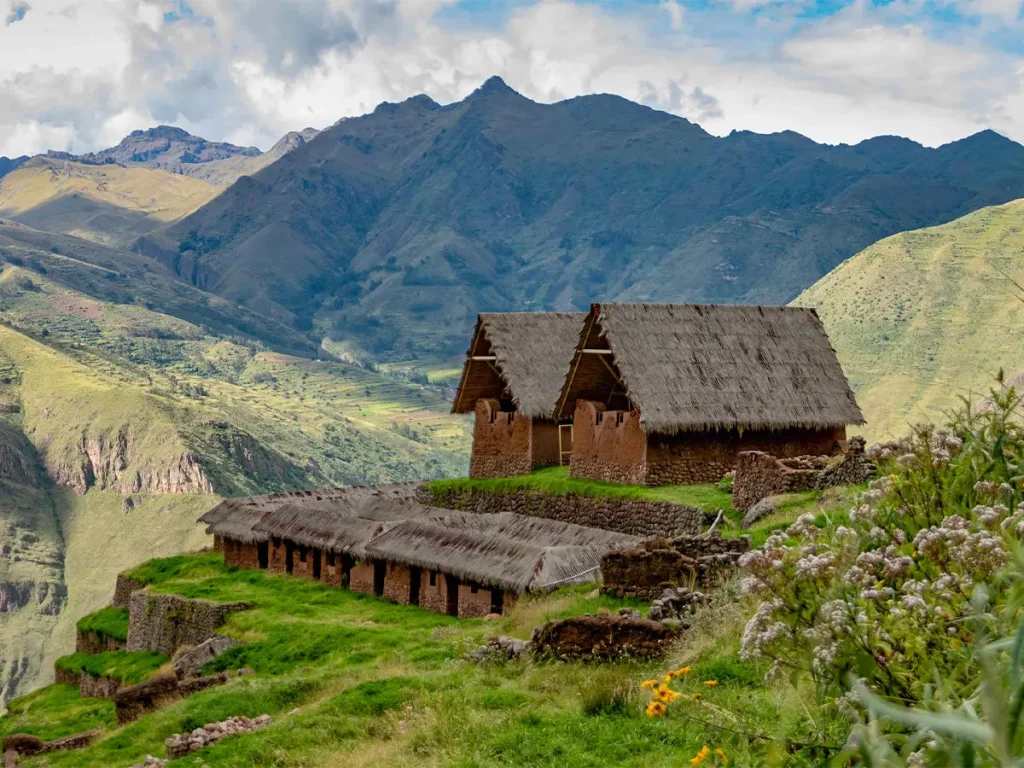
Dry Season vs Rainy Season for Machu Picchu Hikes
Hiking around Machu Picchu is very different from simply touring the citadel.
Rain affects footing, visibility, comfort, and safety. Stone steps can become slippery, mountain paths can feel more demanding, and cloud cover can reduce views.
|
Season |
Hiking Conditions |
Best For |
Considerations |
|---|---|---|---|
|
Dry Season |
Best overall trail conditions |
Huayna Picchu, Machu Picchu Mountain, Inca Trail |
Higher demand and earlier booking needed |
|
Rainy Season |
Greener but slippery |
Flexible hikers, atmospheric scenery |
More rain, clouds, and route caution |
|
Shoulder Season |
Strong balance |
Short Inca Trail, families, private treks |
Some weather variability |
For most travelers, dry season is best for challenging hikes.
Shoulder season is best for balanced hiking.
Rainy season is best only for flexible travelers who are prepared for changing conditions.
Which Machu Picchu Hike Is Best for You?
|
Traveler Type |
Recommended Hike |
Best Months |
|---|---|---|
|
Adventurous traveler |
Huayna Picchu |
May to September |
|
Photographer |
Machu Picchu Mountain or Huayna Picchu |
May, June, September |
|
Short active add-on |
Huchuy Picchu |
April to October |
|
Classic trekking experience |
Classic Inca Trail |
May to September |
|
Comfort + trail experience |
Short Inca Trail |
April, May, September, October |
|
Culture-focused trekker |
Lares Trek |
April to October |
|
Mountain scenery seeker |
Salkantay Trek |
May to September |
|
Family with active teens |
Short Inca Trail |
April, May, September, October |
|
Luxury traveler wanting comfort |
Short Inca Trail or private 2-day Machu Picchu |
April, May, September, October |
Best Time to Visit Machu Picchu Frequently Asked Questions
Choosing the best time to visit Machu Picchu involves more than checking the weather. You will also need to consider tickets, circuits, train schedules, crowds, hiking permits, altitude, and the type of experience you want. These FAQs answer the most common questions travelers ask before planning a Machu Picchu visit.
Why Trust Peru Private Tours for Machu Picchu Planning?
Choosing the best time to visit Machu Picchu is not only about reading a weather chart. It requires understanding how the destination works in real life: how tickets sell out, how circuits affect the visit, how train schedules connect with entry times, how crowds move through the site, and how weather changes between Cusco, the Sacred Valley, Aguas Calientes, and Machu Picchu itself.
That is where local expertise matters.
Peru Private Tours is a 100% locally owned company based in Cusco, specializing in private Machu Picchu tours, tailor-made Peru itineraries, premium private travel, and culturally meaningful experiences throughout Peru. Our team works with Machu Picchu logistics every day: tickets, circuits, guides, trains, buses, hotels, route timing, and last-minute operational details that travelers rarely see when planning from abroad.
This guide was created from a local operator’s perspective—not just from general travel advice. Our goal is to help you choose the right time to visit Machu Picchu based on the experience you actually want: clear views, fewer crowds, family comfort, luxury pacing, hiking conditions, or a smoother private itinerary.
Why Local Knowledge Matters at Machu Picchu
Machu Picchu is one of the most carefully managed visitor sites in South America. A successful visit depends on small details that can completely change the experience.
A local Cusco-based team understands:
For travelers coming from the USA, Canada, the UK, Europe, Australia, or the Middle East, this kind of local planning can make the difference between a complicated travel day and a seamless once-in-a-lifetime experience.
Experience, Expertise, Authority & Trust
We believe travel advice should be useful, specific, and grounded in real experience.
Our recommendations are based on:
We do not believe in generic travel advice.
A family with young children should not be given the same recommendation as an experienced hiker. A luxury traveler should not be placed into the same rushed schedule as a budget group tour. A senior traveler should not be advised to follow the same rhythm as someone hiking Huayna Picchu.
The best Machu Picchu experience is personal. Your timing should be personal too.
Why a Private Tour Can Improve the Experience
Machu Picchu is not a place where logistics should be improvised.
A private tour allows the visit to be designed around your pace, expectations, and priorities. Instead of adjusting yourself to a fixed group schedule, your itinerary can be planned around the best available combination of ticket, circuit, train, guide, transfer, and timing.
A private Machu Picchu experience can help with:
Machu Picchu will always be a popular destination. But with the right planning, your visit can still feel calm, personal, and deeply meaningful.
Responsible Travel: Book a Tour, Plant a Tree
Travel should leave something positive behind.
Through our permanent Book a Tour, Plant a Tree program, every booking with Peru Private Tours contributes to reforestation in Indigenous communities of the Cusco region. Each year, our team works with local communities to plant native trees and support long-term environmental restoration in the Andes.
This initiative reflects our belief that tourism should not only benefit visitors. It should also support local families, communities, landscapes, and future generations.
When you travel with Peru Private Tours, your journey helps support:
Machu Picchu is an extraordinary place. Visiting it responsibly means thinking not only about what you receive from Peru, but also about what your journey gives back.
Related Machu Picchu Guides & Tours
If you are still planning your trip, these related guides and tour pages will help you go deeper into Machu Picchu logistics, itinerary design, ticket planning, and private travel options.
Recommended Machu Picchu Tours
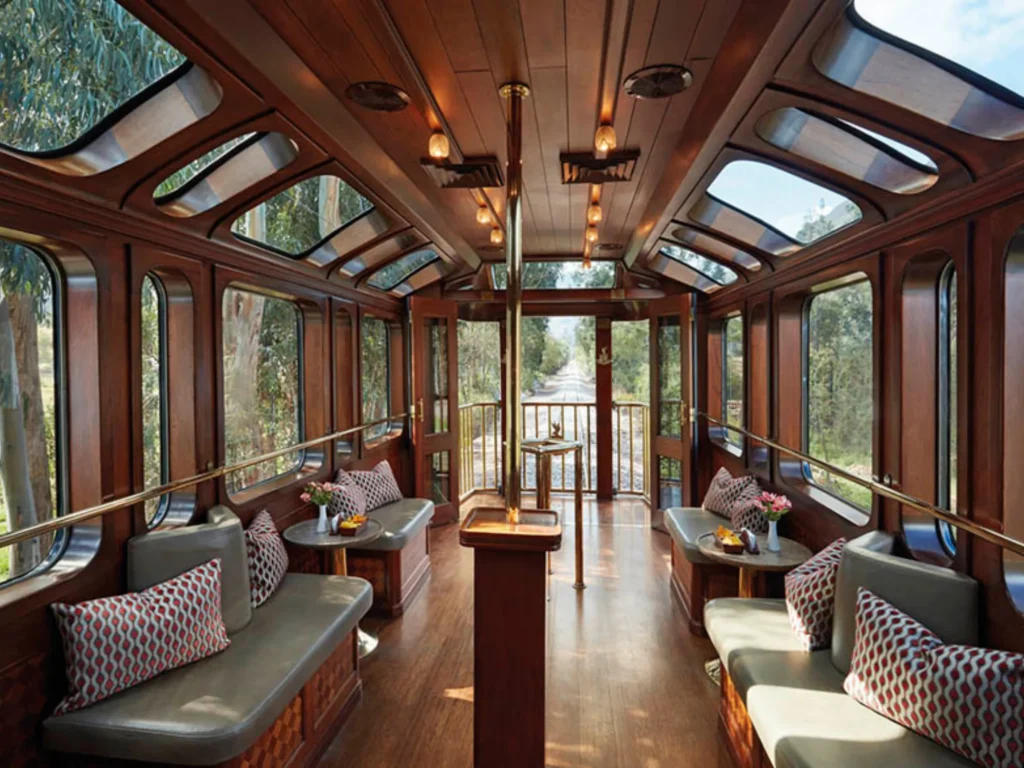
The Railway Through the Andes: Machu Picchu train tour
travel guide The railway that connects the Sacred Valley to Machu Picchu is one of…
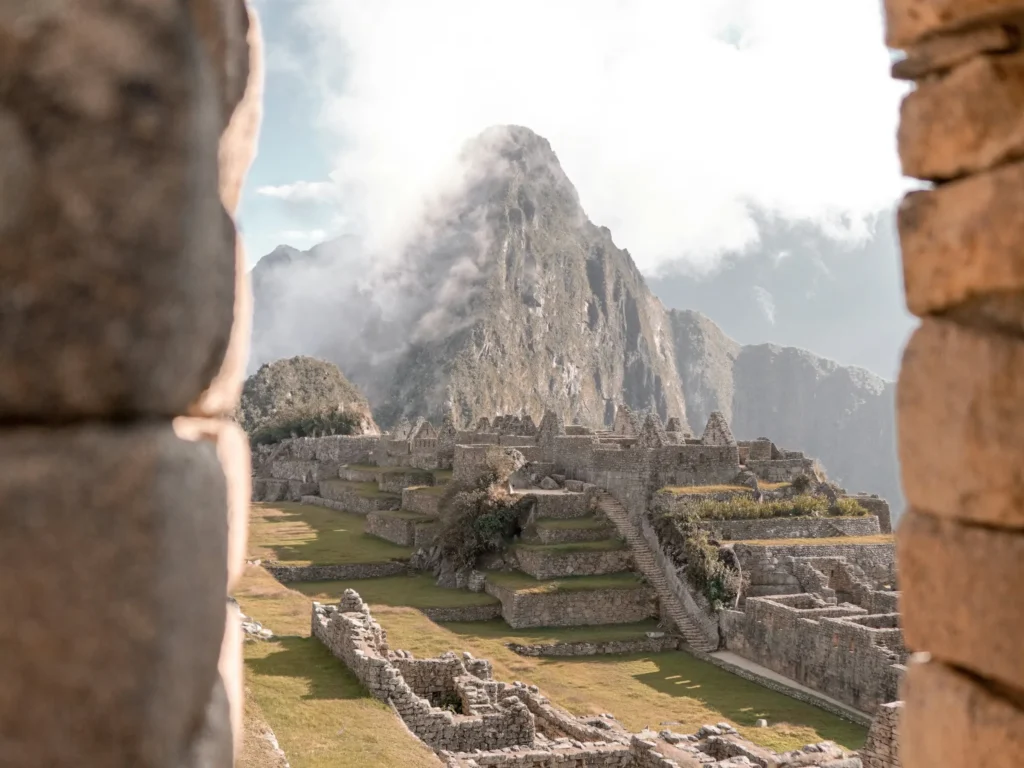
Machu Pichu tour from Cusco: Reconstructing the Route to an Inca Sanctuary
travel guide The journey from Cusco to Machu Picchu is one of the most studied…
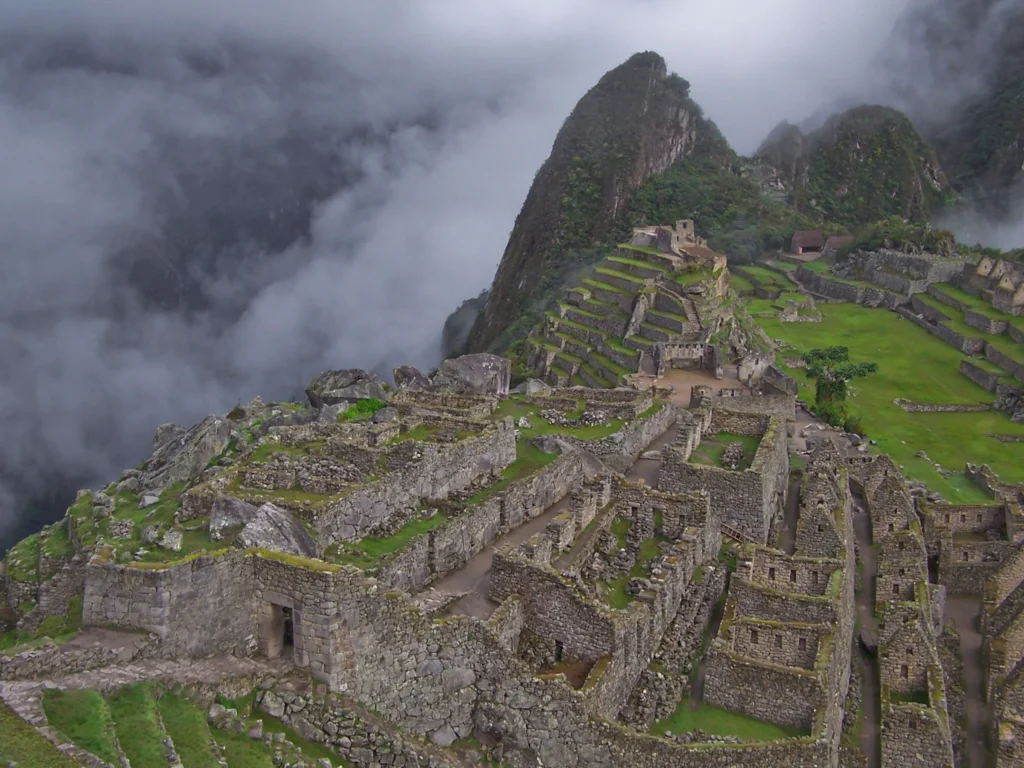
Machu Picchu luxury hotel: Staying at the Edge of the Citadel
travel guide To consider a machu picchu luxury hotel is to engage with one of…
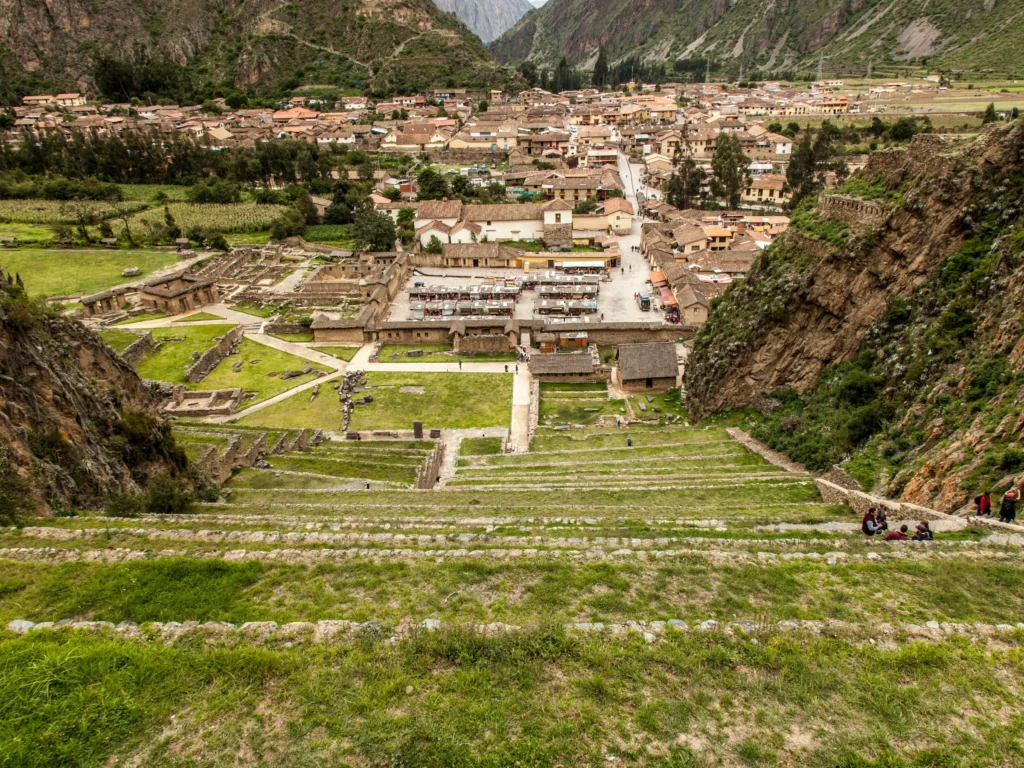
The Enduring Journey: Machu Picchu tours from Cusco
travel guide There are few journeys in South America that carry the same historical weight…
From the Thames to the Andes: The Ultimate Machu Picchu Peru Private Tours from London
travel guide For the sophisticated Londoner, travel is often about finding the “hidden” within the…
The Elegance of the Rails: Experience the Ultimate Machu Picchu Train Tour
travel guide The journey to the heart of the Incan Empire is as much about…