

travel guide
Cusco to Machu Picchu: A Complete Travel Guide

Traveling from Cusco to Machu Picchu is more than a journey between two famous destinations. Along the way, you’ll experience the landscapes of the Sacred Valley, follow the Urubamba River, and discover how the Andes gradually transition into the cloud forest surrounding Machu Picchu.
Most visitors travel by road to a railway station, continue by train to Machu Picchu Pueblo (Aguas Calientes), and then take a shuttle bus to the archaeological site’s entrance. The exact route depends on your departure point, chosen train service, and travel date.
Whether you’re planning a full-day excursion or a more relaxed overnight stay, understanding these connections is essential for coordinating your train tickets, Machu Picchu entrance time, and guided visit.
This guide explains the journey from Cusco to Machu Picchu, the transportation options available, and the practical details to consider when planning your visit.
QUICK SUMARY
- Understanding the Journey from Cusco to Machu Picchu
- How to Get from Cusco to Machu Picchu
- Traveling Through the Sacred Valley
- Experiencing Machu Picchu
- Luxury Considerations
- Environmental Practical Considerations
- Train Connections from Cusco to Machu Picchu
- A Structured Encounter with the Andes
- Frequently Asked Questions
- Related Guides

Understanding the Journey from Cusco to Machu Picchu
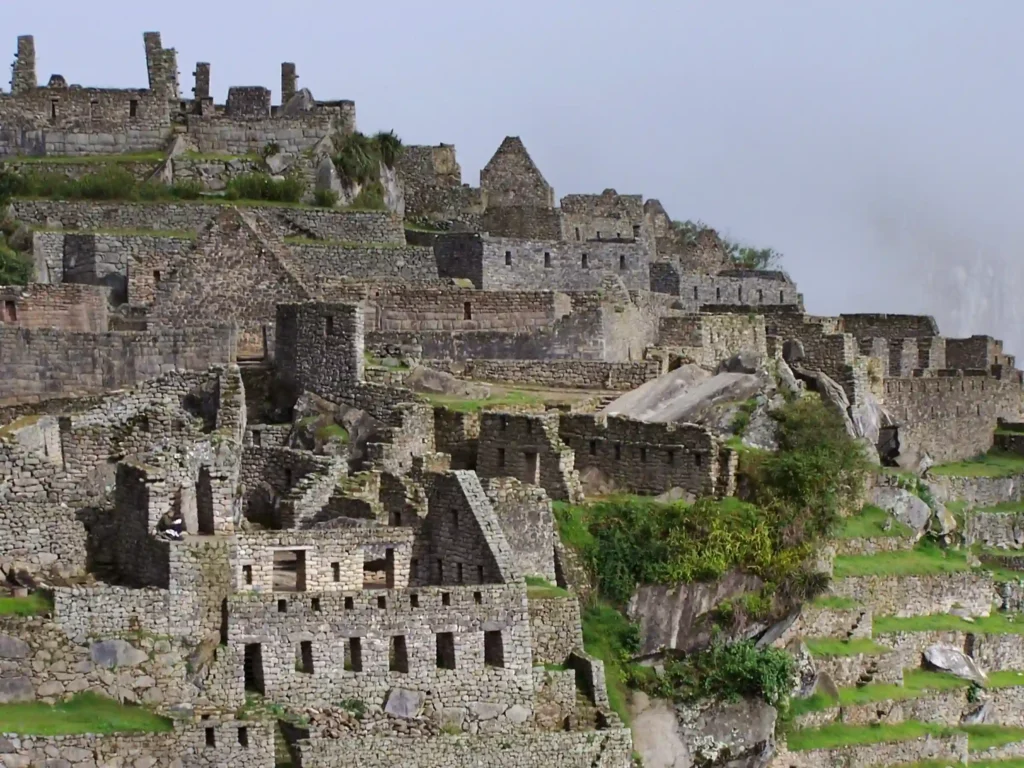
Machu Picchu was constructed during the reign of the Inca ruler Pachacuti in the 15th century, at a time when the empire was expanding both territorially and administratively. Its location—remote, elevated, and difficult to access—suggests a function beyond simple habitation. Rather than a conventional city, Machu Picchu is often interpreted as a royal estate or ceremonial centre. Its architecture reflects advanced knowledge of stonework, hydrology, and astronomy. Terraces stabilise the slopes, while water channels distribute spring water throughout the site. The route from Cusco to Machu Picchu would have formed part of the wider Qhapaq Ñan network, linking it to other administrative and religious centres.
How to Get from Cusco to Machu Picchu
Most itineraries begin in Cusco, situated at approximately 3,400 metres above sea level. The city itself requires time to absorb—both physically, due to altitude, and intellectually, given its layered history of Inca and colonial influence. Private tours often incorporate guided exploration of Cusco before departure, providing context for the journey ahead.
Leaving Cusco, the route descends into the Sacred Valley, following the course of the Urubamba River. This region served as an agricultural centre for the Incas, with fertile land supported by sophisticated irrigation systems. Key sites along the way include: Pisac, known for its terraces and strategic positioning, and Ollantaytambo, a functioning town built upon Inca foundations. In a well-designed machu pichu tour from cusco, the Sacred Valley is not treated as a stopover, but as an integral part of the narrative.
Traveling Through the Sacred Valley
From Ollantaytambo, most travellers continue by train toward Aguas Calientes. The railway follows a narrow valley, with the landscape gradually shifting from high-altitude plains to subtropical vegetation. This section of the journey is defined by proximity to the river and the enclosing mountains. The sense of isolation increases as infrastructure becomes less visible. Luxury train services provide a controlled environment from which to observe these changes, combining comfort with continuity.
Upon arrival in Aguas Calientes, a series of switchback roads leads upward to Machu Picchu. The ascent is relatively short but steep, marking the final transition from valley floor to mountaintop. Entry to the site is regulated by timed tickets, requiring precise coordination. Private tours ensure that access aligns with optimal visiting periods.
Experiencing Machu Picchu
Once inside Machu Picchu, the arrangement of structures reveals a deliberate spatial organisation: agricultural terraces on the lower slopes, residential and ceremonial zones above, and astronomical features aligned with solstices and celestial events. A knowledgeable guide is essential for interpreting these elements, as much of the site’s significance is not immediately visible.
The terrain within Machu Picchu is uneven, with stone steps and narrow pathways connecting different sectors. Movement is directional, following designated circuits designed to preserve the site. Private tours allow for a measured pace, enabling pauses for observation without the pressure of group timing.
Luxury Considerations
One of the defining aspects of a Machu Picchu tour from Cusco in a private format is control over timing. Early morning visits provide reduced visitor density and softer light conditions. Afternoon entries, by contrast, offer warmer tones and a gradual quieting of the site. In some itineraries, overnight stays near Machu Picchu allow for multiple entries, each revealing different atmospheric conditions.
Accommodation is typically divided across three locations: Cusco for acclimatisation and historical context, Sacred Valley for reduced altitude and landscape immersion, and Aguas Calientes or near Machu Picchu for proximity to the site. Properties such as Belmond Sanctuary Lodge provide immediate access, while others in the valley offer a quieter setting.
Private guides bring depth to the experience, addressing: Inca construction techniques, agricultural systems and terrace engineering, and religious and cosmological interpretations. This transforms the visit from observation into analysis.
Environmental Practical Considerations
The shift from Cusco to Machu Picchu involves a decrease in altitude, which often results in improved physical comfort. However, initial acclimatisation in Cusco remains necessary.
Conditions vary throughout the year: dry season with clearer skies and cooler temperatures, and wet season with increased vegetation and variable visibility. Weather can change rapidly, particularly in the cloud forest surrounding Machu Picchu.
Visitor numbers are controlled through a ticketing system that assigns entry times and routes. Advance planning is required, particularly during peak travel periods.
Train Connections from Cusco to Machu Picchu
Ollantaytambo is one of the main departure points for trains to Machu Picchu Pueblo, but travelers may also find services from selected stations in the Cusco area, depending on the season and operator.
Some journeys use a combination of road transportation and rail service. Because routes and departure stations can change, it’s important to confirm the details shown on your train ticket before planning transfers.
Trains arrive in Machu Picchu Pueblo (Aguas Calientes), not directly at the archaeological site. From town, travelers continue to the entrance by shuttle bus or an uphill walking route.
A Structured Encounter with the Andes
To undertake this journey is to engage with a landscape shaped by both natural forces and human intervention. Machu Picchu represents a convergence of these elements, but it is not isolated from them. machu pichu tour from cusco, when approached with structure and intention, offers more than access to a single site. It provides a framework for understanding how geography, culture, and history intersect within one of the most complex regions of South America. The experience is defined not by spectacle, but by coherence—an alignment between route, context, and interpretation that allows the Andes to be understood as a living system rather than a static backdrop.
Frequently Asked Questions
Related Guides
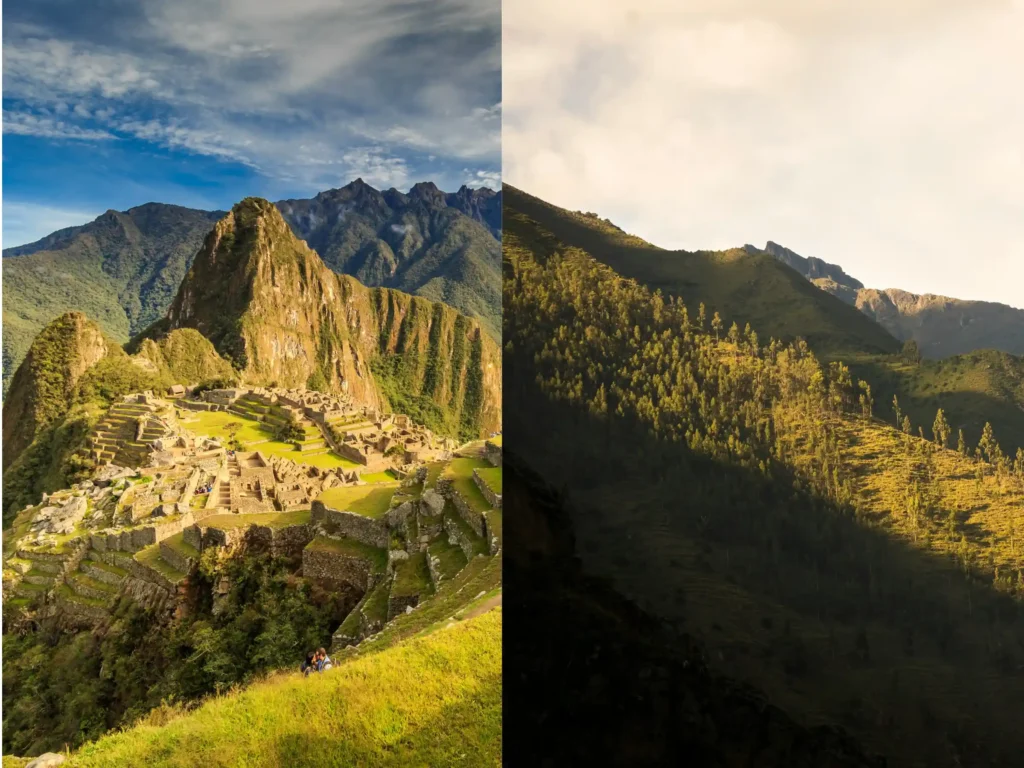
Sacred Valley and Machu Picchu 2 Day Tour from Cusco
Chinchero | Moray | Maras Salt Mines | Sacred Valley Picnic Lunch | Ollantaytambo |…
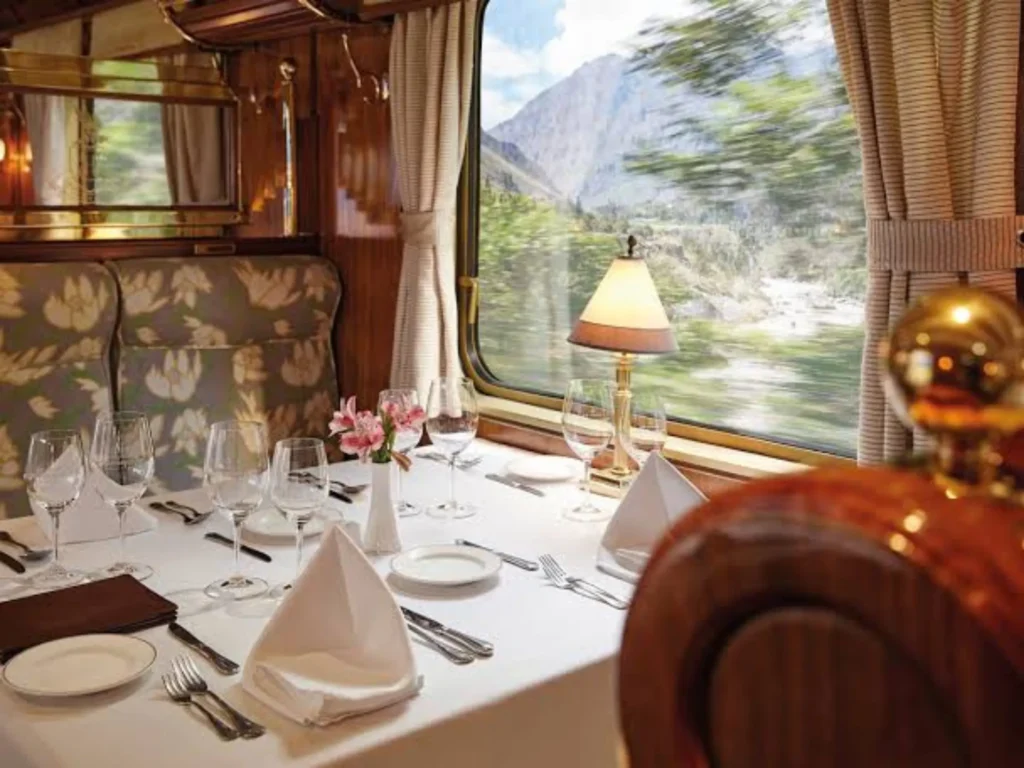
Luxury Machu Picchu Tour by Hiram Bingham Train
Experience Machu Picchu in one of the most elegant ways possible: aboard the Hiram Bingham…
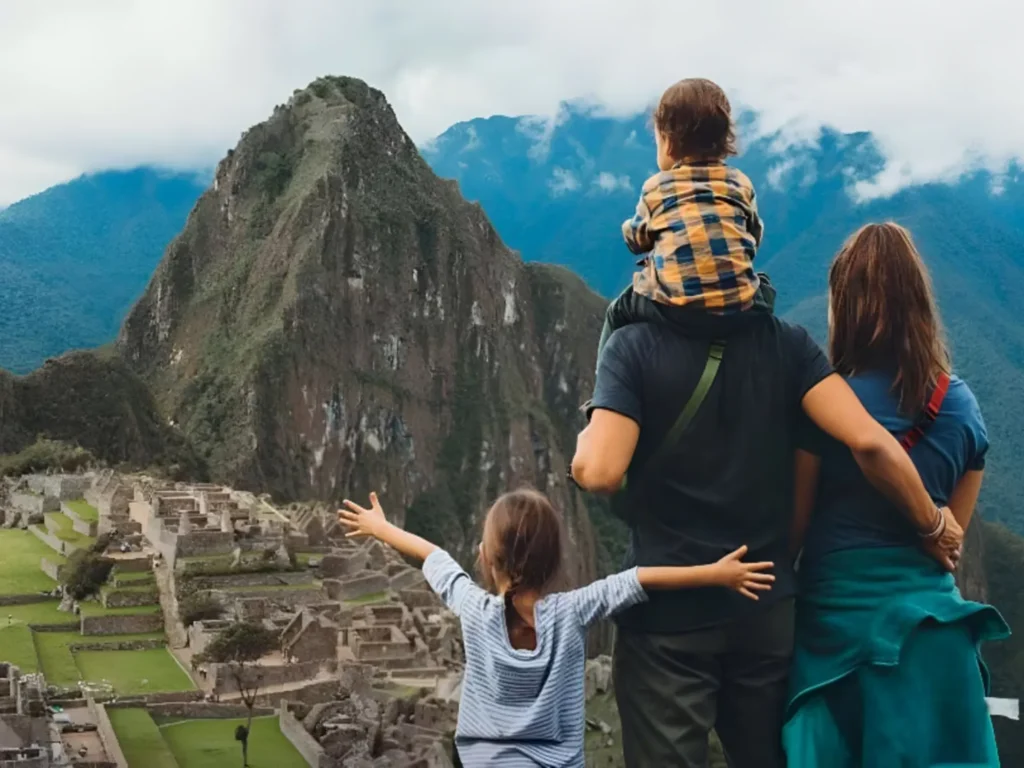
Family-Friendly Machu Picchu Tour from Cusco
This Family-Friendly Machu Picchu Tour from Cusco is designed for travelers who want to visit…
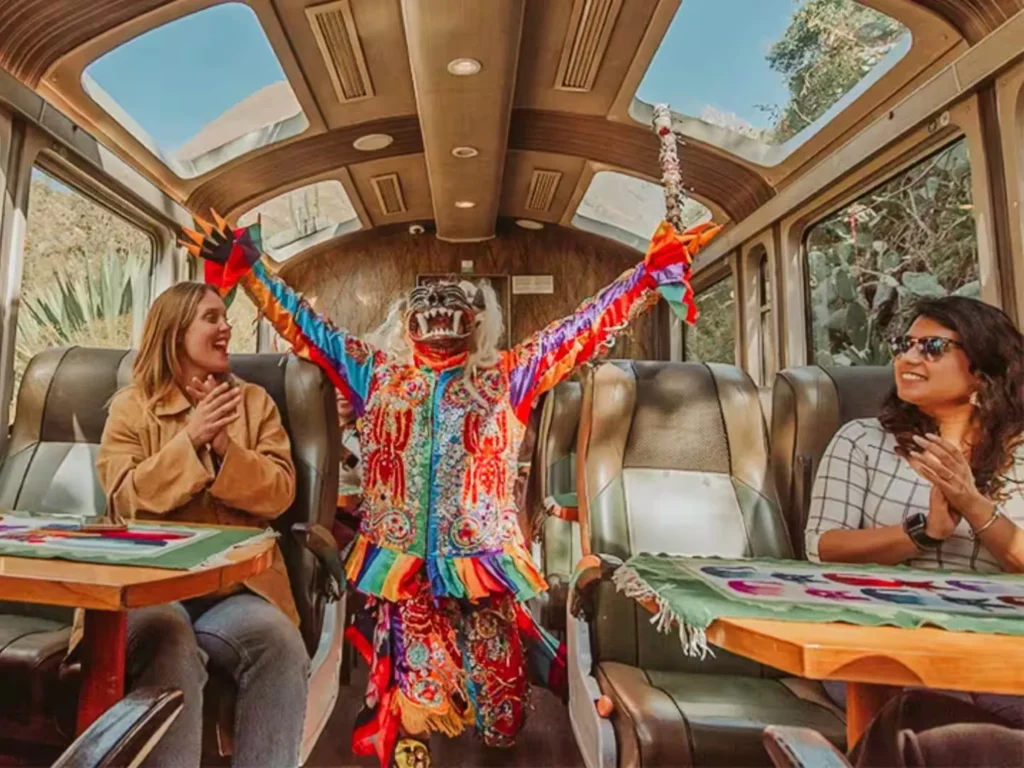
Full Day Machu Picchu Tour by Train
A seamless private day trip to Machu Picchu, designed for travelers who want the essential…
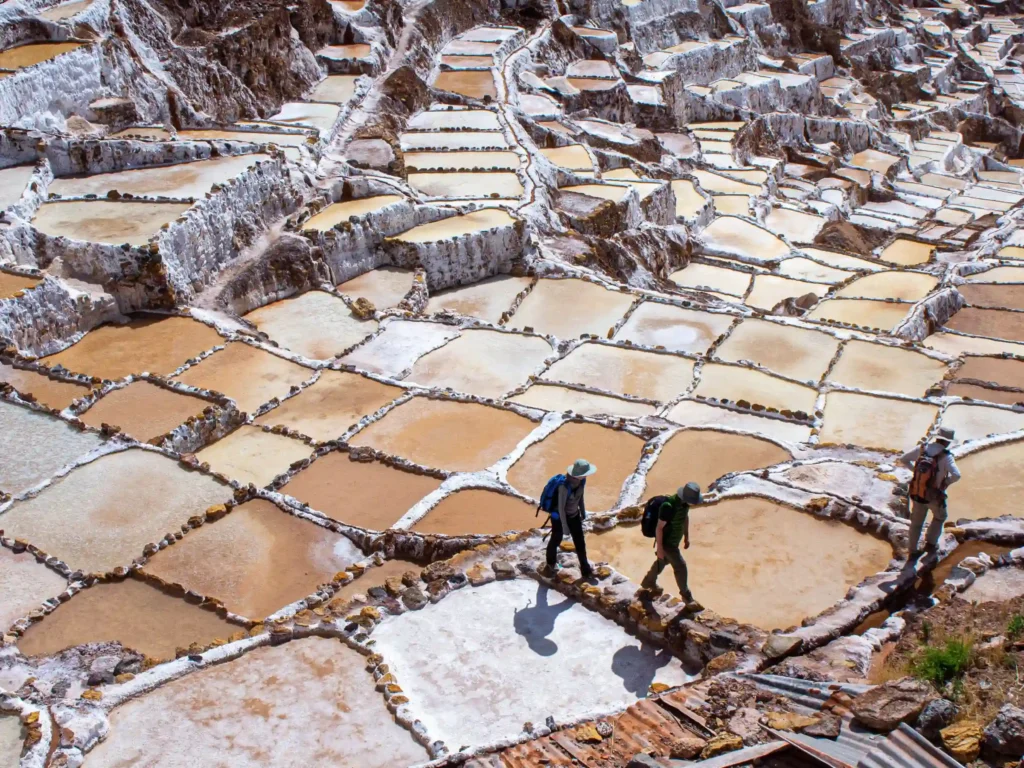
Salt Mines and Machu Picchu Tour from Cusco
CUSCO TO MACHU PICCHU Make the most of your time in Peru by combining two…
Recent guides
Andean Weaving Traditions: A Living Heritage in Peru
An encounter with Jean-Bernard Münch, former President of the Swiss Commission for UNESCO, reveals why traditional weaving in Peru’s Sacred Valley is much more than an ancient craft. reading time…

Peruvian Cuisine
CUISINE GUIDE Discover Peru’s Finest Food and Luxury Culinary Experiences Peruvian cuisine is more than a collection of delicious dishes. It is a journey through ancient civilizations, extraordinary biodiversity, and…
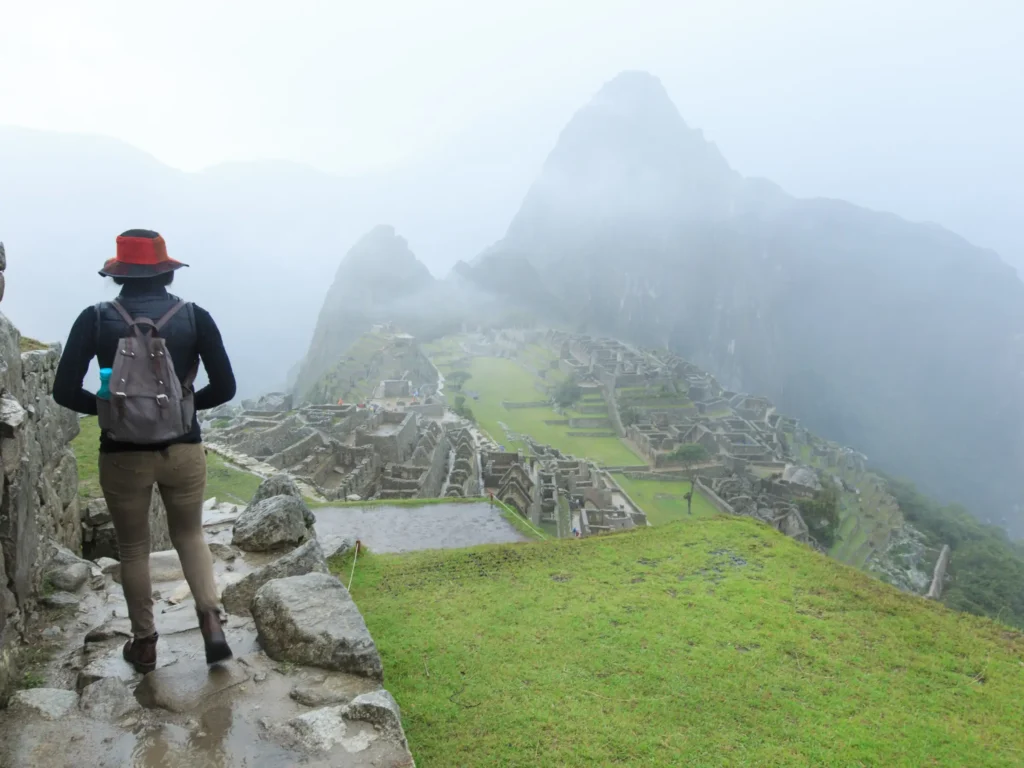
Machu Picchu Circuits Explained
travel guide Which Route Should You Choose? MACHU PICCHU CIRCUITS GUIDE Choosing the right Machu Picchu circuit is one of the most important decisions you will make when you plan…
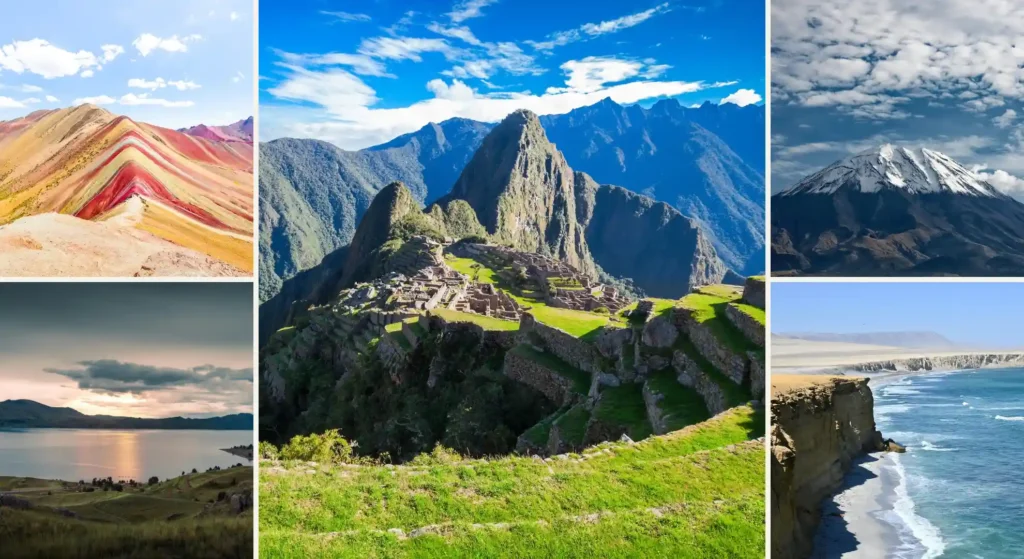
Private Peru Tours
travel guide How to Design a Tailor-Made Journey Through Peru Luxury Machu Picchu tours A private tour in Peru is not a standard itinerary with a private guide and vehicle….
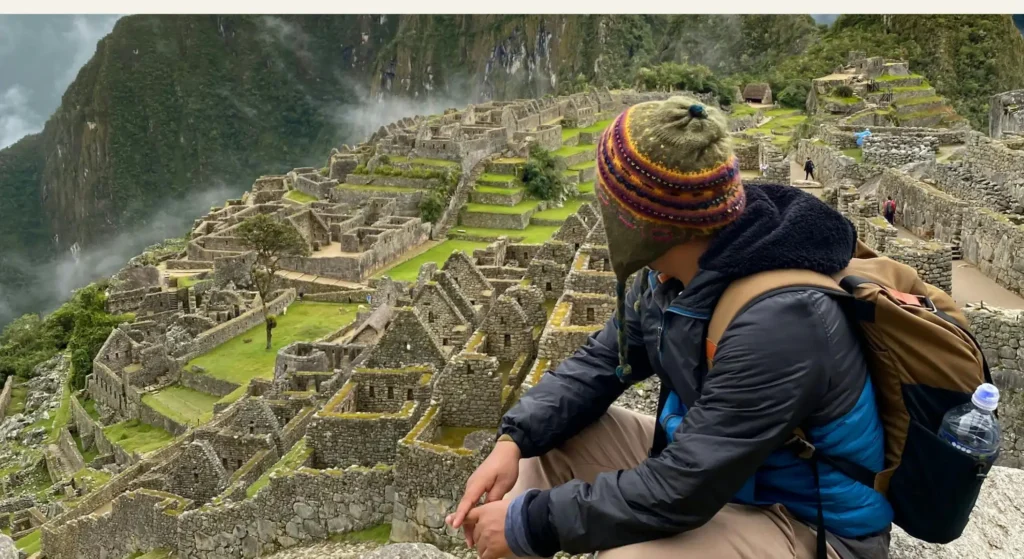
Luxury Machu Picchu Tours
travel guide How to Plan a Private, Seamless & High-End Experience Luxury Machu Picchu tours Machu Picchu is one of the world’s most iconic travel experiences if planned properly. The…
Best Time to Visit Machu Picchu: The Definitive Local Guide to Weather, Crowds, Tickets & Travel Planning
Table of Contents Use this guide to choose the best travel dates for your Machu Picchu experience based on your style, schedule, and priorities. Best Time to Visit Machu Picchu…
Planning a Private Journey Through Peru?
Use our travel guides to understand your options—then let our local Peru specialists design the journey around your dates, pace, interests, and comfort preferences.
Whether you’re planning Machu Picchu, the Sacred Valley, the Amazon, Lake Titicaca, Arequipa, Lima, or a complete Peru itinerary, we’ll help you connect everything with private guiding, seamless logistics, and thoughtful timing.
