

CUISINE GUIDE
Peruvian Cuisine
Discover Peru’s Finest Food and Luxury Culinary Experiences
Peruvian cuisine is more than a collection of delicious dishes. It is a journey through ancient civilizations, extraordinary biodiversity, and centuries of cultural exchange. From the Pacific coast to the Andes and the Amazon rainforest, every region tells its story through distinctive ingredients, cooking traditions, and unforgettable flavors.
- What Makes Peruvian Cuisine So Special?
- The Culinary Capital of Peru
- Traditional Andean Cuisine in Cusco and the Sacred Valley
- Amazonian Cuisine
- Luxury Culinary Experiences in Peru
- How to Plan a Luxury Culinary Journey Through Peru
- Sustainable Gastronomy and Responsible Culinary Travel
- Experience Peruvian Cuisine with Peru Private Tours
- Frequently Asked Questions About Peruvian Cuisine

What Makes Peruvian Cuisine So Special?
Peru’s culinary identity is shaped by its remarkable geography. Its coastline, high-altitude valleys, and tropical forests provide an exceptional variety of ingredients that have inspired generations of cooks.
Ancient Andean communities cultivated potatoes, quinoa, corn, and native peppers long before the arrival of Europeans. Over time, Spanish, African, Chinese, and Japanese influences introduced new techniques and flavors, creating the diverse food culture travelers encounter today.
This fusion of Indigenous heritage and international culinary traditions gives Peruvian cuisine its distinctive character.
Native Ingredients That Define Peruvian Cooking
Some of Peru’s most important ingredients include:
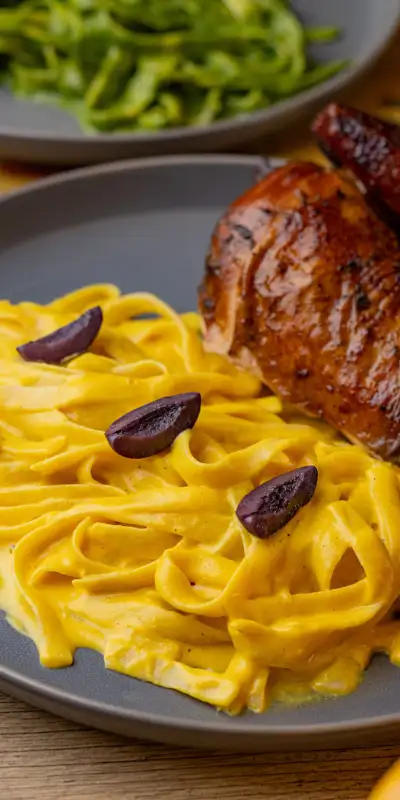
Ají amarillo
A vibrant yellow chili pepper that adds fruity warmth and depth to traditional sauces.
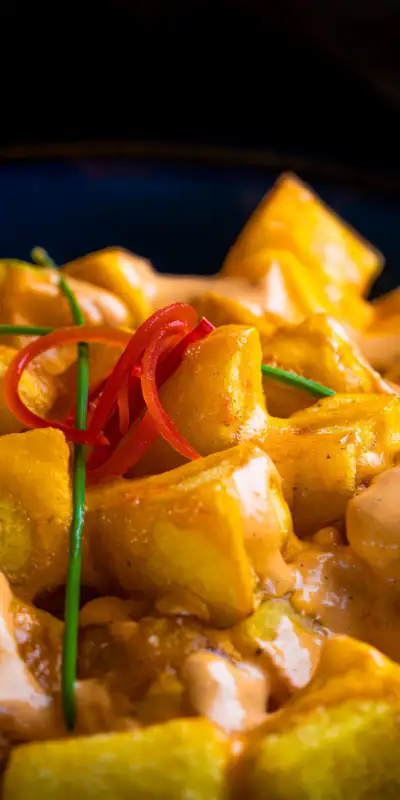
Native potatoes
Andean varieties celebrated for their diverse colors, textures, and flavors.
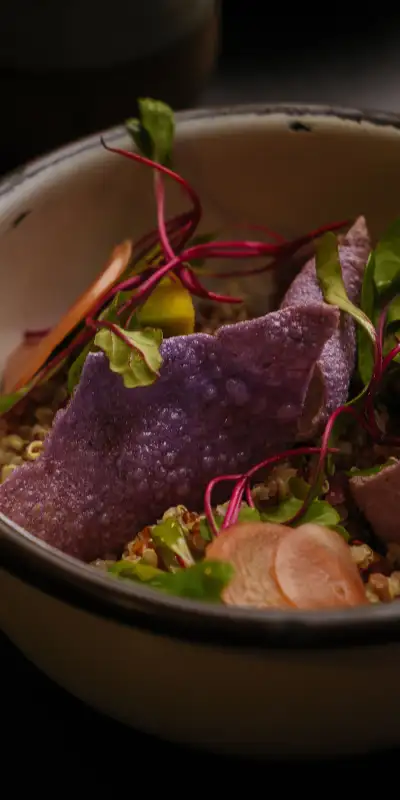
Quinoa
An ancient Andean grain valued for its nutritional qualities and versatility.
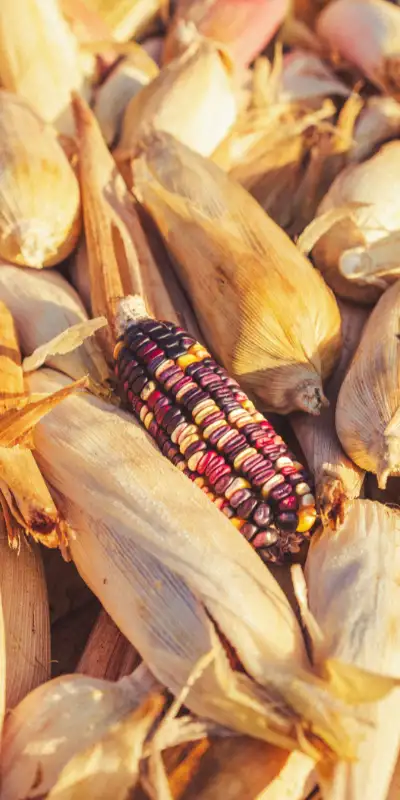
Purple corn
A deeply colored variety used in traditional beverages and desserts.
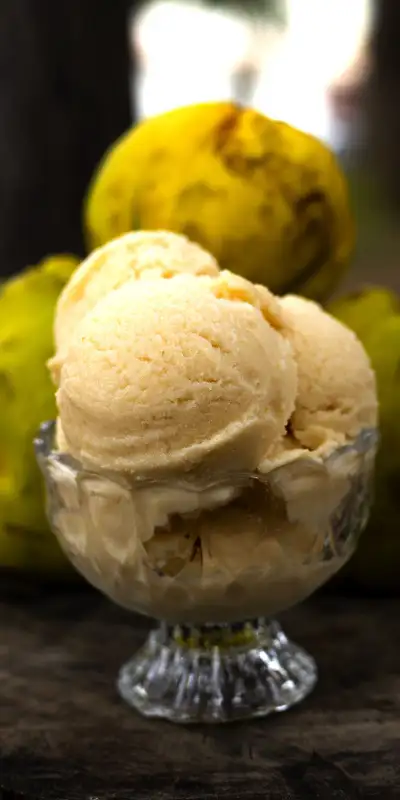
Lucuma
A naturally sweet Andean fruit commonly incorporated into ice cream and pastries.
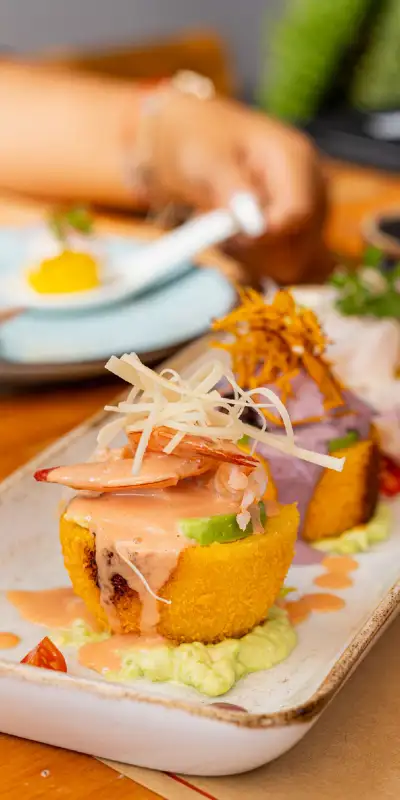
Fresh seafood
Pacific fish and shellfish form the foundation of many iconic coastal dishes.
For culinary travelers, these ingredients represent more than a menu. They offer a meaningful connection to Peru’s landscapes, farming communities, and cultural heritage.
The Culinary Capital of Peru
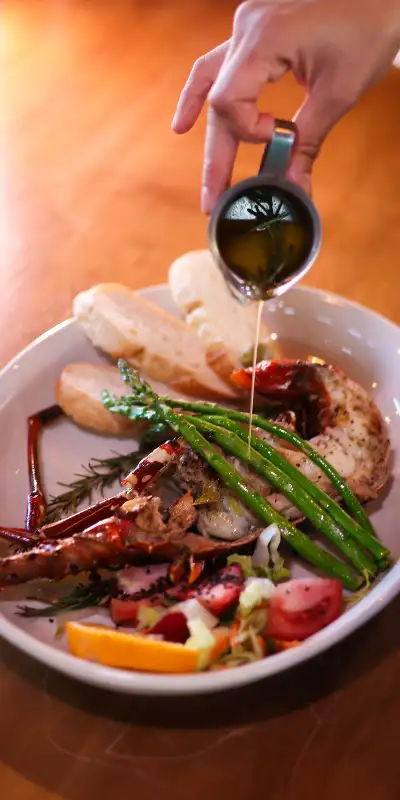
Lima is an essential destination for travelers interested in fine dining. The capital combines outstanding seafood, traditional neighborhood restaurants, contemporary culinary concepts, and internationally celebrated chefs.
Its food scene reflects Peru’s multicultural history while continuing to evolve through innovative techniques and creative interpretations of local ingredients.
Ceviche: Peru’s Iconic Coastal Dish
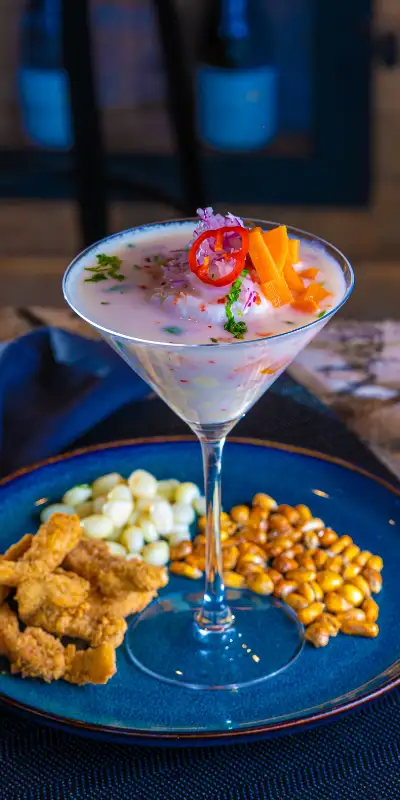
No exploration of Peruvian cuisine would be complete without tasting ceviche.
This celebrated dish typically combines fresh fish with lime juice, chili peppers, red onion, and cilantro. It is often served with sweet potato and corn, creating a balance of acidity, heat, sweetness, and texture.
Although ceviche appears on menus throughout the country, Lima offers exceptional opportunities to experience both traditional preparations and contemporary interpretations.
For a more personal experience, a private culinary tour can introduce travelers to selected cevicherías, neighborhood food traditions, and the ingredients behind this famous dish.
Nikkei and Chifa: Peru’s Culinary Fusion
Two of Lima’s most distinctive culinary traditions emerged through cultural exchange.
Nikkei cuisine combines Japanese culinary techniques with Peruvian ingredients. Fresh seafood, citrus, chili peppers, and precise preparation methods create sophisticated dishes that reflect generations of Japanese-Peruvian heritage.
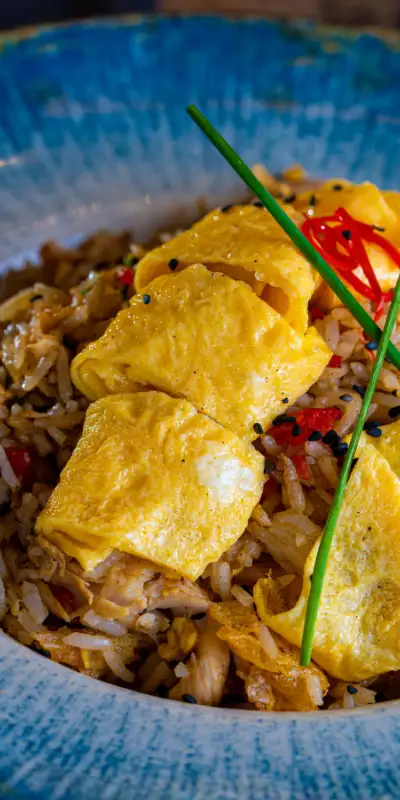
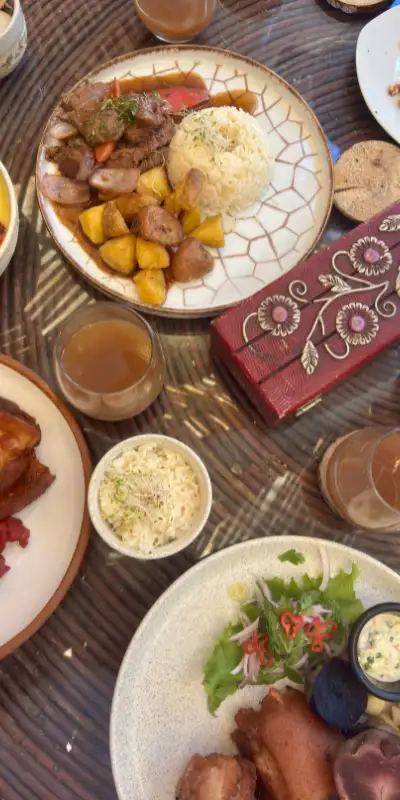
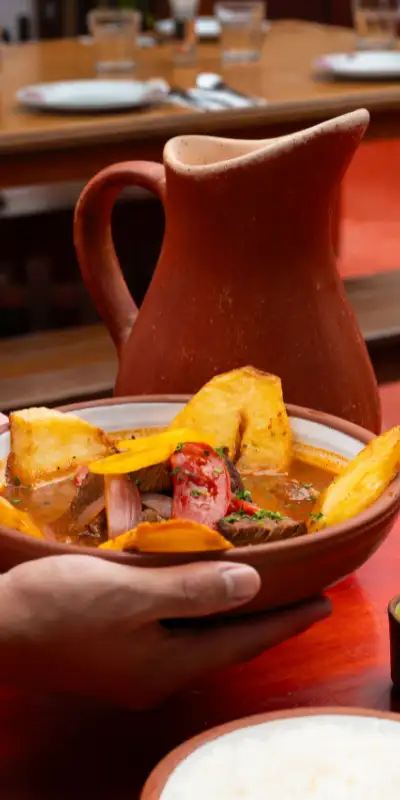
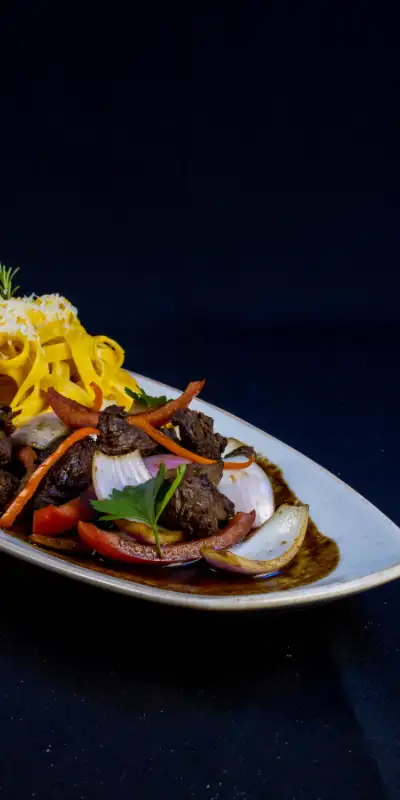
Chifa cuisine developed from Chinese immigration to Peru, particularly Cantonese influences. Signature dishes such as arroz chaufa and lomo saltado illustrate how Chinese-inspired techniques became part of everyday Peruvian food culture.
Experiencing both traditions reveals the creativity and adaptability that define modern Peruvian cooking.
Fine Dining and Exclusive Tasting Menus in Lima
Lima’s reputation as an international culinary destination has been strengthened by restaurants such as Central, Maido, and Kjolle.
Central gained worldwide recognition for its exploration of Peru’s ecosystems, while Maido was named The World’s Best Restaurant in 2025 for its innovative Nikkei cuisine.
The 50+1
These restaurants demonstrate how contemporary chefs transform regional ingredients into extraordinary culinary narratives.
Luxury travelers may incorporate carefully selected tasting menus into personalized itineraries, with restaurant recommendations, advance reservation assistance, and private transportation arranged around their interests.
Traditional Andean Cuisine in Cusco and the Sacred Valley
While Lima highlights contemporary culinary innovation, Cusco and the Sacred Valley offer an opportunity to experience the ancestral foundations of Peruvian cuisine.
Here, traditional cooking remains closely connected to agricultural cycles, local communities, and the surrounding mountain landscape.
Indigenous ingredients, traditional techniques, and family recipes continue to shape daily life, providing rich experiences for travelers interested in cultural immersion.
Traditional Andean Dishes Worth Discovering
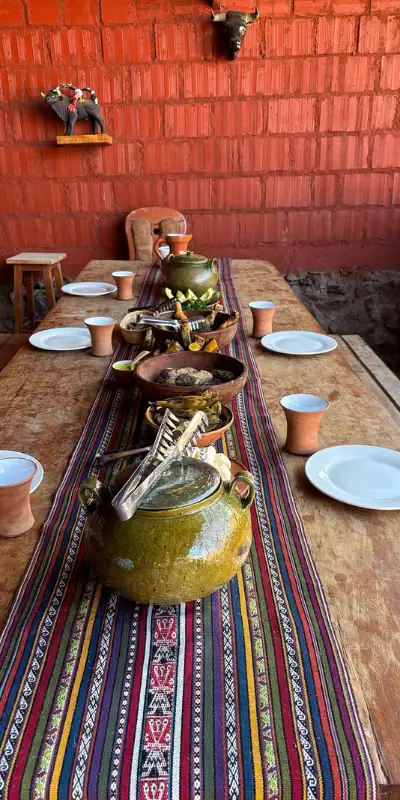
Pachamanca is among the Andes’ most distinctive culinary traditions. Meats, potatoes, corn, and other ingredients are cooked using heated stones, often in an earth oven. The preparation can become a communal celebration centered on food and shared traditions.
Cuy, or guinea pig, has deep roots in Andean food culture. It is commonly prepared roasted or fried and remains an important dish for celebrations and special occasions.
Quinoa soup offers a comforting introduction to traditional highland cooking, combining this ancient grain with vegetables and aromatic herbs.
Native potato dishes showcase the remarkable agricultural heritage of the Andes, where farmers continue cultivating varieties adapted to different elevations and environments.
These foods provide insight into the relationship between Andean communities and the land.
Private Market Tours and Andean Cooking Classes
A private culinary experience in Cusco can begin with a guided visit to a traditional market, where travelers discover colorful produce, local cheeses, native potatoes, medicinal herbs, and aromatic spices.
After learning about regional ingredients, guests can participate in a hands-on cooking session with a local culinary host or chef.
Depending on the selected experience, travelers might learn to prepare traditional Peruvian dishes, explore the use of native peppers, or discover how Andean ingredients can be adapted to contemporary cooking.
Private sessions offer more flexibility than conventional group classes, allowing guests to focus on preferred dishes, dietary requirements, and individual interests.
Exclusive Culinary Experiences in the Sacred Valley
The Sacred Valley offers remarkable settings for memorable dining experiences.
Imagine a beautifully arranged private picnic surrounded by Andean mountains, featuring seasonal ingredients and thoughtfully prepared dishes.
Alternatively, a visit to a local farming community can introduce travelers to traditional cultivation methods and the importance of native crops.
Travelers seeking a deeper cultural connection may enjoy culinary activities that bring together local food traditions, storytelling, and interaction with community hosts.
When arranged respectfully, these experiences support local livelihoods while helping preserve traditional knowledge.
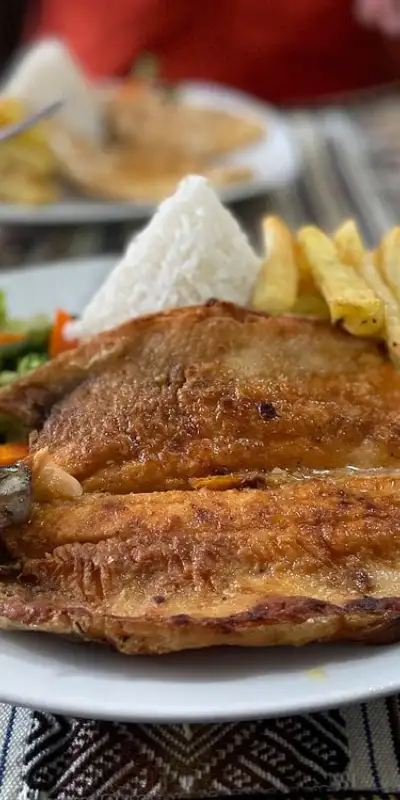
Amazonian Cuisine
Discover the Flavors of the Rainforest
The Peruvian Amazon introduces an entirely different culinary landscape, where river fish, tropical fruits, native roots, and aromatic leaves shape regional cooking traditions.
For travelers visiting Puerto Maldonado or Iquitos, rainforest cuisine adds another dimension to Peru’s gastronomic diversity.
Regional dishes often reflect the close relationship between local communities, rivers, forests, and seasonal ingredients.
Traditional Amazonian Dishes and Ingredients
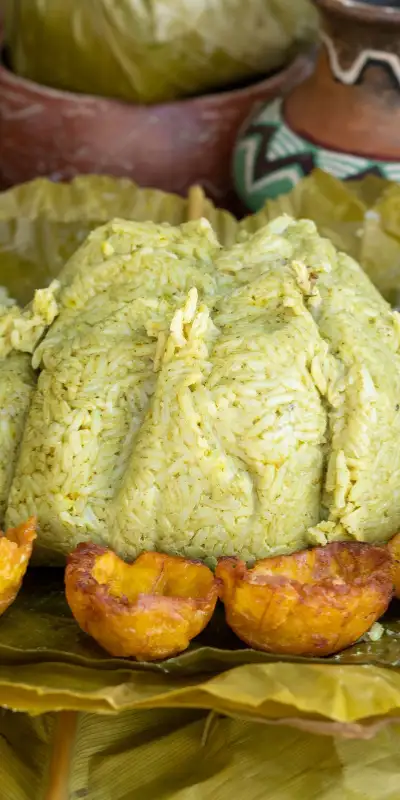
Juane is a traditional Amazonian dish commonly made with seasoned rice, chicken, and other ingredients wrapped in bijao leaves before cooking.
Paiche, an exceptionally large Amazonian freshwater fish, features in regional preparations, although responsible sourcing is important.
Tacacho con cecina combines mashed roasted plantain with cured or smoked pork, creating a hearty and flavorful regional specialty.
Tropical fruits such as camu camu, cocona, and aguaje contribute distinctive acidity, sweetness, and aromas to drinks, sauces, and desserts.
Together, these ingredients reveal a culinary heritage that is both diverse and closely connected to the rainforest environment.
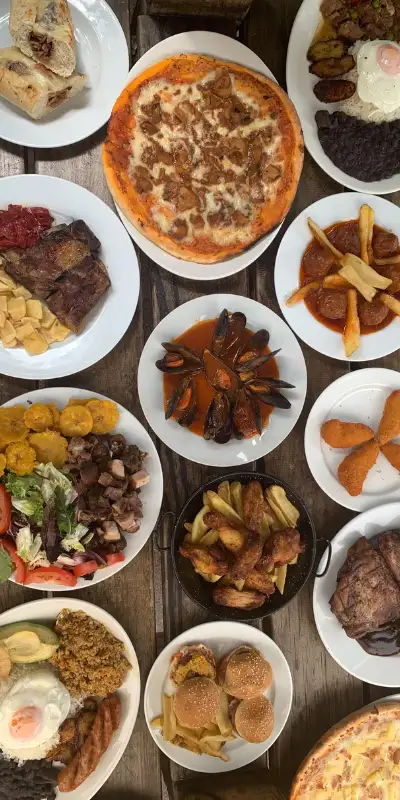
Luxury Dining Experiences in Amazon Lodges
A carefully selected rainforest lodge can provide an ideal setting to explore Amazonian food traditions in comfort.
Depending on the property and its culinary program, guests may enjoy seasonal menus highlighting regional produce, freshwater fish, and local cooking techniques.
Some experiences can combine guided nature activities with opportunities to learn about edible plants, traditional ingredients, and regional culinary customs.
For luxury travelers, the appeal lies in discovering an unfamiliar food culture while enjoying attentive service and thoughtfully organized travel arrangements.
Luxury Culinary Experiences in Peru
The most memorable culinary journeys often extend beyond restaurant dining.
Peru offers opportunities to explore food through meaningful encounters with cooks, farmers, culinary artisans, and local communities.
A personalized itinerary can combine sophisticated dining with authentic regional experiences, creating a journey tailored to each traveler’s interests.
Private Chef Experiences and Intimate Dining
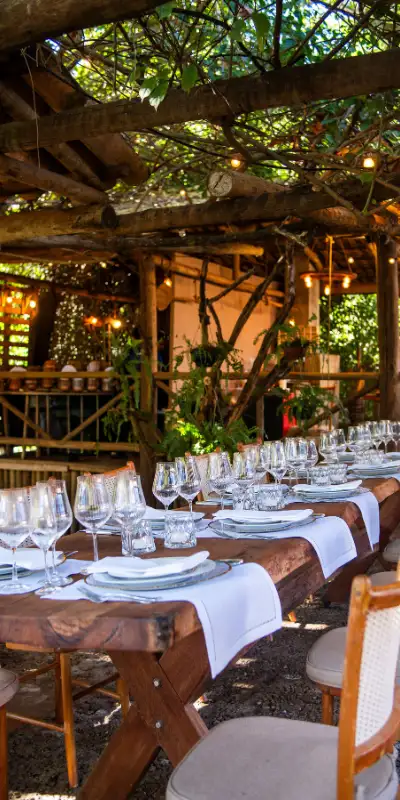
A private dinner prepared by a professional chef can transform an evening into a memorable culinary occasion.
Depending on the venue and arrangements available, menus may highlight contemporary Peruvian cuisine, regional specialties, or creative interpretations of native ingredients.
These experiences are particularly attractive for couples celebrating a special occasion, families seeking privacy, or small groups interested in exclusive dining.
Personalized Food Tastings and Culinary Workshops
Private tastings allow travelers to explore specific aspects of Peru’s food heritage at their own pace.
Experiences may focus on Peruvian chocolate, specialty coffee, native ingredients, traditional desserts, or regional cooking techniques.
A knowledgeable host can explain the origins of each product and introduce the people and traditions behind it.
For travelers seeking more active participation, a private cooking workshop provides the opportunity to turn newly discovered ingredients into dishes they can recreate at home.
Behind-the-Scenes Culinary Encounters
For passionate food enthusiasts, opportunities to meet culinary professionals or learn about restaurant operations can add depth to a journey.
Depending on the establishment, this may involve a specially arranged demonstration, a guided ingredient presentation, or an educational session with a culinary expert.
Such encounters require advance coordination and are not universally available, particularly at highly sought-after restaurants.
When possible, they offer a deeper understanding of the creativity and craftsmanship behind Peru’s celebrated dining culture.
How to Plan a Luxury Culinary Journey Through Peru
Creating an exceptional food-focused itinerary requires more than choosing restaurants.
Travel distances, seasonal ingredients, altitude, reservation windows, and individual preferences all influence the quality of the experience.
A well-designed journey balances memorable meals with cultural exploration, relaxation, and comfortable logistics.
Suggested Culinary Experiences by Destination
Sustainable Gastronomy and Responsible Culinary Travel
Authentic culinary tourism can benefit local communities when experiences are developed through respectful partnerships.
Choosing locally sourced ingredients, engaging community-based hosts, and supporting traditional producers can help strengthen regional economies.
In the Andes, agricultural traditions preserve knowledge about native potatoes, corn, and other crops adapted to challenging environments.
In the Amazon, responsible sourcing is particularly important for protecting biodiversity and supporting sustainable food systems.
Luxury travel and responsible tourism can complement one another when the emphasis is on meaningful cultural exchange rather than simply exclusivity.
Experience Peruvian Cuisine with Peru Private Tours
Discovering Peru through its food becomes even more rewarding when every experience is designed around your interests.
At Peru Private Tours, we create tailor-made journeys that combine the country’s exceptional culinary traditions with cultural exploration, private transportation, knowledgeable local guides, and attentive service.
Whether you dream of experiencing Lima’s celebrated dining scene, participating in an Andean cooking workshop, or discovering regional flavors during an Amazon adventure, our team can help design a journey that reflects your travel style.
Our personalized planning approach includes assistance with suitable dining reservations, coordination of private culinary experiences, luxury transfers, and 24/7 in-country support.
We also value responsible tourism partnerships and meaningful interactions with the communities that preserve Peru’s cultural heritage.
Frequently Asked Questions About Peruvian Cuisine
Recent guides
Andean Weaving Traditions: A Living Heritage in Peru
An encounter with Jean-Bernard Münch, former President of the Swiss Commission for UNESCO, reveals why…
Peruvian Cuisine
CUISINE GUIDE Discover Peru’s Finest Food and Luxury Culinary Experiences Peruvian cuisine is more than…
Machu Picchu Circuits Explained
travel guide Which Route Should You Choose? MACHU PICCHU CIRCUITS GUIDE Choosing the right Machu…
Private Peru Tours
travel guide How to Design a Tailor-Made Journey Through Peru Luxury Machu Picchu tours A…
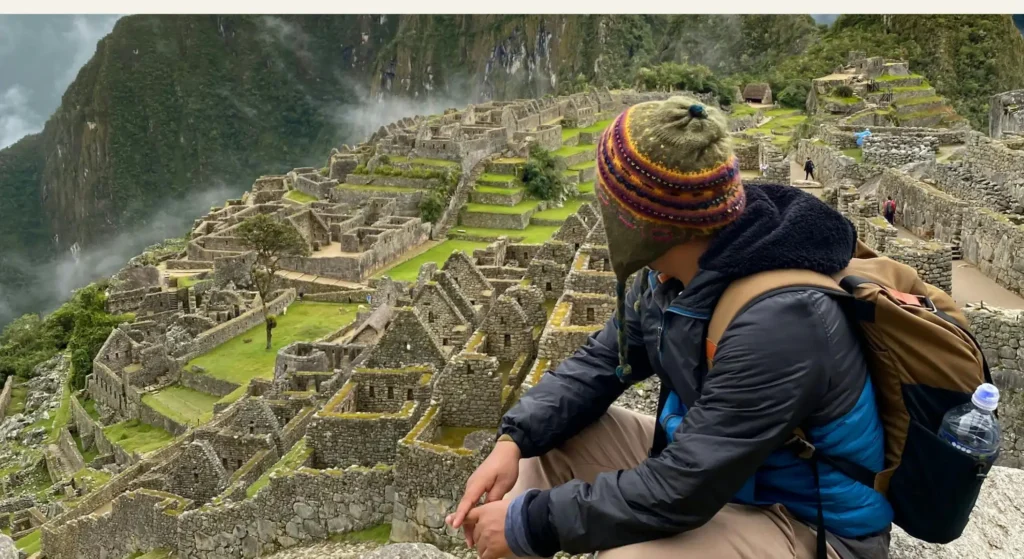
Luxury Machu Picchu Tours
travel guide How to Plan a Private, Seamless & High-End Experience Luxury Machu Picchu tours…
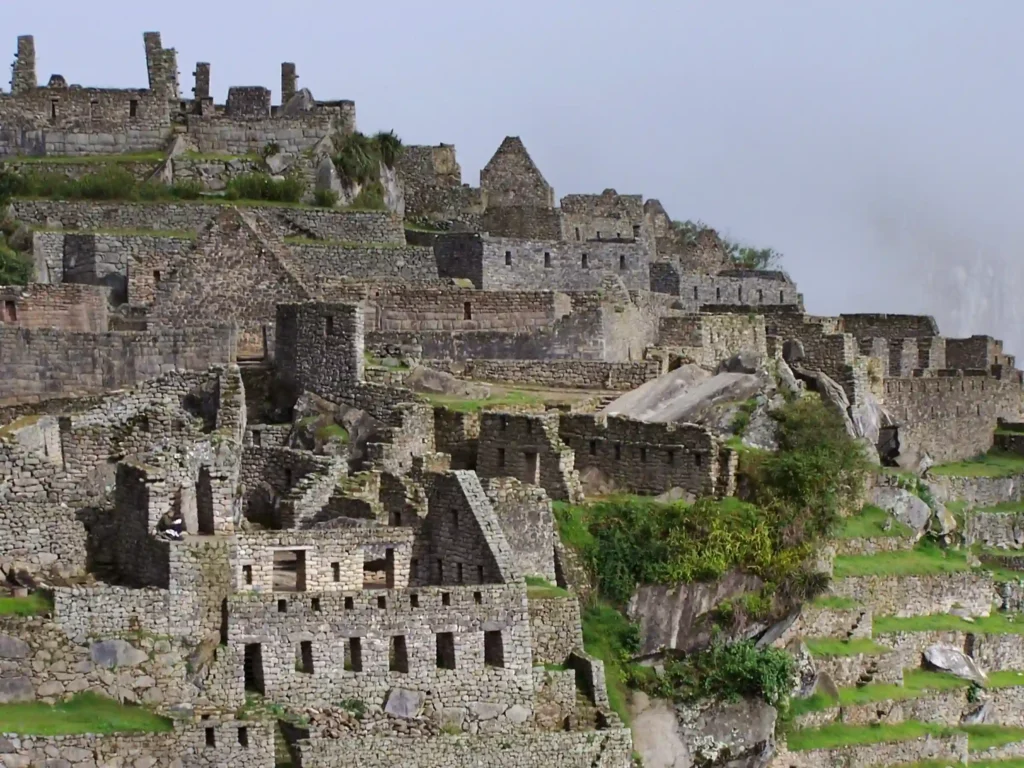
Best Time to Visit Machu Picchu: The Definitive Local Guide to Weather, Crowds, Tickets & Travel Planning
Table of Contents Use this guide to choose the best travel dates for your Machu…
Luxury options
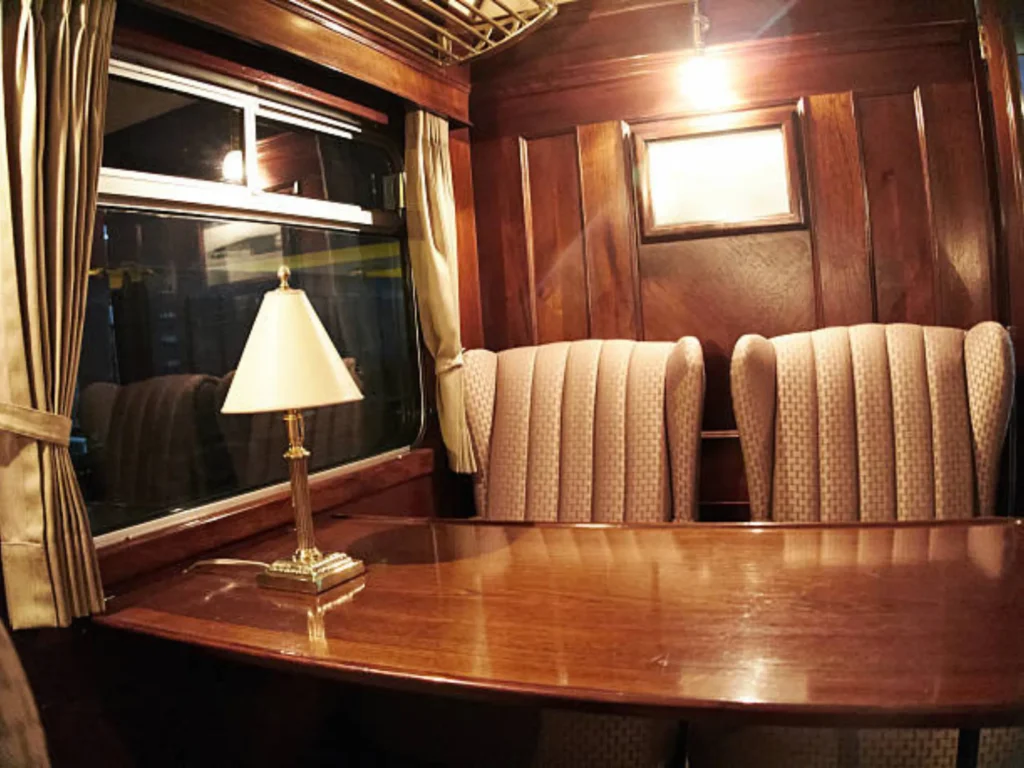
Top Luxury Train Options to Machu Picchu
travel guide Discover the finest rail experiences to Machu Picchu, from the legendary Belmond Hiram…
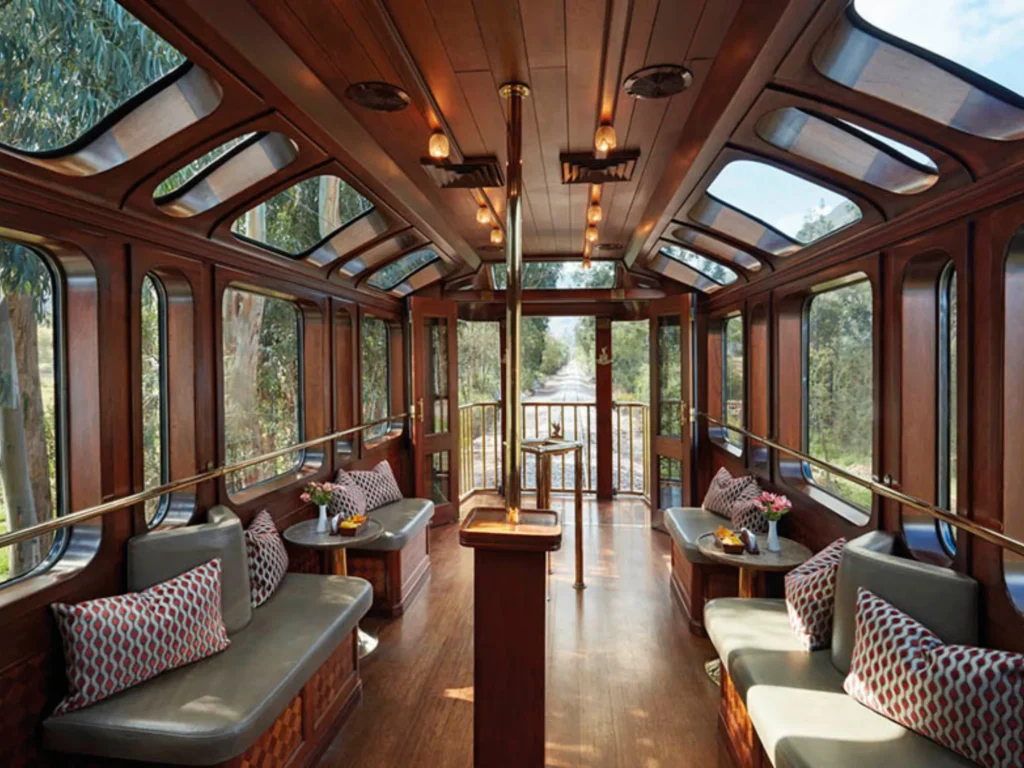
The Railway Through the Andes: Machu Picchu train tour
travel guide The railway that connects the Sacred Valley to Machu Picchu is one of…
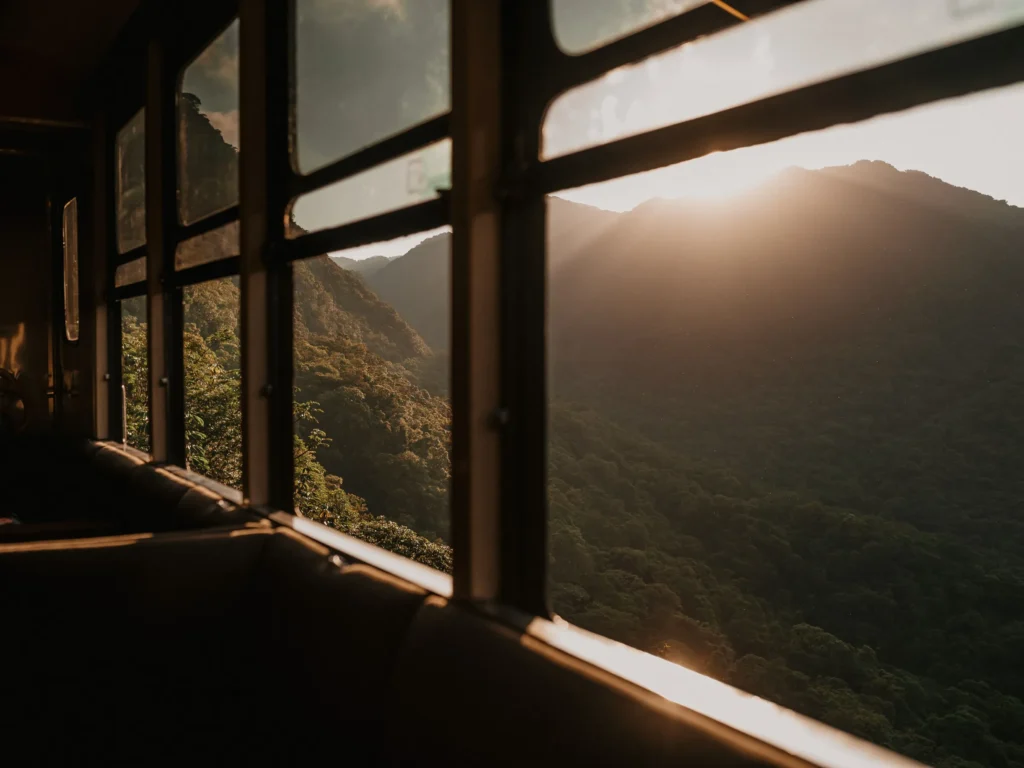
The Elegance of the Rails: Experience the Ultimate Machu Picchu Train Tour
travel guide The journey to the heart of the Incan Empire is as much about…
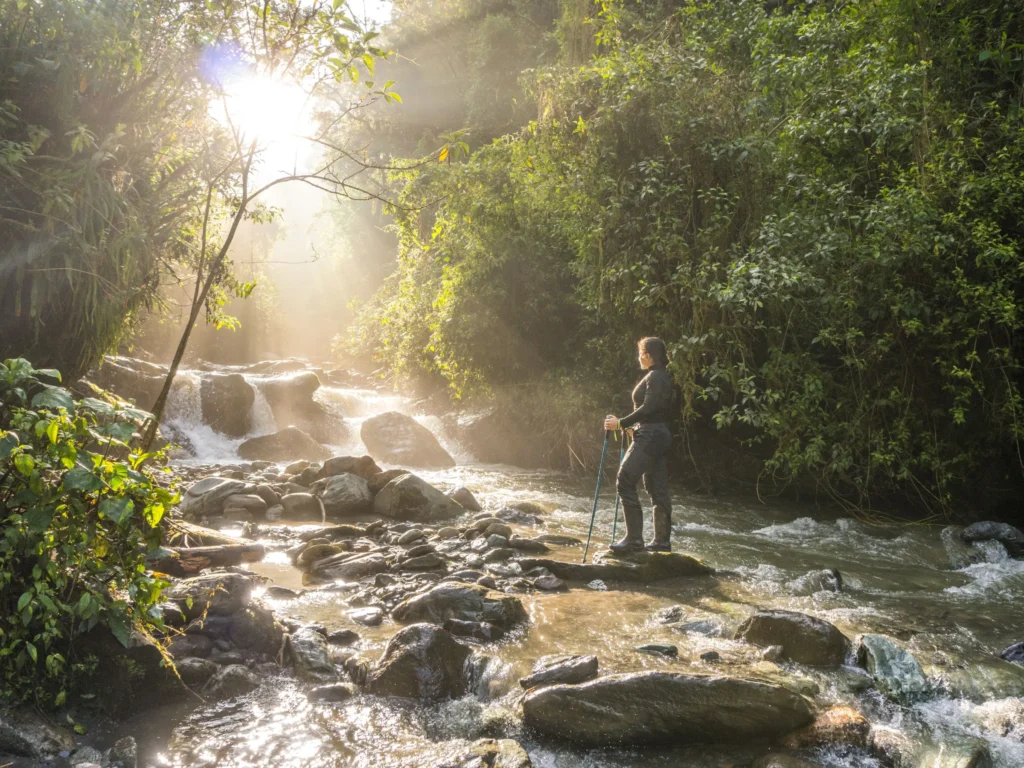
Luxury Travel in Peru: A Country Defined by Contrasts
travel guide Peru’s geography resists simplification. Within a single journey, one may move from Pacific…
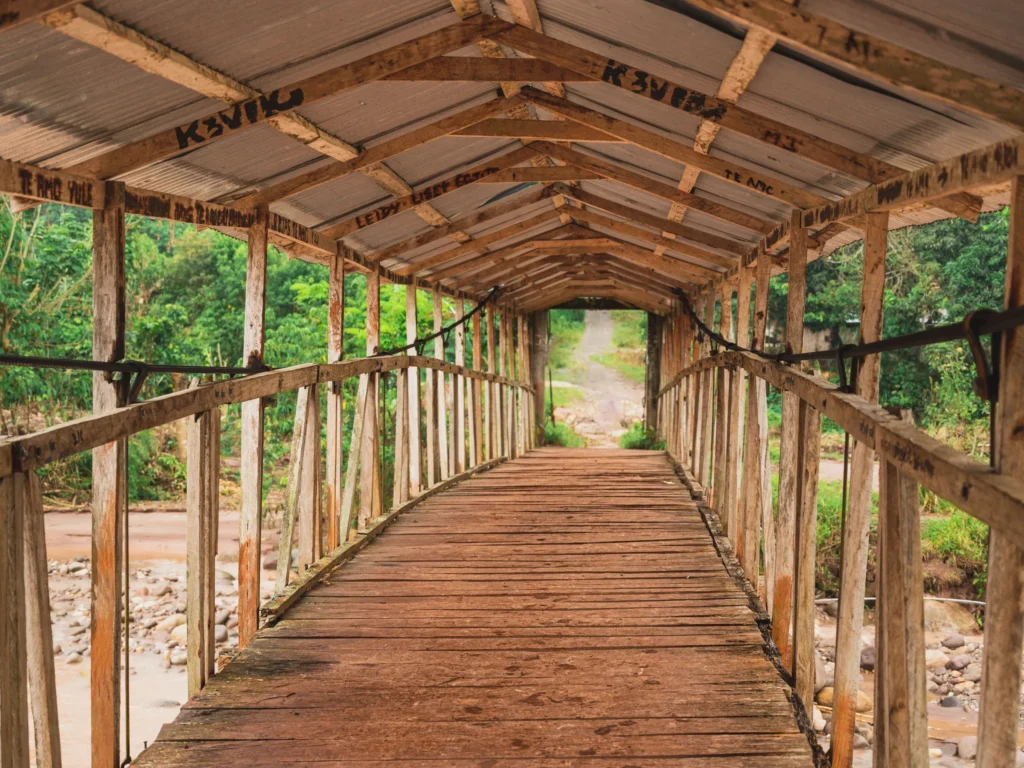
From the Thames to the Andes: The Ultimate Machu Picchu Peru Private Tours from London
travel guide For the sophisticated Londoner, travel is often about finding the “hidden” within the…
Plan Your Private Culinary Journey in Peru
From Lima’s fine dining restaurants to authentic Andean flavors, discover a culinary experience designed around your interests.
