

travel guide
Salkantay Trek: Difficulty, Altitude & Private Hiking Experience

The Salkantay Trek is one of Peru’s most dramatic alternative routes to Machu Picchu, taking travelers through high mountain passes, glacial landscapes, remote Andean valleys, and lush cloud forests.
Unlike the classic Inca Trail, the Salkantay route is known primarily for its mountain scenery, changing ecosystems, and demanding high-altitude terrain.
The trek crosses Salkantay Pass at approximately 4,630 meters (15,190 feet), making altitude, weather conditions, and physical preparation essential considerations.
For travelers seeking greater flexibility, a private Salkantay Trek offers personalized pacing, dedicated local guidance, and coordinated trekking support within the practical limits of mountain conditions.
This guide explains the route, physical difficulty, altitude challenges, seasonal considerations, and what makes a private journey through the Salkantay region distinctive.
QUICK SUMMARY
- What Makes the Salkantay Trek Unique?
- Salkantay Trek Route and Mountain Landscapes
- Descent into the Cloud Forest
- The Value of a Private Format
- Culinary Considerations in Remote Terrain
- Environmental and Seasonal Factors
- Physical Preparation and Requirements
- A Measured Approach to Machu Picchu
- Frequently Asked Questions
- Related Guides

What Makes the Salkantay Trek Unique?
Rising to over 6,200 metres above sea level, Salkantay is one of the highest peaks in the region. Unlike the more frequented areas surrounding Cusco, its slopes remain largely undeveloped, preserving a sense of scale and isolation. In Quechua belief systems, mountains such as Salkantay are considered living entities—protective forces that influence weather, agriculture, and human activity. This perspective remains present in local communities, where offerings are still made to honour these natural formations. Undertaking a private salkantay trek therefore involves not only physical movement through the landscape, but entry into a space that retains cultural and spiritual significance.
Salkantay Trek Route and Mountain Landscapes
The journey typically begins in Cusco, with early departure toward the village of Mollepata. From here, private transport continues to the trailhead, often located near Soraypampa. Private arrangements allow for flexibility in departure time, enabling a more gradual transition into the trek and reducing exposure to large groups.
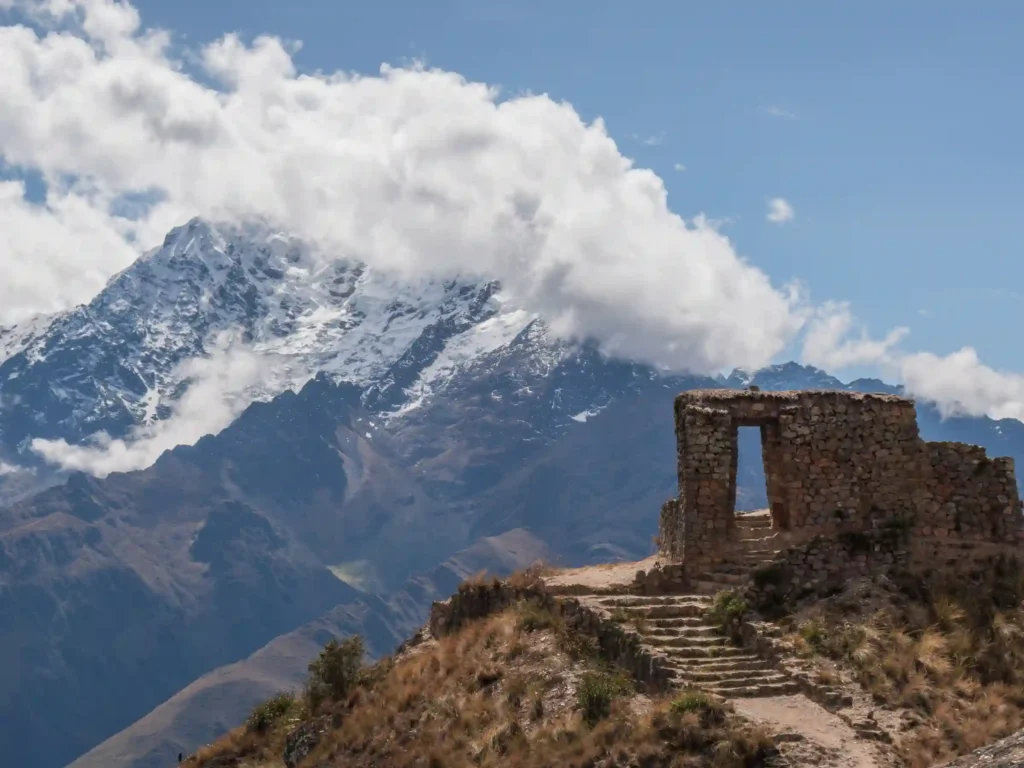
Soraypampa, situated at approximately 3,900 metres, serves as the first staging point. The surrounding landscape is open and exposed, with Salkantay dominating the horizon. The initial trekking segment introduces altitude gradually, allowing for acclimatisation before the more demanding ascent to the Salkantay Pass.
The highest point of the trek, the Salkantay Pass, reaches approximately 4,600 metres. This section is physically demanding, with steep gradients and reduced oxygen levels. However, it also provides one of the most expansive views in the Andes—glacial peaks, deep valleys, and minimal human presence. The absence of infrastructure reinforces the sense of scale. A private salkantay trek allows for pacing tailored to individual capability, with additional support such as porters, horses, and strategic rest points.
Descent into the Cloud Forest
Following the pass, the route descends rapidly into warmer, more humid conditions. Vegetation becomes denser, transitioning from high-altitude grasslands to cloud forest. This ecological shift is one of the defining characteristics of the Salkantay route. Within a single day, travellers experience multiple climatic zones, each with distinct flora and fauna. Settlements along this section are sparse, often consisting of small agricultural communities.
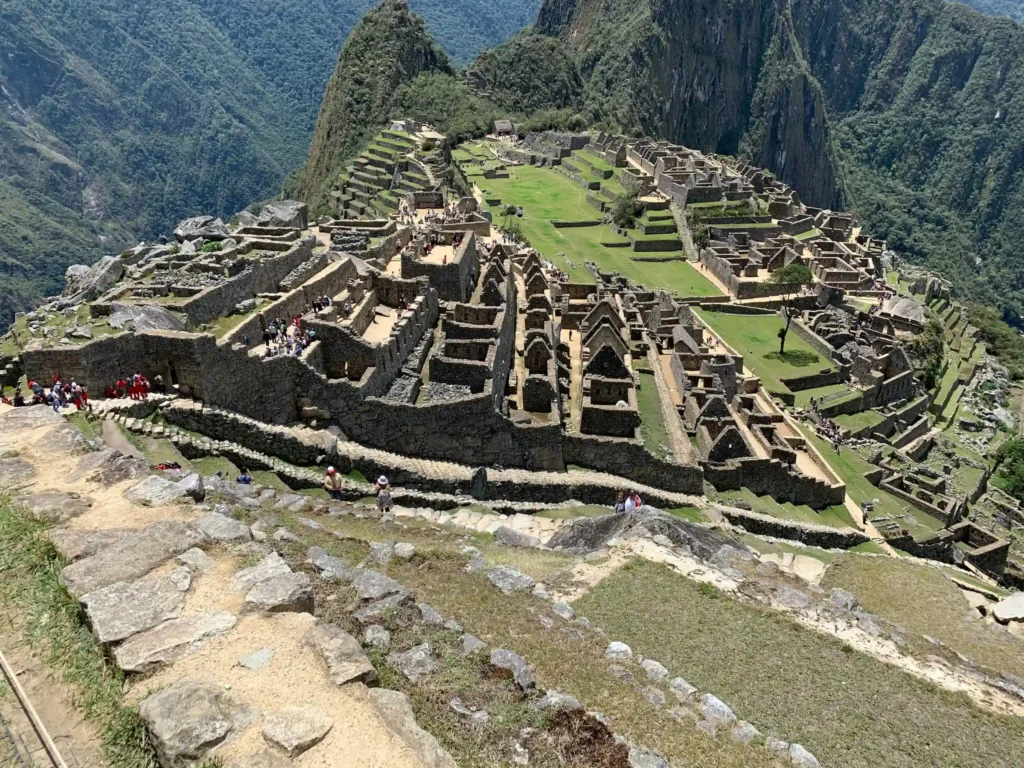
The final stages of the trek connect with routes leading toward Aguas Calientes. From here, access to Machu Picchu is typically completed by train or on foot, depending on itinerary design. The arrival at Machu Picchu is thus framed by several days of gradual approach, contrasting with the immediacy of rail-based access.
The Value of a Private Format
A private salkantay trek allows the itinerary to adapt to physical conditions, weather, and individual preferences. Unlike group departures, where timing is fixed, private arrangements provide flexibility. This includes: adjusting daily distances, extending rest periods at altitude, and modifying routes in response to weather. Such control is particularly valuable in high-altitude environments.
While the Salkantay route is inherently remote, private treks introduce a level of logistical refinement: dedicated trekking staff, including guides, cooks, and support teams; equipment adapted to varying conditions; and campsites selected for both safety and landscape quality. Accommodation may range from high-quality tents to structured camps with insulated sleeping systems and curated dining.
Culinary Considerations in Remote Terrain
Despite the isolation, food remains a central component of the experience. Private treks often include: freshly prepared meals using regional ingredients, adaptation to dietary requirements, and structured dining schedules aligned with trekking stages. Meals are designed not only for nutrition, but also for recovery and acclimatisation.
Environmental and Seasonal Factors
The Salkantay route traverses multiple climatic zones, resulting in significant variation in weather conditions: high-altitude sections with cold, dry, and exposed conditions; mid-level zones with moderate temperatures and occasional rainfall; and lower elevations with humid and warmer conditions and dense vegetation. Preparation requires layered clothing and equipment suited to rapid change.
Dry season (May–September): clearer conditions, more stable trails. Wet season (November–March): increased rainfall, potential for mud and reduced visibility. Private itineraries allow for route adjustments based on seasonal conditions.
Communities along the Salkantay route maintain traditional agricultural practices, often cultivating potatoes, maize, and other high-altitude crops. Interaction with these communities is typically limited but meaningful. A private guide can facilitate respectful engagement, providing context without disrupting daily life. The use of Quechua language remains prevalent, reinforcing continuity with pre-colonial traditions
Physical Preparation and Requirements
A private salkantay trek requires a moderate to high level of physical fitness. Key considerations include: endurance for multi-day trekking, adaptation to altitude, and ability to navigate uneven terrain. Pre-trek acclimatisation in Cusco or the Sacred Valley is essential.
While both routes lead to Machu Picchu, their characteristics differ significantly: the Inca Trail follows a defined historical pathway with controlled access; the Salkantay route prioritises landscape over archaeology; and visitor density is lower on Salkantay, particularly in private formats. This distinction positions the Salkantay trek as an alternative for those seeking scale and variation rather than historical continuity alone.
A Measured Approach to Machu Picchu
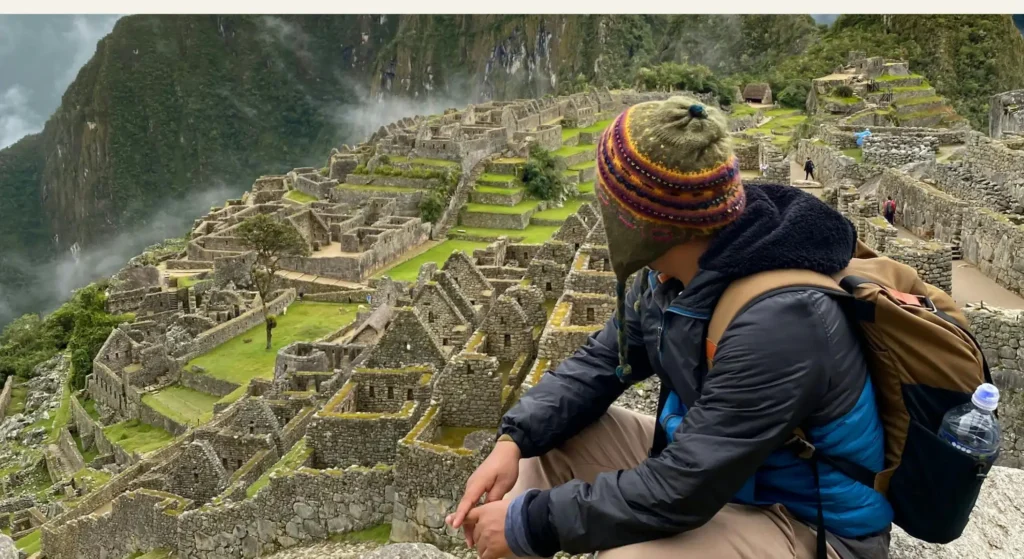
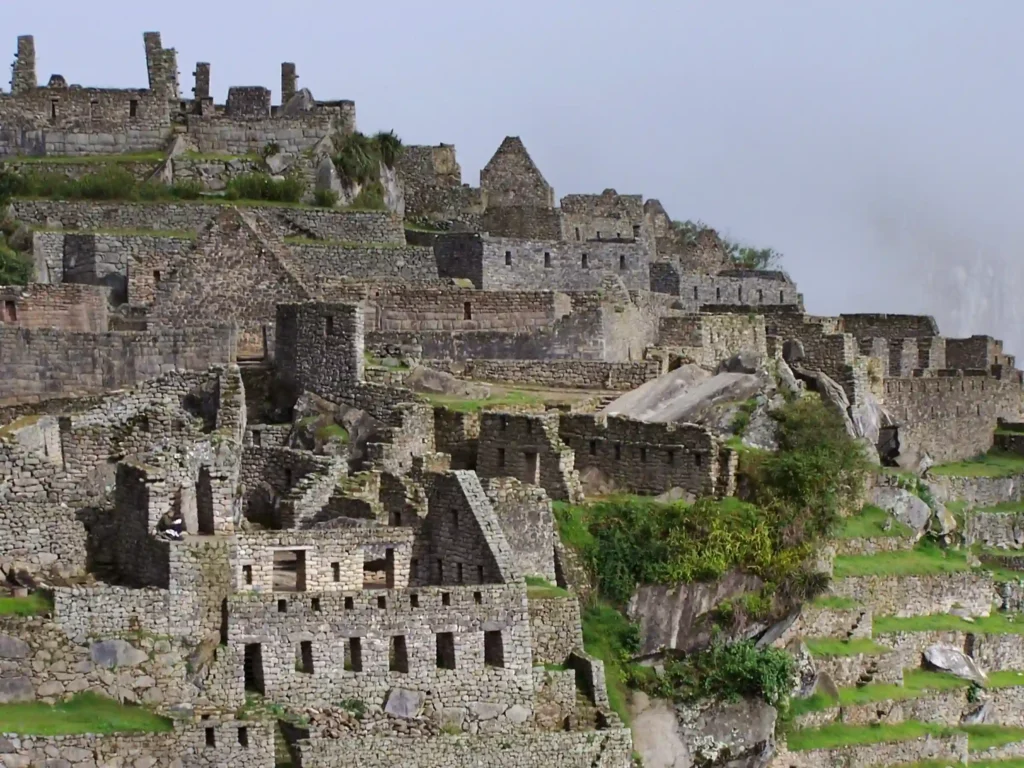
Arriving at Machu Picchu after several days on the Salkantay route alters perception. The site is no longer an isolated destination, but the culmination of a broader geographical and cultural experience. The trek provides context: an understanding of the terrain that shaped Inca decision-making, the environmental constraints they navigated, and the scale within which they operated. A private salkantay trek therefore reframes Machu Picchu—not as a singular highlight, but as one element within a complex Andean system.
Frequently Asked Questions
Related Guides
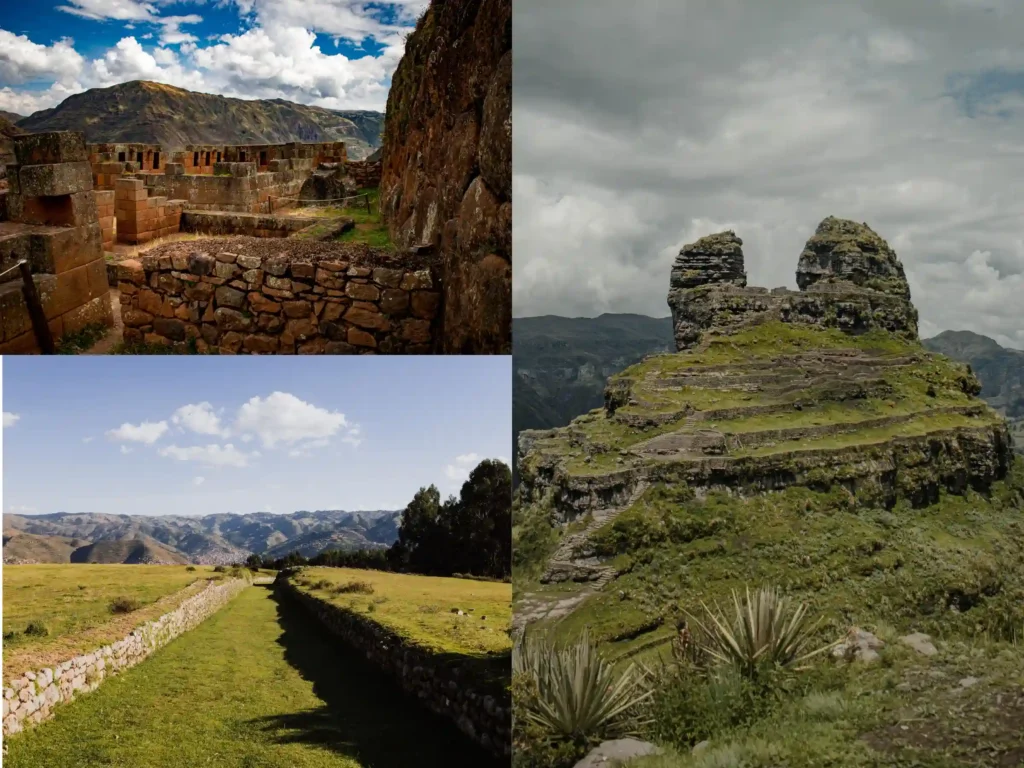
Huchuy Qosqo Trek to Machu Picchu 3 Days
The Huchuy Qosqo Trek to Machu Picchu 3 Days 2 Nights is a short but…
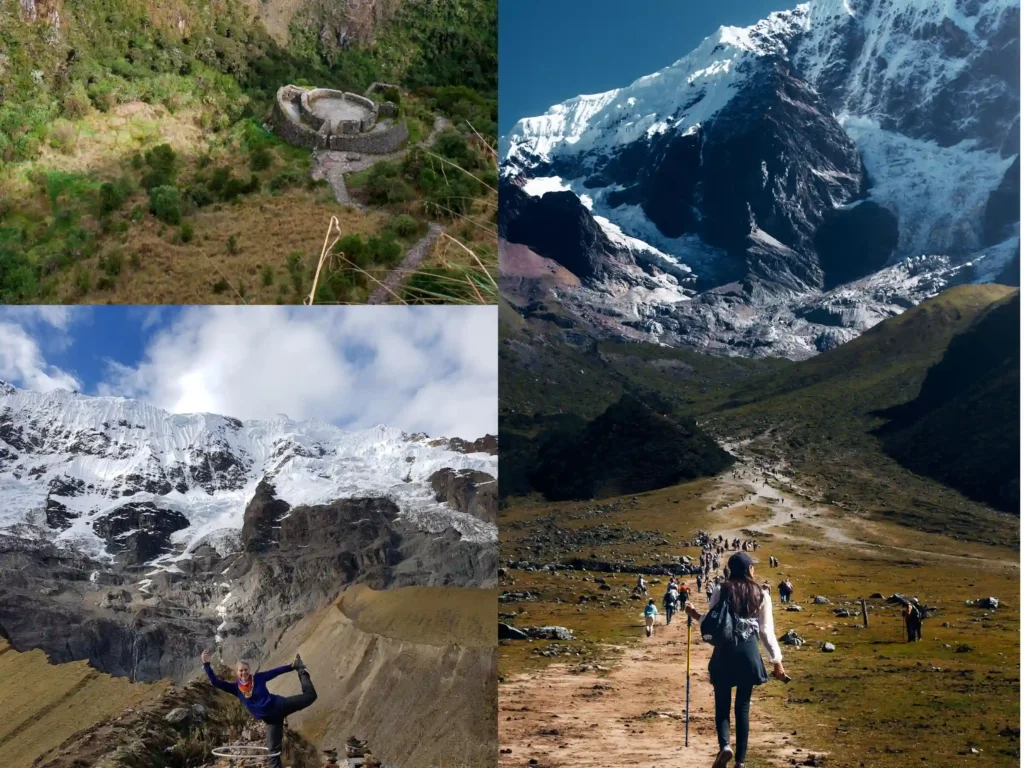
Salkantay Trek 5 Days to Machu Picchu
Experience one of Peru’s most spectacular alternative treks to Machu Picchu, crossing high mountain landscapes,…
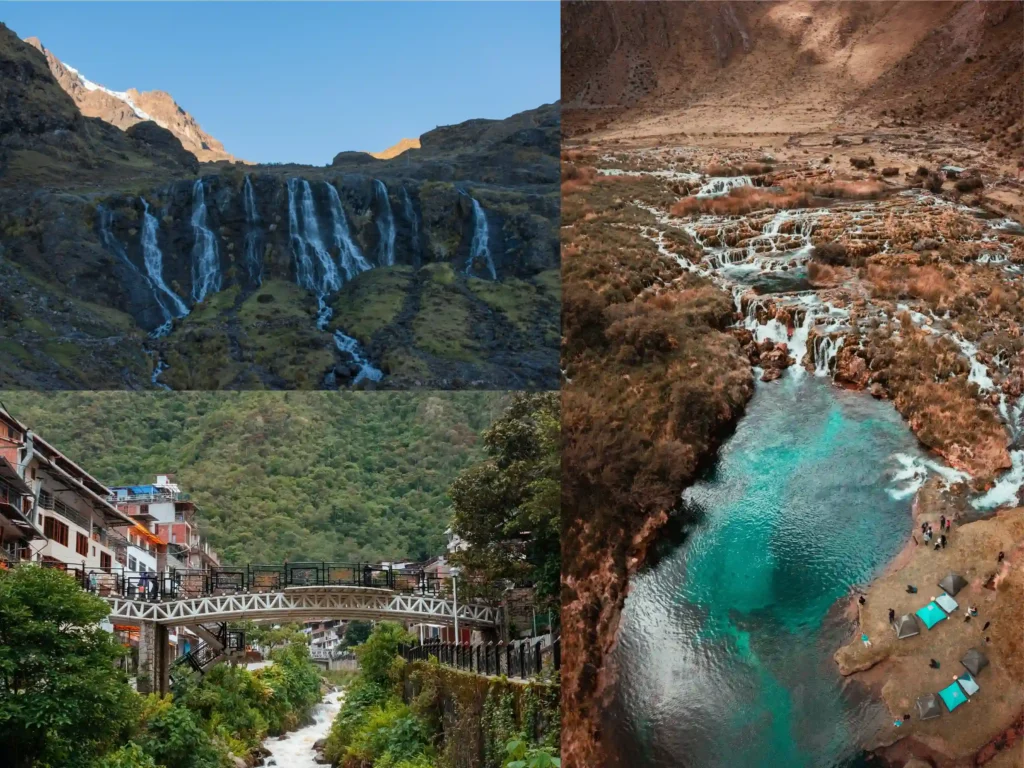
Lares Trek to Machu Picchu 4 Days
The Lares Trek to Machu Picchu is one of the most authentic alternative treks in…
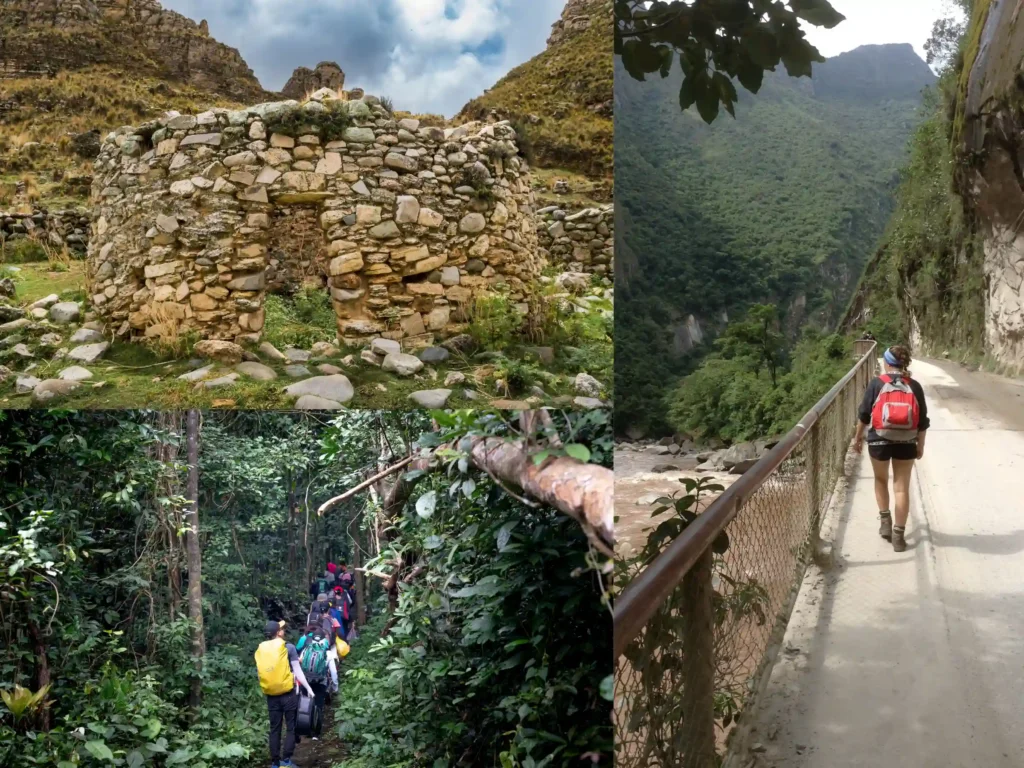
Inca Jungle Trek to Machu Picchu 4 Days
The Inca Jungle Trek to Machu Picchu is the most adventurous alternative route to the…
Short Inca Trail to Machu Picchu with Hotel
Experience the final and most iconic section of the Inca Trail without camping. This Short…
5 Day Inca Trail to Machu Picchu
Experience the legendary Inca Trail as a slower-paced private journey, with more time to enjoy…
Recent guides
Andean Weaving Traditions: A Living Heritage in Peru
An encounter with Jean-Bernard Münch, former President of the Swiss Commission for UNESCO, reveals why traditional weaving in Peru’s Sacred Valley is much more than an ancient craft. reading time…
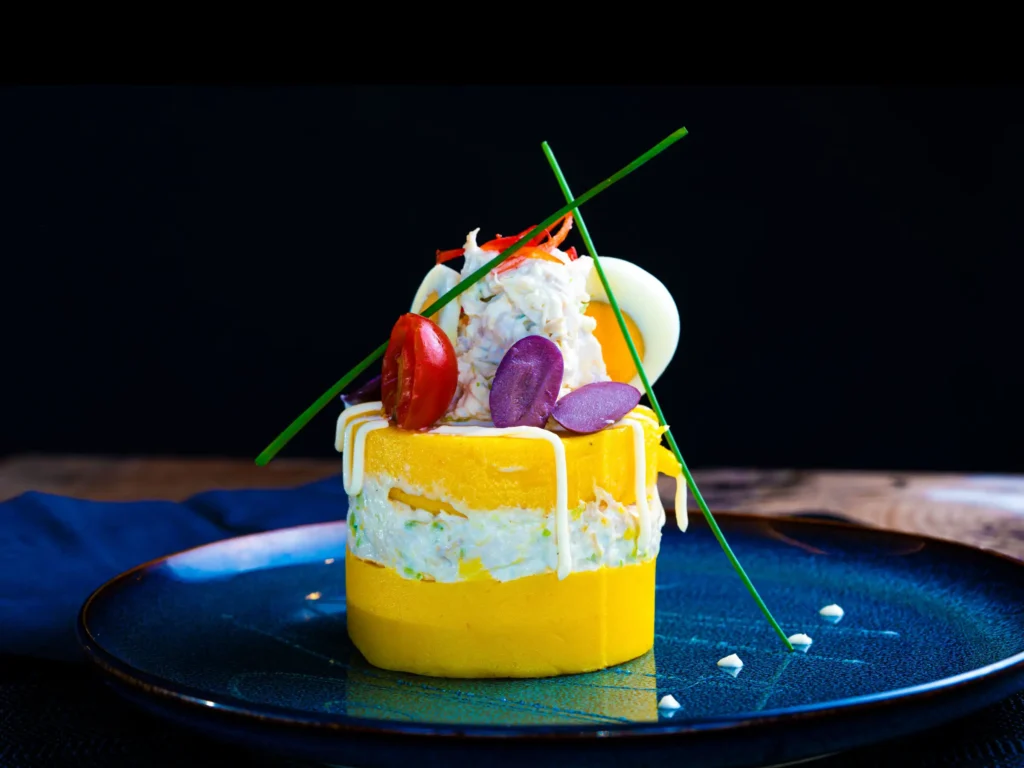
Peruvian Cuisine
CUISINE GUIDE Discover Peru’s Finest Food and Luxury Culinary Experiences Peruvian cuisine is more than a collection of delicious dishes. It is a journey through ancient civilizations, extraordinary biodiversity, and…
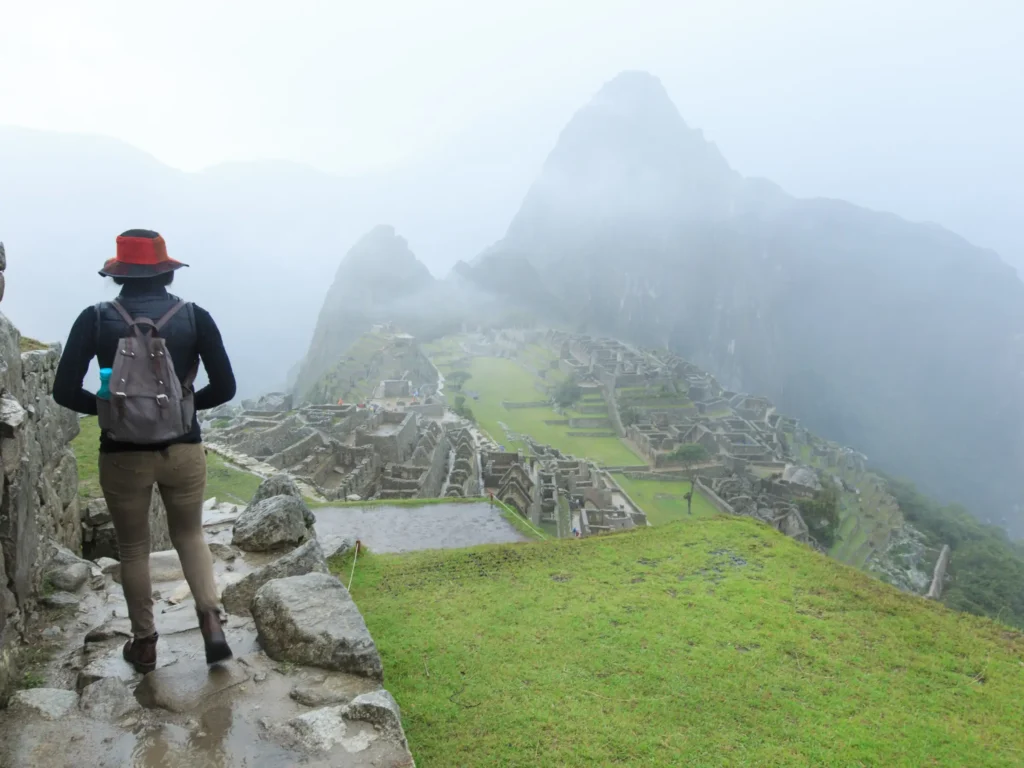
Machu Picchu Circuits Explained
travel guide Which Route Should You Choose? MACHU PICCHU CIRCUITS GUIDE Choosing the right Machu Picchu circuit is one of the most important decisions you will make when you plan…
Private Peru Tours
travel guide How to Design a Tailor-Made Journey Through Peru Luxury Machu Picchu tours A private tour in Peru is not a standard itinerary with a private guide and vehicle….
Luxury Machu Picchu Tours
travel guide How to Plan a Private, Seamless & High-End Experience Luxury Machu Picchu tours Machu Picchu is one of the world’s most iconic travel experiences if planned properly. The…
Best Time to Visit Machu Picchu: The Definitive Local Guide to Weather, Crowds, Tickets & Travel Planning
Table of Contents Use this guide to choose the best travel dates for your Machu Picchu experience based on your style, schedule, and priorities. Best Time to Visit Machu Picchu…
Planning a Private Journey Through Peru?
Use our travel guides to understand your options—then let our local Peru specialists design the journey around your dates, pace, interests, and comfort preferences.
Whether you’re planning Machu Picchu, the Sacred Valley, the Amazon, Lake Titicaca, Arequipa, Lima, or a complete Peru itinerary, we’ll help you connect everything with private guiding, seamless logistics, and thoughtful timing.
