

travel guide
Private Salkantay Trek: A Route Defined by Altitude and Isolation

Among the various approaches to Machu Picchu, the Salkantay route stands apart for its scale, ecological diversity, and relative independence from the structured pathways of the Inca Trail. The private salkantay trek follows a corridor shaped not by a single engineered road, but by geography itself—crossing high mountain passes, glacial valleys, and dense cloud forest before descending toward the Urubamba basin. This is not a reconstructed historical path in the conventional sense. Instead, it is a journey through terrain that held both practical and spiritual importance to the Incas, dominated by the presence of Salkantay, one of the most revered apus in Andean cosmology.
QUICK SUMARY
- The Significance of Salkantay
- Structure of a private salkantay trek
- Descent into the Cloud Forest
- The Value of a Private Format
- Culinary Considerations in Remote Terrain
- Environmental and Seasonal Factors
- Physical Preparation and Requirements
- A Measured Approach to Machu Picchu
- Frequently Asked Questions
- Related Guides
- The Significance of Salkantay
- Structure of a private salkantay trek
- Descent into the Cloud Forest
- The Value of a Private Format
- Culinary Considerations in Remote Terrain
- Environmental and Seasonal Factors
- Physical Preparation and Requirements
- A Measured Approach to Machu Picchu
- Frequently Asked Questions
- Related Guides

The Significance of Salkantay
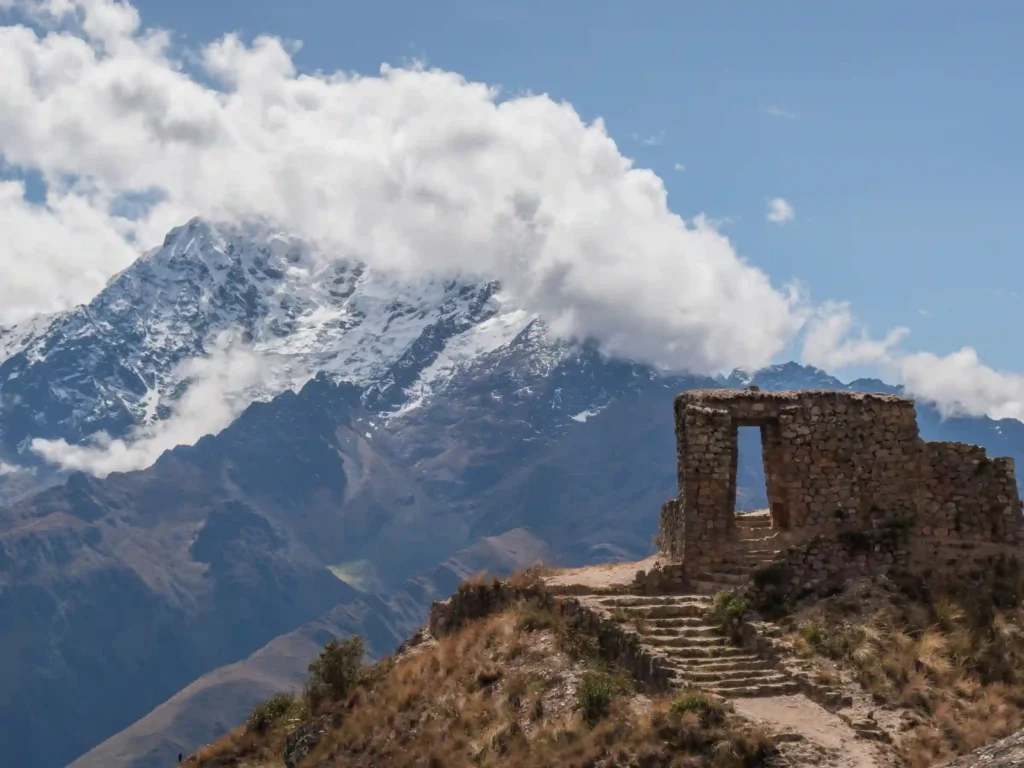
Rising to over 6,200 metres above sea level, Salkantay is one of the highest peaks in the region. Unlike the more frequented areas surrounding Cusco, its slopes remain largely undeveloped, preserving a sense of scale and isolation. In Quechua belief systems, mountains such as Salkantay are considered living entities—protective forces that influence weather, agriculture, and human activity. This perspective remains present in local communities, where offerings are still made to honour these natural formations. Undertaking a private salkantay trek therefore involves not only physical movement through the landscape, but entry into a space that retains cultural and spiritual significance.
Structure of a private salkantay trek
The journey typically begins in Cusco, with early departure toward the village of Mollepata. From here, private transport continues to the trailhead, often located near Soraypampa. Private arrangements allow for flexibility in departure time, enabling a more gradual transition into the trek and reducing exposure to large groups.
Soraypampa, situated at approximately 3,900 metres, serves as the first staging point. The surrounding landscape is open and exposed, with Salkantay dominating the horizon. The initial trekking segment introduces altitude gradually, allowing for acclimatisation before the more demanding ascent to the Salkantay Pass.
The highest point of the trek, the Salkantay Pass, reaches approximately 4,600 metres. This section is physically demanding, with steep gradients and reduced oxygen levels. However, it also provides one of the most expansive views in the Andes—glacial peaks, deep valleys, and minimal human presence. The absence of infrastructure reinforces the sense of scale. A private salkantay trek allows for pacing tailored to individual capability, with additional support such as porters, horses, and strategic rest points.
Descent into the Cloud Forest
Following the pass, the route descends rapidly into warmer, more humid conditions. Vegetation becomes denser, transitioning from high-altitude grasslands to cloud forest. This ecological shift is one of the defining characteristics of the Salkantay route. Within a single day, travellers experience multiple climatic zones, each with distinct flora and fauna. Settlements along this section are sparse, often consisting of small agricultural communities.
The final stages of the trek connect with routes leading toward Aguas Calientes. From here, access to Machu Picchu is typically completed by train or on foot, depending on itinerary design. The arrival at Machu Picchu is thus framed by several days of gradual approach, contrasting with the immediacy of rail-based access.
The Value of a Private Format
A private salkantay trek allows the itinerary to adapt to physical conditions, weather, and individual preferences. Unlike group departures, where timing is fixed, private arrangements provide flexibility. This includes: adjusting daily distances, extending rest periods at altitude, and modifying routes in response to weather. Such control is particularly valuable in high-altitude environments.
While the Salkantay route is inherently remote, private treks introduce a level of logistical refinement: dedicated trekking staff, including guides, cooks, and support teams; equipment adapted to varying conditions; and campsites selected for both safety and landscape quality. Accommodation may range from high-quality tents to structured camps with insulated sleeping systems and curated dining.
Culinary Considerations in Remote Terrain
Despite the isolation, food remains a central component of the experience. Private treks often include: freshly prepared meals using regional ingredients, adaptation to dietary requirements, and structured dining schedules aligned with trekking stages. Meals are designed not only for nutrition, but also for recovery and acclimatisation.
Environmental and Seasonal Factors
The Salkantay route traverses multiple climatic zones, resulting in significant variation in weather conditions: high-altitude sections with cold, dry, and exposed conditions; mid-level zones with moderate temperatures and occasional rainfall; and lower elevations with humid and warmer conditions and dense vegetation. Preparation requires layered clothing and equipment suited to rapid change.
Dry season (May–September): clearer conditions, more stable trails. Wet season (November–March): increased rainfall, potential for mud and reduced visibility. Private itineraries allow for route adjustments based on seasonal conditions.
Communities along the Salkantay route maintain traditional agricultural practices, often cultivating potatoes, maize, and other high-altitude crops. Interaction with these communities is typically limited but meaningful. A private guide can facilitate respectful engagement, providing context without disrupting daily life. The use of Quechua language remains prevalent, reinforcing continuity with pre-colonial traditions
Physical Preparation and Requirements
A private salkantay trek requires a moderate to high level of physical fitness. Key considerations include: endurance for multi-day trekking, adaptation to altitude, and ability to navigate uneven terrain. Pre-trek acclimatisation in Cusco or the Sacred Valley is essential.
While both routes lead to Machu Picchu, their characteristics differ significantly: the Inca Trail follows a defined historical pathway with controlled access; the Salkantay route prioritises landscape over archaeology; and visitor density is lower on Salkantay, particularly in private formats. This distinction positions the Salkantay trek as an alternative for those seeking scale and variation rather than historical continuity alone.
A Measured Approach to Machu Picchu
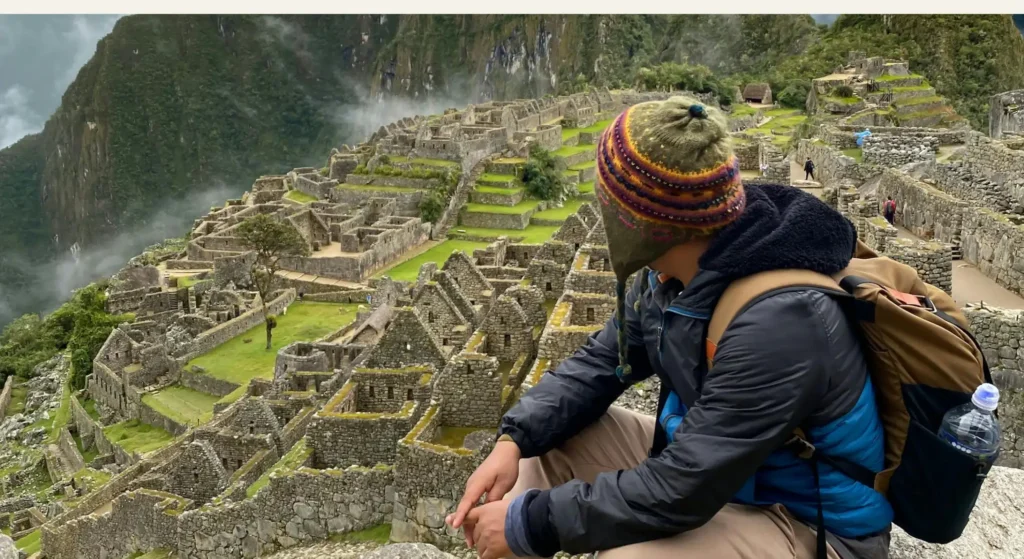
Arriving at Machu Picchu after several days on the Salkantay route alters perception. The site is no longer an isolated destination, but the culmination of a broader geographical and cultural experience. The trek provides context: an understanding of the terrain that shaped Inca decision-making, the environmental constraints they navigated, and the scale within which they operated. A private salkantay trek therefore reframes Machu Picchu—not as a singular highlight, but as one element within a complex Andean system.
Frequently Asked Questions
Related Guides
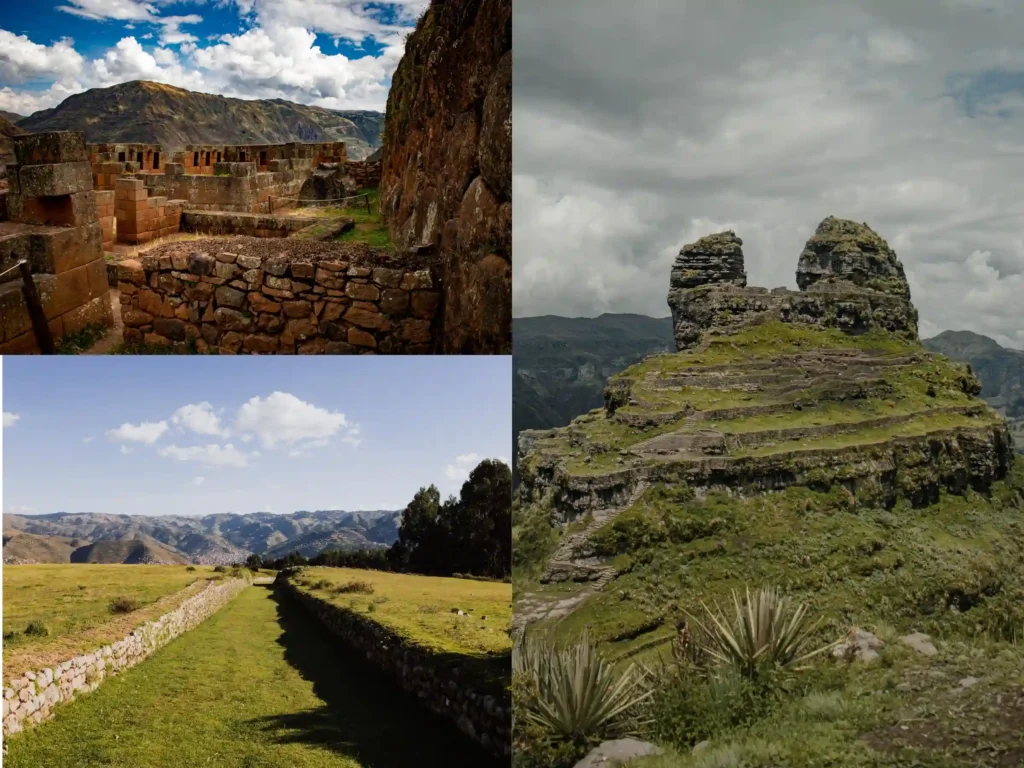
Huchuy Qosqo Trek to Machu Picchu 3 Days
The Huchuy Qosqo Trek to Machu Picchu 3 Days 2 Nights is a short but…
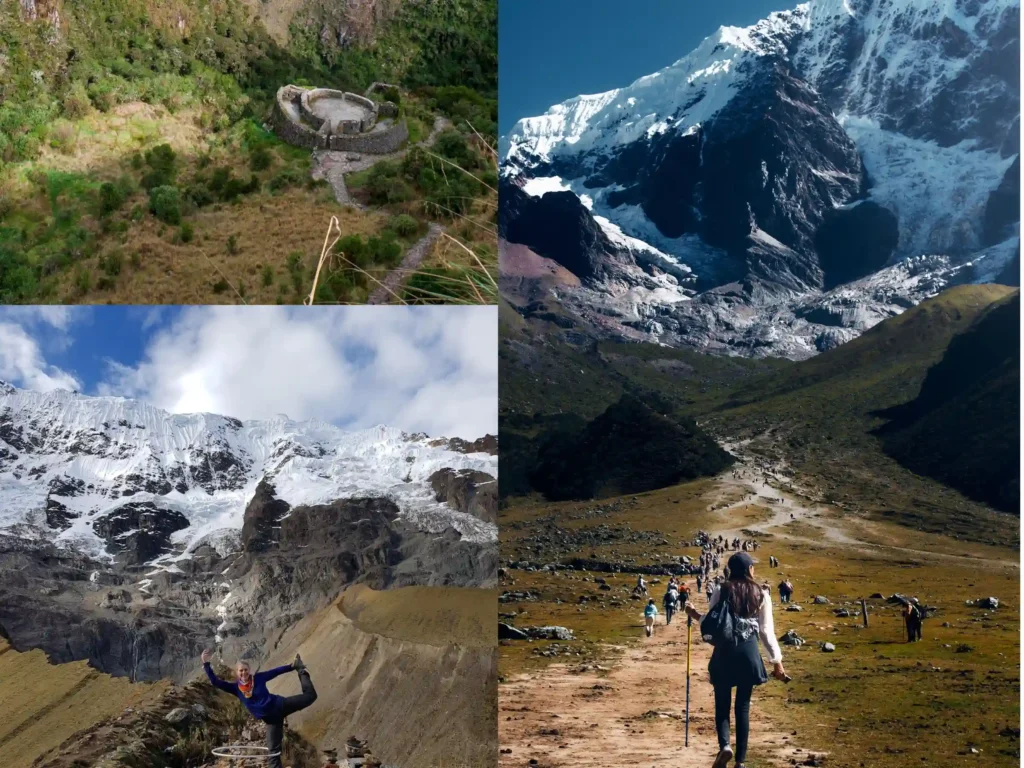
Salkantay Trek 5 Days to Machu Picchu
Experience one of Peru’s most spectacular alternative treks to Machu Picchu, crossing high mountain landscapes,…
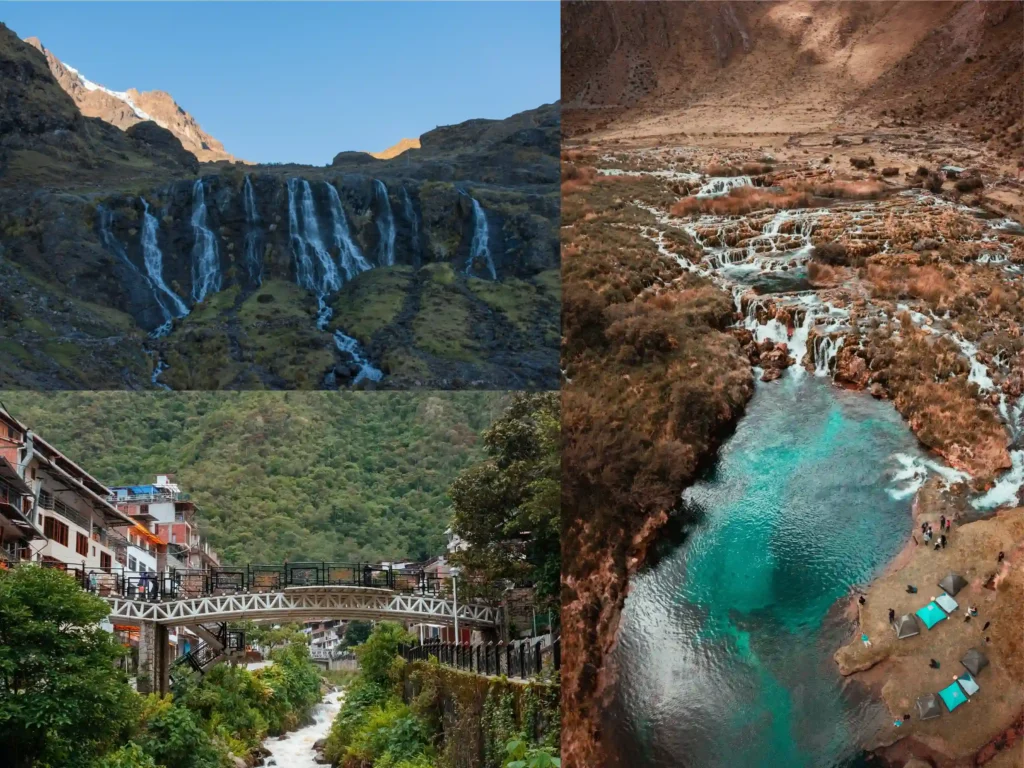
Lares Trek to Machu Picchu 4 Days
The Lares Trek to Machu Picchu is one of the most authentic alternative treks in…
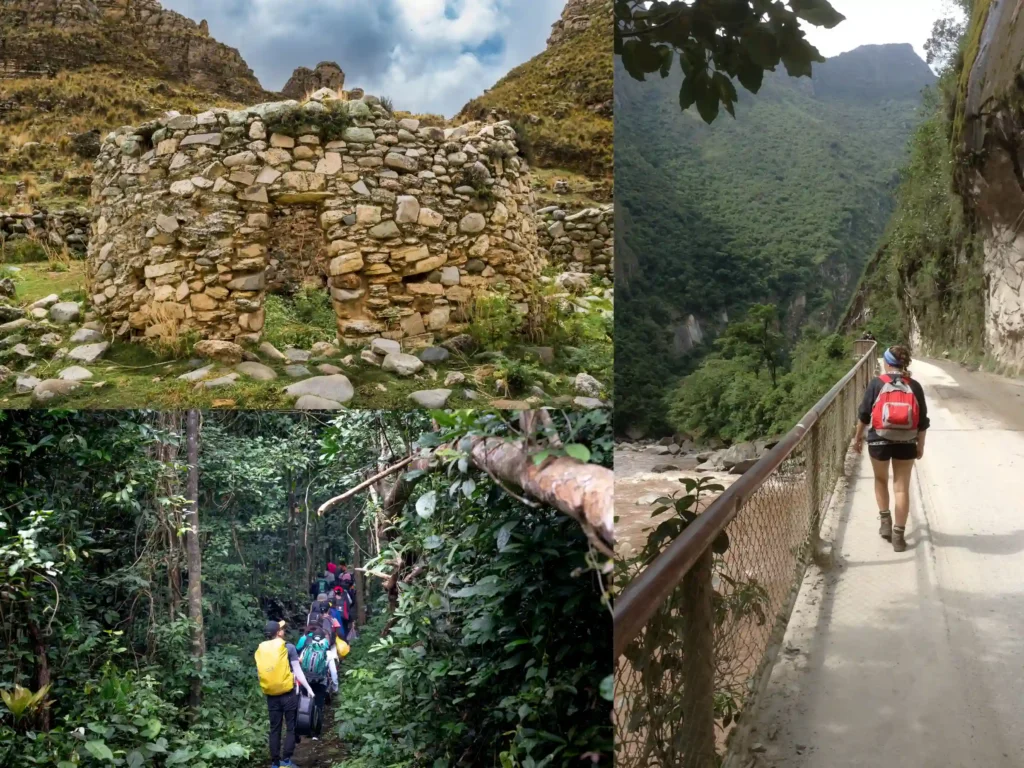
Inca Jungle Trek to Machu Picchu 4 Days
The Inca Jungle Trek to Machu Picchu is the most adventurous alternative route to the…
Short Inca Trail to Machu Picchu with Hotel
Experience the final and most iconic section of the Inca Trail without camping. This Short…
5 Day Inca Trail to Machu Picchu
Experience the legendary Inca Trail as a slower-paced private journey, with more time to enjoy…
Recent guides
Machu Picchu Circuits Explained
travel guide Which Route Should You Choose? MACHU PICCHU CIRCUITS GUIDE Choosing the right Machu…
Private Peru Tours
travel guide How to Design a Tailor-Made Journey Through Peru Luxury Machu Picchu tours A…
Luxury Machu Picchu Tours
travel guide How to Plan a Private, Seamless & High-End Experience Luxury Machu Picchu tours…
Best Time to Visit Machu Picchu: The Definitive Local Guide to Weather, Crowds, Tickets & Travel Planning
Table of Contents Use this guide to choose the best travel dates for your Machu…
Private tours Cusco: a structured way to explore the historic capital of the Incas
cusco guides To approach Cusco through private tours cusco is to move beyond the visible…
Cusco private tour: A City Built in Layers
travel guide Few cities in South America present such a visible overlap of civilisations as…
Luxury options
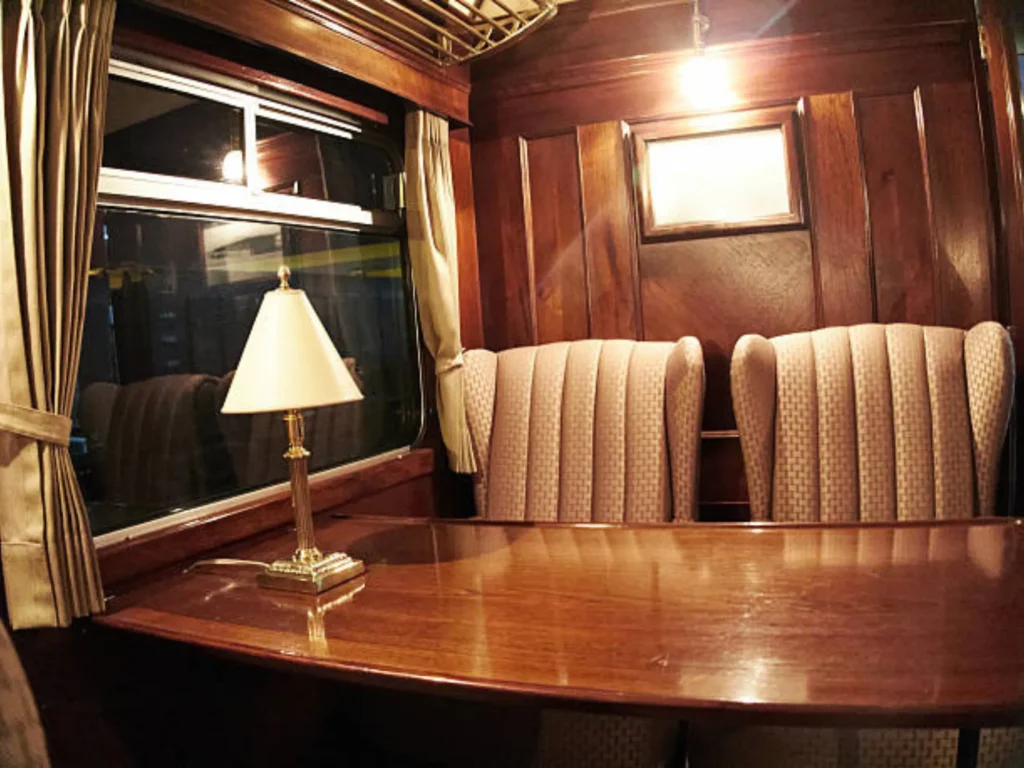
Top Luxury Train Options to Machu Picchu
travel guide Discover the finest rail experiences to Machu Picchu, from the legendary Belmond Hiram…
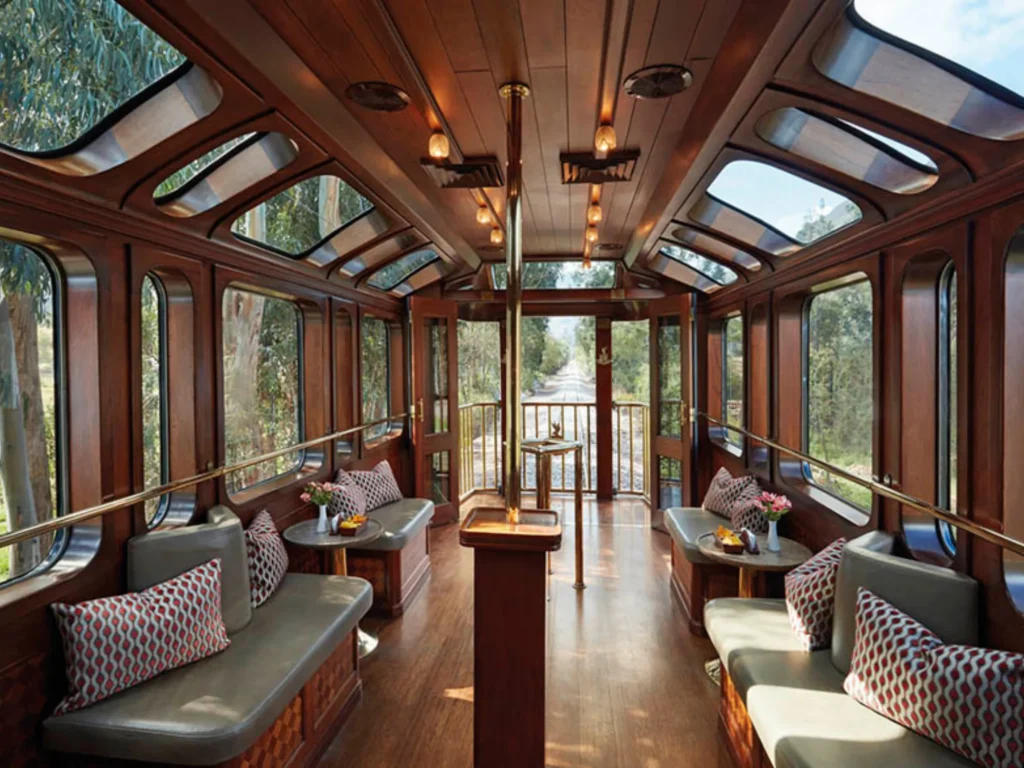
The Railway Through the Andes: Machu Picchu train tour
travel guide The railway that connects the Sacred Valley to Machu Picchu is one of…
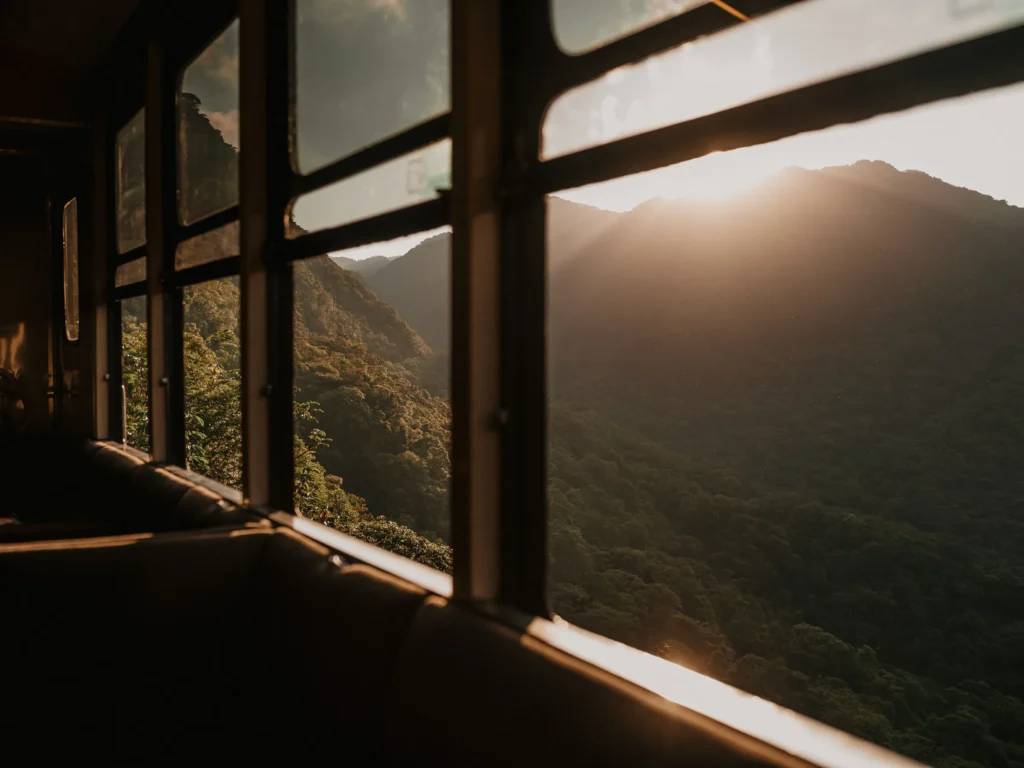
The Elegance of the Rails: Experience the Ultimate Machu Picchu Train Tour
travel guide The journey to the heart of the Incan Empire is as much about…
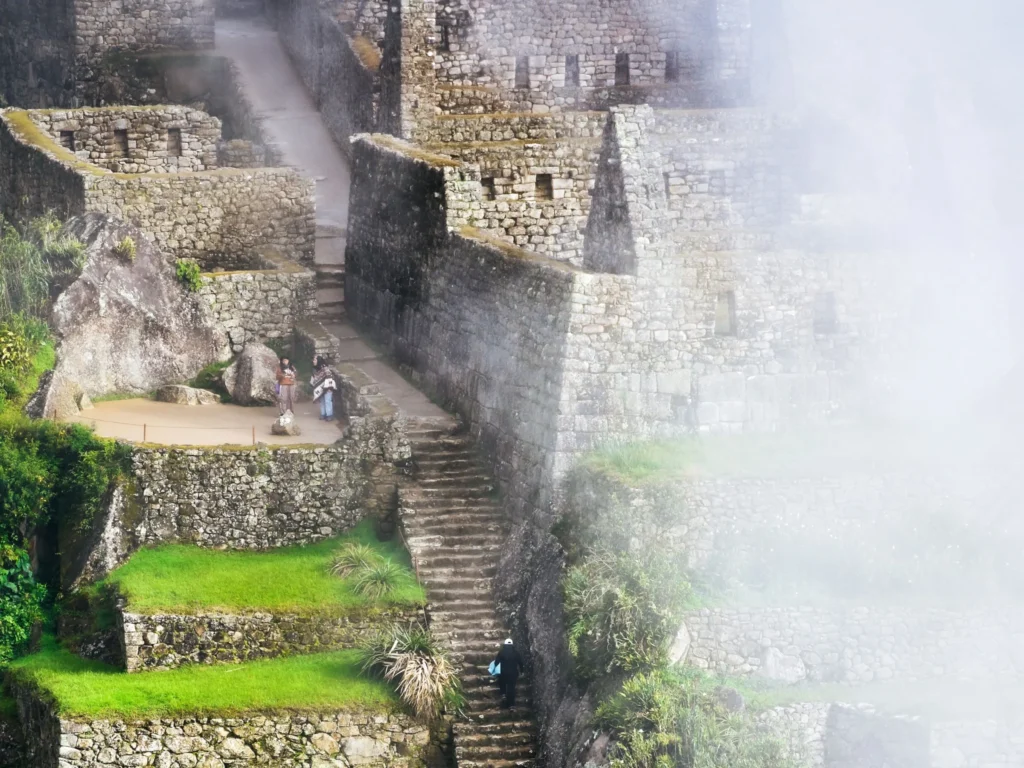
The Definitive Guide to Luxury Exploration: Navigating Machu Picchu Tours from Cusco
travel guide The mist clings to the jagged peaks of the Andes like a silent…
The Art of the Journey: Why Peru Private Tours Define Modern Luxury
travel guide In an era of mass-produced experiences and digital saturation, the true definition of…
Machu Picchu luxury travel
travel guide Luxury trains to Machu Picchu often sell out quickly. Reservations are recommended 3–6…
More Information
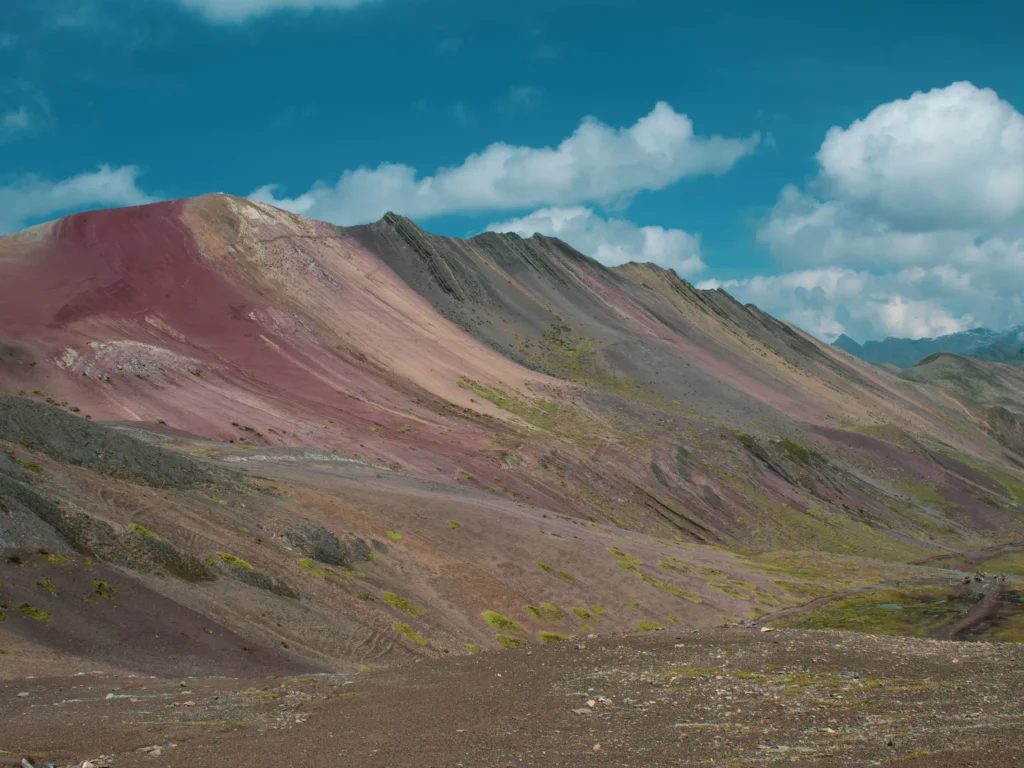
Why Rainbow Mountain is Different in Each Season
travel guide Rainbow Mountain is not a static postcard—it’s a dynamic landscape. Its colors, visibility,…
Top Luxury Train Options to Machu Picchu
travel guide Discover the finest rail experiences to Machu Picchu, from the legendary Belmond Hiram…
The Spirit of the Andes: Crafting the Perfect Machu Pichu Tour from Cusco
travel guide There is a specific kind of magic that occurs when the first light…
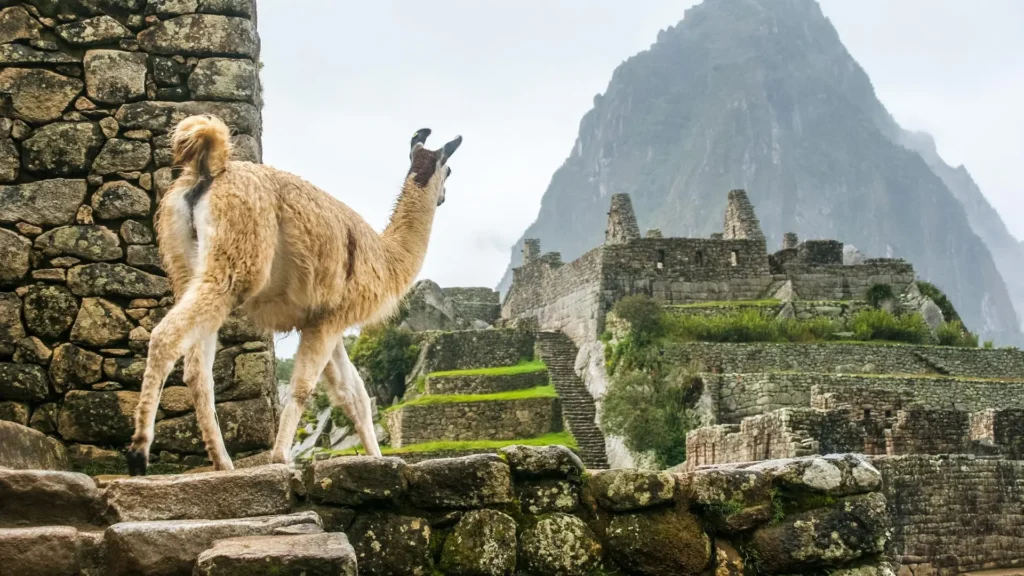
The Soft Gold of the Andes: An Immersion into Alpaca Tours in Peru
travel guide In the high-altitude heart of the Andes, there is a creature that has…
The Railway Through the Andes: Machu Picchu train tour
travel guide The railway that connects the Sacred Valley to Machu Picchu is one of…
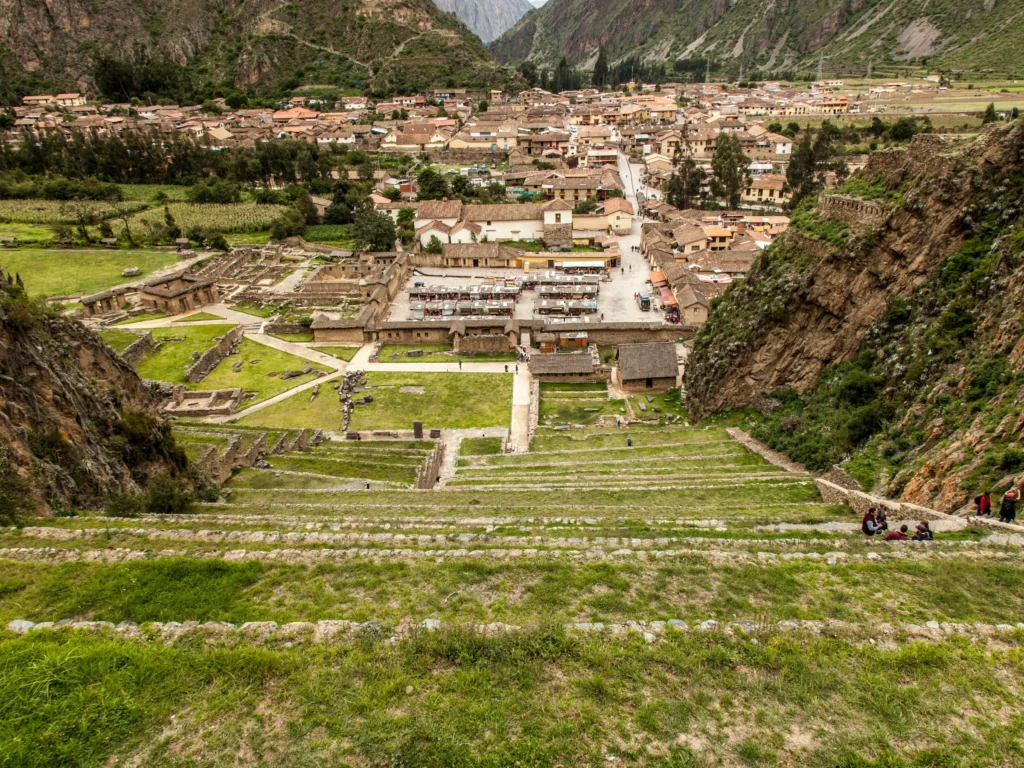
The Enduring Journey: Machu Picchu tours from Cusco
travel guide There are few journeys in South America that carry the same historical weight…
Travel Guide Cusco
Why Rainbow Mountain is Different in Each Season
travel guide Rainbow Mountain is not a static postcard—it’s a dynamic landscape. Its colors, visibility,…
Private tours Cusco: a structured way to explore the historic capital of the Incas
cusco guides To approach Cusco through private tours cusco is to move beyond the visible…
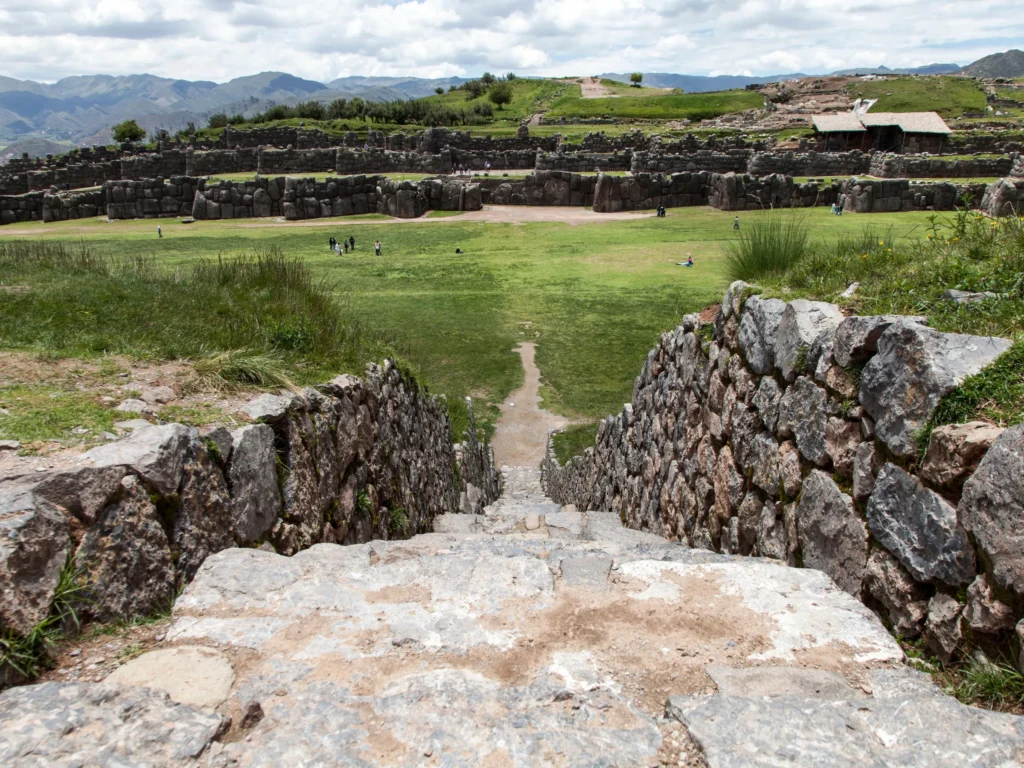
Make the Most of a Short Stay in Cusco
travel guide Make the most of your short stay in Cusco with this expert city…
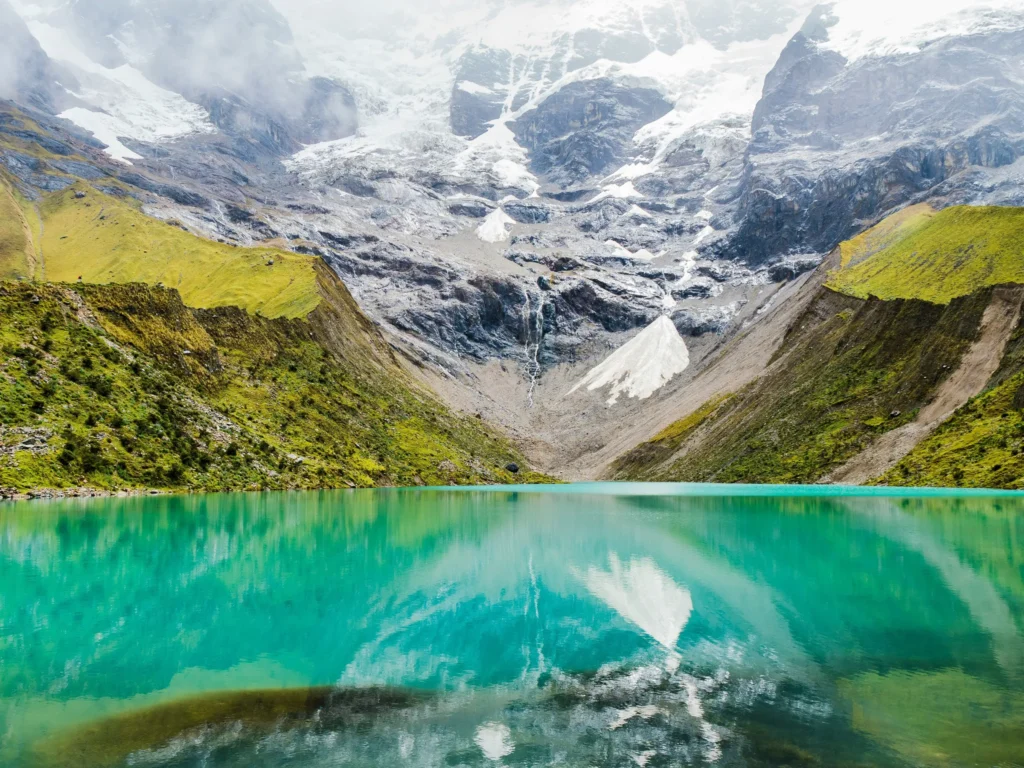
Humantay lake tour from cusco, a High-Altitude Landscape Beneath Salkantay
travel guide The journey to Humantay Lake unfolds within one of the most visually dramatic…
Cusco private tour: A City Built in Layers
travel guide Few cities in South America present such a visible overlap of civilisations as…
Christmas with children’s of Inca Cancha
travel guide First, Inca Cancha is a small community located in the district of Challabamba,…