The Sacred Valley as a Functional Landscape
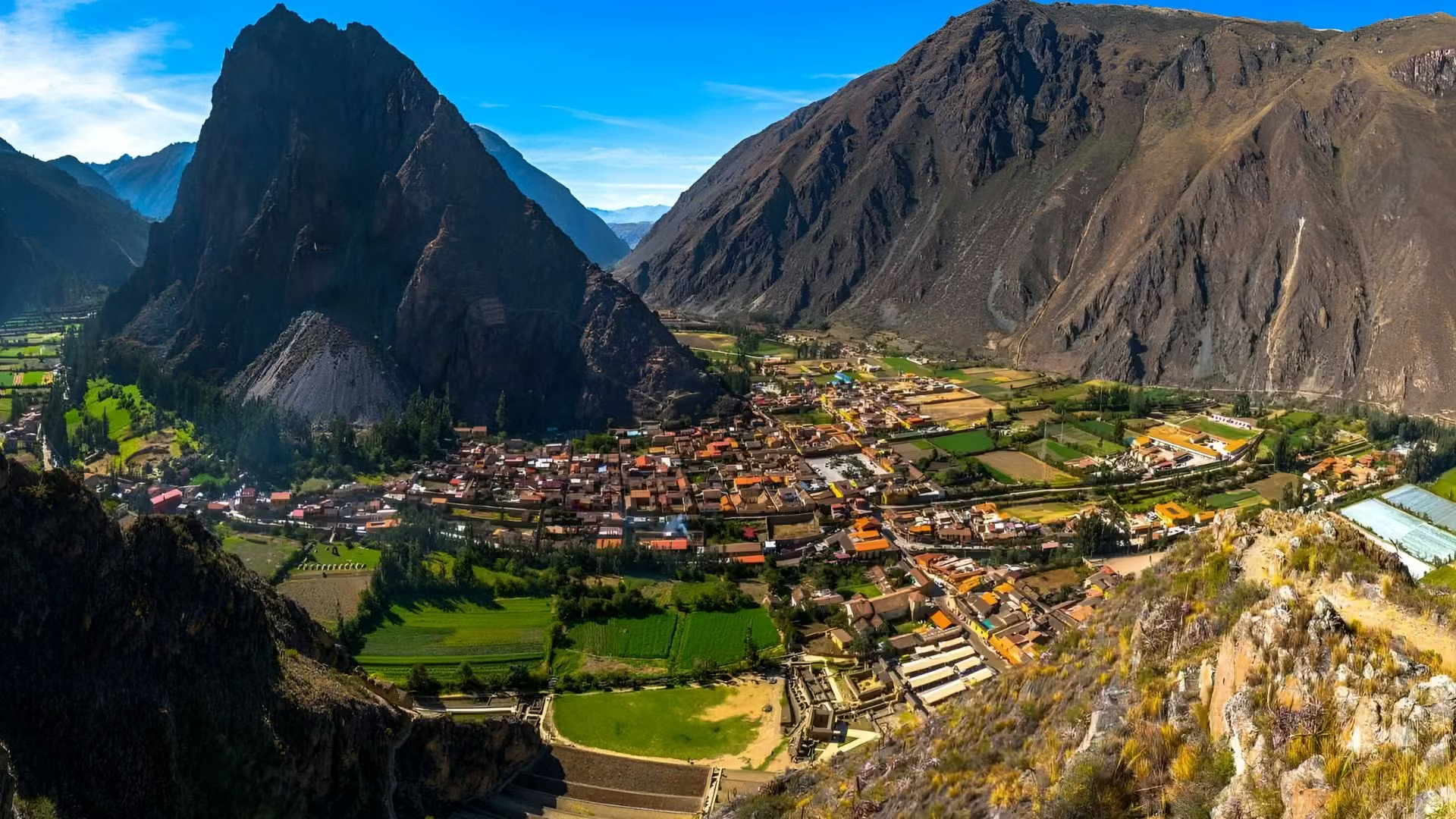
The region known as the Sacred Valley extends between Cusco and Machu Picchu, following the course of the Urubamba River. Unlike Cusco, which served as a political and ceremonial centre, the valley functioned as a productive landscape—agricultural, strategic, and logistical.
A private tour sacred valley peru allows this region to be understood as a system rather than a collection of sites. Its terraces, settlements, and waterways reflect a coordinated approach to cultivation and movement within the Andes.
Geography and Environmental Advantage
The Sacred Valley sits at a lower altitude than Cusco, with a milder climate and more fertile soil. These conditions made it ideal for large-scale agriculture, particularly for crops such as maize, which required specific temperature ranges.
The river, known locally as the Vilcanota or Urubamba, provided both irrigation and a natural route through otherwise challenging terrain.
A private tour sacred valley peru places emphasis on these environmental factors, explaining how geography influenced settlement and production.
Pisac: Terraces and Settlement Design
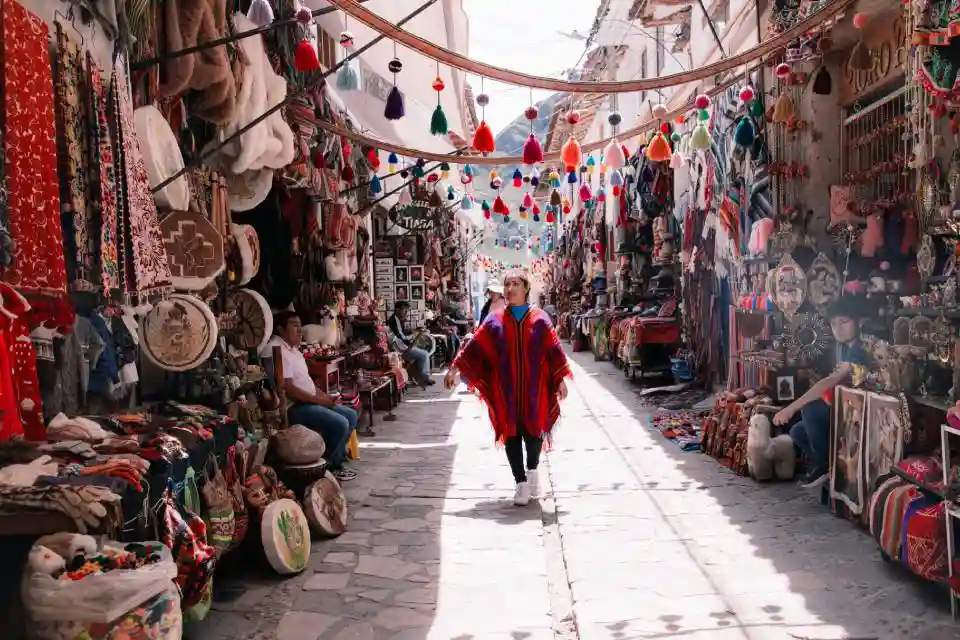
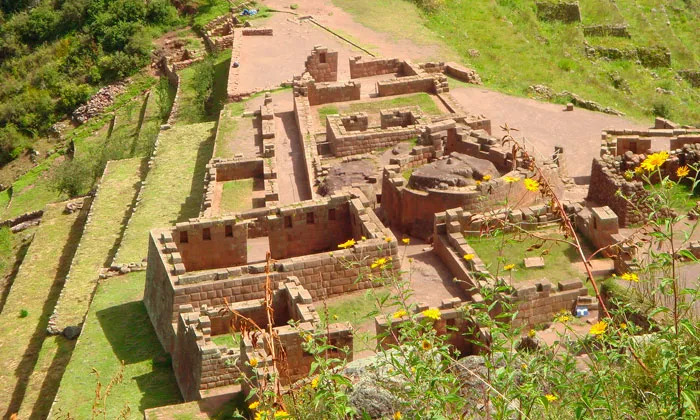
Pisac combines agricultural terraces with a hilltop settlement overlooking the valley. The terraces follow the contours of the mountain, stabilising slopes while maximising arable land.
The site also includes residential and ceremonial areas, indicating that it functioned as more than an agricultural zone.
A private visit allows for exploration beyond the main viewpoints, focusing on how different sections of the site were integrated.
Ollantaytambo: A Living Inca Town
Further along the valley lies Ollantaytambo, one of the few places where Inca urban planning remains actively in use.
Streets follow original layouts, water channels continue to operate, and many structures retain their initial form. Above the town, terraces and fortifications rise toward the mountains, forming a complex that served both defensive and ceremonial purposes.
A private tour sacred valley peru provides the opportunity to explore both the archaeological site and the functioning town, highlighting continuity between past and present.
Moray: Agricultural Experimentation
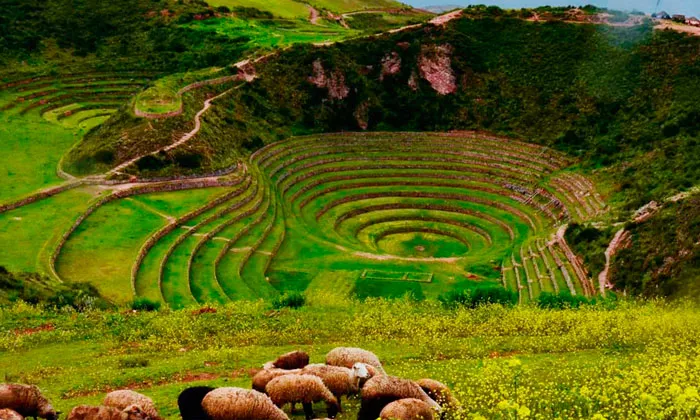
Moray introduces a different dimension to the valley. Its circular terraces are believed to have been used for testing crop adaptation across varying microclimates.
Temperature differences between levels allowed the Incas to simulate different environmental conditions within a single structure.
Understanding Moray within a private tour sacred valley peru context connects it to broader agricultural strategies.
Maras: Salt Production Systems
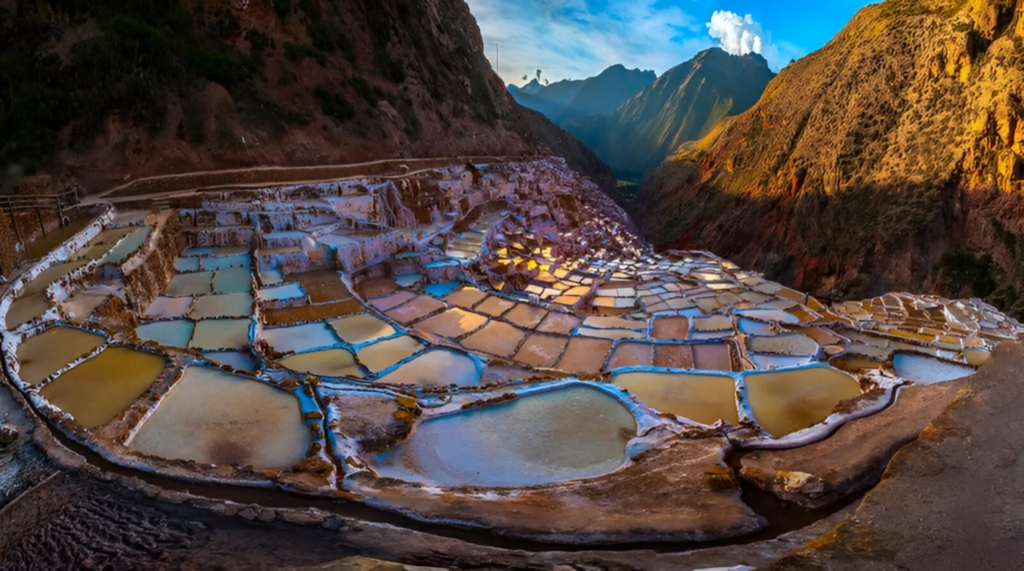
Nearby, Maras Salt Mines—or salineras—represent a system of mineral extraction that predates the Inca period.
Salt is produced through evaporation in thousands of small pools, each managed by local families. The process remains largely unchanged, illustrating continuity in resource use.
A private visit ensures observation without disrupting production.
Chinchero: Textiles and Tradition
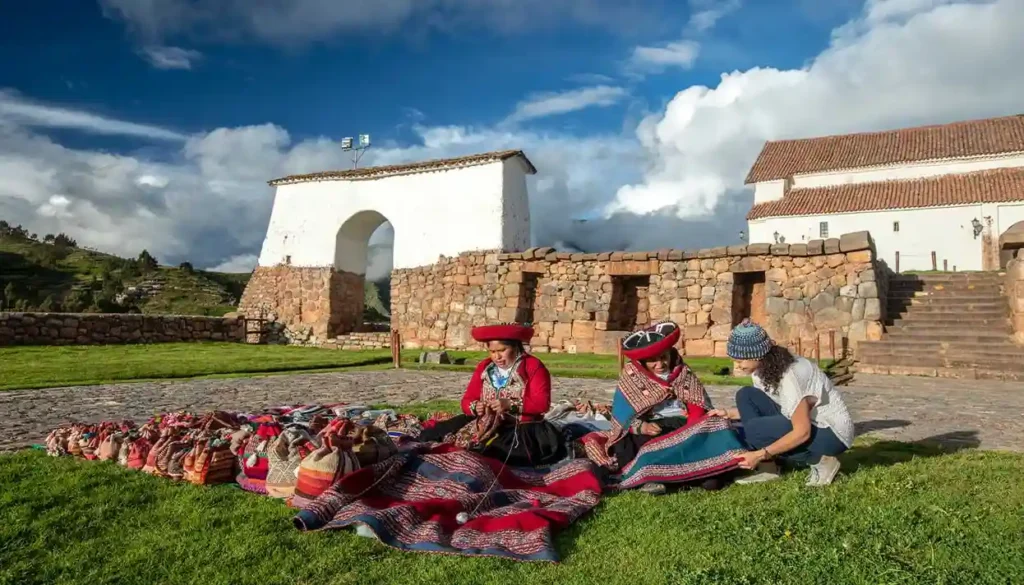
Chinchero offers insight into textile production, a key element of Andean culture. Traditional weaving techniques use natural dyes and patterns that carry symbolic meaning.
The town also features colonial structures built upon Inca foundations, reinforcing the layered identity of the region.
A private tour sacred valley peru can include structured interaction with local artisans, providing context for these practices.
The Role of the Sacred Valley in the Inca System
The valley functioned as a supply base for Cusco, producing food that supported both population and military activity. Its location also made it a strategic corridor connecting different regions of the empire.
Terracing, irrigation, and storage systems (qullqas) were developed to manage surplus and ensure stability.
Understanding these elements is central to interpreting the valley as more than a scenic route.
Private Exploration and Its Advantages
Flexible Route Design
A private tour sacred valley peru allows for the sequence of sites to be adjusted based on interest, time, and physical condition.
This may include:
- Early visits to major sites to avoid crowds
- Extended time in areas of particular interest
- Inclusion of less frequented locations
Depth of Interpretation
A private guide provides detailed explanation of:
- Agricultural engineering
- Settlement patterns
- Cultural continuity
This depth transforms observation into structured understanding.
Controlled Pacing
The Sacred Valley involves both travel and exploration. Private arrangements ensure that movement between sites does not reduce time available for analysis.
Cultural Continuity in the Valley
Communities within the Sacred Valley maintain agricultural practices adapted to altitude and terrain. Crops such as maize, potatoes, and quinoa continue to be cultivated using traditional methods.
Quechua remains widely spoken, and local markets reflect regional exchange systems.
A private tour sacred valley peru offers exposure to these elements without imposing on daily routines.
Environmental Variation
The valley presents a range of microclimates, influenced by altitude, orientation, and proximity to the river.
This variation supports diverse agricultural activity and contributes to the complexity of the landscape.
Practical Considerations
Altitude
Although lower than Cusco, the valley still requires acclimatisation. Travellers often experience improved comfort when spending time here before returning to higher elevations.
Climate
- Dry season: stable conditions and clear visibility
- Wet season: increased rainfall, affecting travel and site conditions
Weather patterns influence both accessibility and visual experience.
Transport
Distances between sites are manageable, but road conditions vary. Private vehicles provide efficiency and flexibility, particularly when combining multiple locations.
Gastronomy Within the Sacred Valley
The valley’s agricultural productivity supports a range of culinary experiences. Private tours may include:
- Meals in rural settings
- Use of locally sourced ingredients
- Introduction to traditional preparation methods
These elements connect food directly to the landscape.
The Sacred Valley as Context for Machu Picchu
While Machu Picchu is often treated as the primary destination, the Sacred Valley provides essential context. It illustrates how the Inca Empire sustained itself—through agriculture, resource management, and strategic planning.
A private tour sacred valley peru positions Machu Picchu within this broader system, rather than isolating it as a singular site.
A Landscape of Integration
The Sacred Valley is defined not by individual landmarks, but by the relationships between them. Terraces connect to irrigation systems, settlements to agricultural zones, and roads to regional networks.
Through a private tour sacred valley peru, these connections become visible, allowing the valley to be understood as an integrated landscape.
A Measured Approach to the Andes
Exploring the Sacred Valley privately allows for a pace that aligns with the complexity of the region. It is not a place that reveals itself quickly, but one that requires observation and context.
private tour sacred valley peru provides the structure necessary to interpret this environment—linking geography, culture, and history into a coherent narrative that extends beyond any single site.
Contact Us
Salt Mines and Machu Picchu Tour from Cusco
Maras Salt Mines and Machu Picchu Tour Salt mines and Machu Picchu tour from Cusco 8 am 2.8 km 1.5 hours 6 persons max 12…
Sacred Valley Tour from Cusco
Sacred Valley Day Trip from Cusco Full-Day Sacred Valley Tour 8 am 2.8 km 1.5 hours 6 persons max 12 hours 1 day Explore the…
Palcoyo Mountain Tour from Cusco
A Softer Alternative to Rainbow Mountain Alternative Rainbow Mountain 8 am 2.8 km 1.5 hours 6 persons max 12 hours 1 day Palcoyo is one…
Maras Moray Tour from Cusco
Sacred Valley tour to Maras and Moray Maras salt mines and Moray terraces 7:50 am 3800 masl 80 min 6 persons max 2 hours 6…
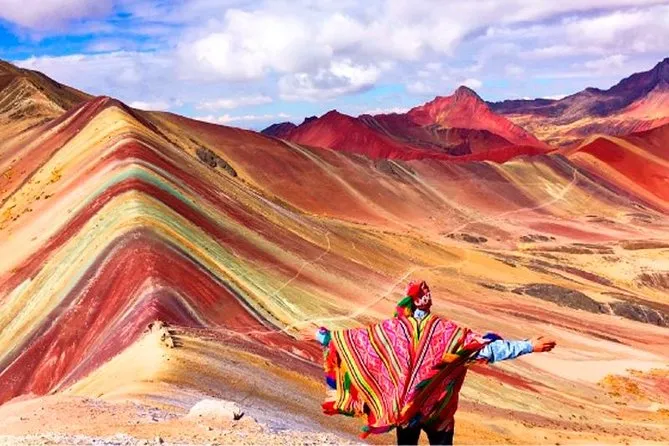
Rainbow Mountain Tour from Cusco
Late Morning Rainbow Mountain Tour from Cusco Rainbow Mountain Hike 8 am 5200 masl 3 hours 6 persons max 3 hours 1 day Most Rainbow Mountain…
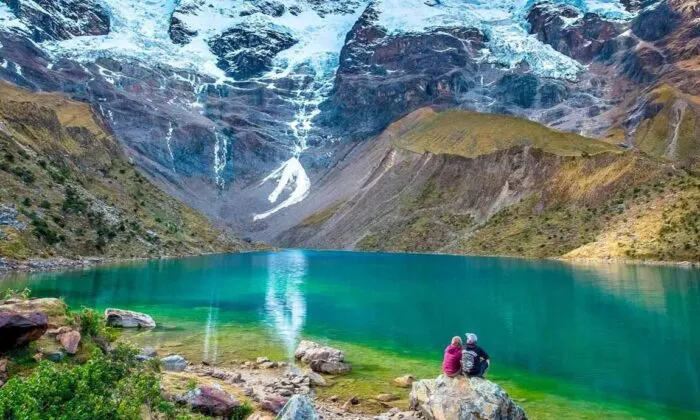
Humantay Lake Tour from Cusco
Humantay Lake Tour from Cusco Humantay Lagoon full-day tour 7 am 4200 masl 3 hours 6 persons max 2 hours 12 hours Discover one of…
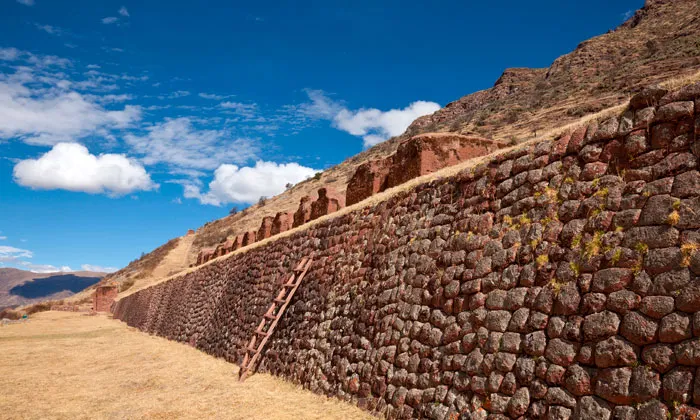
Huchuy Qosqo Trek from Cusco
Huchuy Qosqo Day Hike One day hike to Huchuy Qosqo 8 am 2.8 km 1.5 hours 6 persons max 12 hours 1 day The Huchuy Qosqo…
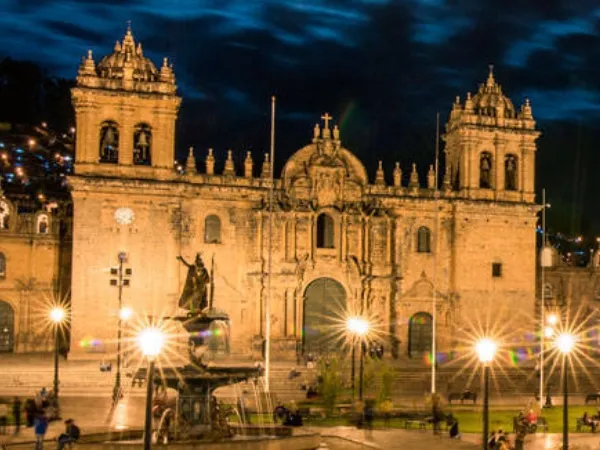
Cusco City Tour
Cusco City Tour & 4 Nearby Inca Ruins Half-Day Cusco City Tour 8 am 2.8 km 1.5 hours 6 persons max 12 hours 1 day…