
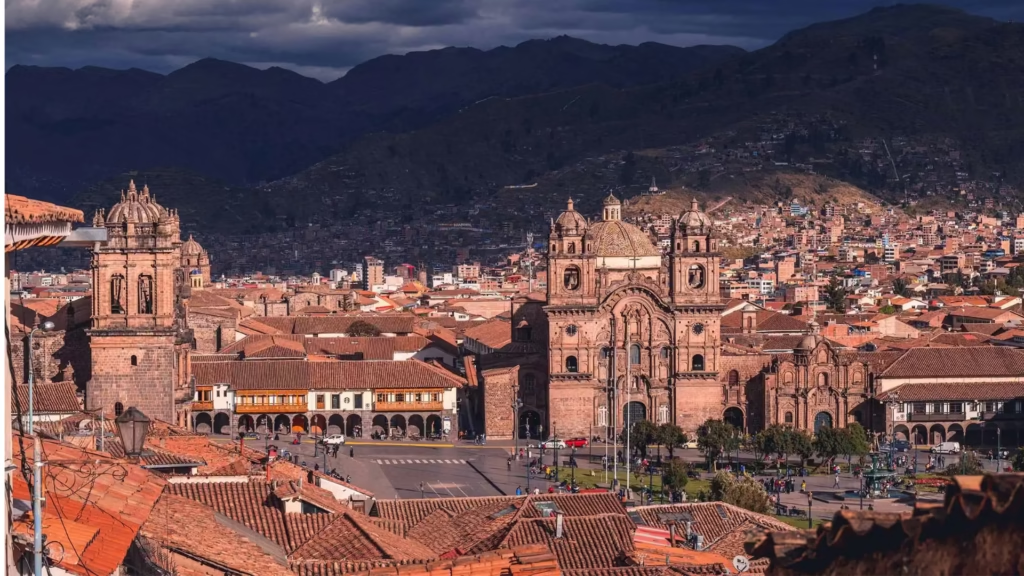
Few cities in South America present such a visible overlap of civilisations as Cusco. Once the political and spiritual centre of the Inca Empire, Cusco was later reshaped by Spanish colonial architecture, resulting in a city where stone foundations from the 15th century support churches, monasteries, and plazas introduced in the 16th.
A cusco private tour allows this complexity to be approached with structure and depth. Rather than moving rapidly between landmarks, the city is understood through its layers—Inca engineering, colonial adaptation, and contemporary life existing simultaneously.
Historical Context of Cusco
Cusco was designed by the Incas as the navel of their empire, its layout said to resemble the shape of a puma, a sacred animal in Andean cosmology. Roads radiated outward from the city, connecting it to distant territories through the Qhapaq Ñan network.
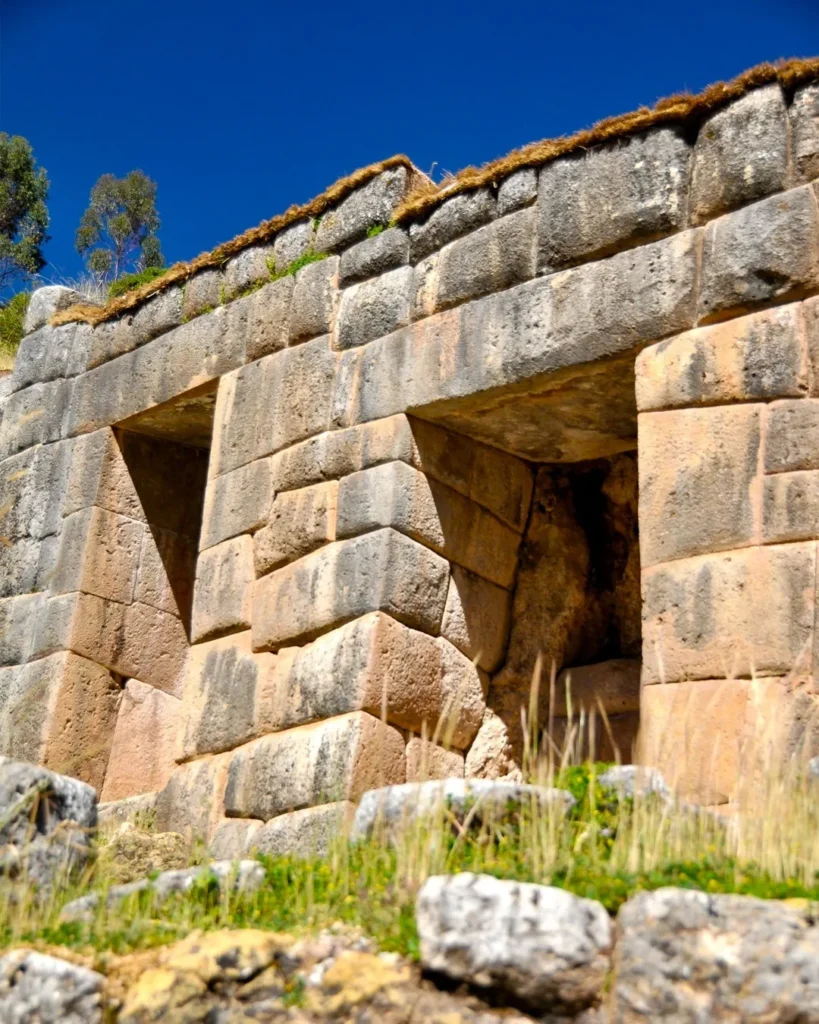
Following the Spanish conquest in 1533, many Inca structures were partially dismantled, and colonial buildings were constructed atop their foundations. This duality remains visible today, particularly in walls where precisely cut Inca stones form the base of European-style facades.
Understanding this transformation is central to any well-structured cusco private tour.
Core Sites Within a cusco private tour
Plaza de Armas
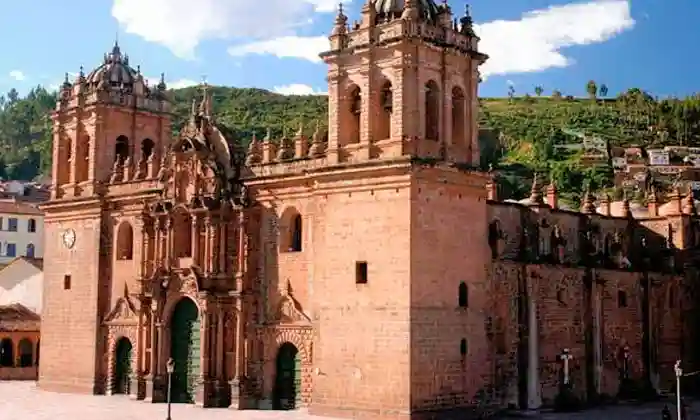
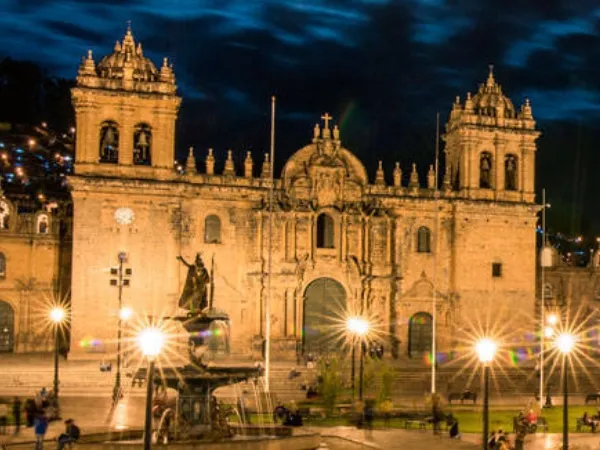
The city’s main square, Plaza de Armas, serves as the focal point of both historical and contemporary life. Surrounded by arcades, colonial buildings, and religious structures, it reflects the transition from Inca ceremonial space to Spanish administrative centre.
Two prominent churches dominate the square:
- Cusco Cathedral, built on the foundations of an Inca palace
- Church of the Society of Jesus, representing Jesuit influence in the region
A private guide can contextualise not only the architecture but also the political and religious shifts that shaped these structures.
Qorikancha and Santo Domingo
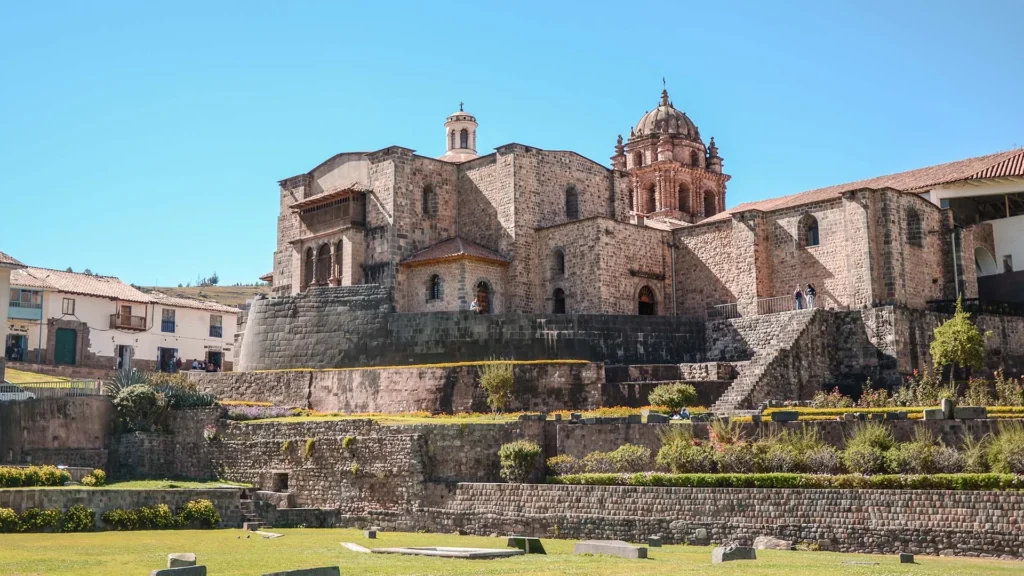
Qorikancha was once the most important temple in the Inca Empire, dedicated to Inti, the sun god. Its walls were originally lined with gold, reflecting the importance of solar worship.
Following the conquest, the Spanish constructed the Convent of Santo Domingo atop its foundations. The contrast between Inca stonework and colonial construction is particularly evident here, illustrating both continuity and disruption.
Sacsayhuamán
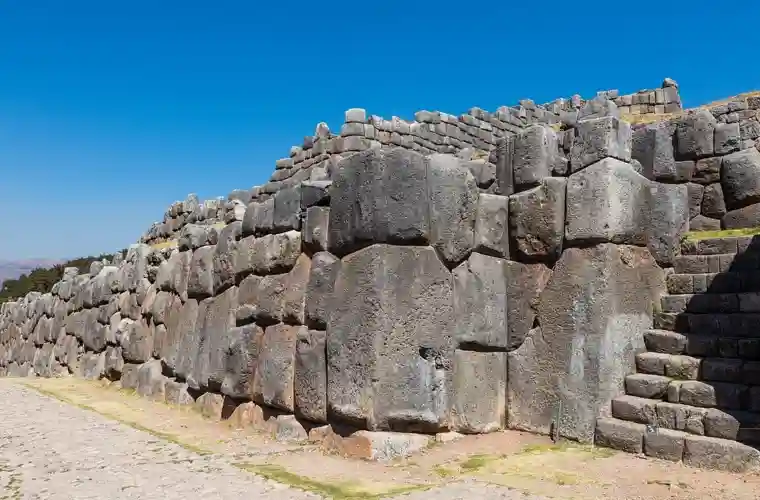
Located above the city, Sacsayhuamán is a monumental complex known for its massive stone walls. Some of these stones weigh over 100 tonnes, yet are fitted together with remarkable precision.
The site likely served both defensive and ceremonial purposes. From its elevated position, it offers a comprehensive view of Cusco and its surrounding valleys.
Extending Beyond the City
A cusco private tour often extends into nearby sites, providing a broader understanding of the region.
Tambomachay, Puka Pukara, and Qenqo
These sites, located within short distance of Cusco, illustrate different aspects of Inca life:
- Tambomachay: associated with water rituals and hydraulic engineering
- Puka Pukara: a military or administrative outpost
- Qenqo: a ceremonial site with carved rock formations
Together, they provide insight into the diversity of Inca infrastructure.
The Value of a Private Approach
Interpretation and Context
Cusco is not a city that reveals itself immediately. Much of its significance lies beneath the surface—within stonework, urban layout, and historical continuity.
A private guide enables:
- Detailed explanation of architectural techniques
- Contextualisation of historical events
- Identification of less visible features
This transforms the experience from observation into analysis.
Flexible Pacing
A cusco private tour allows for adjustment based on interest and physical condition. The city’s altitude—approximately 3,400 metres—can affect energy levels, making flexibility essential.
This includes:
- Adjusting duration at each site
- Incorporating rest periods
- Modifying routes within the city
Access to Less Frequented Areas
Beyond major landmarks, Cusco contains neighbourhoods and streets that retain traditional character. Private tours can include:
- San Blas district, known for artisan workshops
- Local markets where daily commerce takes place
- Quiet courtyards within colonial buildings
These areas provide a more complete view of the city.
Cultural Continuity
Cusco remains a living city, not a preserved monument. Quechua language is still widely spoken, and traditional practices continue alongside modern life.
Festivals such as Inti Raymi, held annually in June, recreate Inca ceremonies within a contemporary framework. While adapted for modern audiences, these events reflect enduring cultural identity.
A cusco private tour can be structured to align with such occasions, offering deeper insight into local traditions.
Gastronomy and Urban Experience
Cusco’s culinary scene reflects both regional ingredients and external influences. Traditional dishes incorporate maize, potatoes, and Andean grains, while contemporary restaurants reinterpret these elements.
Private tours may include:
- Visits to local markets to understand ingredient sourcing
- Dining experiences in restored colonial settings
- Tastings of regional beverages such as chicha and pisco
These elements connect cuisine to geography and history.
Practical Considerations
Altitude
Acclimatisation is essential. Travellers are advised to:
- Rest upon arrival
- Maintain hydration
- Avoid strenuous activity in the first 24 hours
A private itinerary can be adjusted to accommodate these needs.
Weather
Cusco’s climate is defined by two main seasons:
- Dry season: clearer skies, cooler nights
- Wet season: increased rainfall, particularly in afternoons
Temperatures vary significantly between day and night, requiring layered clothing.
Movement Within the City
Cusco’s streets are narrow and often steep, particularly in older districts. Walking is the primary mode of exploration, though private vehicles can be arranged for longer distances.
Architectural Observation
One of the defining features of Cusco is the precision of Inca stonework. Walls constructed without mortar have remained stable for centuries, even through seismic activity.
In contrast, colonial structures exhibit different construction techniques, often more vulnerable to earthquakes. This contrast provides insight into differing approaches to engineering and adaptation.
A City as Foundation
A cusco private tour is not simply an introduction to a destination—it is the foundation for understanding the broader Andean region.
Many journeys to Machu Picchu and the Sacred Valley begin here, yet Cusco itself contains the historical and cultural framework necessary to interpret those sites.
A Measured Understanding of Cusco
To explore Cusco privately is to move beyond surface-level recognition of landmarks. It is to engage with a city shaped by continuity and transformation, where each structure carries evidence of multiple periods.
cusco private tour provides the structure required to interpret these layers without haste. Through controlled pacing, informed guidance, and selective access, the city reveals itself not as a collection of monuments, but as an integrated system—historical, cultural, and still evolving.
Contact Us
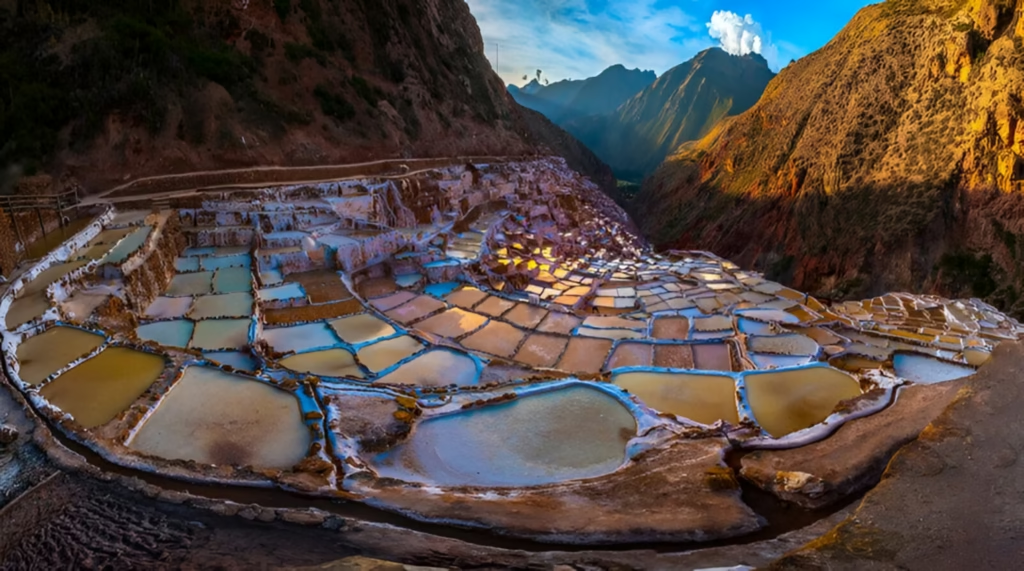
Salt Mines and Machu Picchu Tour from Cusco
Maras Salt Mines and Machu Picchu Tour Salt mines and Machu Picchu tour from Cusco 8 am 2.8 km 1.5 hours 6 persons max 12…
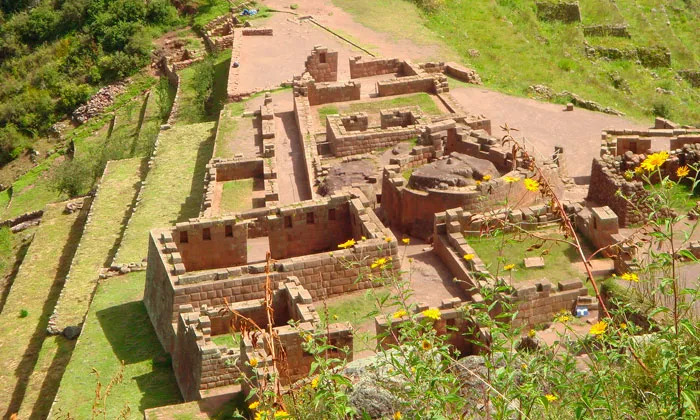
Sacred Valley Tour from Cusco
Sacred Valley Day Trip from Cusco Full-Day Sacred Valley Tour 8 am 2.8 km 1.5 hours 6 persons max 12 hours 1 day Explore the…
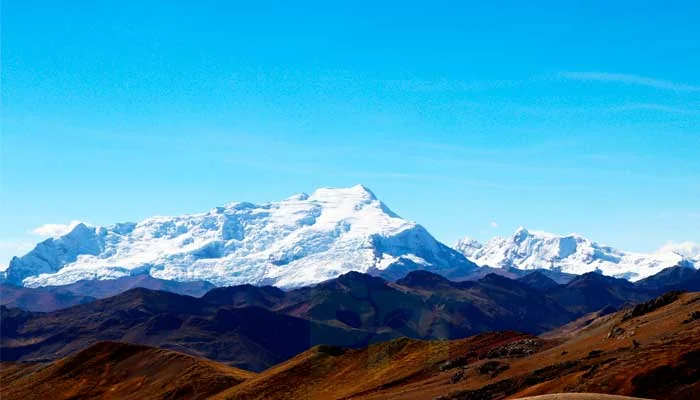
Palcoyo Mountain Tour from Cusco
A Softer Alternative to Rainbow Mountain Alternative Rainbow Mountain 8 am 2.8 km 1.5 hours 6 persons max 12 hours 1 day Palcoyo is one…
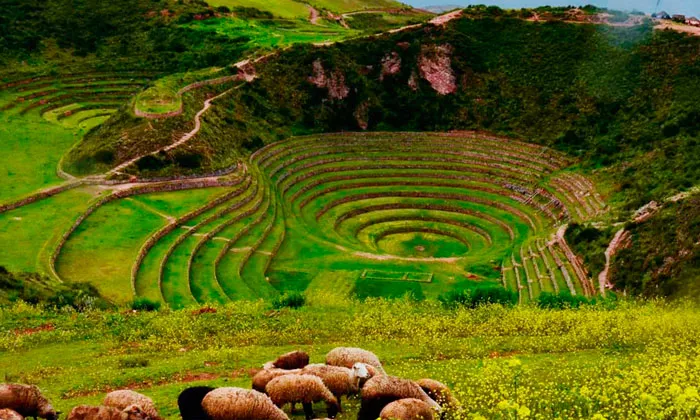
Maras Moray Tour from Cusco
Sacred Valley tour to Maras and Moray Maras salt mines and Moray terraces 7:50 am 3800 masl 80 min 6 persons max 2 hours 6…
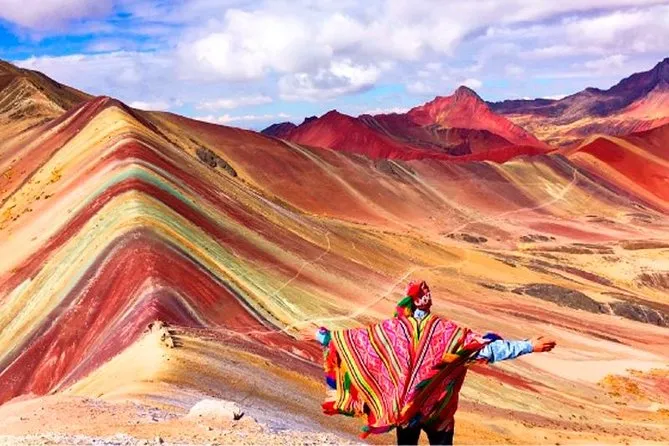
Rainbow Mountain Tour from Cusco
Late Morning Rainbow Mountain Tour from Cusco Rainbow Mountain Hike 8 am 5200 masl 3 hours 6 persons max 3 hours 1 day Most Rainbow Mountain…
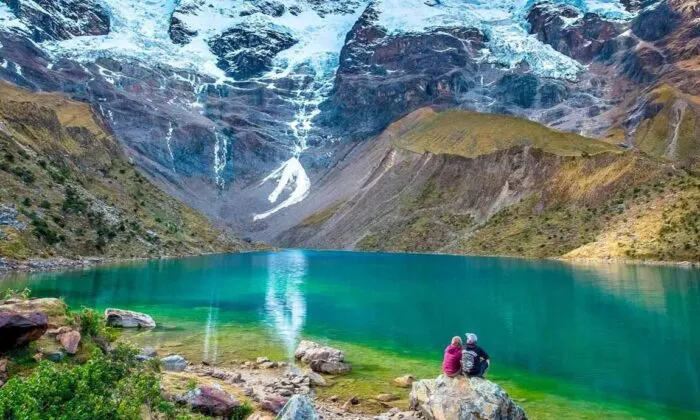
Humantay Lake Tour from Cusco
Humantay Lake Tour from Cusco Humantay Lagoon full-day tour 7 am 4200 masl 3 hours 6 persons max 2 hours 12 hours Discover one of…
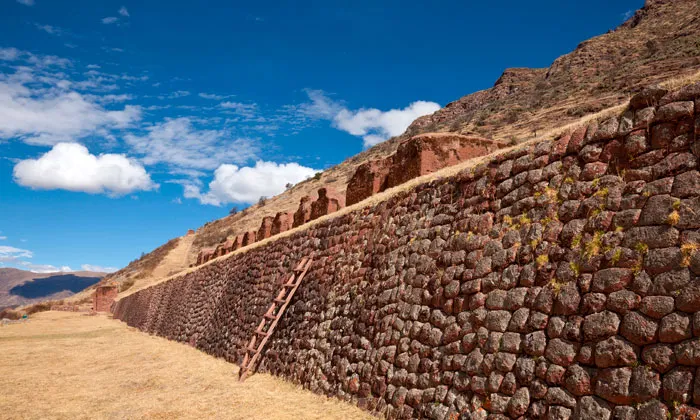
Huchuy Qosqo Trek from Cusco
Huchuy Qosqo Day Hike One day hike to Huchuy Qosqo 8 am 2.8 km 1.5 hours 6 persons max 12 hours 1 day The Huchuy Qosqo…
Cusco City Tour
Cusco City Tour & 4 Nearby Inca Ruins Half-Day Cusco City Tour 8 am 2.8 km 1.5 hours 6 persons max 12 hours 1 day…