
The railway that connects the Sacred Valley to Machu Picchu is one of the most distinctive routes in South America. Unlike conventional rail networks that prioritise efficiency and directness, this line follows the natural contours of the Andes—tracing rivers, navigating narrow gorges, and adapting to terrain that resists linear construction.
A machu picchu train tour is therefore not simply a transfer between points, but a gradual passage through changing ecological and geographical zones. It offers a perspective on the Andes that is both controlled and immersive, where observation unfolds through movement rather than static viewpoints.
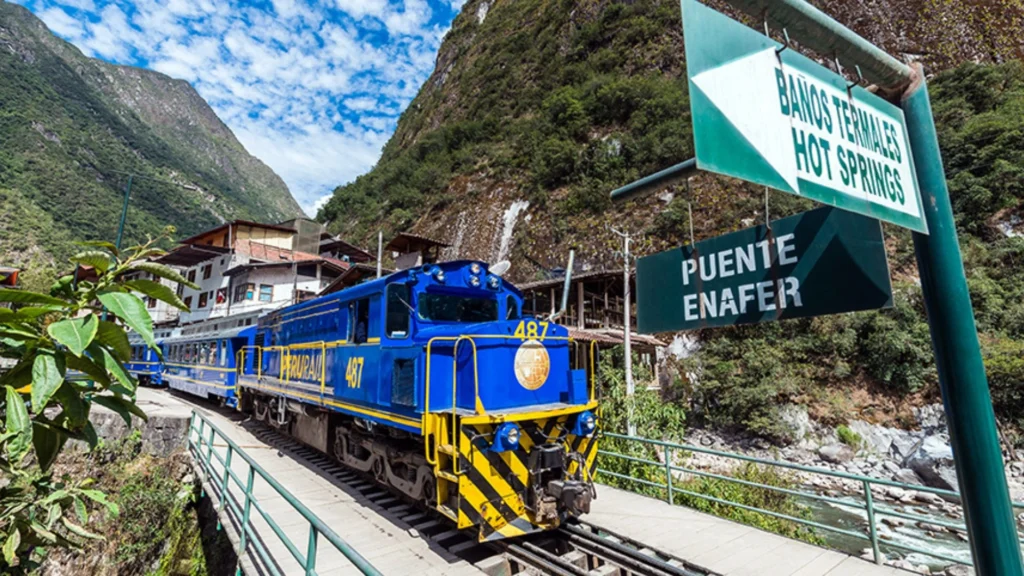
Historical Development of the Railway
The construction of the railway to Machu Picchu began in the early 20th century, driven by the need to connect remote Andean regions with emerging centres of administration and trade. The terrain presented significant challenges—steep gradients, unstable ground, and limited access.
Engineering solutions included:
- Zigzag tracks to manage elevation changes
- Reinforced bridges spanning sections of the Urubamba River
- Careful alignment along valley floors to minimise excavation
Today, the railway remains the primary access route for most visitors, preserving its original function while adapting to modern standards of safety and comfort.
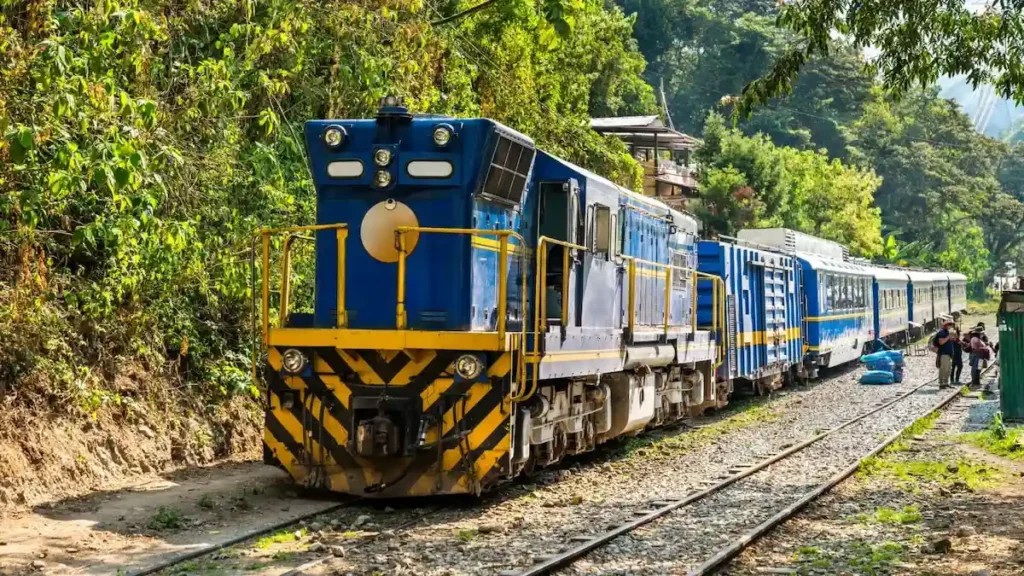
Structuring a machu picchu train tour
Departure Points
Most journeys begin near Cusco, though trains typically depart from either Poroy (just outside Cusco) or Ollantaytambo.
Ollantaytambo is often preferred due to its lower altitude and shorter travel time to Machu Picchu. It also allows for integration with Sacred Valley itineraries.
The Route Along the Urubamba River
From Ollantaytambo, the train follows the course of the Urubamba River. The valley narrows progressively, with mountains rising steeply on either side.
This section of the journey reveals:
- Agricultural terraces carved into hillsides
- Small settlements accessible only by rail or foot
- Shifts in vegetation from high-altitude grasses to dense forest
As the train advances, the environment transitions from Andean plateau to cloud forest, marking a significant ecological boundary.
Arrival at Aguas Calientes
The railway terminates in Aguas Calientes, the gateway town to Machu Picchu. Situated at the base of the mountain, it functions as a logistical hub rather than a destination in itself.
From here, access to Machu Picchu is completed by bus or on foot, ascending a series of switchbacks that lead to the citadel.
Train Categories and Experience
Standard and Panoramic Services
Basic services provide essential transport with standard seating and limited onboard amenities. In contrast, panoramic trains feature large windows and skylights, designed to maximise visibility of the surrounding landscape.
These services emphasise continuity between interior and exterior, allowing the environment to remain central to the experience.
Luxury Rail Options
High-end services elevate the journey through design, dining, and service. The Belmond Hiram Bingham train, for example, incorporates:
- Wood-panelled interiors inspired by early 20th-century rail travel
- Multi-course meals prepared onboard
- Observation cars for open-air viewing
A machu picchu train tour in this format becomes a curated experience, where the journey itself holds equal importance to the destination.
The Role of Time and Light
One of the defining characteristics of a train journey to Machu Picchu is the shifting quality of light. Morning departures often begin under clear Andean skies, with strong sunlight illuminating terraces and distant peaks.
As the train descends, cloud cover increases, diffusing light and altering colour perception. By the time Aguas Calientes is reached, the atmosphere is often more humid and subdued.
This progression reinforces the sense of movement through distinct climatic zones.
Luxury Considerations
Seating and Space
Luxury trains prioritise spatial comfort, with seating arranged to allow unobstructed views. Materials such as polished wood, leather, and woven textiles create an environment that reflects regional aesthetics.
Culinary Experience
Dining onboard is structured rather than incidental. Menus often incorporate:
- Andean grains such as quinoa
- Fresh produce sourced from the Sacred Valley
- Regional meats and fish
Meals are timed to coincide with key segments of the journey, aligning sensory experience with visual context.
Service and Interpretation
Staff onboard provide not only service but also contextual information, pointing out features of the landscape and explaining transitions between regions.
This adds an interpretive layer to the journey, particularly for those unfamiliar with Andean geography.
Practical Considerations
Timing and Scheduling
Train schedules are fixed and must align with entry times to Machu Picchu. Private tours coordinate these elements to ensure continuity.
Early departures allow for same-day visits to Machu Picchu, while later trains may be combined with overnight stays in Aguas Calientes.
Seasonal Variation
- Dry season: clearer visibility, more stable travel conditions
- Wet season: increased rainfall, potential delays, more atmospheric landscapes
The railway operates year-round, though conditions may influence the experience.
Baggage Restrictions
Due to limited space, luggage allowances are restricted. Travellers typically carry a small overnight bag, with larger luggage stored in Cusco or the Sacred Valley.
Cultural and Environmental Context
The railway passes through areas where traditional agriculture remains active. Fields cultivated along the valley floor and terraces demonstrate continuity with Inca-era practices.
Communities located along the route maintain limited interaction with tourism, preserving local rhythms of life.
Environmental considerations are also central. The railway operates within a protected region, requiring adherence to conservation guidelines.
The Transition from Movement to Arrival
A machu picchu train tour is defined by its gradual approach. Unlike air travel or direct road access, the journey unfolds sequentially, allowing for adaptation to changing altitude and environment.
By the time Machu Picchu is reached, the traveller has already experienced a progression of landscapes that contextualise the site.
Beyond Transportation
The train journey functions as an integral component of the overall experience. It provides:
- Visual continuity between regions
- Controlled exposure to diverse environments
- A structured transition toward the destination
A Linear Narrative Through the Andes
The railway to Machu Picchu offers a linear interpretation of the Andes—one that connects disparate elements into a coherent sequence.
A machu picchu train tour is not defined by speed or efficiency, but by its ability to reveal the relationship between geography and movement. Each curve of the track, each change in vegetation, and each shift in light contributes to a broader understanding of the region.
The journey concludes not with arrival, but with context—an awareness of how Machu Picchu exists within a landscape shaped by both natural forces and human adaptation.
Contact Us
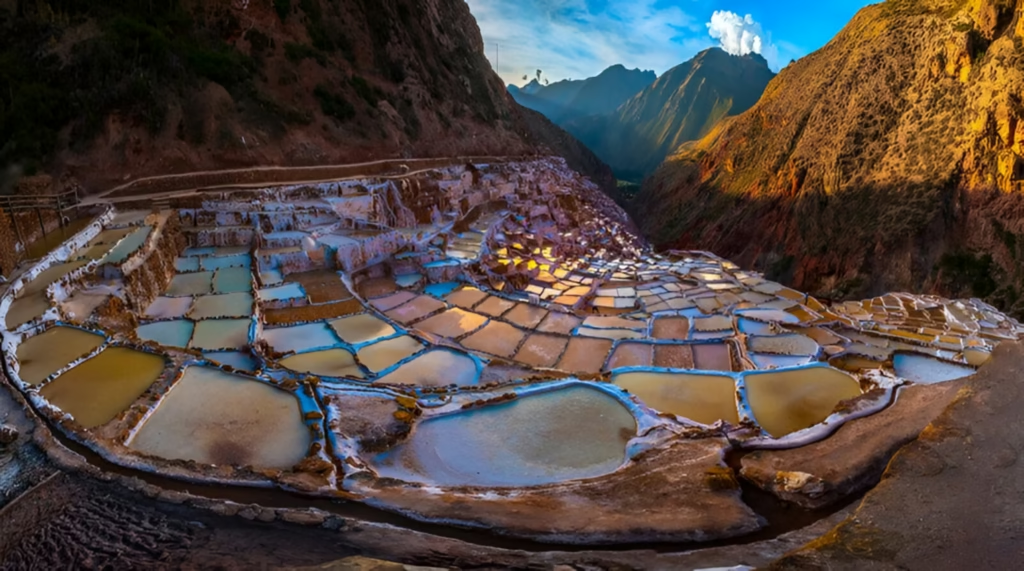
Salt Mines and Machu Picchu Tour from Cusco
Maras Salt Mines and Machu Picchu Tour Salt mines and Machu Picchu tour from Cusco 8 am 2.8 km 1.5 hours 6 persons max 12…
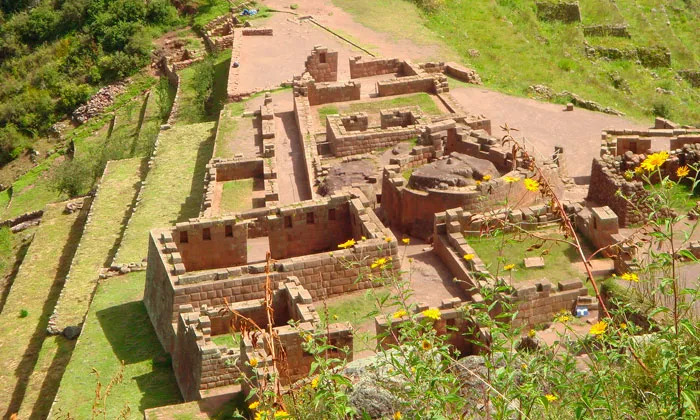
Sacred Valley Tour from Cusco
Sacred Valley Day Trip from Cusco Full-Day Sacred Valley Tour 8 am 2.8 km 1.5 hours 6 persons max 12 hours 1 day Explore the…
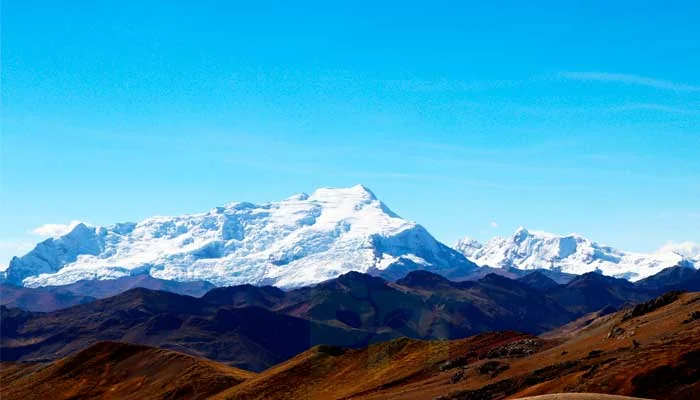
Palcoyo Mountain Tour from Cusco
A Softer Alternative to Rainbow Mountain Alternative Rainbow Mountain 8 am 2.8 km 1.5 hours 6 persons max 12 hours 1 day Palcoyo is one…
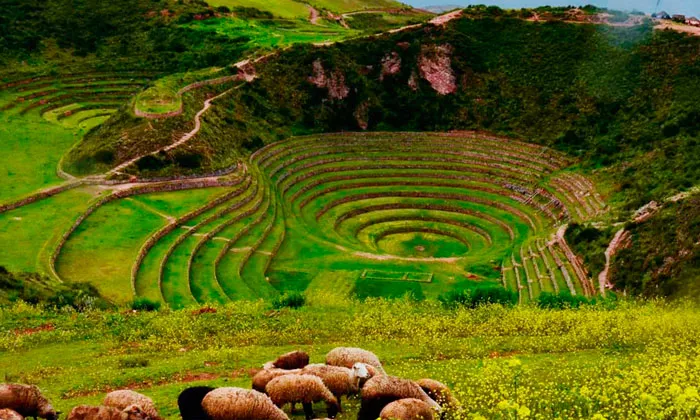
Maras Moray Tour from Cusco
Sacred Valley tour to Maras and Moray Maras salt mines and Moray terraces 7:50 am 3800 masl 80 min 6 persons max 2 hours 6…
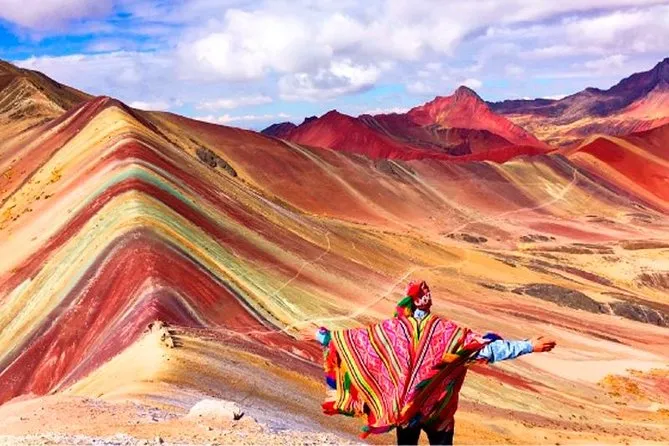
Rainbow Mountain Tour from Cusco
Late Morning Rainbow Mountain Tour from Cusco Rainbow Mountain Hike 8 am 5200 masl 3 hours 6 persons max 3 hours 1 day Most Rainbow Mountain…
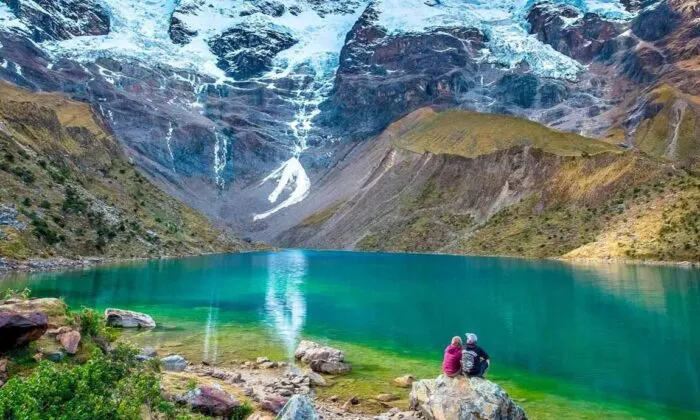
Humantay Lake Tour from Cusco
Humantay Lake Tour from Cusco Humantay Lagoon full-day tour 7 am 4200 masl 3 hours 6 persons max 2 hours 12 hours Discover one of…
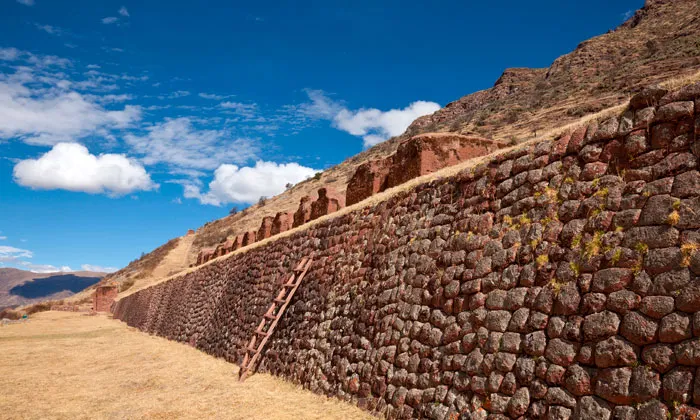
Huchuy Qosqo Trek from Cusco
Huchuy Qosqo Day Hike One day hike to Huchuy Qosqo 8 am 2.8 km 1.5 hours 6 persons max 12 hours 1 day The Huchuy Qosqo…
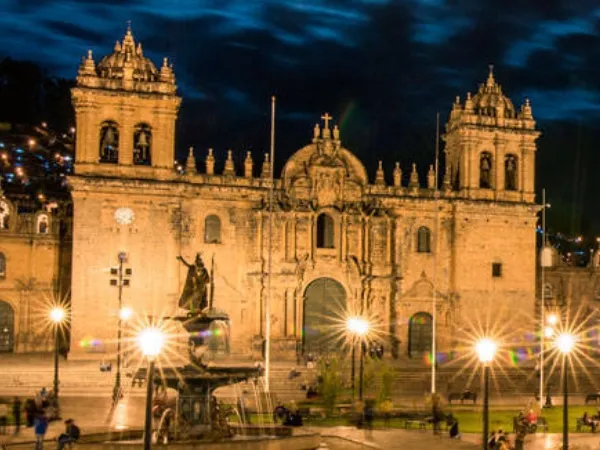
Cusco City Tour
Cusco City Tour & 4 Nearby Inca Ruins Half-Day Cusco City Tour 8 am 2.8 km 1.5 hours 6 persons max 12 hours 1 day…