
A Landscape of Experimentation and Extraction
The region surrounding Cusco extends beyond monumental architecture into areas where the Incas developed highly specialised systems of agriculture and resource management. A journey through maras moray cusco reveals two distinct yet interconnected environments: one dedicated to agricultural experimentation, the other to mineral extraction through salt evaporation.
Located within the Sacred Valley, these sites are often visited together, not for convenience, but because they represent complementary aspects of Andean adaptation to terrain and climate.
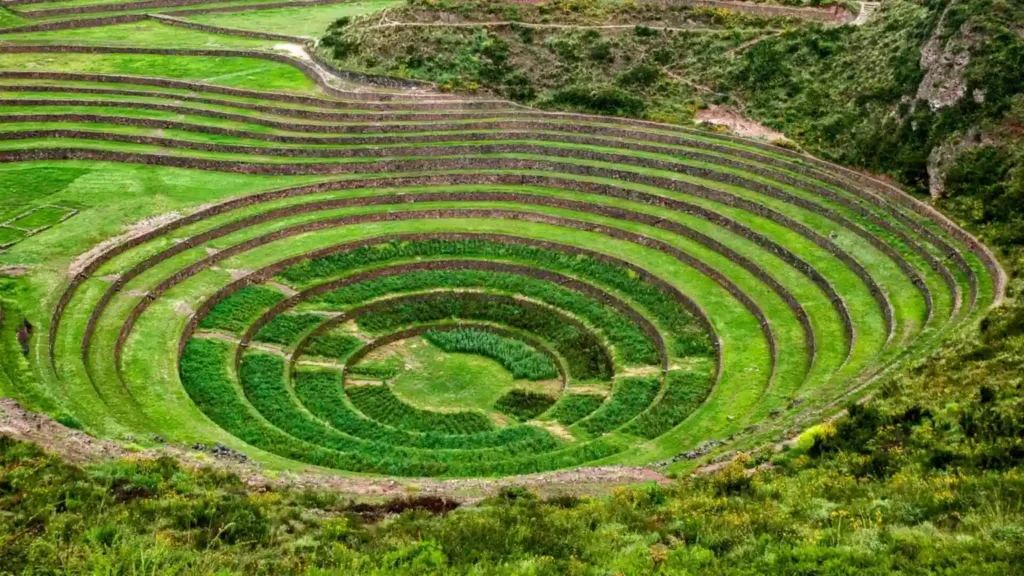
Moray: Circular Terraces as Agricultural Laboratories
At first glance, Moray appears as a series of concentric circles carved into the earth. These terraces descend in layers, creating a visual pattern that contrasts sharply with the surrounding landscape.
However, Moray is not simply an architectural curiosity. It is widely understood to have functioned as an agricultural research centre, where the Incas experimented with crop adaptation across microclimates.
Microclimates and Vertical Variation
Each level within Moray experiences a slightly different temperature and humidity. The variation between the top and bottom terraces can reach several degrees Celsius, effectively replicating different ecological zones within a single structure.
This allowed the Incas to:
- Test crop resilience at varying altitudes
- Develop hybrid varieties suited to diverse conditions
- Refine agricultural strategies for different regions of the empire
A maras moray cusco route provides the context necessary to understand how this site fits within the broader Inca agricultural system.
Engineering Without Modern Tools
The construction of Moray required precise knowledge of soil composition, drainage, and temperature control. Terraces were layered with different materials to ensure stability and prevent erosion.
Irrigation channels directed water efficiently across levels, maintaining consistent conditions for experimentation.
This level of engineering demonstrates that agriculture within the Inca Empire was not static, but adaptive and data-driven.
Maras: Salt Extraction in a Mountain Valley
In contrast to Moray’s experimental terraces, Maras Salt Mines—known locally as salineras—represent a system of production that has remained largely unchanged for centuries.
Thousands of shallow pools are arranged across a hillside, each filled with saline water sourced from an underground spring. As the water evaporates, salt crystallises on the surface and is harvested manually.
The Process of Salt Production
The extraction process at Maras follows a consistent cycle:
- Saline water is channelled into individual pools
- Sunlight causes gradual evaporation
- Salt crystallises and is collected by hand
- Pools are cleaned and refilled
Each pool is managed by local families, with ownership passed down through generations. This system creates both economic continuity and cultural identity.
A maras moray cusco experience provides insight into how traditional practices persist within a modern context.
Visual and Geological Contrast
The juxtaposition of Moray and Maras is striking:
One site is defined by controlled experimentation, the other by repetitive extraction. Together, they illustrate different responses to the same environment.
The Role of the Sacred Valley
Both sites are located within the Sacred Valley, a region that served as an agricultural base for the Inca Empire. Its relatively mild climate and fertile soil made it suitable for crop production at scale.
The valley also functioned as a transitional zone between Cusco and lower-altitude regions, facilitating movement of goods and resources.
A maras moray cusco itinerary places these sites within that broader geographical context.
Private Exploration and Interpretation
Controlled Access and Timing
A private approach allows for early or late visits, avoiding peak hours when both Moray and Maras receive higher numbers of visitors.
This provides:
- Clearer observation of site layout
- Reduced environmental pressure
- Greater flexibility in pacing
Guided Context
Without explanation, Moray and Maras may appear visually impressive but conceptually isolated. A private guide connects them to:
- Inca agricultural systems
- Economic structures within local communities
- Environmental adaptation strategies
This transforms the visit into an analytical experience.
Integration with Broader Itineraries
A maras moray cusco route is often combined with other Sacred Valley locations, including Ollantaytambo and Pisac.
Private tours allow for these combinations without compressing time at each site, maintaining depth of exploration.
Cultural Continuity in Maras
The salt pans of Maras are not preserved as historical artefacts—they are active production sites. Families continue to harvest salt using methods that predate the Inca period.
This continuity reinforces the idea that Andean culture is not confined to the past. It remains embedded in daily activity.
Respectful observation is essential. Visitors should remain on designated paths and avoid interfering with the work of local families.
Environmental Considerations
Both Moray and Maras exist within sensitive landscapes. Increased tourism has introduced challenges related to erosion and waste.
Responsible practices include:
- Staying within marked areas
- Avoiding physical contact with terraces and salt pools
- Supporting local economies through regulated purchases
Private tours often place greater emphasis on these considerations.
Seasonal Variation
Dry Season (May–September)
- Clear visibility of both sites
- Stable ground conditions
- Strong sunlight enhancing contrast in Maras
Wet Season (November–March)
- Increased vegetation around Moray
- Reduced visibility due to cloud cover
- Greater moisture affecting salt evaporation
Each season alters both the appearance and functionality of the sites.
Practical Considerations
Altitude
Both Moray and Maras are located at high altitude, though lower than Cusco. Acclimatisation remains important, particularly for those arriving from sea level.
Transport and Access
The sites are accessible by road from Cusco, with travel time varying depending on route and stops within the Sacred Valley.
Private vehicles allow for flexibility, particularly when integrating additional locations.
The Meaning of the Route
A maras moray cusco journey is not defined by scale or monumentality. Instead, it reveals processes—experimentation, production, adaptation—that supported the broader Inca system.
These sites demonstrate that the empire’s strength did not rely solely on architecture or conquest, but on its ability to understand and manipulate the environment.
A Landscape of Systems Rather Than Monuments
Moray and Maras are often visited as secondary destinations, yet they offer insight into aspects of Andean life that are less visible in larger sites.
They represent systems rather than structures—methods of working with terrain, climate, and resources.
Through a maras moray cusco experience, these systems become legible, providing a more complete understanding of how the Andes were inhabited, cultivated, and sustained.
Contact Us
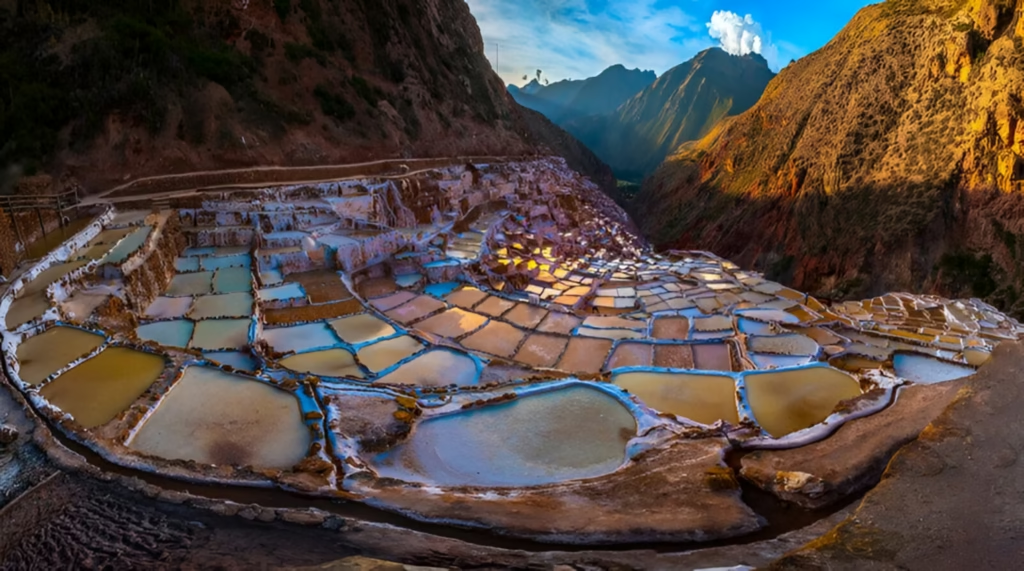
Salt Mines and Machu Picchu Tour from Cusco
Maras Salt Mines and Machu Picchu Tour Salt mines and Machu Picchu tour from Cusco 8 am 2.8 km 1.5 hours 6 persons max 12…
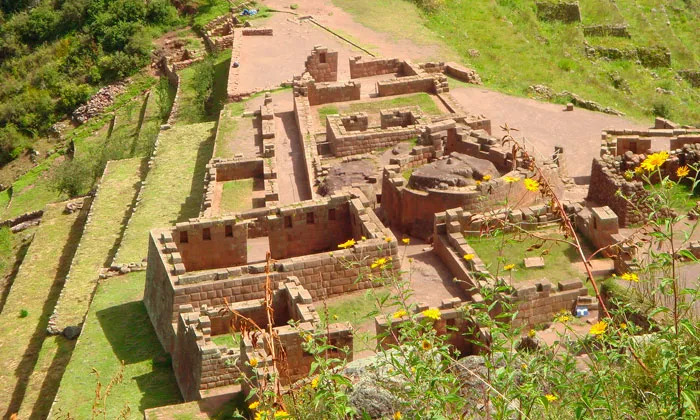
Sacred Valley Tour from Cusco
Sacred Valley Day Trip from Cusco Full-Day Sacred Valley Tour 8 am 2.8 km 1.5 hours 6 persons max 12 hours 1 day Explore the…
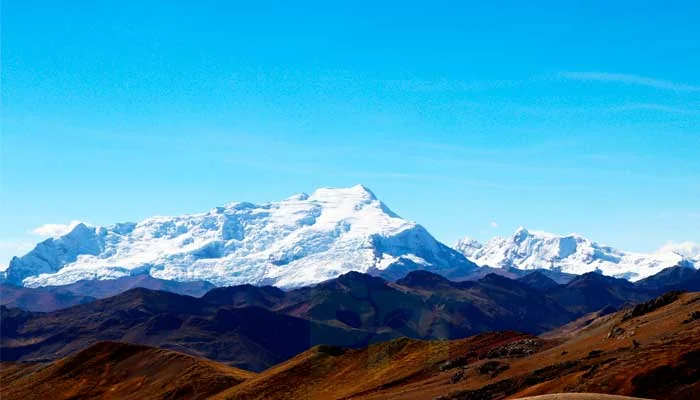
Palcoyo Mountain Tour from Cusco
A Softer Alternative to Rainbow Mountain Alternative Rainbow Mountain 8 am 2.8 km 1.5 hours 6 persons max 12 hours 1 day Palcoyo is one…
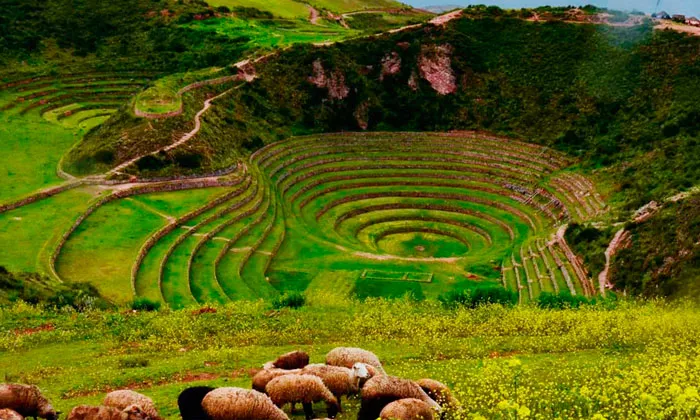
Maras Moray Tour from Cusco
Sacred Valley tour to Maras and Moray Maras salt mines and Moray terraces 7:50 am 3800 masl 80 min 6 persons max 2 hours 6…
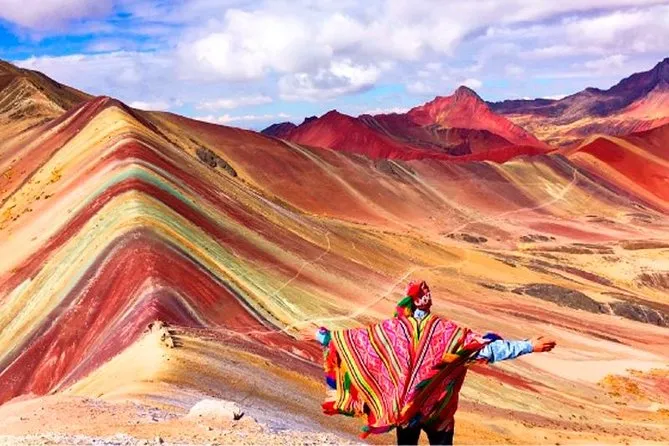
Rainbow Mountain Tour from Cusco
Late Morning Rainbow Mountain Tour from Cusco Rainbow Mountain Hike 8 am 5200 masl 3 hours 6 persons max 3 hours 1 day Most Rainbow Mountain…
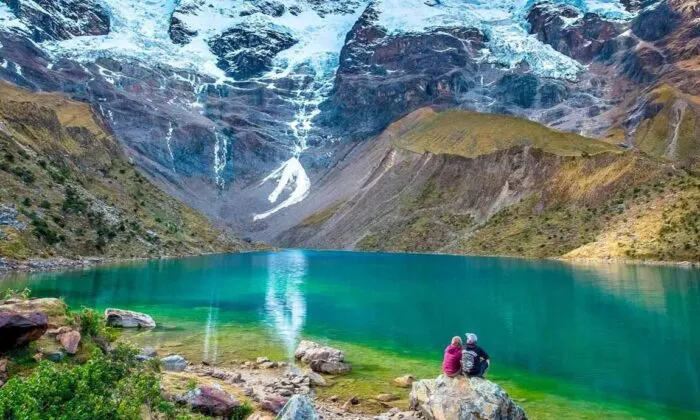
Humantay Lake Tour from Cusco
Humantay Lake Tour from Cusco Humantay Lagoon full-day tour 7 am 4200 masl 3 hours 6 persons max 2 hours 12 hours Discover one of…
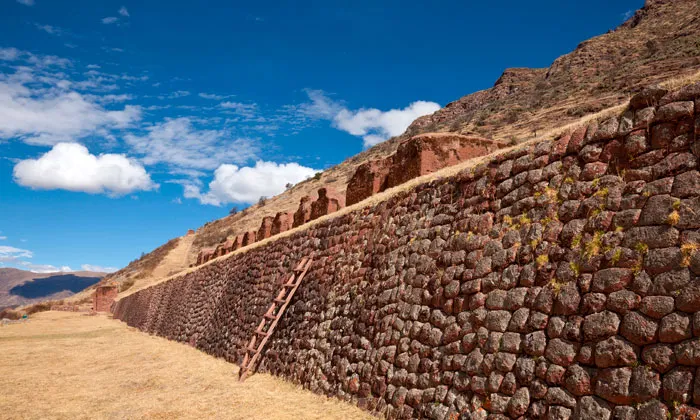
Huchuy Qosqo Trek from Cusco
Huchuy Qosqo Day Hike One day hike to Huchuy Qosqo 8 am 2.8 km 1.5 hours 6 persons max 12 hours 1 day The Huchuy Qosqo…
Cusco City Tour
Cusco City Tour & 4 Nearby Inca Ruins Half-Day Cusco City Tour 8 am 2.8 km 1.5 hours 6 persons max 12 hours 1 day…