
From Imperial Capital to Mountain Sanctuary
The route connecting Cusco and Machu Picchu is one of the most historically layered corridors in South America. To undertake cusco to machu picchu private tours is to move through a sequence of environments that reflect how the Inca Empire was organised—politically, agriculturally, and geographically.
This journey is not defined by distance alone, but by transition: from high-altitude urban centre to fertile valley, and finally into the cloud forest where Machu Picchu emerges as a culmination rather than an isolated destination.
The Historical Axis of the Route
Cusco functioned as the administrative and ceremonial core of the Inca Empire. From here, a network of roads extended outward, connecting distant regions through what is now known as the Qhapaq Ñan.
Machu Picchu, constructed in the 15th century, occupied a more specialised role—likely a royal estate or ceremonial retreat. Its location, concealed within steep mountains, reflects both strategic intent and symbolic alignment with surrounding peaks.
A cusco to machu picchu private tours itinerary links these two sites within a single narrative, connecting governance and retreat within the same system.
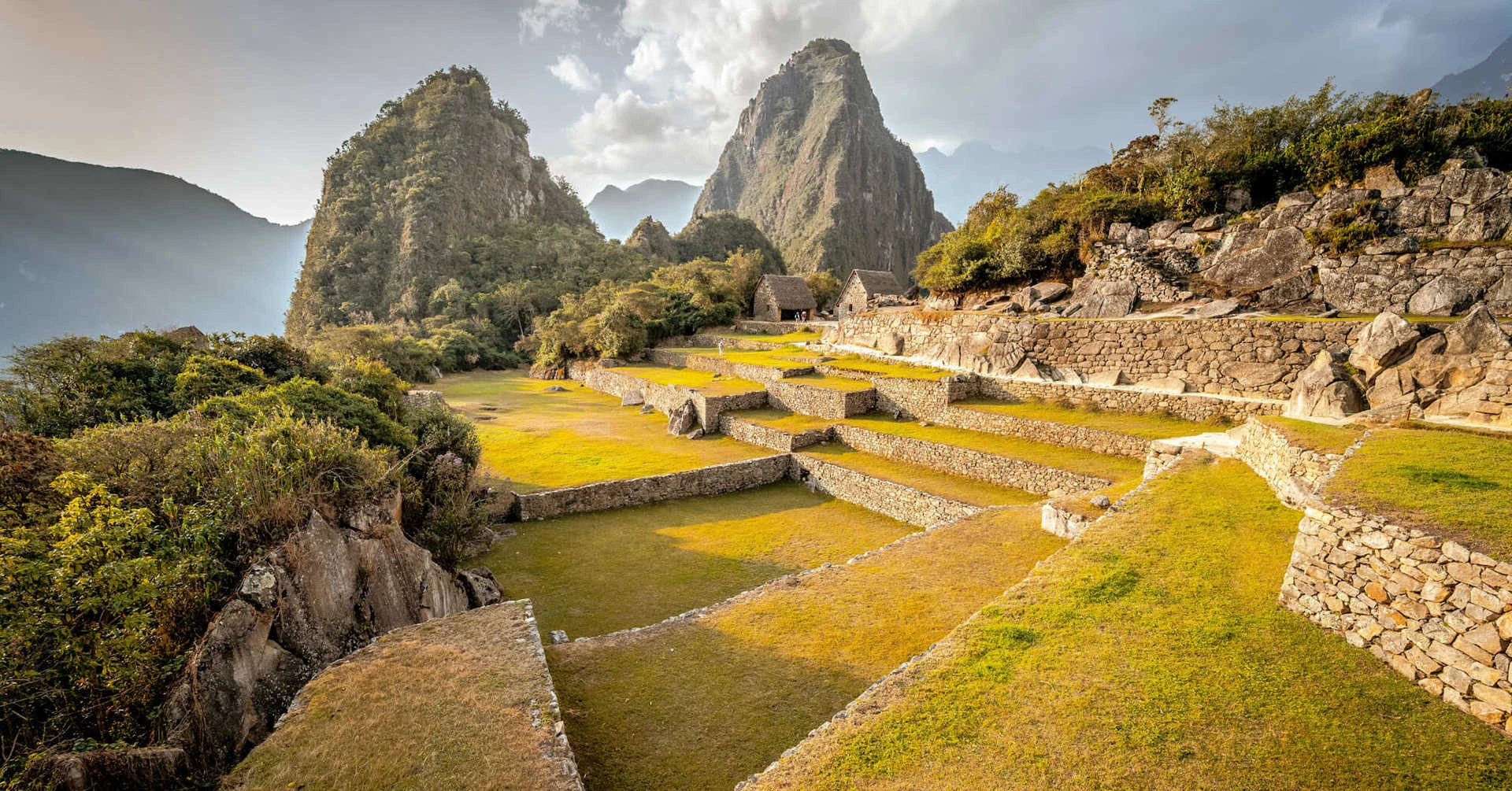
Structuring cusco to machu picchu private tours
Stage 1: Cusco and Acclimatisation
The journey typically begins in Cusco, where altitude—approximately 3,400 metres—requires gradual adjustment. Time spent here allows for both physical acclimatisation and historical orientation.
Private tours often include guided exploration of key sites before departure, establishing context for the journey ahead.
Stage 2: The Sacred Valley Transition
Descending from Cusco, the route enters the Sacred Valley, where altitude decreases and agricultural activity becomes more visible.
Key locations include:
- Pisac, with its extensive terraces
- Ollantaytambo, a functioning Inca settlement
This stage is essential, not as a stopover, but as a demonstration of how the empire sustained itself.
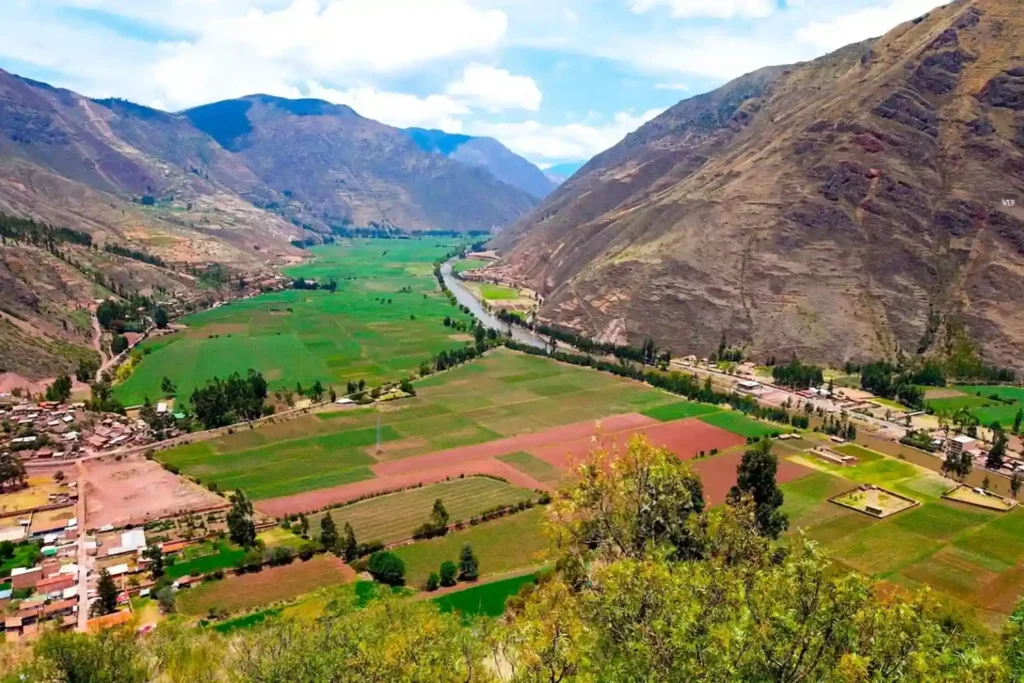
Stage 3: Rail Access Through the Valley
From Ollantaytambo, the journey continues by train along the Urubamba River. The landscape narrows, and vegetation shifts toward subtropical forest.
This section provides a visual transition between ecological zones, reinforcing the progression toward Machu Picchu.
A cusco to machu picchu private tours format allows for selection of train services that prioritise comfort and visibility.
Stage 4: Arrival and Ascent
Upon reaching Aguas Calientes, access to Machu Picchu is completed by road or on foot. The ascent marks the final stage, moving from valley floor to elevated sanctuary.
Entry is regulated through timed tickets, requiring coordination within the overall itinerary.
The Value of a Private Approach
Control Over Timing
One of the defining advantages of cusco to machu picchu private tours is the ability to control timing across each stage.
This includes:
- Early or late entry to Machu Picchu
- Adjusted departure times from Cusco
- Flexible pacing within the Sacred Valley
Such control reduces exposure to peak visitor periods.
Integrated Interpretation
A private guide provides continuity across locations, connecting:
- Inca urban planning in Cusco
- Agricultural systems in the Sacred Valley
- Architectural design in Machu Picchu
This integrated approach ensures that each site is understood within a broader framework.
Adaptation to Physical Conditions
Altitude, terrain, and weather vary significantly along the route. Private tours allow for adjustments based on individual needs, including rest periods and route modifications.
Machu Picchu: Context and Experience
Spatial Organisation
Within Machu Picchu, the layout reflects deliberate planning:
- Agricultural terraces stabilising slopes
- Residential zones arranged according to hierarchy
- Ceremonial areas aligned with astronomical events
Understanding these elements requires interpretation beyond visual observation.
Movement and Circuits
Visitor movement is regulated through designated routes to preserve the site. A private guide ensures efficient navigation while allowing time for analysis.
Accommodation Strategy Along the Route
Cusco to machu picchu private tours typically involve multiple accommodation points:
- Cusco: for acclimatisation and historical context
- Sacred Valley: for reduced altitude and landscape immersion
- Aguas Calientes or near Machu Picchu: for proximity to the site
Properties such as Belmond Sanctuary Lodge provide direct access, while others in the valley offer a quieter environment.
Practical Considerations
Altitude
The route involves both high and lower elevations. Acclimatisation in Cusco followed by time in the Sacred Valley supports physical adaptation.
Climate
- Dry season: clearer visibility and stable conditions
- Wet season: increased rainfall and atmospheric variation
Weather patterns influence both travel and site experience.
Logistics
Coordinating transport, tickets, and timing is essential. Private arrangements streamline these elements, ensuring continuity across stages.
Cultural Continuity Along the Route
Communities within the Sacred Valley and surrounding areas maintain agricultural practices rooted in pre-colonial systems. Crops are cultivated using terrace-based methods, and Quechua remains widely spoken.
A cusco to machu picchu private tours experience allows for observation of these practices within their natural context.
Gastronomy and Regional Identity
Cuisine along the route reflects geographic variation:
- Cusco: urban dining with historical influence
- Sacred Valley: agricultural products and traditional preparation
- Aguas Calientes: transitional cuisine influenced by tourism
Private tours may incorporate curated dining experiences aligned with each region.
The Role of Movement in Understanding the Andes
The journey from Cusco to Machu Picchu is defined by movement through space and altitude. Each stage reveals a different aspect of the Andean system.
A cusco to machu picchu private tours format preserves this progression, ensuring that transitions are experienced rather than bypassed.
Beyond Arrival
Machu Picchu is often treated as the endpoint of the journey, yet its significance depends on the context provided by the route.
Without understanding Cusco’s role as a capital or the Sacred Valley’s function as an agricultural base, the site risks being reduced to a visual landmark.
A Continuous Narrative
Cusco to machu picchu private tours create a continuous narrative linking governance, production, and retreat within the Inca Empire.
Each stage contributes to this narrative, forming a coherent sequence rather than isolated experiences.
A Structured Interpretation of the Andes
To undertake this journey privately is to engage with the Andes as a system—geographical, cultural, and historical.
Cusco to machu picchu private tours provide the structure necessary to interpret this system with clarity, ensuring that each element is understood within its broader context rather than as a standalone attraction.
Contact Us
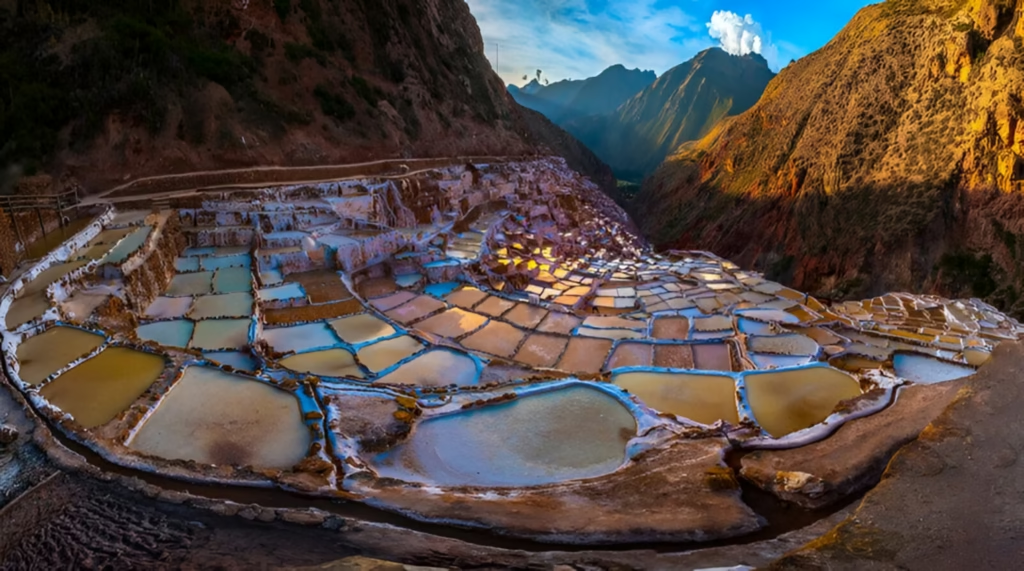
Salt Mines and Machu Picchu Tour from Cusco
Maras Salt Mines and Machu Picchu Tour Salt mines and Machu Picchu tour from Cusco 8 am 2.8 km 1.5 hours 6 persons max 12…
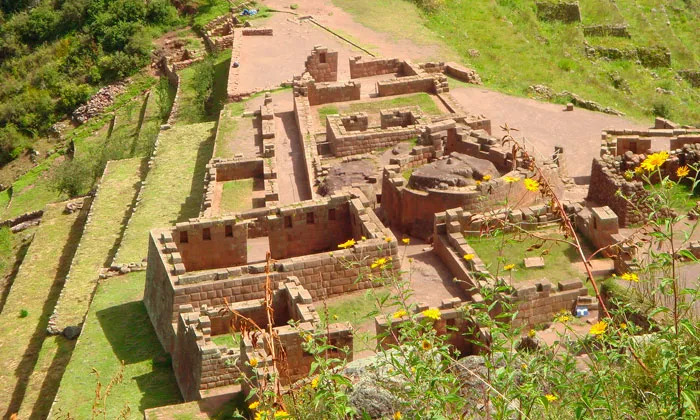
Sacred Valley Tour from Cusco
Sacred Valley Day Trip from Cusco Full-Day Sacred Valley Tour 8 am 2.8 km 1.5 hours 6 persons max 12 hours 1 day Explore the…
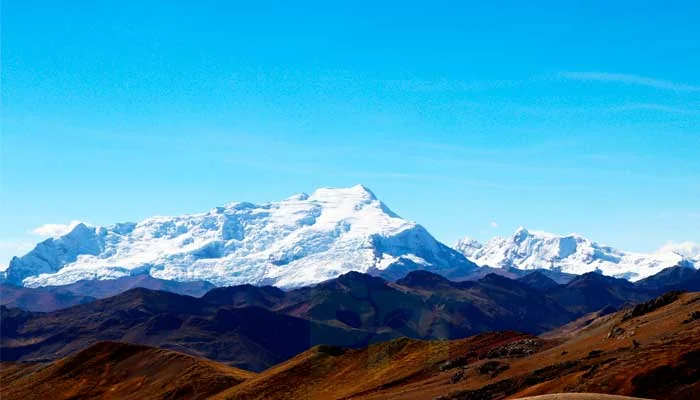
Palcoyo Mountain Tour from Cusco
A Softer Alternative to Rainbow Mountain Alternative Rainbow Mountain 8 am 2.8 km 1.5 hours 6 persons max 12 hours 1 day Palcoyo is one…
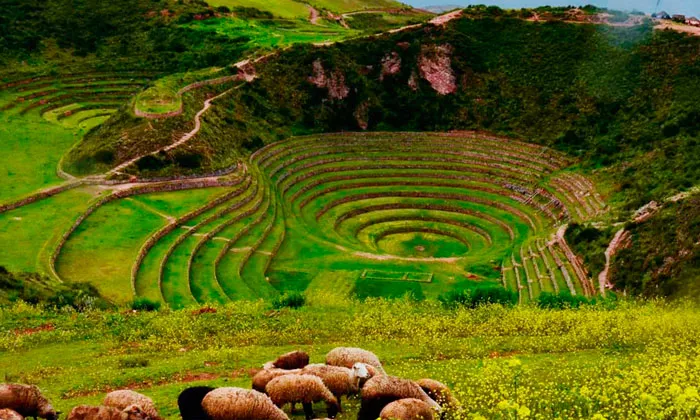
Maras Moray Tour from Cusco
Sacred Valley tour to Maras and Moray Maras salt mines and Moray terraces 7:50 am 3800 masl 80 min 6 persons max 2 hours 6…
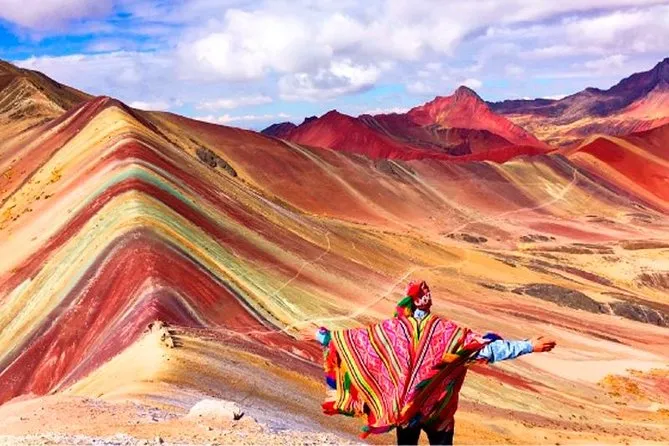
Rainbow Mountain Tour from Cusco
Late Morning Rainbow Mountain Tour from Cusco Rainbow Mountain Hike 8 am 5200 masl 3 hours 6 persons max 3 hours 1 day Most Rainbow Mountain…
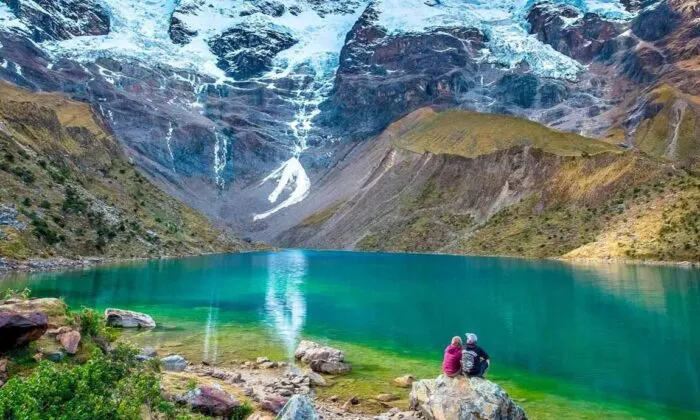
Humantay Lake Tour from Cusco
Humantay Lake Tour from Cusco Humantay Lagoon full-day tour 7 am 4200 masl 3 hours 6 persons max 2 hours 12 hours Discover one of…
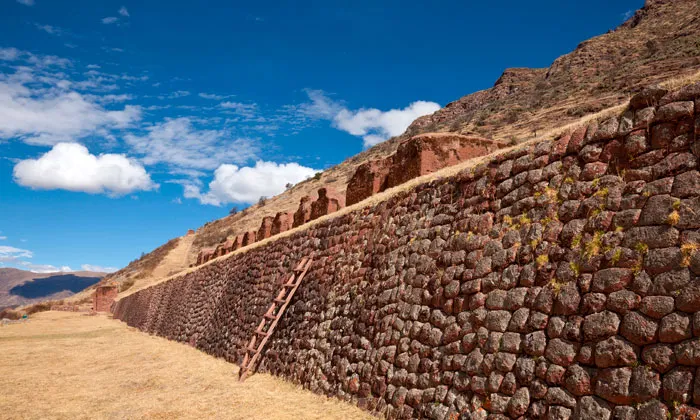
Huchuy Qosqo Trek from Cusco
Huchuy Qosqo Day Hike One day hike to Huchuy Qosqo 8 am 2.8 km 1.5 hours 6 persons max 12 hours 1 day The Huchuy Qosqo…
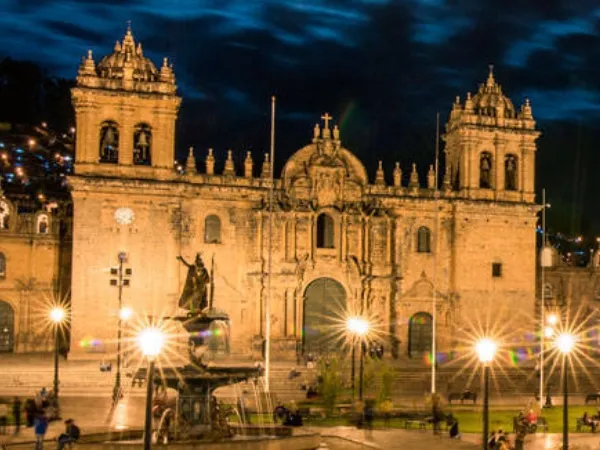
Cusco City Tour
Cusco City Tour & 4 Nearby Inca Ruins Half-Day Cusco City Tour 8 am 2.8 km 1.5 hours 6 persons max 12 hours 1 day…