
A Country Defined by Complexity
Peru cannot be approached as a singular destination. Its geography is divided into three primary regions—the Pacific coast, the Andean highlands, and the Amazon Basin—each with distinct climates, ecosystems, and cultural histories. To navigate this diversity through peru private tour packages is to impose structure on a landscape that resists simplification.
Rather than compressing multiple destinations into a fixed itinerary, private travel allows for a sequence of transitions that reflect how the country is organised—geographically, historically, and socially.
Historical Context Across Regions
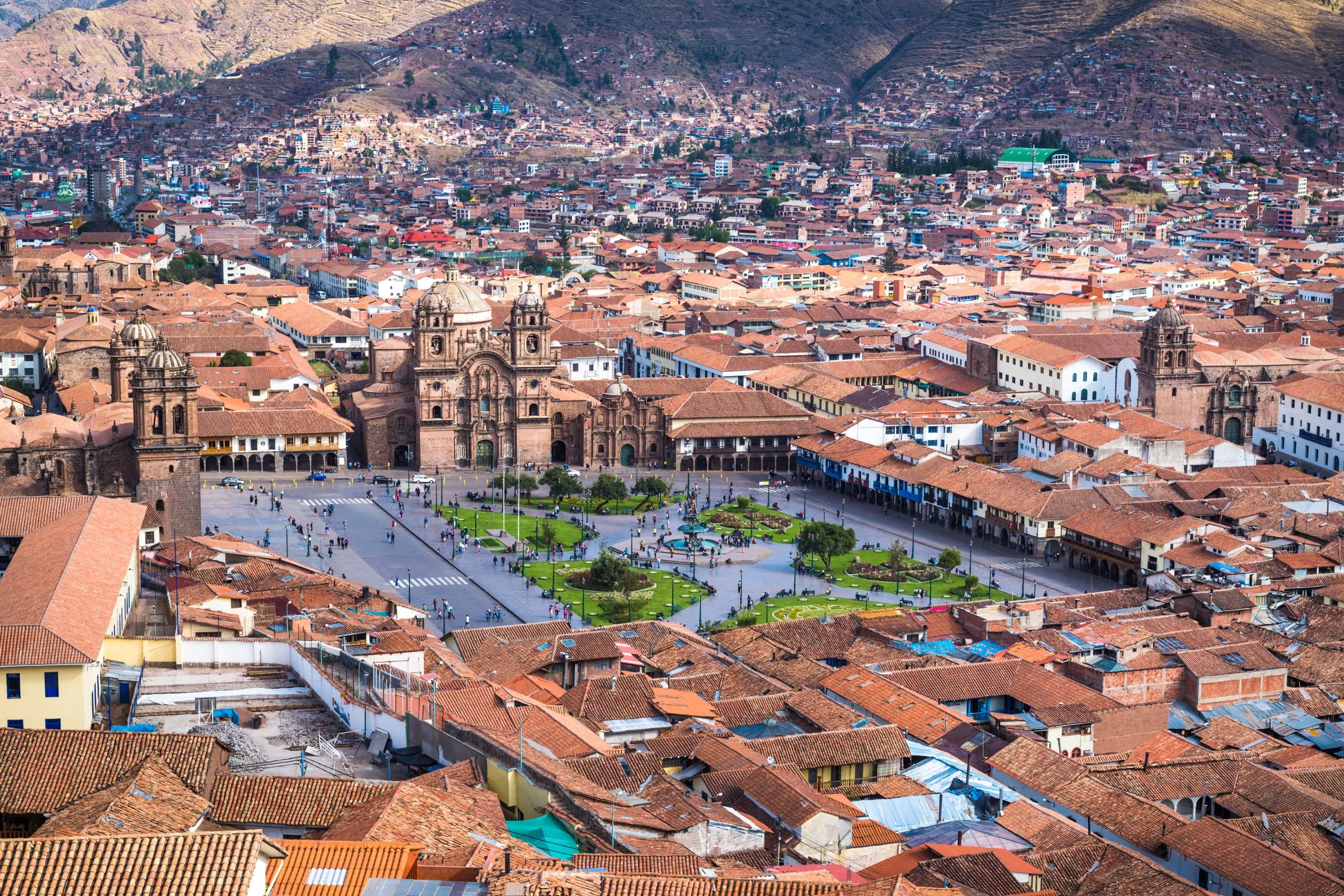
The foundations of modern Peru lie in pre-Columbian civilisations, most prominently the Inca Empire, which established its capital in Cusco. From there, an extensive road system connected territories across the Andes.
The arrival of the Spanish in the 16th century introduced new architectural forms, administrative systems, and cultural influences, particularly visible in cities such as Lima.
Understanding these overlapping histories is essential when structuring peru private tour packages, as each region reflects a different stage of this development.
Core Components of peru private tour packages
Lima: Coastal Introduction
Most journeys begin in Lima, a coastal city that serves as both capital and entry point. Its urban structure reflects colonial planning, with plazas, churches, and administrative buildings forming the core.
Beyond architecture, Lima provides insight into contemporary Peruvian identity, particularly through its gastronomy.
Private itineraries often include:
- Exploration of historic districts
- Curated dining experiences
- Introduction to regional ingredients
Cusco and the Andes
From Lima, travel typically continues to the Andes, where Cusco provides the historical framework for understanding the Inca Empire.
The surrounding Sacred Valley offers a transition in both altitude and environment, supporting agricultural systems that remain active today.
Key elements within this stage include:
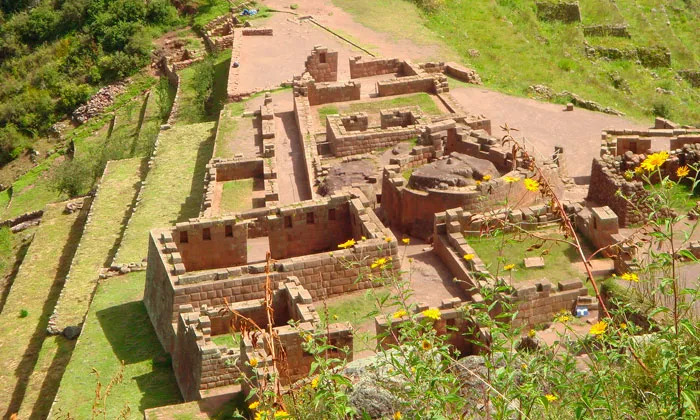
- Archaeological sites such as Pisac and Ollantaytambo
- Agricultural terraces and irrigation systems
- Local communities maintaining traditional practices
Machu Picchu: Contextualised Arrival
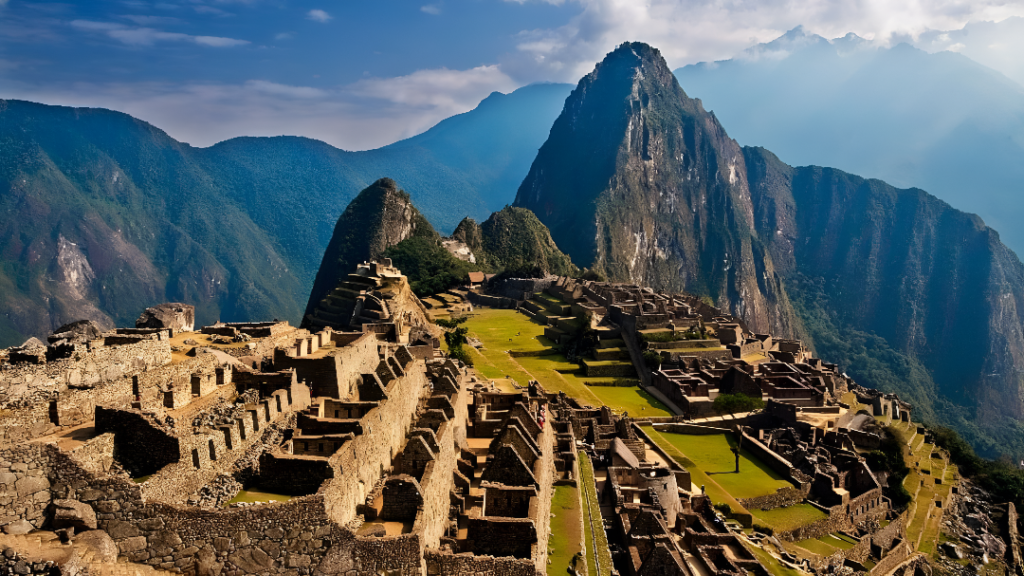
Machu Picchu represents a focal point within many itineraries, yet its significance depends on the context established beforehand.
Peru private tour packages integrate access to Machu Picchu through structured routes, often combining rail travel with guided interpretation.
This ensures that the site is understood within the broader Inca system rather than as an isolated landmark.
The Amazon Basin
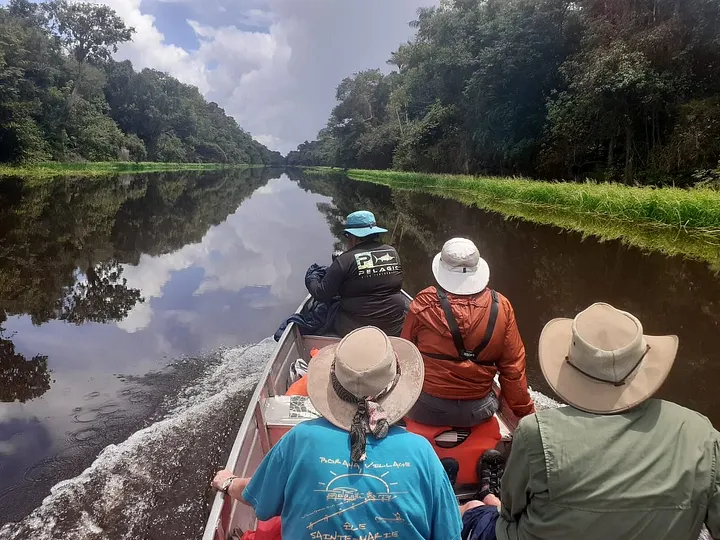
The Amazon introduces a different dimension—humid, biodiverse, and largely inaccessible without prior planning.
Access points such as Puerto Maldonado serve as gateways to rainforest reserves.
Private arrangements include:
- Guided exploration with naturalists
- Accommodation within eco-lodges
- Controlled group sizes to minimise environmental impact
This stage contrasts sharply with the Andes, reinforcing the diversity of Peru.
Structuring Itineraries
Multi-Region Flow
A defining feature of peru private tour packages is the integration of multiple regions into a coherent sequence.
Typical structures include:
- Coast → Andes → Amazon
- Andes-focused itineraries with extended Sacred Valley exploration
- Southern circuits incorporating Arequipa and Colca Canyon
Each structure reflects different priorities, whether cultural, ecological, or geographical.
Timing and Duration
Private packages allow for variation in duration, typically ranging from one to three weeks. The allocation of time within each region determines depth of experience.
Longer stays enable:
- Reduced travel fatigue
- Greater immersion in local environments
- Flexibility in response to weather or physical conditions
The Value of Private Travel
Logistical Coordination
Peru’s terrain presents challenges in transport and timing. Private tours address these through:
- Pre-arranged flights and rail services
- Dedicated vehicles and drivers
- On-the-ground coordination in each location
This reduces uncertainty and ensures continuity.
Interpretation and Continuity
A consistent guiding framework allows for interpretation that connects different regions.
Rather than isolated explanations, travellers receive:
- Historical continuity across sites
- Environmental context for each landscape
- Cultural insight into local practices
Adaptation and Flexibility
Private arrangements allow itineraries to be adjusted in response to:
- Weather conditions
- Physical readiness
- Specific interests
This adaptability is particularly valuable in high-altitude or remote environments.
Accommodation Strategy
Luxury within peru private tour packages is defined by adaptation to location rather than uniformity.
- Coastal regions: contemporary urban hotels
- Andes: restored colonial properties or rural estates
- Amazon: eco-lodges designed for environmental integration
Properties such as Belmond Hotel Monasterio illustrate how historical architecture can be incorporated into modern hospitality.
Gastronomy as Regional Expression
Peruvian cuisine varies significantly across regions, reflecting available ingredients and cultural influences.
Private itineraries may include:
- Market visits in urban centres
- Farm-to-table experiences in the Sacred Valley
- Interpretation of Amazonian ingredients
Dining becomes a means of understanding geography rather than an isolated activity.
Cultural Continuity
Peru’s cultural identity is not confined to historical sites. It is embedded in daily practices—agriculture, language, textiles, and ritual.
Private tours facilitate structured interaction with local communities, ensuring that engagement is respectful and informative.
This includes:
- Visits to Quechua-speaking villages
- Observation of traditional weaving techniques
- Participation in seasonal activities where appropriate
Environmental Considerations
Travel across multiple regions introduces environmental impact. Responsible peru private tour packages address this through:
- Controlled group sizes
- Selection of sustainable accommodation
- Emphasis on conservation practices
This ensures that tourism does not compromise the environments it seeks to explore.
Practical Considerations
Altitude Management
Many destinations exceed 2,500 metres. Gradual acclimatisation and itinerary design are essential to ensure comfort and safety.
Seasonal Variation
- Dry season: clearer conditions in the Andes
- Wet season: increased rainfall, particularly in the Amazon
Private tours allow for adjustments based on seasonal conditions.
Security and Efficiency
Navigating Peru independently can involve logistical challenges. Private arrangements streamline processes, ensuring that each stage aligns with the overall itinerary.
The Role of Structure in Travel
Peru’s diversity requires organisation. Without structure, the experience risks becoming fragmented.
Peru private tour packages provide a framework that connects regions into a coherent narrative, allowing each destination to contribute meaningfully to the overall journey.
Beyond Individual Destinations
The value of a structured itinerary lies in its ability to reveal relationships:
- Between coast and highlands
- Between agriculture and settlement
- Between past and present
These connections define Peru as a system rather than a collection of sites.
A Coherent Understanding of Peru
To travel privately through Peru is to move with intention. Each stage is positioned within a broader context, ensuring that transitions are understood rather than overlooked.
Peru private tour packages enable this coherence, transforming a geographically complex country into a structured and comprehensible experience—one where landscape, culture, and history align within a single narrative.
Contact Us
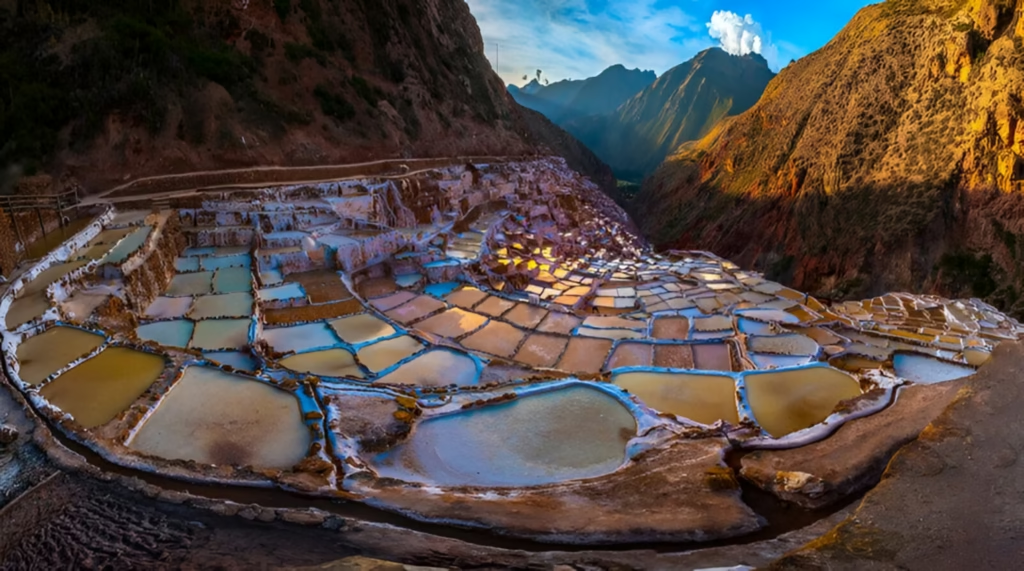
Salt Mines and Machu Picchu Tour from Cusco
Maras Salt Mines and Machu Picchu Tour Salt mines and Machu Picchu tour from Cusco 8 am 2.8 km 1.5 hours 6 persons max 12…
Sacred Valley Tour from Cusco
Sacred Valley Day Trip from Cusco Full-Day Sacred Valley Tour 8 am 2.8 km 1.5 hours 6 persons max 12 hours 1 day Explore the…
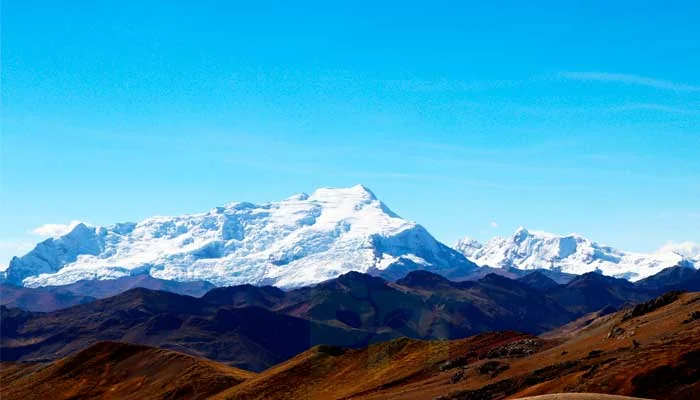
Palcoyo Mountain Tour from Cusco
A Softer Alternative to Rainbow Mountain Alternative Rainbow Mountain 8 am 2.8 km 1.5 hours 6 persons max 12 hours 1 day Palcoyo is one…
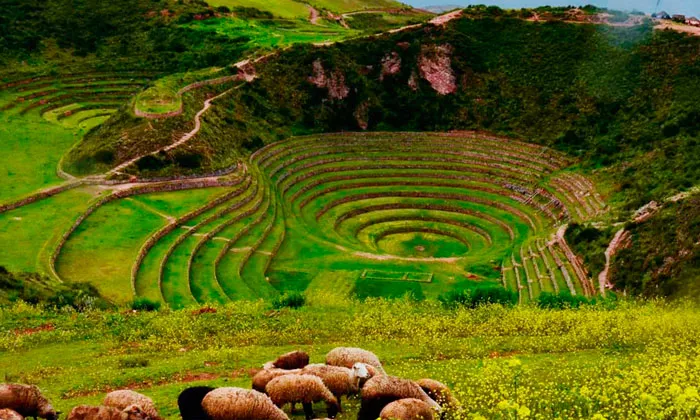
Maras Moray Tour from Cusco
Sacred Valley tour to Maras and Moray Maras salt mines and Moray terraces 7:50 am 3800 masl 80 min 6 persons max 2 hours 6…
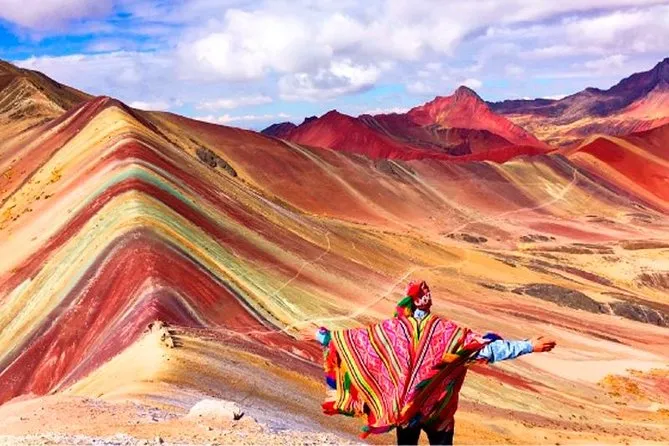
Rainbow Mountain Tour from Cusco
Late Morning Rainbow Mountain Tour from Cusco Rainbow Mountain Hike 8 am 5200 masl 3 hours 6 persons max 3 hours 1 day Most Rainbow Mountain…
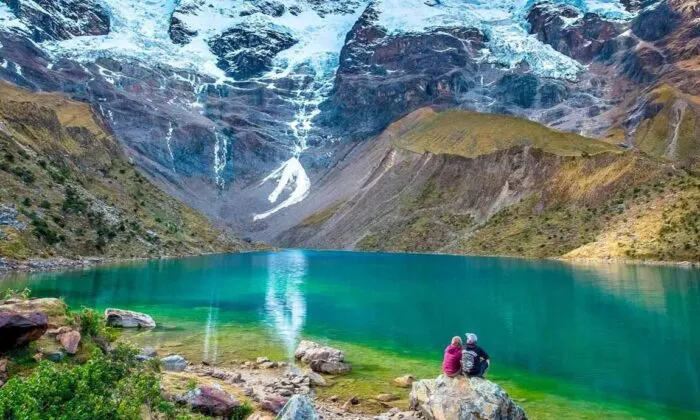
Humantay Lake Tour from Cusco
Humantay Lake Tour from Cusco Humantay Lagoon full-day tour 7 am 4200 masl 3 hours 6 persons max 2 hours 12 hours Discover one of…
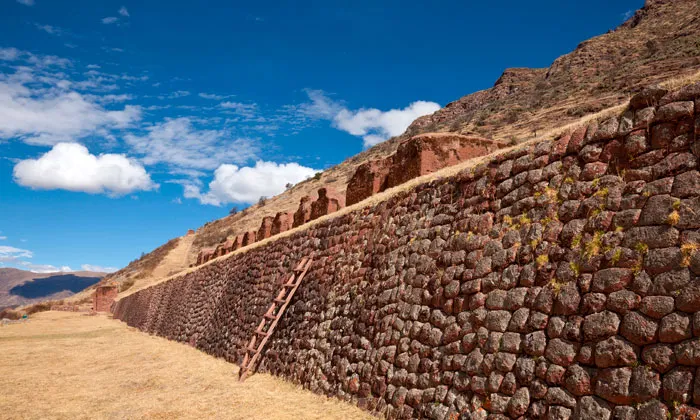
Huchuy Qosqo Trek from Cusco
Huchuy Qosqo Day Hike One day hike to Huchuy Qosqo 8 am 2.8 km 1.5 hours 6 persons max 12 hours 1 day The Huchuy Qosqo…
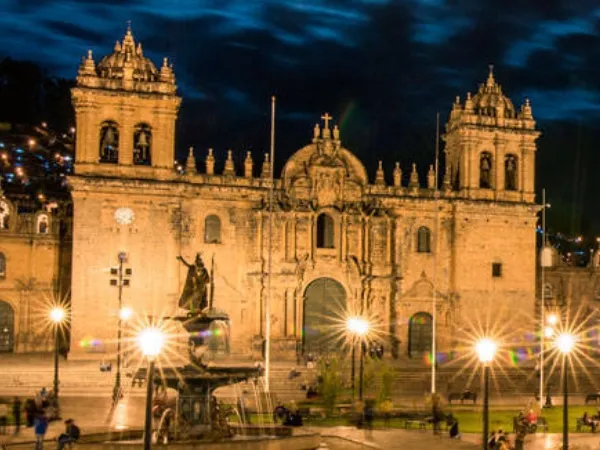
Cusco City Tour
Cusco City Tour & 4 Nearby Inca Ruins Half-Day Cusco City Tour 8 am 2.8 km 1.5 hours 6 persons max 12 hours 1 day…