

travel guide
Luxury private tours Peru, a Country Defined by Contrasts

Peru’s geography resists simplification. Within a single journey, one may move from Pacific coastline to Andean highlands and onward into Amazonian rainforest—each region governed by its own climate, history, and cultural continuity. To navigate this complexity through luxury private tours peru is to approach the country not as a checklist of destinations, but as a sequence of carefully structured encounters. The advantage of a private framework lies not merely in comfort, but in control: control over pace, access, interpretation, and timing. In a country where distances are vast and conditions variable, this level of orchestration becomes essential.
QUICK SUMARY
- The Historical Framework of Perú
- Structuring Luxury Private Tours Peru
- Private Logistics and Seamless Transitions
- Cusco and the Sacred Valley: Core of the Andes
- The Amazon Basin: Ecological Perspective
- Gastronomy as a Component of Travel
- Practical Considerations
- Cultural Continuity and Local Insight
- Frequently Asked Questions
- Related Guides
- The Historical Framework of Perú
- Structuring Luxury Private Tours Peru
- Private Logistics and Seamless Transitions
- Cusco and the Sacred Valley: Core of the Andes
- The Amazon Basin: Ecological Perspective
- Gastronomy as a Component of Travel
- Practical Considerations
- Cultural Continuity and Local Insight
- Frequently Asked Questions
- Related Guides

The Historical Framework of Perú
Long before the arrival of the Spanish in the 16th century, Peru was the centre of the Inca Empire, the largest pre-Columbian civilisation in the Americas. Its capital, Cusco, functioned as both administrative and spiritual nucleus, connected by an extensive road system that extended across modern-day Peru, Ecuador, Bolivia, and Chile. The Spanish conquest introduced a different architectural and cultural layer, particularly visible in cities such as Lima and Arequipa. Baroque churches, colonial plazas, and administrative structures were often built atop Inca foundations, creating a dual identity that persists today. Understanding this historical overlap is central to any well-designed itinerary.
Structuring Luxury Private Tours Peru
A defining feature of luxury private tours peru is the ability to integrate multiple regions without compromising depth. Rather than compressing experiences, private itineraries allow each destination to be explored within its own context. Typical combinations include: Lima (coastal capital) + Cusco and the Sacred Valley (Andes), Cusco + Machu Picchu + Amazon Basin, or Southern circuits incorporating Arequipa and Colca Canyon. Each route is defined not only by geography but by thematic continuity—archaeology, gastronomy, ecology, or a combination of these elements.
Private Logistics and Seamless Transitions
Peru’s infrastructure, while developed in key areas, still requires careful coordination. Private tours mitigate potential disruptions through: dedicated vehicles and drivers for regional travel, pre-arranged train services to Machu Picchu, domestic flights timed to minimise waiting periods, and on-the-ground support in each destination. This level of planning ensures continuity, particularly when transitioning between altitude zones or remote areas.
Cusco and the Sacred Valley: Core of the Andes
For most travellers, the Andean region forms the central axis of any itinerary. Cusco provides historical context, while the Sacred Valley offers both geographical and physiological advantages due to its lower elevation. Private exploration allows access beyond standard routes: early entry to archaeological sites such as Pisac and Ollantaytambo, visits to agricultural terraces in Moray and salt pans in Maras, and engagement with local communities specialising in textile production. This approach replaces passive observation with structured understanding.
The Amazon Basin: Ecological Perspective
Peru’s Amazon region introduces a contrasting environment—humid, biodiverse, and largely inaccessible without prior planning. Access points such as Puerto Maldonado serve as gateways to protected reserves. From here, river transport leads to lodges situated within rainforest ecosystems. Private tours in this region emphasise: guided wildlife observation with trained naturalists, controlled group sizes to minimise environmental impact, and structured excursions focusing on botany, birdlife, and river systems. Accommodation is typically designed to balance comfort with environmental integration.
Gastronomy as a Component of Travel
Peruvian cuisine has gained international recognition, yet its complexity is best understood within its regional context. In Lima, restaurants such as Central and Maido interpret native ingredients through contemporary techniques. In the Andes, cuisine reflects altitude and availability—potatoes, maize, and locally raised meats form the basis of traditional dishes. Private culinary experiences may include: market visits with chefs, tasting menus focused on regional ecosystems, and pairings with Peruvian wines and pisco. These elements position gastronomy as both cultural expression and sensory exploration.
Practical Considerations
Altitude Management: Many key destinations are located above 2,500 metres. Gradual acclimatisation, hydration, and pacing are essential components of itinerary design.
Seasonal Planning: Dry season (May–September): optimal for trekking and clear visibility. Wet season (November–March): increased rainfall, particularly in the Andes and Amazon. Private tours allow for adjustments based on weather patterns, reducing exposure to disruptions.
Security and Efficiency: While Peru is generally accessible, navigating transport, timing, and language can present challenges. Private arrangements reduce uncertainty, ensuring that each segment of the journey aligns with the overall plan.
Cultural Continuity and Local Insight
Peru’s cultural identity is not confined to historical sites. It is present in daily practices—agriculture, weaving, language, and ritual. Private tours often facilitate interaction with local communities under structured conditions, ensuring that engagement is respectful and meaningful. This includes: visits to Quechua-speaking villages, observation of traditional farming techniques, and participation in seasonal festivals where appropriate. Such experiences provide continuity between past and present.
Frequently Asked Questions
Related Guides
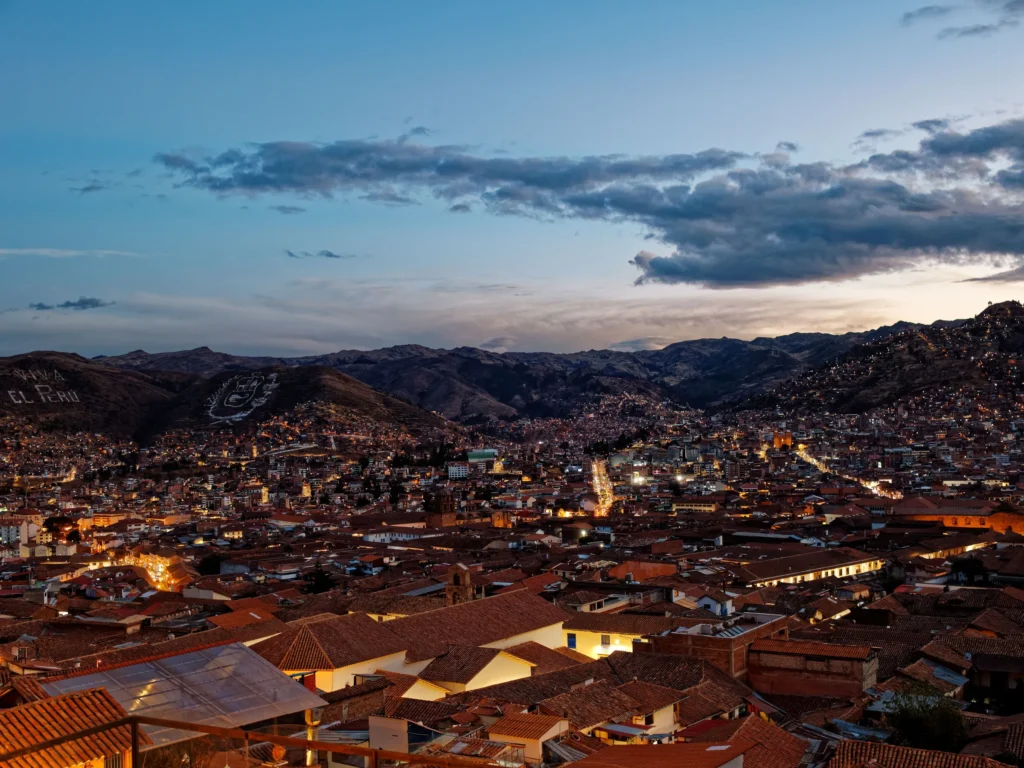
Private tours Cusco: a structured way to explore the historic capital of the Incas
cusco guides To approach Cusco through private tours cusco is to move beyond the visible…
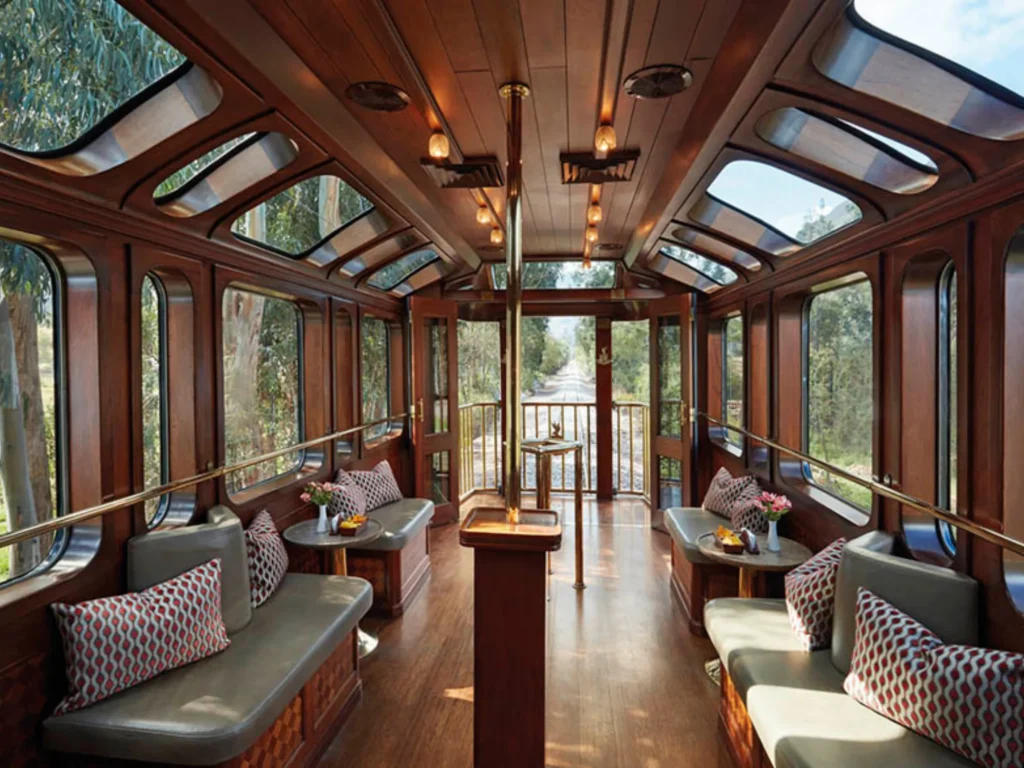
The Railway Through the Andes: Machu Picchu train tour
travel guide The railway that connects the Sacred Valley to Machu Picchu is one of…
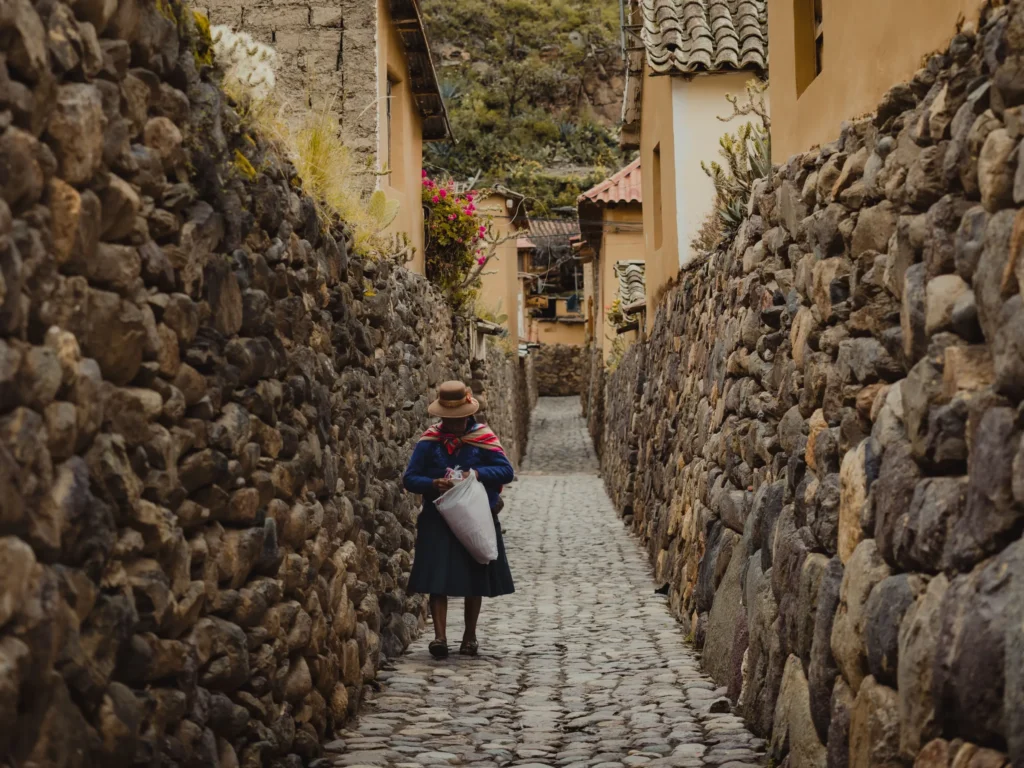
Cusco private tour: A City Built in Layers
travel guide Few cities in South America present such a visible overlap of civilisations as…
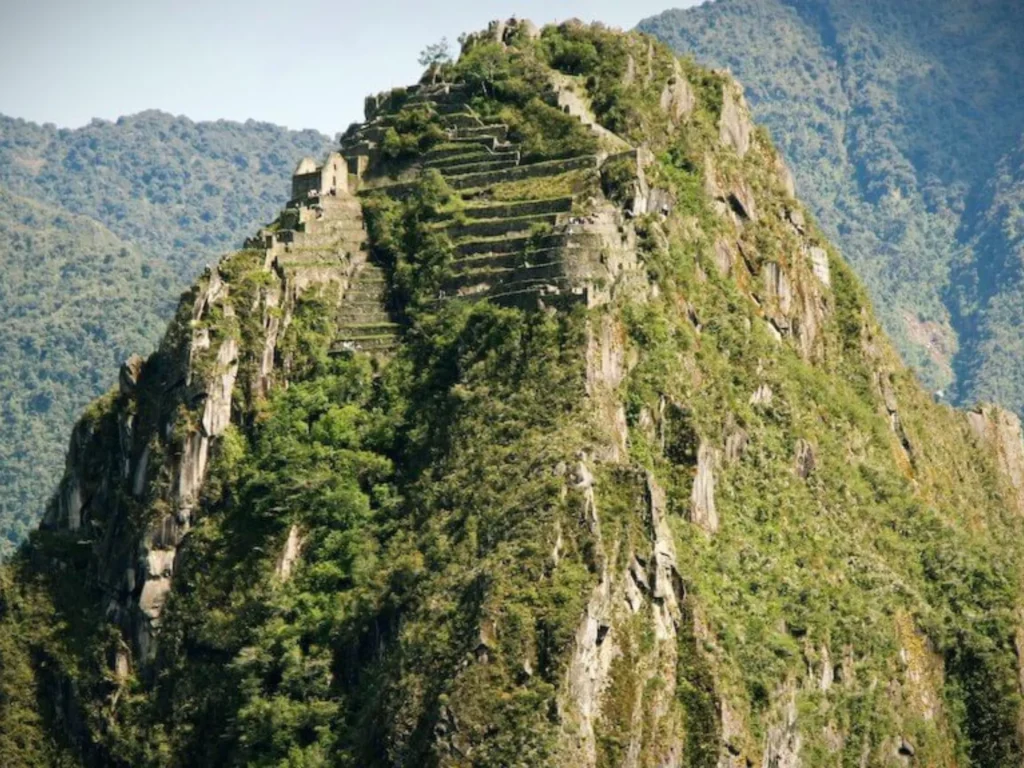
Private Salkantay Trek: A Route Defined by Altitude and Isolation
travel guide Among the various approaches to Machu Picchu, the Salkantay route stands apart for…
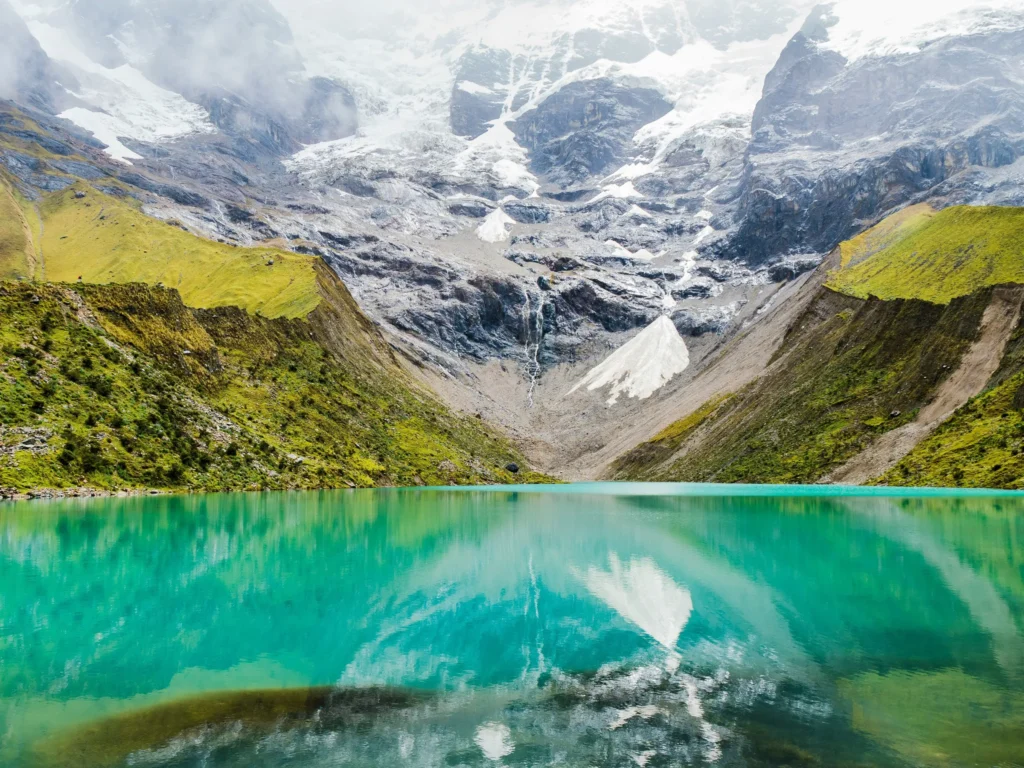
Humantay lake tour from cusco, a High-Altitude Landscape Beneath Salkantay
travel guide The journey to Humantay Lake unfolds within one of the most visually dramatic…
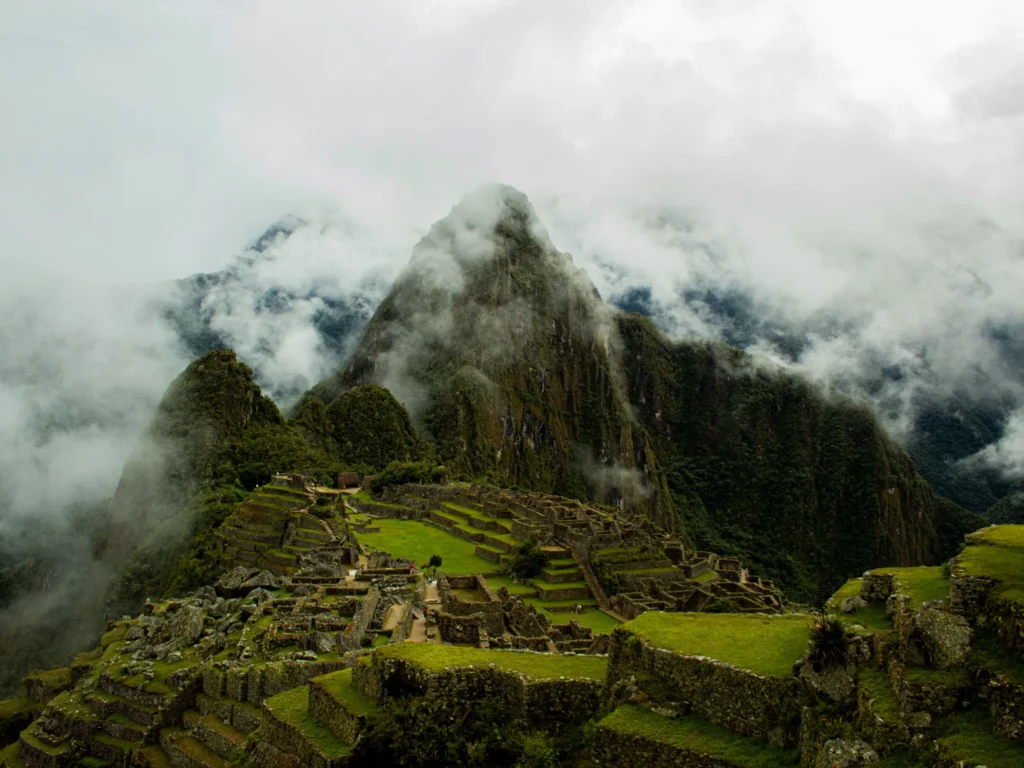
The Spirit of the Andes: Crafting the Perfect Machu Pichu Tour from Cusco
travel guide There is a specific kind of magic that occurs when the first light…
Recent guides
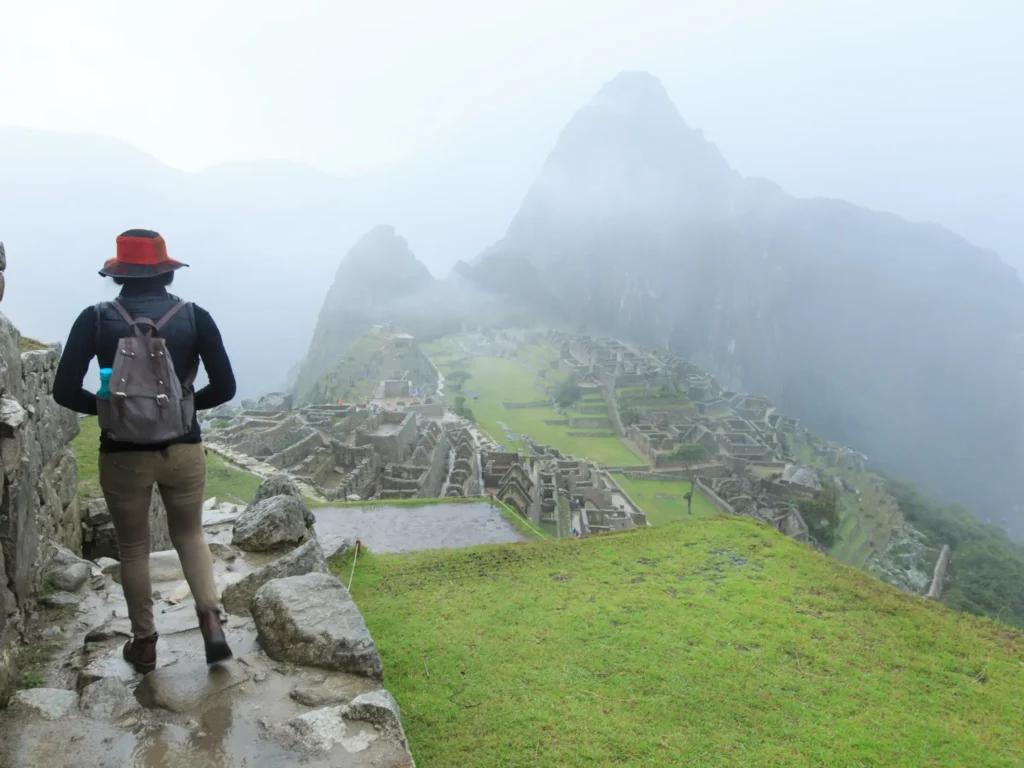
Machu Picchu Circuits Explained
travel guide Which Route Should You Choose? MACHU PICCHU CIRCUITS GUIDE Choosing the right Machu…
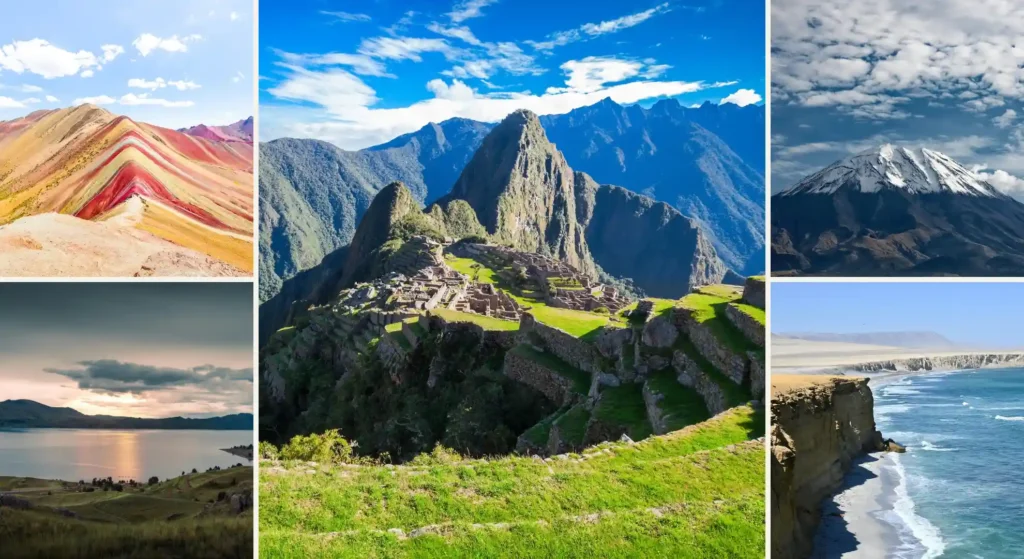
Private Peru Tours
travel guide How to Design a Tailor-Made Journey Through Peru Luxury Machu Picchu tours A…
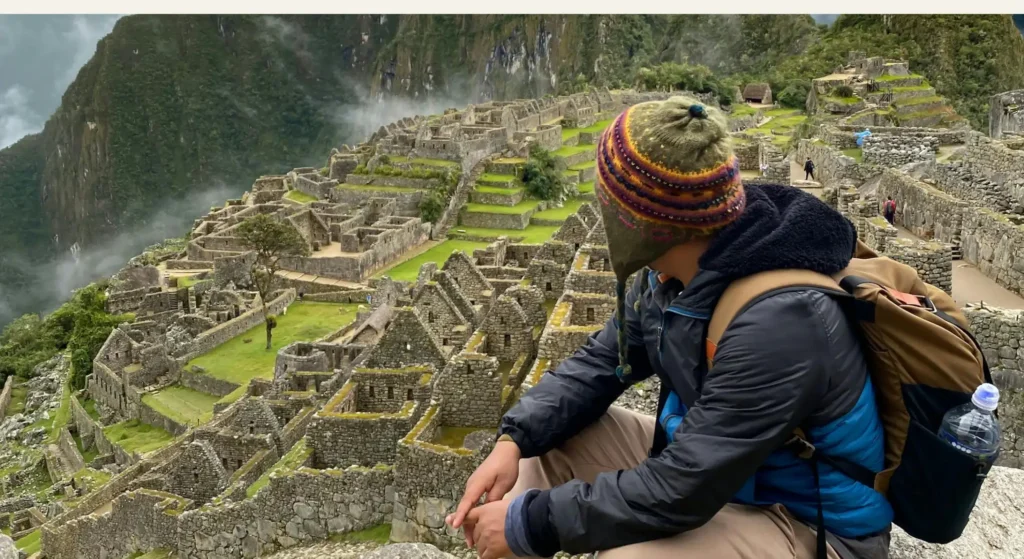
Luxury Machu Picchu Tours
travel guide How to Plan a Private, Seamless & High-End Experience Luxury Machu Picchu tours…
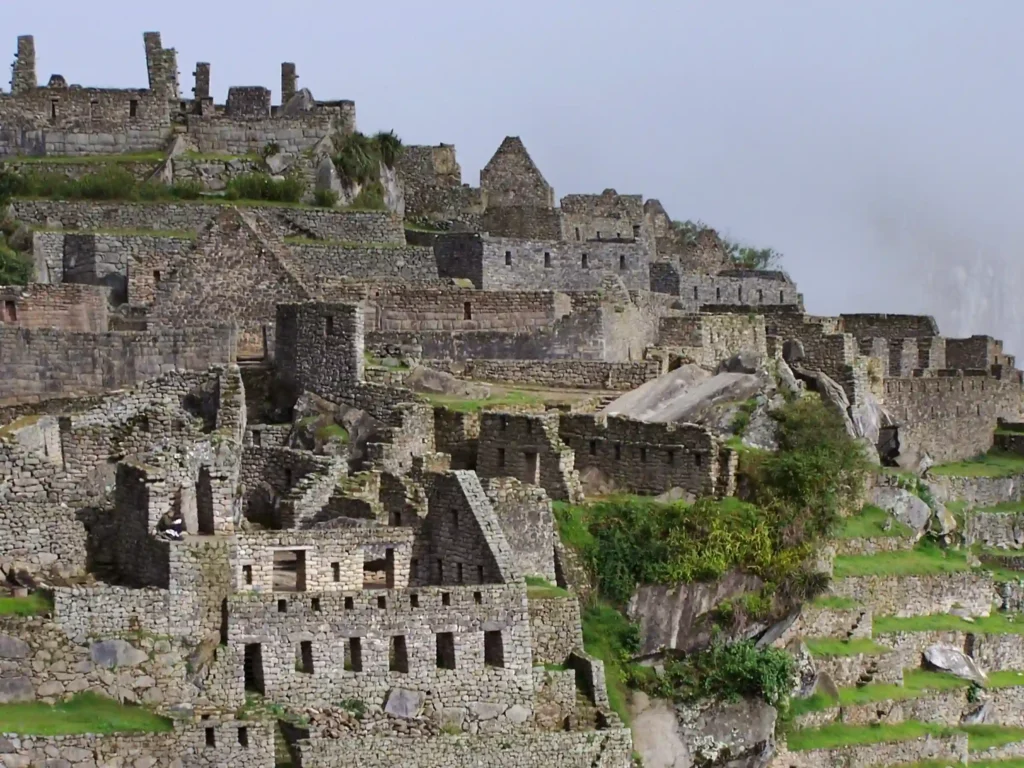
Best Time to Visit Machu Picchu: The Definitive Local Guide to Weather, Crowds, Tickets & Travel Planning
Table of Contents Use this guide to choose the best travel dates for your Machu…
Private tours Cusco: a structured way to explore the historic capital of the Incas
cusco guides To approach Cusco through private tours cusco is to move beyond the visible…
Cusco private tour: A City Built in Layers
travel guide Few cities in South America present such a visible overlap of civilisations as…
Luxury options
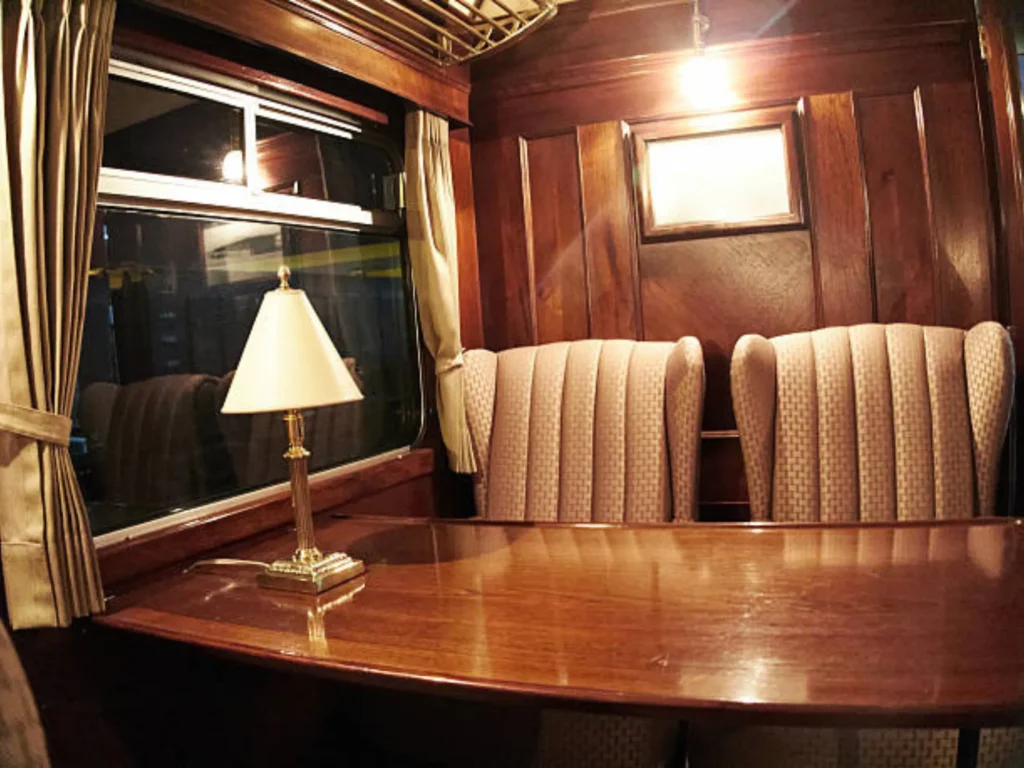
Top Luxury Train Options to Machu Picchu
travel guide Discover the finest rail experiences to Machu Picchu, from the legendary Belmond Hiram…
The Railway Through the Andes: Machu Picchu train tour
travel guide The railway that connects the Sacred Valley to Machu Picchu is one of…
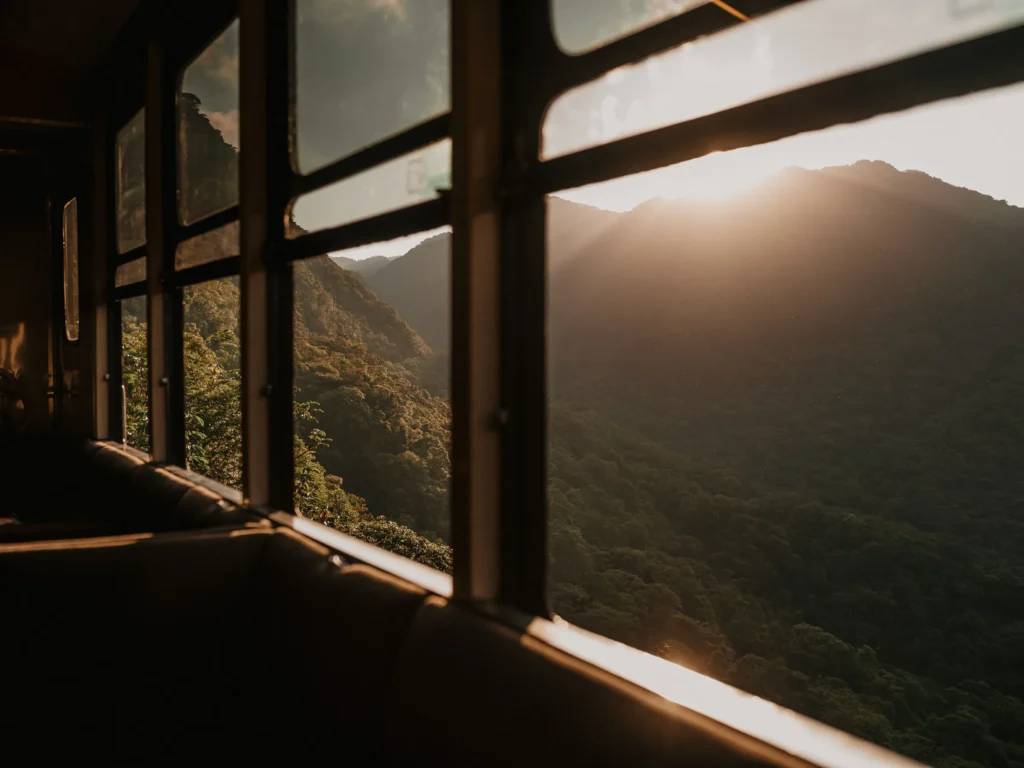
The Elegance of the Rails: Experience the Ultimate Machu Picchu Train Tour
travel guide The journey to the heart of the Incan Empire is as much about…
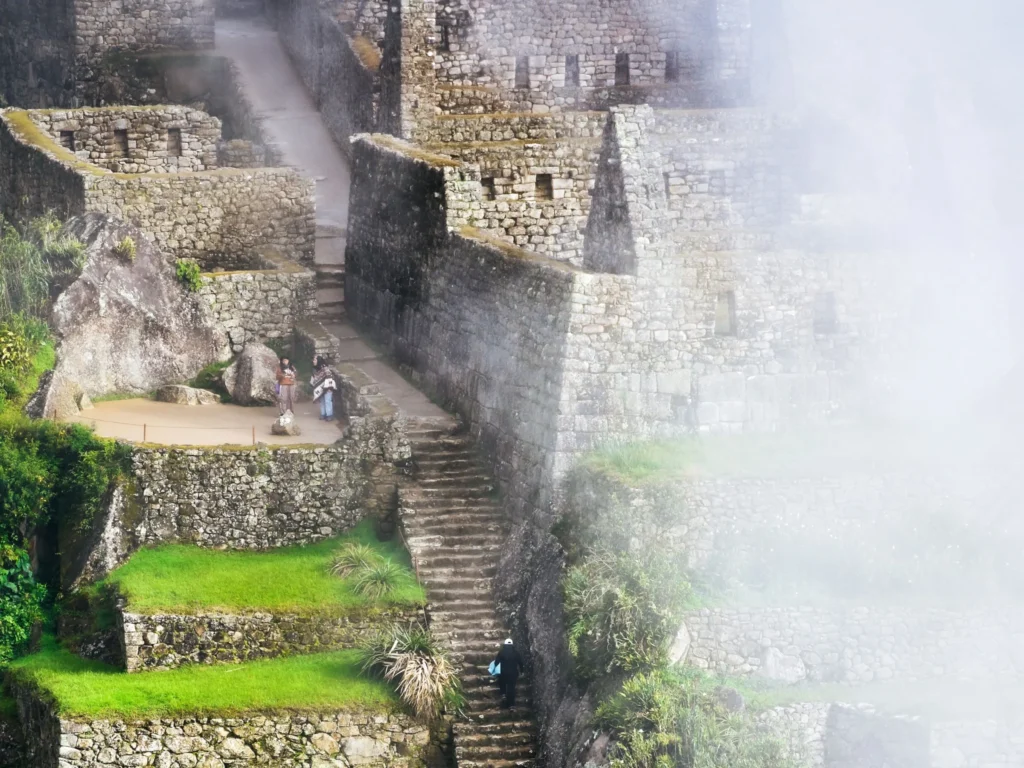
The Definitive Guide to Luxury Exploration: Navigating Machu Picchu Tours from Cusco
travel guide The mist clings to the jagged peaks of the Andes like a silent…
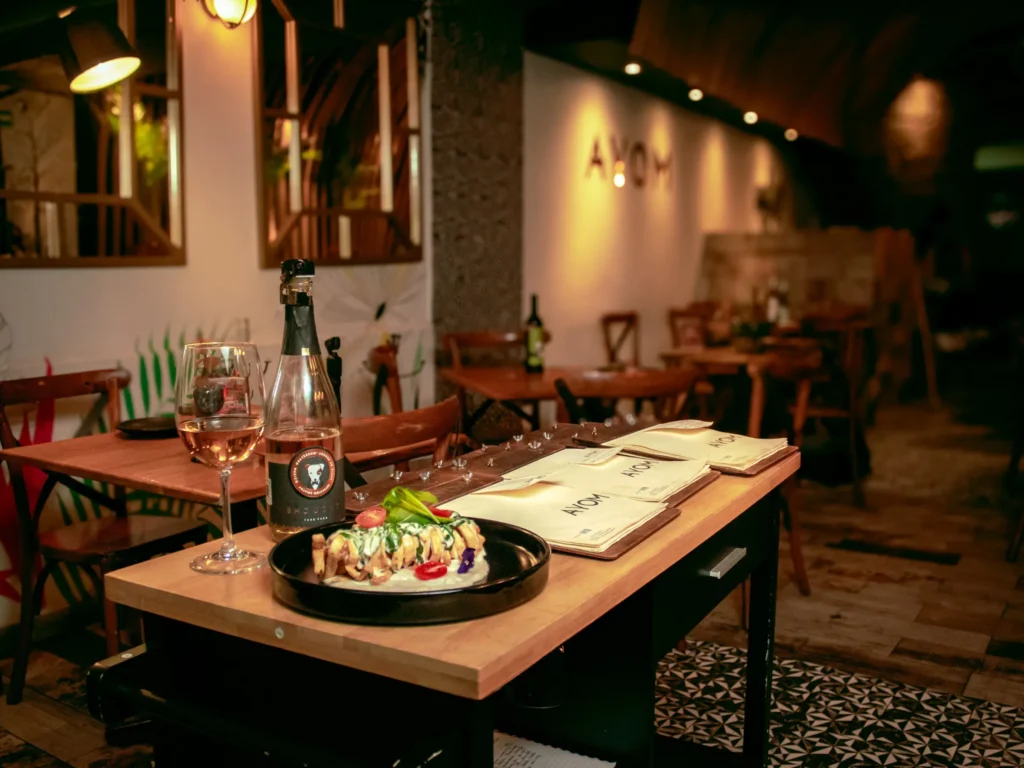
The Art of the Journey: Why Peru Private Tours Define Modern Luxury
travel guide In an era of mass-produced experiences and digital saturation, the true definition of…
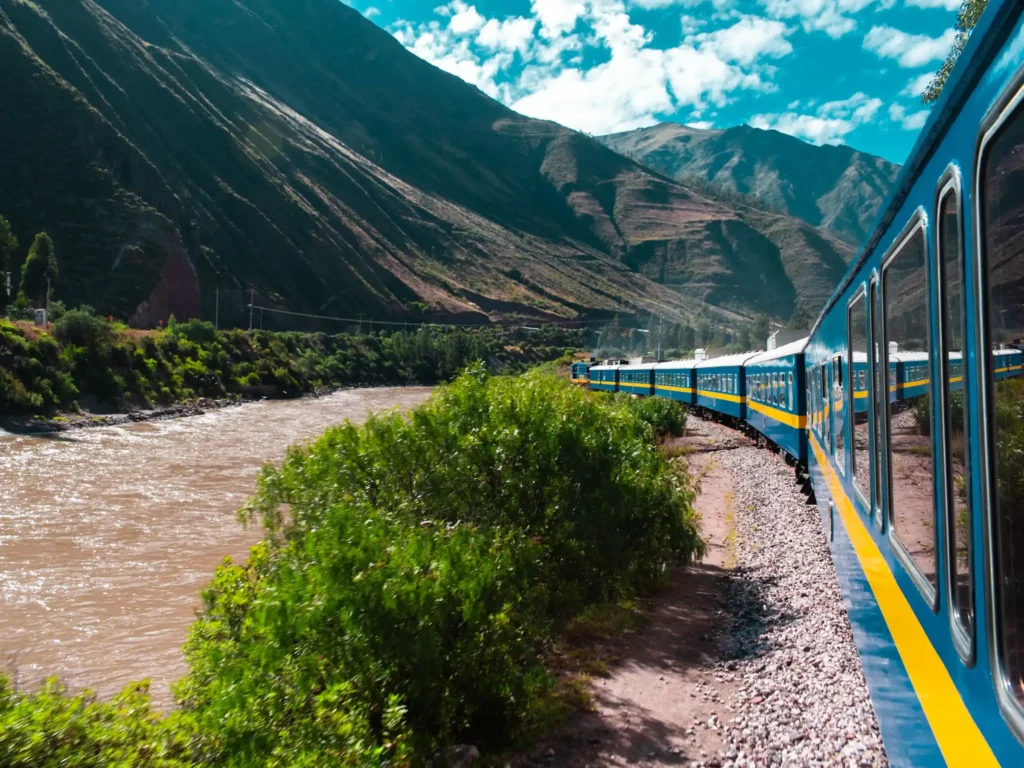
Machu Picchu luxury travel
travel guide Luxury trains to Machu Picchu often sell out quickly. Reservations are recommended 3–6…
More Information
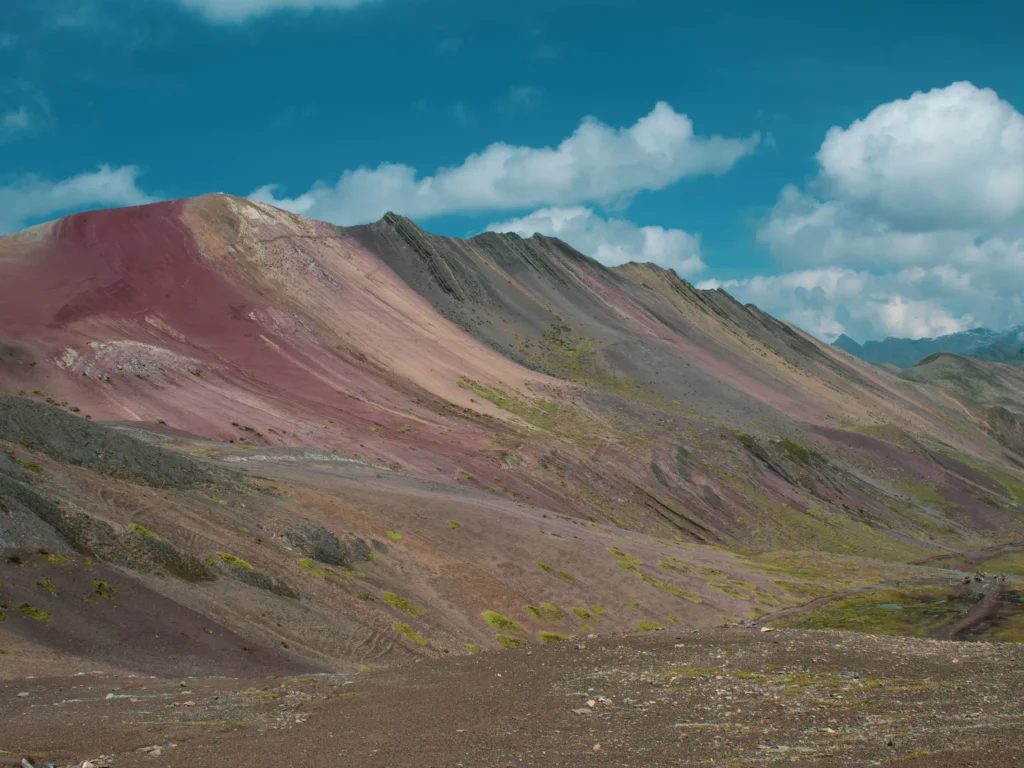
Why Rainbow Mountain is Different in Each Season
travel guide Rainbow Mountain is not a static postcard—it’s a dynamic landscape. Its colors, visibility,…
Top Luxury Train Options to Machu Picchu
travel guide Discover the finest rail experiences to Machu Picchu, from the legendary Belmond Hiram…
The Spirit of the Andes: Crafting the Perfect Machu Pichu Tour from Cusco
travel guide There is a specific kind of magic that occurs when the first light…
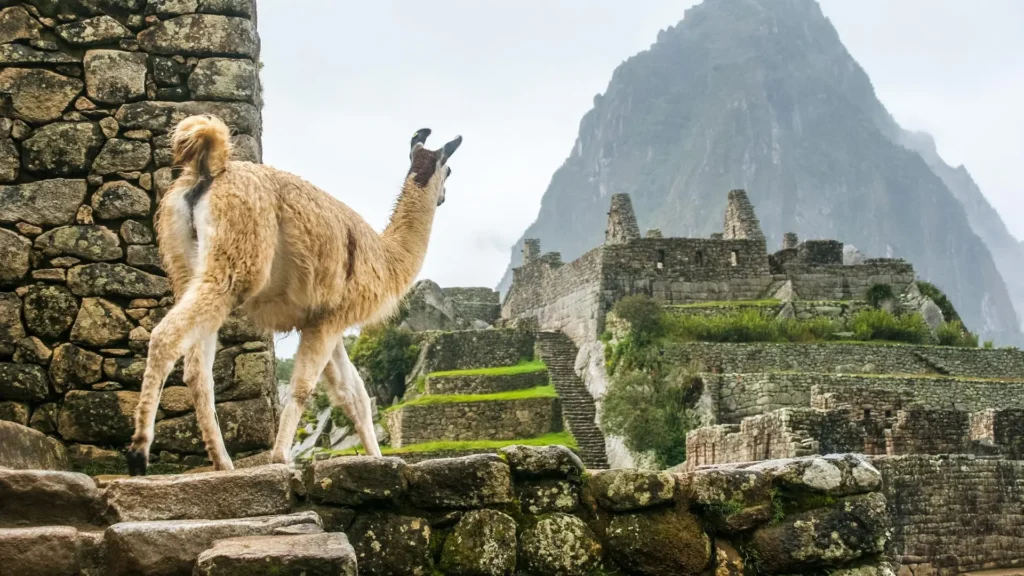
The Soft Gold of the Andes: An Immersion into Alpaca Tours in Peru
travel guide In the high-altitude heart of the Andes, there is a creature that has…
The Railway Through the Andes: Machu Picchu train tour
travel guide The railway that connects the Sacred Valley to Machu Picchu is one of…
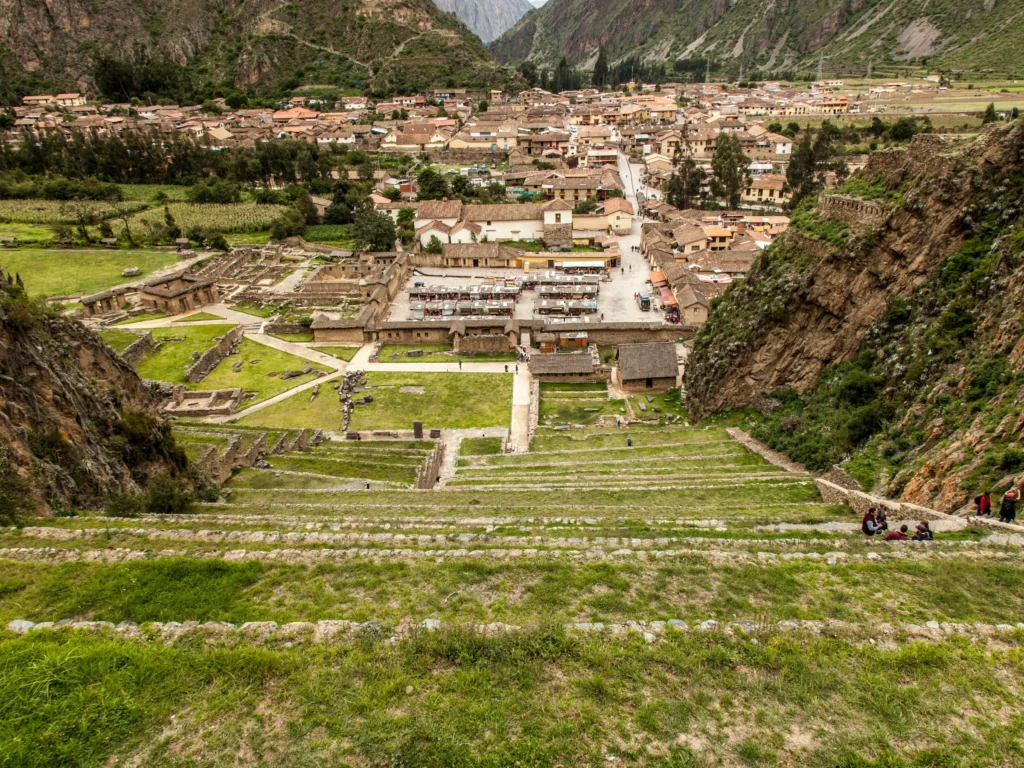
The Enduring Journey: Machu Picchu tours from Cusco
travel guide There are few journeys in South America that carry the same historical weight…
Travel Guide Cusco
Why Rainbow Mountain is Different in Each Season
travel guide Rainbow Mountain is not a static postcard—it’s a dynamic landscape. Its colors, visibility,…
Private tours Cusco: a structured way to explore the historic capital of the Incas
cusco guides To approach Cusco through private tours cusco is to move beyond the visible…
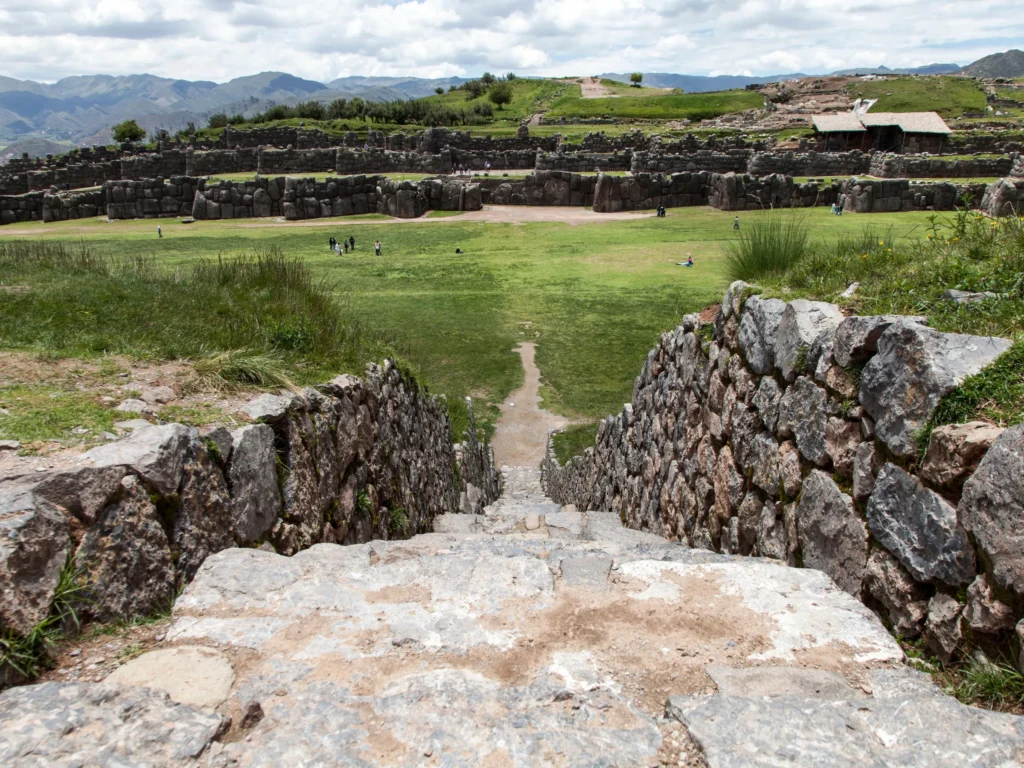
Make the Most of a Short Stay in Cusco
travel guide Make the most of your short stay in Cusco with this expert city…
Humantay lake tour from cusco, a High-Altitude Landscape Beneath Salkantay
travel guide The journey to Humantay Lake unfolds within one of the most visually dramatic…
Cusco private tour: A City Built in Layers
travel guide Few cities in South America present such a visible overlap of civilisations as…
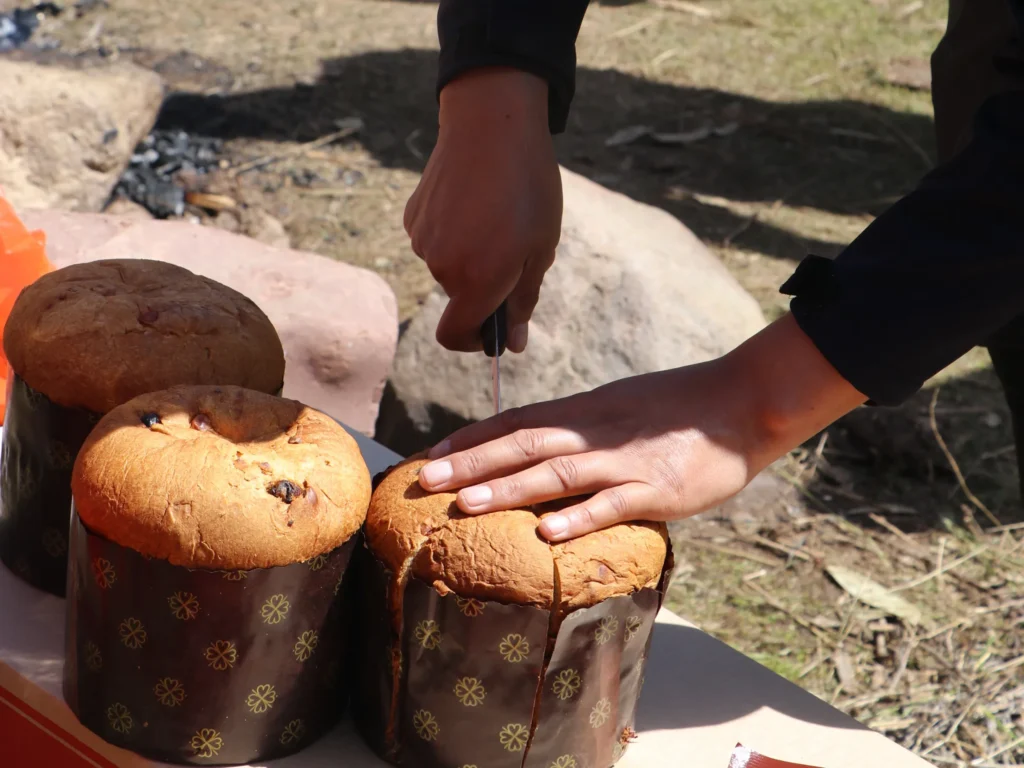
Christmas with children’s of Inca Cancha
travel guide First, Inca Cancha is a small community located in the district of Challabamba,…